VLR Visible Light Reflectance Explained for Beginners
VLR Visible Light Reflectance is a simple but powerful measurement that tells you how much light bounces off your car windows. It plays a big role in comfort, safety, and style when you tint your vehicle. Understanding VLR helps you pick the right window film and stay within legal limits. This guide breaks everything down in plain, beginner-friendly language. By the end, you will know exactly how VLR affects your driving experience.
If you have ever wondered why some car windows look mirror-like from the outside while others stay clear, the answer comes down to one simple concept: VLR Visible Light Reflectance. Whether you are shopping for window tint, checking your current setup, or just curious about how your car glass works, understanding VLR is essential. This concept might sound technical, but it is actually quite straightforward once you break it down. In this guide, we will walk you through everything you need to know about VLR in plain, easy-to-understand terms.
VLR stands for Visible Light Reflectance. It measures the percentage of visible light that bounces off a surface, such as your car window or a piece of window film. When sunlight hits your car, some of that light passes through, some gets absorbed, and some bounces back. VLR tells you exactly how much light goes back out. The higher the number, the more reflective the surface appears. This single measurement has a huge impact on how your car looks, how cool it stays, and how safe your windows are on the road.
So why should you care? Whether you want to reduce glare on long drives, keep your car cooler in the summer, or simply add a sleek look, VLR is the number that ties it all together. Let us dive into the details and make this topic easy to understand for anyone, no matter your level of experience with automotive glass.
Key Takeaways
- VLR measures light bounce: It tells you the percentage of visible light that reflects off your car windows.
- VLR and VLT work together: Both numbers affect how your windows look and perform.
- Legal limits matter: Every state has rules about how reflective your window tint can be.
- VLR affects glare and heat: Higher reflectance can reduce glare and block more solar energy.
- Quality films vary: Not all window films offer the same VLR performance or durability.
- Measurement tools exist: A spectrophotometer gives you precise VLR readings for any film or glass.
- Balance is key: The best tint balances reflectance, visibility, and comfort for daily driving.
📑 Table of Contents
- What Is VLR Visible Light Reflectance?
- How VLR Works in Automotive Glass
- Why VLR Matters for Car Owners
- VLR vs VLT: Understanding the Difference
- Legal Limits and Tint Regulations
- How to Measure and Improve VLR
- Choosing the Right Window Film Based on VLR
- Expert Insights on VLR
- Key Takeaways
- Conclusion
What Is VLR Visible Light Reflectance?
VLR Visible Light Reflectance is a measurement expressed as a percentage. It tells you how much of the visible light spectrum bounces off a surface. For car windows, this surface could be the original glass, a factory coating, or an aftermarket window film. A VLR of 10% means only 10% of visible light reflects off the surface, while 90% passes through or gets absorbed. A VLR of 70% means 70% of visible light bounces back, making the surface look much more mirror-like.
Here is a simple way to think about it. Stand in front of a plain window on a sunny day. You can see through it, right? That is because the glass has a low VLR. Now imagine a mirror. You cannot see through a mirror at all because it has a very high VLR. Car window tint falls somewhere in between these two extremes. The VLR number tells you exactly where on that spectrum your window sits.
How VLR Is Measured
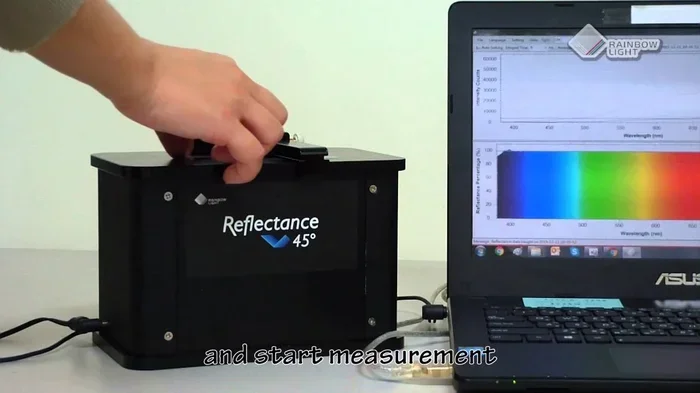
Professionals use a device called a spectrophotometer to measure VLR. This tool shines a beam of visible light at the surface and calculates the percentage that reflects back. The measurement covers the full visible light spectrum, which ranges from about 380 nanometers to 780 nanometers. The result is a single percentage number that represents the overall visible light reflectance of that surface.
You do not need to own a spectrophotometer to understand VLR. Most window film manufacturers provide VLR ratings on their product spec sheets. These numbers make it easy to compare different films and choose the one that fits your needs. When you shop for tint, always ask for the VLR rating alongside the VLT rating. Both numbers give you a complete picture of how the film will perform.
What Affects VLR in Car Windows?
Several factors influence the VLR of a car window. The type of glass used in manufacturing plays a big role. Laminated glass, which is common in windshields, behaves differently from tempered glass used in side and rear windows. The presence of any factory coatings also changes the reflectance value.
When you add aftermarket window film, that becomes the biggest variable. Different films use different materials and layers that change how much light reflects. Metallic films tend to have higher VLR because the metal particles bounce light back. Dyed films usually have lower VLR because they absorb more light than they reflect. Carbon films and ceramic films offer a middle ground with moderate reflectance and excellent performance overall.
How VLR Works in Automotive Glass
Understanding how VLR works inside your car starts with basic physics. When light hits any surface, three things happen. Some light reflects. Some light absorbs into the material. And some light transmits through to the other side. VLR only measures the reflection part. The rest of the light either gets absorbed or passes through.
In automotive glass, this process works like this. Sunlight hits your car window. A portion of that light bounces back toward the source, which is what we call reflectance. Another portion gets absorbed by the glass or film, which converts to heat. The remaining portion passes through the glass and enters your car. The balance between these three outcomes determines how your window performs in real-world conditions.
The Role of Window Film Layers
Window film is not just one layer of material. Most quality films have multiple layers, each serving a specific purpose. The outer scratch-resistant layer protects the film from everyday wear. The adhesive layer bonds the film to the glass. The middle layer is where the magic happens, and this is where most of the reflectance control takes place.
Metallic particles, carbon particles, or ceramic nanoparticles are embedded in this middle layer. These particles are what create the reflective properties of the film. More metallic content generally means higher VLR, but it can also interfere with electronic signals. Ceramic films offer high performance with lower VLR and no signal interference. This is why many car owners now prefer ceramic options for their VLR and overall heat rejection benefits.
Reflectance and Heat Management
One of the biggest reasons car owners care about VLR is heat management. When light reflects off your window instead of passing through, that energy stays outside your car. This means your interior stays cooler, your air conditioning works less, and you feel more comfortable on hot days. The relationship between reflectance and heat rejection is direct and significant.
However, there is a common misconception. People often assume that higher reflectance always means better heat rejection. While there is a correlation, it is not the whole story. Some films with moderate VLR still block a large amount of infrared and ultraviolet energy. This is where the full spectrum performance of the film matters. Always look at the total solar energy rejected (TSER) rating alongside VLR when evaluating heat management.
Why VLR Matters for Car Owners
VLR affects your daily driving experience in more ways than you might think. From comfort to safety to style, the reflectance of your car windows touches almost every aspect of your time behind the wheel. Let us look at the main reasons why this number deserves your attention.
Glare Reduction
Driving with too much sunlight bouncing into your eyes is dangerous and exhausting. High VLR window film reduces the amount of light that reflects off the inside of your windows back into your line of sight. This cuts down on glare from the sun, headlights at night, and even reflections from snow or wet roads. The result is a more comfortable and safer driving experience, especially on long road trips.
Privacy and Security
Higher VLR means your windows look more reflective from the outside. This gives you greater privacy because people outside cannot easily see into your car. This is one reason many car owners choose tinted windows for their vehicles. It adds a layer of security by making it harder for others to see valuables inside your car.
UV Protection
While VLR measures visible light reflection, the same window films that control reflectance also block harmful ultraviolet rays. UV exposure through car windows can cause skin damage over time and fade your interior materials. Quality window films with good VLR ratings often block 99% or more of UV radiation. This protects both your health and the longevity of your car’s interior.
Style and Appearance
Let us not forget the aesthetic appeal. Many car owners choose window tint partly for the way it looks. A consistent VLR across all windows gives your vehicle a polished, uniform appearance. Whether you prefer a subtle tint or a bold reflective look, the VLR rating helps you achieve the exact appearance you want.
VLR vs VLT: Understanding the Difference
When you start shopping for window tint, you will quickly come across two similar-sounding terms: VLR and VLT. These are not the same thing, and confusing them can lead to poor tint choices. Let us clear up the difference once and for all.
VLT stands for Visible Light Transmission. It measures the percentage of visible light that passes through your window. A VLT of 50% means half the light gets through, and the other half is either reflected or absorbed. VLR measures the light that bounces back. Together, these two numbers should add up to roughly 100% when you also account for the light absorbed by the glass and film.
Here is a simple example. Imagine a window film with a VLT of 35% and a VLR of 40%. The remaining 25% of light gets absorbed by the glass and film layers. This means that for every 100 units of visible light hitting the window, 35 pass through, 40 bounce back, and 25 get absorbed. Understanding this relationship helps you predict how a film will look and perform before you install it.
Why Both Numbers Matter
You cannot rely on just one number when choosing window tint. VLT tells you how clear your view will be from inside the car. VLR tells you how reflective the windows will look from the outside. Both affect your comfort, safety, and legal compliance. Always check both ratings before purchasing any window film for your vehicle.
Legal Limits and Tint Regulations
Every state and country has rules about how reflective your car windows can be. These laws exist for safety reasons. Highly reflective windows can blind other drivers, especially at night or in low-light conditions. Understanding the legal limits for VLR in your area is crucial before you tint your car.
Common VLR Regulations
Most tint laws focus on VLT, but many also include VLR limits. In the United States, regulations vary widely from state to state. Some states allow very reflective tint, while others restrict reflectance to low levels. The safest approach is to check your local Department of Motor Vehicles guidelines before purchasing any window film.
Here are some general trends in tint regulations:
- Front side windows: Usually have the strictest limits on both VLT and VLR.
- Rear side windows: Often allow higher reflectance and darker tint levels.
- Rear windshield: Typically has more relaxed rules but may still have reflectance limits.
- Medical exemptions: Some states allow darker or more reflective tint with a doctor’s prescription.
Staying Compliant
To stay on the right side of the law, always choose window film with VLR and VLT ratings that meet your state’s requirements. Reputable tint shops will know the local regulations and can guide you toward compliant options. Getting caught with illegal tint can result in fines, failed inspections, and even orders to remove the tint entirely. Do not risk it. Know your VLR and VLT limits before you tint.
How to Measure and Improve VLR
If you want to know the exact VLR of your current window film or are comparing options, measuring is straightforward. Professional shops use spectrophotometers, but there are also handheld tint meters available for consumers. These devices give you instant readings for VLT, VLR, and UV rejection.
Steps to Measure VLR
- Clean your window thoroughly to remove any dirt or debris that could affect the reading.
- Place the tint meter or spectrophotometer against the glass surface.
- Select the visible light reflectance mode on the device.
- Take the reading and note the VLR percentage.
- Repeat on different windows to compare performance across your vehicle.
Tips to Get the Best VLR Performance
Want to get the most out of your window film’s reflectance? Here are some practical tips that make a real difference.
- Choose quality film: Premium films offer more consistent VLR across the entire visible spectrum.
- Install professionally: Proper installation prevents bubbles and wrinkles that can create uneven reflectance.
- Keep it clean: Use non-ammonia cleaners to preserve the film’s reflective properties over time.
- Consider ceramic options: Ceramic films offer excellent VLR with minimal signal interference.
- Replace worn film: Over time, film can degrade and lose its reflective performance. Replace it when needed.
Common Mistakes to Avoid
Many car owners make avoidable mistakes when dealing with VLR and window tint. One of the biggest errors is focusing only on VLT and ignoring VLR. You need both numbers to make an informed decision. Another mistake is choosing the cheapest film available. Low-cost films often have inconsistent VLR ratings and poor durability. They may bubble, peel, or fade within a year.
Some people also overestimate what VLR can do. While high-reflectance film reduces glare and heat, it does not make your car invisible. No film can block all light, and excessively reflective windows can create their own visibility problems at night. Always choose a balanced approach that considers both reflectance and transmission.
Choosing the Right Window Film Based on VLR
Now that you understand VLR, how do you choose the right film? The answer depends on your priorities. Different films serve different purposes, and matching the VLR to your needs ensures the best results.
For Daily Drivers
If you use your car every day for commuting and errands, a balanced VLR is ideal. Look for films with a VLR between 20% and 40%. These offer good glare reduction, decent heat rejection, and a natural appearance. They also tend to comply with most state tint laws for front side windows.
For Show Cars and Custom Builds
If your goal is maximum style and reflectivity, you might prefer films with higher VLR. These create a bold, mirror-like look that turns heads. However, be aware that very high VLR films often have stricter legal restrictions. Check your local laws before going for a highly reflective option.
For Comfort and Heat Rejection
If your priority is keeping your car cool, focus on films with strong infrared rejection rather than chasing the highest VLR. Some ceramic films offer excellent heat management with moderate VLR. This gives you comfort without the extreme mirror effect. It is the best of both worlds for most daily drivers.
Quick Comparison Table
| Film Type | Typical VLR Range | Best For |
|---|---|---|
| Metallic | 40% – 70% | High reflectivity and heat rejection |
| Dyed | 10% – 25% | Budget-friendly, subtle look |
| Carbon | 20% – 40% | Balanced performance and matte finish |
| Ceramic | 15% – 35% | Premium performance with no signal interference |
Expert Insights on VLR
Industry professionals agree that VLR is one of the most overlooked aspects of window tint selection. Many consumers focus entirely on VLT or color, not realizing that reflectance affects everything from safety to legal compliance. Tint installers recommend always asking for both VLT and VLR numbers before making a purchase.
According to automotive glass experts, the trend in the industry is moving toward ceramic films that offer moderate VLR with superior overall performance. These films provide excellent heat rejection, UV protection, and glare reduction without the signal interference issues associated with metallic films. If you are considering a new tint job, ceramic options with balanced VLR ratings are worth serious consideration.
Another expert tip is to consider the direction your car faces. Vehicles that spend a lot of time parked in direct sunlight benefit from higher VLR on the windshield and front windows. Cars driven primarily at night or in cloudy climates may not need as much reflectance. Tailoring your VLR choices to your driving habits ensures you get the best value from your tint investment.
Key Takeaways
- VLR measures light bounce: It tells you the percentage of visible light that reflects off your car windows.
- VLR and VLT work together: Both numbers affect how your windows look and perform on the road.
- Legal limits matter: Every state has rules about how reflective your window tint can be.
- VLR affects glare and heat: Higher reflectance can reduce glare and block more solar energy.
- Quality films vary: Not all window films offer the same VLR performance or durability.
- Measurement tools exist: A spectrophotometer gives you precise VLR readings for any film or glass.
- Balance is key: The best tint balances reflectance, visibility, and comfort for daily driving.
Conclusion
VLR Visible Light Reflectance is a simple concept with big implications for your car. It determines how reflective your windows appear, how much glare you deal with, and how well your tint performs in the heat. Understanding VLR empowers you to make smarter decisions about window tint, whether you are a first-time buyer or a seasoned car enthusiast.
The next time you shop for window film, remember to check the VLR rating alongside the VLT. Both numbers together give you the complete picture of how a film will look and perform. Choose a film that matches your needs, stays within legal limits, and fits your budget. With the right VLR and a quality installation, you will enjoy a more comfortable, safer, and better-looking ride every single day.
Take what you have learned from this guide and put it into action. Your car windows are more than just pieces of glass. They are an important part of your driving experience, and VLR is the key to unlocking their full potential.
Frequently Asked Questions
What does VLR stand for in automotive terms?
VLR stands for Visible Light Reflectance. It measures the percentage of visible light that bounces off a car window or window film. This number helps you understand how reflective your windows will look and how much light energy stays outside your vehicle.
Is higher VLR always better for window tint?
Not necessarily. Higher VLR means more reflection, which reduces glare and heat but can also make your windows look very mirror-like. The best VLR depends on your priorities. If you want a subtle look, moderate VLR is ideal. If you want maximum heat rejection and privacy, higher VLR may work better for you.
What is the difference between VLR and VLT?
VLR measures how much light reflects off your window, while VLT measures how much light passes through it. Together, these two numbers tell you how a window film will look and perform. A film with high VLR and low VLT will look very reflective from the outside while still blocking most light from coming through.
Are there legal limits for VLR on car windows?
Yes, most states and countries have regulations that limit how reflective your car windows can be. These laws exist to prevent glare and visibility issues for other drivers. Always check your local tint laws before purchasing window film, and choose products that meet the legal requirements for VLR and VLT in your area.
Can I measure VLR at home?
You can use a handheld tint meter to get a rough VLR reading at home. However, professional shops use spectrophotometers that provide much more precise measurements. For the most accurate results, visit a reputable tint shop that offers free VLR and VLT readings on your existing film or glass.
Does VLR change over time with window film?
Yes, VLR can change as window film ages. Lower-quality films may lose their reflective properties due to UV exposure, heat, and wear. Premium films maintain their VLR ratings much longer. If your tint looks less reflective than when it was new, it may be time to replace the film.