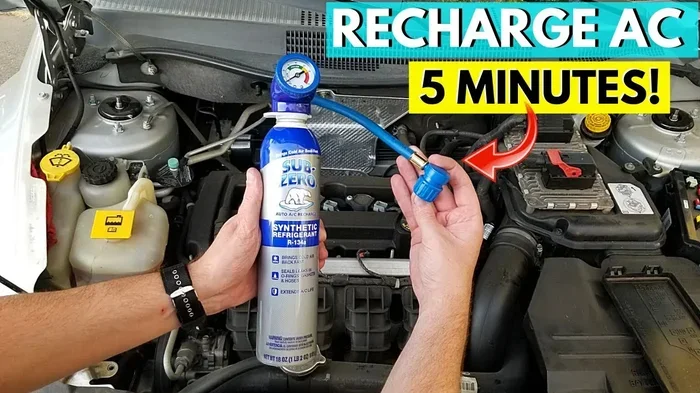
How Many Cans of Freon Does a Car Take to Recharge
Most cars need between 2 and 4 cans of freon to fully recharge the air conditioning system. The exact amount depends on your vehicle size, AC system type, and whether you have a leak. Understanding your car’s freon capacity helps you save money and avoid overfilling. This guide breaks down everything you need to know about how many cans of freon does a car take for a successful recharge.
Key Takeaways
- Standard passenger cars typically need 2 to 4 cans of freon to recharge the AC system fully.
- The type of refrigerant matters because newer vehicles use R-1234yf while older cars use R-134a.
- A refrigerant leak can cause freon to escape, meaning you may need more cans than expected.
- Always check your owner’s manual for the exact refrigerant capacity of your specific vehicle.
- Overfilling your AC system is just as bad as underfilling and can cause serious damage.
- DIY recharge kits are affordable but knowing the correct amount prevents costly mistakes.
- Professional AC service is recommended if you suspect a leak or complex system issue.
📑 Table of Contents
- How Many Cans of Freon Does a Car Take to Recharge?
- What Is Freon and Why Does Your Car Need It?
- How Many Cans of Freon Does a Car Take for a Full Recharge?
- Factors That Affect How Much Freon Your Car Needs
- Signs Your Car Needs a Freon Recharge
- How to Recharge Your Car’s AC System Safely
- Common Mistakes When Recharging Freon
- When to Call a Professional Instead of DIY
- How Much Does a Freon Recharge Cost?
- Final Thoughts on Freon Recharge
How Many Cans of Freon Does a Car Take to Recharge?
If your car’s air conditioning is blowing warm air, you are not alone. Millions of drivers face this problem every summer. The most common fix is a simple AC recharge. But here is the question everyone asks first: how much freon does your car actually need?
The answer is not one-size-fits-all. Most standard passenger cars take between two and four cans of freon. However, larger vehicles like trucks and SUVs may need more. The type of refrigerant your car uses also plays a big role. Let us break this down so you know exactly what to expect.
Understanding how many cans of freon does a car take saves you time, money, and frustration. You will avoid overfilling, which can damage your AC compressor. You will also avoid underfilling, which leaves your car sweating on a hot day. This guide covers everything from basic refrigerant facts to step-by-step recharge instructions.
We will also look at common mistakes, warning signs, and expert tips. By the end, you will feel confident tackling your car’s AC recharge. Whether you are a DIY enthusiast or just curious, this article has you covered. Let us dive in and get your car cool again.
What Is Freon and Why Does Your Car Need It?
Freon is a term many people use for car refrigerant. It is the chemical that makes your air conditioning cold. In reality, freon is a brand name, but it has become a generic word for refrigerant. Your car’s AC system uses refrigerant to absorb heat from inside the cabin and release it outside.
How the Car AC System Works
Your car’s air conditioning system has several key parts. The AC compressor pumps refrigerant through the system. The refrigerant flows through the AC condenser, which releases heat. Then it moves to the AC evaporator, which cools the air inside your car. Finally, the refrigerant cycles back to the compressor to start again.
This cycle relies on having the right amount of refrigerant. Too little freon means poor cooling. Too much freon means excess pressure, which can hurt your AC system. That is why knowing the correct amount matters so much.
Types of Refrigerant Used in Cars
There are two main types of refrigerant used in vehicles today. Older cars from before 1994 typically use R-12 freon. This type was phased out because it harms the ozone layer. Most cars on the road today use R-134a refrigerant, which is safer for the environment.
Even newer vehicles, especially those made after 2021, use R-1234yf refrigerant. This is the latest generation of car refrigerant. It has a much lower global warming potential. When buying freon cans, make sure you match the refrigerant type to your vehicle. Using the wrong type can cause serious problems.
How Many Cans of Freon Does a Car Take for a Full Recharge?
The amount of freon your car needs depends on the vehicle. There is no single answer that fits every car. However, general guidelines can help you estimate what you need. Here is a closer look at the typical freon requirements for different types of vehicles.
Passenger Cars and Sedans
Most standard sedans and passenger cars need about two to three cans of refrigerant for a full recharge. Each can of R-134a freon typically holds 12 ounces. A full system charge for a sedan is usually between 24 and 48 ounces. This means two to four cans should do the job.
If your car has been leaking refrigerant for a while, you might need closer to four cans. But always start by checking the system pressure with a pressure gauge. This tells you exactly how much refrigerant is missing.
SUVs, Trucks, and Larger Vehicles
Larger vehicles have bigger AC systems. A full-size truck or SUV may need three to five cans of freon. Some heavy-duty trucks can even need six cans or more. The AC system capacity increases with the size of the vehicle because there is more cabin space to cool.
Always refer to your vehicle’s service manual. It will list the exact refrigerant capacity in ounces or pounds. This is the most reliable way to know how much you need. Guessing can lead to overfilling or underfilling, both of which cause problems.
Hybrid and Electric Vehicles
Hybrid and electric vehicles sometimes have unique AC systems. These cars may use different refrigerant types or amounts. The EV AC system often runs the compressor electrically instead of through a belt. This can affect how much refrigerant the system holds.
Check the owner’s manual or consult a dealer for the exact specs. Using the wrong amount in a hybrid or electric car can affect efficiency and range. These vehicles are more sensitive to AC system pressure than traditional cars.
Factors That Affect How Much Freon Your Car Needs
Several factors influence the exact amount of freon your car requires. Understanding these helps you make better decisions about your AC recharge. Here are the most important things to consider.
System Leaks and Refrigerant Loss
The biggest factor in how much freon you need is whether your system has a leak. A small leak lets refrigerant escape slowly over time. A large leak can drain the system completely in just a few days. If you have a leak, simply adding freon is not a permanent fix.
You should always repair the leak first. Common leak points include the AC lines, the compressor seal, and the condenser. A mechanic can use a UV leak detection dye or an electronic leak finder to locate the problem. Once the leak is fixed, you can recharge the system with the correct amount of freon.
Ambient Temperature and Operating Conditions
Your local climate affects how hard your AC system works. In hot, humid climates, the AC runs longer and uses more refrigerant pressure. This does not mean you need more freon, but it does mean your system needs to be in top shape.
Cold weather can also affect AC performance. Refrigerant pressure drops in low temperatures, which can make the system seem low. Always check your AC pressure readings when the outside temperature is moderate for the most accurate results.
Age and Condition of the AC System
Older cars tend to have less efficient AC systems. Seals dry out, hoses crack, and components wear down. An older vehicle may lose refrigerant faster than a newer one. If your car has high mileage, it might need a slightly larger recharge to compensate for worn seals and components.
On the other hand, newer cars with well-maintained systems should hold refrigerant for years. If a newer car is losing freon, that is a strong sign of a leak that needs immediate attention.
Signs Your Car Needs a Freon Recharge
How do you know if your car is low on freon? There are several clear warning signs. Catching them early helps you avoid costly repairs. Here are the most common symptoms of low refrigerant in your car’s AC system.
Warm Air From the Vents
The most obvious sign is warm or lukewarm air coming from the vents. When refrigerant levels drop, the AC system cannot absorb enough heat. The air feels barely cool or not cool at all. If you notice this, check your refrigerant level right away.
AC Clutch Not Engaging
The AC clutch connects the compressor to the engine. When refrigerant is too low, the clutch may not engage at all. You will hear no change when you turn the AC on. This is a safety feature that protects the compressor from damage due to low lubrication.
Visible Leaks or Oily Residue
Check around the AC lines and components for oily residue. Refrigerant often leaks out along with a small amount of oil that lubricates the system. If you see greasy spots near the AC condenser or AC compressor, you likely have a leak that needs repair before recharging.
Unusual Sounds From the AC System
Listen for clicking or humming sounds when you turn on the AC. These noises can indicate the compressor is struggling due to low refrigerant. Running the compressor with too little freon can cause it to overheat and fail. That is an expensive repair you want to avoid.
How to Recharge Your Car’s AC System Safely
If you decide to recharge your car’s AC yourself, there are a few important steps to follow. A DIY recharge can save you money, but it must be done correctly. Here is a simple guide to help you through the process.
Step-by-Step Recharge Process
First, gather your supplies. You will need a recharge kit that matches your refrigerant type, a pressure gauge, and the correct number of cans. Most auto parts stores sell complete recharge kits for around 20 to 50 dollars.
Next, start the car and turn the AC to maximum cold. Let the engine idle for a few minutes. Then locate the low-pressure port on the AC system. This is usually on the larger of the two AC lines near the firewall. Attach the recharge hose to the port and slowly add freon.
Monitor the pressure gauge as you add refrigerant. Stop when the pressure reaches the recommended level for your vehicle. Do not overfill. It is better to add freon gradually and check the pressure frequently. Once you reach the correct pressure, disconnect the hose and test the AC.
Quick Tips for a Successful Recharge
- Always recharge on a cool day if possible. Hot days give inaccurate pressure readings.
- Shake the freon can gently while adding refrigerant for a more accurate fill.
- Never open the high-pressure port. This is dangerous and can cause injury.
- Wear safety glasses when handling refrigerant. Direct contact with skin can cause frostbite.
- Dispose of empty cans properly. Check local regulations for refrigerant can disposal.
Common Mistakes When Recharging Freon
Many people make avoidable mistakes when recharging their car’s AC. Learning from these errors helps you do the job right the first time. Here are the most common pitfalls to watch out for.
Overfilling the System
Adding too much freon is one of the worst things you can do. Overfilling creates excess pressure inside the AC system. This pressure stresses the compressor and can lead to premature failure. It also reduces cooling efficiency because the refrigerant cannot cycle properly.
Always use a pressure gauge and follow the manufacturer’s recommended charge. If you are unsure, it is better to add less and check than to add too much.
Using the Wrong Refrigerant Type
Mixing R-134a and R-1234yf is a serious mistake. These refrigerants are not interchangeable. Using the wrong type can damage seals, compressors, and other AC components. Always verify your vehicle’s refrigerant type before purchasing cans.
Ignoring Leaks Before Recharging
Adding freon to a system with a leak is a waste of time and money. The new refrigerant will simply escape again. You will end up buying more cans and still have a warm car. Always find and fix leaks first, then recharge the system.
Skipping the AC Service
A professional AC service does more than just add freon. Technicians check for leaks, inspect components, and evacuate the old refrigerant before recharging. Skipping this step means you might miss underlying problems that could cost more later.
When to Call a Professional Instead of DIY
DIY recharges work great for simple, low-pressure situations. But some situations call for a trained professional. Knowing when to call for help saves you time, money, and potential safety risks.
If your car has completely lost all refrigerant, there may be a major leak or a failed component. In this case, a professional AC service is the best choice. Technicians have the tools to evacuate the system, vacuum test for leaks, and refill the system to factory specifications.
You should also call a professional if you are unsure about the refrigerant type or amount. Modern cars with R-1234yf refrigerant require special handling equipment. Some states and regions require certified technicians to handle certain refrigerant types due to environmental regulations.
The cost of professional AC service typically ranges from 100 to 300 dollars. This includes inspection, leak repair if needed, and a full recharge. While more expensive than a DIY kit, professional service gives you peace of mind and lasting results.
How Much Does a Freon Recharge Cost?
The cost of recharging your car’s AC varies depending on several factors. DIY recharge kits are the most affordable option. A single can of R-134a refrigerant costs about 10 to 20 dollars. Most cars need two to four cans, so a DIY recharge runs between 20 and 80 dollars total.
Professional AC service costs more but includes expertise and diagnostics. A basic recharge at a shop typically costs 100 to 200 dollars. If the technician finds a leak and needs to repair it, the total cost can rise to 300 or more. The repair cost depends on which component is leaking and how difficult it is to access.
Keep in mind that regular AC maintenance helps prevent costly repairs. Having your system checked every year or two catches small problems before they become big ones. A simple annual AC inspection can extend the life of your entire air conditioning system.
Final Thoughts on Freon Recharge
Knowing how many cans of freon does a car take is the first step to a successful recharge. Most cars need two to four cans, but the exact amount depends on your vehicle size, refrigerant type, and system condition. Always check your owner’s manual for the official capacity before you begin.
Take the time to inspect for leaks, use the correct refrigerant type, and never overfill the system. These simple steps protect your AC compressor and keep your car cool all summer long. Whether you choose to DIY or visit a professional, being informed makes all the difference.
A well-maintained AC system is more than just comfort. It is safety. A cool cabin helps you stay alert and focused on the road. Do not wait until the hottest day of the year to find out your AC is not working. Stay proactive, stay cool, and enjoy the drive.
Frequently Asked Questions
Can I use any can of freon for my car?
No, you must use the correct refrigerant type for your vehicle. Older cars use R-134a, while newer models may require R-1234yf. Check your owner’s manual or look for a label under the hood to confirm the correct type before purchasing.
How do I know if my car has a refrigerant leak?
Common signs include warm air from the vents, the AC clutch not engaging, and oily residue near AC components. A mechanic can perform a UV dye test or use an electronic leak detector to pinpoint the exact location of the leak.
Is it safe to recharge my car’s AC myself?
Yes, it is generally safe if you follow the instructions carefully. Always work in a well-ventilated area, wear safety glasses, and never open the high-pressure port. If you feel unsure, it is best to consult a professional mechanic.
How often should I recharge my car’s AC system?
A properly maintained AC system should not need frequent recharging. If you find yourself recharging more than once a year, there is likely a leak that needs repair. Regular inspections can help catch leaks early.
What happens if I overfill my car with freon?
Overfilling creates excess pressure that stresses the AC compressor and reduces cooling performance. In severe cases, it can cause the compressor to fail entirely. Always use a pressure gauge and follow the manufacturer’s recommended charge level.
Can low freon damage my car’s AC compressor?
Yes, running the AC with low refrigerant can cause the compressor to overheat and fail. The refrigerant also lubricates the compressor, so low levels mean less lubrication. This can lead to expensive repairs if not addressed quickly.
=== CONCLUSION ===
How many cans of freon does a car take to recharge? The answer is typically two to four cans for most passenger vehicles, but the exact number depends on your specific car, the refrigerant type, and the condition of your AC system. Understanding these factors helps you recharge correctly the first time.
Whether you choose a DIY approach or visit a professional, the key is to use the right amount of the right refrigerant. Avoid common mistakes like overfilling, mixing refrigerant types, and ignoring leaks. With the right knowledge and a little care, you can keep your car’s AC running strong all season long. Take action today and enjoy a cool, comfortable ride no matter how hot it gets outside.