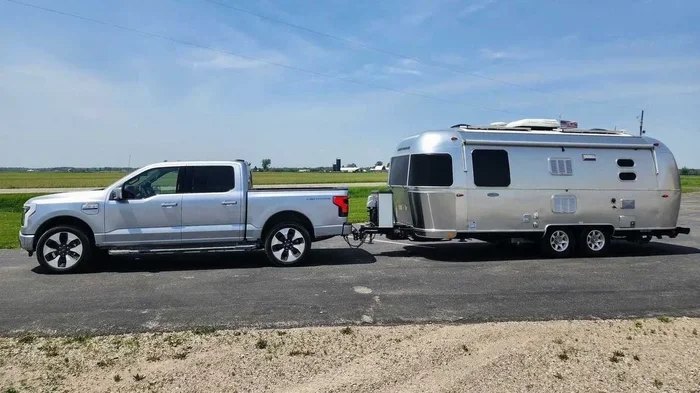
Can a Ford F-150 Pull a Camper – The Definitive Guide
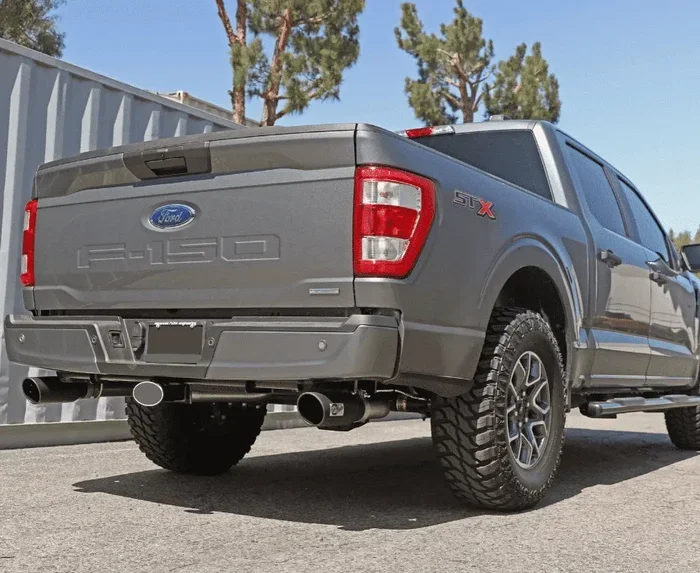
Yes, a Ford F-150 can pull a camper, but the answer depends on your trim, engine, and hitch setup. With towing capacities ranging from 5,000 to over 14,000 pounds, the F-150 handles everything from small pop-up trailers to large travel trailers. This guide covers exactly what you need to know about towing a camper with your Ford F-150 safely and confidently.
There is something truly exciting about loading up your Ford F-150 and heading out for a weekend in the great outdoors. Whether you are a first-time camper or a seasoned road warrior, one question always comes up: can a Ford F-150 pull a camper? The short answer is yes, but the full answer is a bit more detailed. Your truck’s towing ability depends on several factors, including the engine, trim level, hitch type, and the weight of the camper you want to haul.
This guide breaks down everything you need to know about towing a camper with a Ford F-150. We will look at towing capacities, the best camper types, essential equipment, and safety tips that every truck owner should follow. By the end, you will feel confident about your setup and ready to hit the road.
Key Takeaways
- Towing Capacity Varies: Your Ford F-150 can tow between 5,000 and 14,000 pounds depending on the engine and trim level.
- Engine Choice Matters: The 3.5L EcoBoost V6 offers the highest towing power, while smaller engines work best with lighter campers.
- Hitch Type Is Critical: A proper hitch setup like a gooseneck or fifth wheel hitch makes a huge difference in stability and safety.
- Weight Distribution Is Key: Proper tongue weight and payload balance prevent dangerous sway and improve control.
- Lightweight Campers Work Best: Pop-up campers and small travel trailers are ideal choices for most F-150 configurations.
- Safety Equipment Is Non-Negotiable: Trailer brakes, towing mirrors, and proper lighting keep you and others safe on the road.
📑 Table of Contents
- Understanding the Ford F-150 Towing Capabilities
- Choosing the Right Camper for Your F-150
- Essential Towing Equipment and Accessories
- Weight Distribution and Safety Tips
- Real-World Towing Experience and Tips
- Common Mistakes to Avoid When Towing a Camper
- Final Thoughts on Towing a Camper with Your Ford F-150
Understanding the Ford F-150 Towing Capabilities
The Ford F-150 is one of the best-selling trucks in America, and for good reason. It offers strong towing performance, a comfortable ride, and plenty of configurations to fit different needs. But not every F-150 is the same when it comes to towing capacity. The numbers can vary quite a bit from one model to the next.
Ford rates the F-150’s maximum towing capacity from about 5,000 pounds all the way up to 14,000 pounds in certain configurations. The exact number depends on your engine choice, axle ratio, and whether you have a towing package installed. Always check your specific truck’s owner manual or the door jamb sticker for the exact payload and towing figures.
Towing Capacity by Engine and Trim
Let us look at how the different engines affect towing power. The base 3.3L V6 engine is a solid choice for everyday driving and light towing. It can handle smaller campers and trailers with ease. If you want more pulling muscle, the 5.0L V8 offers a strong upgrade, especially for heavier loads.
The 3.5L EcoBoost V6 is the powerhouse option. It delivers impressive torque and handles the heaviest towing setups with confidence. Many people who regularly tow heavy trailers swear by this engine. The hybrid version adds fuel efficiency to the mix, which is a nice bonus for long trips.
Here is a quick look at what you can expect from each engine option:
- 3.3L V6: Best for light towing and smaller campers.
- 5.0L V8: A solid middle ground for moderate towing needs.
- 3.5L EcoBoost V6: The top choice for maximum towing power.
- 3.5L PowerBoost Hybrid: Strong towing with better fuel economy.
Keep in mind that your truck’s payload also matters. Towing capacity and payload capacity are not the same thing. Payload refers to the weight your truck can carry in the bed and cabin combined. If your camper is heavy, you need to make sure your F-150 can handle both the trailer weight and its own cargo.
Choosing the Right Camper for Your F-150
Not all campers are created equal when it comes to towing. Picking the right one for your Ford F-150 makes a big difference in safety, fuel economy, and overall enjoyment. Let us explore the most popular camper types and which ones pair best with the F-150.
Travel Trailers vs. Fifth Wheels
Travel trailers are the most common type of camper. They attach to a standard hitch ball mounted at the back of your truck. Travel trailers range from lightweight pop-up models to large luxury trailers that weigh over 8,000 pounds. For most F-150 owners, a travel trailer under 7,000 pounds is a comfortable and safe choice.
Fifth wheel campers are another popular option. They mount over the truck bed using a special hitch plate in the bed. Fifth wheels offer more stability and better towing dynamics because the weight sits directly over the rear axle. However, they require a truck bed and a proper fifth wheel hitch setup. The F-150 handles fifth wheels well, especially with the 3.5L EcoBoost engine.
One thing to keep in mind is that fifth wheel setups often have higher towing capacities than traditional hitch setups. If you plan to go big with a large fifth wheel, make sure your F-150 is properly equipped with the right axle ratio and towing package.
Pop-Up Campers and Lightweight Options
If you own a base-model F-150 or a lighter configuration, pop-up campers are a fantastic choice. They weigh much less than traditional travel trailers, often coming in between 1,000 and 3,000 pounds. You can tow a pop-up camper with almost any F-150 trim without worrying about exceeding your limits.
Another great lightweight option is a teardrop trailer. These compact, aerodynamic trailers are easy to tow and very fuel efficient. They are perfect for couples or solo travelers who want a simple camping setup without the hassle of a large trailer.
When choosing a camper, always check the dry weight first. The dry weight is the camper’s weight without any gear, water, or supplies inside. Add about 500 to 1,000 pounds for your gear, and you will get a realistic idea of the total towing weight.
Essential Towing Equipment and Accessories
Towing a camper safely requires more than just a truck and a trailer. You need the right equipment to ensure a smooth and secure ride. Here is a breakdown of the essential items every F-150 camper setup should have.
Hitch Types and What You Need
The hitch is the connection point between your truck and the camper. There are several types to consider, and choosing the right one is critical for safe towing.
- Receiver Hitch: The most common hitch type. It fits into the receiver tube under the truck and supports a ball mount for attaching a travel trailer.
- Fifth Wheel Hitch: Mounted in the truck bed, this hitch provides superior stability for larger campers. It is ideal for heavy fifth wheel setups.
- Gooseneck Hitch: Similar to a fifth wheel but uses a ball instead of a kingpin. Gooseneck setups are common for livestock trailers and some heavier campers.
Make sure your hitch is rated for the weight of your camper. Using an under-rated hitch is one of the most common and dangerous mistakes people make when towing.
Towing Mirrors and Lighting
Standard side mirrors are not enough when you are towing a wide camper. You need extended towing mirrors to see around the trailer. Without proper mirror visibility, changing lanes and backing up become risky.
Trailer lighting is equally important. Your camper needs functioning brake lights, turn signals, and running lights. A proper wiring harness connects your F-150’s electrical system to the trailer lights. This is a simple install that greatly improves safety on the road.
Weight Distribution and Safety Tips
Understanding weight distribution is one of the most important aspects of towing. Improper weight setup can lead to dangerous situations on the highway, including trailer sway, loss of control, and uneven tire wear.
Tongue Weight and Payload Balance
Tongue weight is the downward force the trailer puts on the hitch. As a general rule, tongue weight should be about 10 to 15 percent of the total trailer weight. Too little tongue weight causes the trailer to sway. Too much tongue weight lifts the front of your truck and reduces steering control.
You can adjust tongue weight by moving gear around inside the camper. Place heavier items over the axles and lighter items toward the front. This helps keep the weight balanced and the tow stable.
Trailer Brakes and Speed Control
If your camper weighs more than 3,000 pounds, consider adding trailer brakes. Trailer brakes activate independently from your truck’s brakes and give you much more stopping power. They are especially helpful when going downhill or driving in windy conditions.
When towing, slow down. Your F-150 handles beautifully when unloaded, but a heavy trailer changes the dynamics. Allow more stopping distance, take turns wider, and avoid sudden braking. A good rule of thumb is to reduce your speed by about 10 mph when towing a camper.
Real-World Towing Experience and Tips
Let us talk about what it is actually like to tow a camper with a Ford F-150 in everyday situations. This is not just about numbers on a spec sheet. It is about how the truck feels, how it handles, and how much you enjoy the experience.
Many F-150 owners report that towing a camper up to 7,000 pounds feels very manageable. The truck stays steady on the highway, handles wind gusts well, and brakes confidently. The 3.5L EcoBoost engine in particular gets a lot of praise for its towing performance. It has plenty of torque to handle steep mountain grades and long uphill drives without straining.
Fuel economy does take a hit when towing, though. Expect your gas mileage to drop by 3 to 5 miles per gallon when hauling a camper. This is normal and something every truck owner should plan for. If you are concerned about fuel costs, consider a lighter camper or a more aerodynamic trailer design.
One tip from experienced F-150 owners is to practice backing up before your trip. Towing a trailer changes your turning radius and backing up takes more skill. Find an empty parking lot and get comfortable with the feel of your truck and trailer combination before you hit the open road.
Dealing with Sway and Wind
Trailer sway is a real concern when towing. Wind gusts, passing trucks, and uneven road surfaces can all cause a trailer to sway. If you experience sway, do not slam on the brakes. Instead, ease off the accelerator and let the truck slow down gradually. A weight distribution hitch or sway control system can help prevent sway from happening in the first place.
Some F-150 models come with advanced towing assist features like trailer sway control. These systems automatically apply brakes to individual wheels to help stabilize the trailer. If your truck has this feature, make sure it is turned on before you start towing.
Maintenance Tips for Towing
Towing puts extra stress on your truck, so regular maintenance becomes even more important. Check your tire pressure before every trip, including the trailer tires. Inspect your hitch connections and make sure all bolts are tight. Change your oil more frequently if you tow often, as the engine works harder under load.
Also, keep an eye on your transmission temperature. Towing heavy loads can cause the transmission to overheat, especially in hot weather. If your truck has a transmission temperature gauge, watch it closely on long climbs and in stop-and-go traffic.
Common Mistakes to Avoid When Towing a Camper
Even experienced truck owners make towing mistakes. Here are some common errors that can lead to trouble on the road.
- Overloading the trailer: Always stay within your truck’s rated towing capacity. Exceeding it puts stress on the engine, brakes, and frame.
- Ignoring tongue weight: An improperly balanced trailer is dangerous. Check your tongue weight before every trip.
- Skipping the brake controller: If your camper is heavy, a brake controller is essential for safe stopping.
- Not checking hitch compatibility: Make sure your hitch matches both your truck and your camper’s coupling system.
- Rushing the setup: Take time to properly level your truck and camper before driving off. A rushed setup leads to problems on the road.
Avoiding these mistakes keeps you safe and protects your truck from unnecessary wear. Towing is a privilege that comes with responsibility, and a little preparation goes a long way.
Final Thoughts on Towing a Camper with Your Ford F-150
The Ford F-150 is a capable and reliable truck for towing campers of all sizes. Whether you are hauling a lightweight pop-up trailer or a large fifth wheel, the F-150 can handle the job when properly equipped. The key is understanding your truck’s limits, choosing the right camper, and following proper safety procedures.
Take the time to research your specific F-150 configuration and match it with a camper that fits within the towing and payload limits. Invest in quality towing equipment, practice your backing and driving skills, and always prioritize safety over speed or convenience.
With the right setup and a little preparation, you and your Ford F-150 will be ready for countless adventures on the road. Happy camping and safe travels!
Frequently Asked Questions
What is the maximum towing capacity of a Ford F-150?
The maximum towing capacity of a Ford F-150 ranges from about 5,000 pounds to over 14,000 pounds, depending on the engine, trim, and towing package. The 3.5L EcoBoost V6 engine offers the highest towing figures, especially when paired with the proper axle ratio and hitch setup.
Do I need a special hitch to tow a camper with an F-150?
It depends on the type of camper you are towing. A standard receiver hitch works for most travel trailers, while a fifth wheel or gooseneck hitch is needed for larger fifth wheel campers. Always choose a hitch that is rated for the weight of your trailer.
Can I tow a travel trailer with the base 3.3L V6 engine?
Yes, the base 3.3L V6 engine can tow smaller travel trailers and lightweight campers. However, it is not recommended for heavy trailers. Check your truck’s specific towing rating to make sure the camper weight stays within safe limits.
How does towing affect fuel economy on a Ford F-150?
Towing a camper typically reduces fuel economy by 3 to 5 miles per gallon, depending on the trailer weight and driving conditions. The heavier the camper, the more fuel your truck will consume. Planning your routes and reducing unnecessary weight can help improve gas mileage.
Is a brake controller necessary for towing a camper?
A brake controller is highly recommended if your camper weighs more than 3,000 pounds. It independently activates the trailer brakes, giving you much better control when stopping. Many states also require trailer brakes for heavier loads, so check your local laws before towing.
What is the best camper size for a Ford F-150?
The best camper size depends on your specific F-150 configuration. For most setups, a travel trailer under 7,000 pounds or a pop-up camper under 3,000 pounds is ideal. Always match your camper weight to your truck’s rated towing and payload capacity for the safest and most enjoyable experience.
=== CONCLUSION ===
The Ford F-150 is a versatile and powerful truck that can absolutely pull a camper when set up correctly. From the base 3.3L V6 to the mighty 3.5L EcoBoost V6, there is an F-150 configuration for nearly every camper towing need. The key to a successful towing experience lies in understanding your truck’s capabilities, choosing the right camper, and investing in proper equipment and safety practices.
Always respect your truck’s towing and payload limits. Use the right hitch, check your weight distribution, and never skip on safety gear like trailer brakes and towing mirrors. With the right preparation, your Ford F-150 and your camper will make the perfect team for countless outdoor adventures.
Now that you have the full picture, you are ready to plan your next camping trip with confidence. Happy trails and enjoy the journey!