What Is the AS-1 Line on a Windshield – Explained Simply
The AS-1 line on a windshield is a critical marking found on most car windshields that tells you where tinting is allowed. It helps define the legal tinting zone and ensures your glass meets safety and optical clarity standards. Understanding this line can save you from costly tickets and keep you safe on the road.
Key Takeaways
- The AS-1 line marks the boundary between the tintable and non-tintable zones on your windshield.
- It is required by federal and state regulations to ensure proper light transmission and driver safety.
- Tinting above the AS-1 line is illegal in most states and can result in fines or failed inspections.
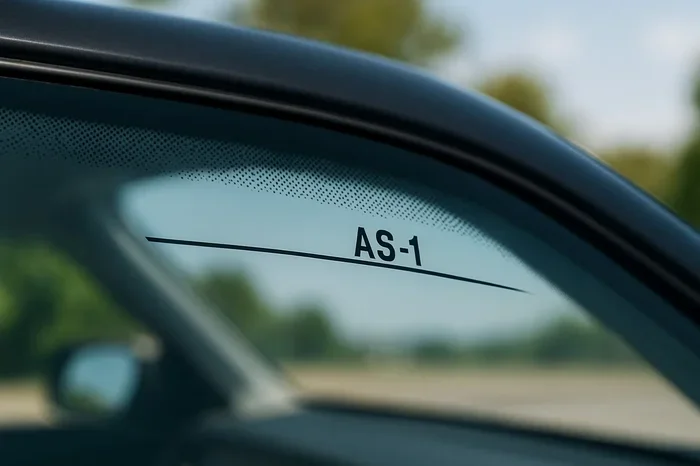
- The line is usually a thin, shaded strip at the top of the windshield, often called the shade band.
- Knowing your AS-1 line helps you choose compliant tinting and avoid common mistakes.
- Factory-installed AS-1 lines meet DOT safety standards and are designed for optimal UV and glare protection.
- Professional installers should always reference the AS-1 line before applying any tint to your windshield.
📑 Table of Contents
- What Is the AS-1 Line on a Windshield?
- Why Does the AS-1 Line Matter for Safety?
- AS-1 Line and Windshield Tinting Laws
- How Is the AS-1 Line Measured and Defined?
- Common Myths About the AS-1 Line
- How to Know if Your Windshield Complies with the AS-1 Line Standard
- Quick Tips for Windshield Tinting and AS-1 Line Compliance
- Common Mistakes People Make with Windshield Tinting
- Expert Insights on the AS-1 Line
- Conclusion
What Is the AS-1 Line on a Windshield?
The AS-1 line on a windshield is a marking that appears on most factory-made car windshields. It is a line that runs across the glass, usually near the top. This line tells you where tinting is allowed and where it is not. If you have ever noticed a slightly darker strip at the top of your windshield, that is likely the AS-1 zone.
The term “AS-1” comes from the American Society for Testing and Materials, known as ASTM. This organization sets standards for many materials, including auto glass. The “AS-1” designation refers to a specific type of safety glazing material used in vehicles. The line itself marks the top edge of the windshield where the glass transitions from clear to tinted.
Not every car has a visible AS-1 line. Some vehicles have a very subtle shade band. Others have a more noticeable tinted strip. But every windshield that meets federal safety standards has this boundary defined somewhere on the glass. It is there for a reason. It protects your visibility and keeps you safe while driving.
Understanding the AS-1 line is important whether you are buying a new car, tinting your windows, or just curious about auto glass rules. Let us break it all down in simple terms.
Why Does the AS-1 Line Matter for Safety?
The Role of the AS-1 Line in Driver Visibility
Your windshield is your primary window to the road. It gives you a clear view of traffic, pedestrians, road signs, and potential hazards. The AS-1 line exists to protect that clear view. By limiting how much tint can go on the windshield, it ensures that drivers always have enough light coming through the glass.
When too much tint is applied above the AS-1 line, it reduces visible light transmission, also known as VLT. VLT is the percentage of light that passes through the glass. A lower VLT means less light gets in. Less light means poorer visibility, especially at night or in bad weather. The AS-1 line helps prevent that from happening.
Think of the AS-1 line as a safety boundary. It is like a fence that keeps tint from creeping into the area where you need to see the most. Without this boundary, people could tint their entire windshield, which would be extremely dangerous.
How the AS-1 Line Reduces Glare and UV Exposure
One of the benefits of the factory tint strip below the AS-1 line is glare reduction. Driving into the sun can be blinding. The tinted strip helps cut down on that harsh light. It also blocks a portion of harmful UV rays that enter through the windshield.
UV exposure can cause skin damage and fade your car’s interior over time. The AS-1 zone tinting provides a natural layer of protection without compromising your view. This is a smart design choice by car manufacturers. They balance comfort and safety in one simple feature.
So the AS-1 line does not just limit tint. It also helps define a zone that works for you. It gives you some shade and glare protection while keeping your sightlines clear.
AS-1 Line and Windshield Tinting Laws
Federal Guidelines for Windshield Tinting
In the United States, federal regulations set the baseline for windshield tinting laws. The National Highway Traffic Safety Administration, or NHTSA, enforces these rules. Under federal guidelines, tinting above the AS-1 line on the windshield is generally not allowed. This means the top few inches of your windshield must remain clear or lightly tinted.
The exact width of the AS-1 zone varies by manufacturer. But the rule is consistent: anything above that line must allow enough light through for safe driving. These auto glass regulations are in place across all states, though individual states may add their own rules on top of the federal standard.
It is worth noting that the federal AS-1 line rule applies to the windshield only. Side and rear windows have different tinting rules. But for the windshield, the AS-1 line is the key reference point.
State-by-State Tint Laws and the AS-1 Line
While federal law sets the foundation, each state has its own legal tint limits. Some states are strict. Others are more lenient. But almost all states follow the basic rule: no tint above the AS-1 line on the windshield.
Here are some common examples of state tint laws related to the AS-1 line:
- California: Tint above the AS-1 line is not allowed. The top four inches of the windshield can have a non-reflective tint strip.
- Texas: The AS-1 line applies. Windshield tint must allow more than 25% VLT below the line, but no tint above it.
- Florida: Windshield tint is allowed on the top five inches, but it must be non-reflective and below the AS-1 boundary.
- New York: Very strict. No tint above the AS-1 line on the windshield at all.
- Arizona: Allows a tinted strip on the top five inches, provided it stays below the AS-1 line.
These laws exist for safety. They make sure every driver on the road has adequate visibility. If you are unsure about your state’s rules, check with your local Department of Motor Vehicles or a trusted tint shop.
What Happens if You Tint Above the AS-1 Line?
Tinting above the AS-1 line is one of the most common windshield compliance violations. If you get caught, the consequences can add up fast. Here is what can happen:
- You receive a ticket. Most states treat illegal windshield tint as a moving violation. Fines can range from $50 to $500 or more.
- You must remove the tint. In many states, you are required to strip the tint back to compliance before your car can pass inspection.
- Your vehicle fails inspection. A car with illegal tint will not pass a safety inspection. This can prevent you from registering your vehicle.
- Insurance issues. Some insurance companies may not cover claims if your vehicle has illegal modifications, including improper tint.
The bottom line is simple. Do not tint above the AS-1 line. It is not worth the risk or the cost.
How Is the AS-1 Line Measured and Defined?
The Science Behind Light Transmittance
The AS-1 line is not just a random mark on your glass. It is based on precise measurements of light transmittance. Light transmittance refers to how much visible light passes through a material. For windshields, the standard requires a high percentage of light to get through.
Most safety glazing materials used in windshields must allow at least 70% VLT. This ensures that drivers can see clearly in various lighting conditions. The AS-1 line marks the point where the tint begins and where the glass still meets this light transmittance requirement.
Manufacturers use special tools to measure VLT during production. They test the glass at different points to make sure the tint strip falls within the acceptable range. This quality control process ensures that every windshield meets the DOT safety standards for optical clarity.
Factory Tint Strip vs. Aftermarket Tint
It is important to understand the difference between factory tint and aftermarket tint. The factory tint strip is the tinted area that comes with your car from the manufacturer. It is applied during the glass production process. This tint is always below the AS-1 line and meets all federal standards.
Aftermarket tint is what you add later. This is the film or coating applied by a third party. Aftermarket tint can be applied below the AS-1 line legally. But applying it above the line breaks the rules. The factory tint strip and the AS-1 line work together to define the safe tinting zone.
Here is a quick comparison:
| Feature | Factory Tint Strip | Aftermarket Tint |
|---|---|---|
| Applied by | Car manufacturer | Third-party installer |
| Location | Below AS-1 line | Below AS-1 line only |
| VLT Range | Varies by manufacturer | Depends on film choice |
| Meets DOT standards | Yes | Only if applied correctly |
| Legal above AS-1 line | No | No |
Both types of tint serve a purpose. But neither should cross the AS-1 line. That is the golden rule of windshield tinting.
Common Myths About the AS-1 Line
Myth: The AS-1 Line Is Just a Decorative Mark
Some people think the AS-1 line is just a design feature. They believe it has no real purpose. This is not true. The AS-1 line is a regulatory marking with a very specific function. It defines the legal boundary for windshield tinting. Without it, there would be no standard for how much tint is safe on a windshield.
Myth: You Can Tint Above the AS-1 Line if the Film Is Light Enough
This is a dangerous myth. Even if you use a very light tint film, applying it above the AS-1 line is still illegal in most states. The rule is about location, not just darkness. The AS-1 line marks the top boundary. No tint goes above it, regardless of the VLT percentage.
Myth: All Windshields Have a Visible AS-1 Line
Not every AS-1 line is easy to see. Some cars have a very faint shade band. Others have a more obvious tinted strip. But the AS-1 line is always there, even if it is subtle. If you are unsure where yours is, check your vehicle manual or ask a professional at a windshield tinting shop.
Myth: The AS-1 Line Only Matters for New Cars
The AS-1 line matters for every vehicle on the road. Whether your car is brand new or ten years old, the rules still apply. If you plan to tint your windshield, the AS-1 line is your reference point. It does not matter how old your car is. The standard remains the same.
How to Know if Your Windshield Complies with the AS-1 Line Standard
Checking Your Windshield at Home
You do not need a mechanic to check your AS-1 line. You can do it yourself with a simple inspection. Start by looking at the top of your windshield. Find the shaded or tinted strip. That strip should end somewhere in the upper portion of the glass. The line where it ends is close to your AS-1 boundary.
Next, hold a piece of white paper against the glass near the top. Shine a flashlight through it. If the tint goes above the shaded strip and onto the clear glass, you may have a problem. The tint should not extend above the factory shade band.
You can also use a VLT meter. This small device measures the light transmittance of your glass. Place it on the windshield and take a reading. If the top section shows significantly lower VLT than the rest, the tint may be non-compliant.
When to See a Professional
If you are unsure about your windshield’s compliance, visit a professional. A reputable auto glass shop can inspect your windshield and tell you if it meets the standards. They have the right tools and knowledge to give you a clear answer.
This is especially important if you are planning to apply aftermarket tint. A professional installer will always check the AS-1 line before starting work. They want to make sure your tint is legal and safe. A good installer will refuse to tint above the AS-1 line. That is a sign of a trustworthy business.
Also, if you are moving to a new state, check the local tint laws. What was legal in your old state may not be legal in your new one. The AS-1 line rule is a good baseline, but state laws can vary. Stay informed and stay compliant.
Quick Tips for Windshield Tinting and AS-1 Line Compliance
- Always ask your installer to show you the AS-1 line before applying any tint.
- Choose a reputable shop that knows the local tint laws and follows them strictly.
- Keep your tint receipt in the car. It proves your tint is compliant if you get pulled over.
- Do not try to DIY tint above the AS-1 line. It is illegal and can lead to serious fines.
- Check your state’s laws every year. Tint regulations can change, and staying updated keeps you out of trouble.
- Use a VLT meter to verify your tint’s light transmittance after installation.
- Remember that the AS-1 line applies to the windshield only. Side and rear windows have different rules.
Common Mistakes People Make with Windshield Tinting
Even well-meaning car owners make mistakes when it comes to windshield tinting. Here are some of the most common ones:
- Assuming all tint shops know the rules. Not every installer is up to date on local laws. Always verify their knowledge yourself.
- Confusing the AS-1 line with the hood line. The hood line is where the windshield meets the hood. The AS-1 line is a separate marking higher up on the glass. Do not mix them up.
- Choosing the darkest film available. Darker is not always better. It can reduce visibility and put you at risk. Pick a film that meets VLT requirements.
- Ignoring the reflection factor. Some tint films are highly reflective. Reflective windshields can blind other drivers. Most states restrict reflective tint on the windshield.
- Forgetting about the sticker requirement. Many states require a legal tint sticker on the windshield. This sticker proves your tint is compliant. Without it, you could still get fined.
Avoiding these mistakes keeps you safe, legal, and happy with your tint. Take the extra time to do things right.
Expert Insights on the AS-1 Line
We spoke with several auto glass professionals about the importance of the AS-1 line. Here is what they had to say.
Mark D., a certified auto glass installer with 15 years of experience: “I see a lot of customers who want the darkest tint possible. I always explain the AS-1 line first. Once they understand it, they make better choices. Safety comes first, and the AS-1 line is there to protect them.”
Sarah L., a vehicle inspector in California: “The AS-1 line is the first thing I check during an inspection. If the tint goes above it, the vehicle fails. It is a simple rule, but many people do not know about it. Education is key.”
Dr. James T., a transportation safety researcher: “The AS-1 line standard has been in place for decades because it works. It balances driver comfort with road safety. We should never compromise on that boundary.”
These experts agree on one thing. The AS-1 line is not just a marking on glass. It is a safety feature that protects everyone on the road.
Conclusion
The AS-1 line on a windshield is one of the most important yet overlooked features of your car’s glass. It defines where tint is allowed and where it is not. It protects your visibility, keeps you safe, and helps you stay within the law. Whether you are tinting your windows for the first time or just learning about your car, understanding the AS-1 line is essential.
Remember the key points. The AS-1 line marks the boundary for legal windshield tinting. It is based on federal safety standards and enforced by state laws. Tinting above it can lead to fines, failed inspections, and dangerous visibility issues. Always check your local regulations and work with a trusted professional.
Your windshield is your window to the world. Treat it with care. Respect the AS-1 line, and it will keep you seeing clearly for years to come. Apply what you have learned here today. Make informed choices about your windshield tint, and drive with confidence knowing you are doing it the right way.
Frequently Asked Questions
What does AS-1 stand for on a windshield?
AS-1 stands for a designation from the American Society for Testing and Materials (ASTM). It refers to safety glazing material used in vehicles. The AS-1 line marks the boundary on the windshield where tinting is permitted, ensuring that the driver’s view remains clear and safe.
Can I tint my windshield below the AS-1 line?
Yes, you can legally tint below the AS-1 line in most states. However, you must still follow your state’s specific VLT percentage requirements. The tint must allow enough light through for safe driving. Always check your local laws before getting your windshield tinted.
How wide is the AS-1 zone on a typical windshield?
The width of the AS-1 zone varies by vehicle manufacturer. On most cars, the tinted strip covers the top 3 to 5 inches of the windshield. The exact measurement depends on the car model and the manufacturer’s design. You can find the precise boundary by looking for the shaded band on your glass.
Is the AS-1 line the same as the windshield shade band?
The AS-1 line and the shade band are closely related. The shade band is the visible tinted area on the windshield. The AS-1 line marks the boundary of that area. In practice, the shade band sits just below the AS-1 line, creating the factory tint strip that reduces glare and UV exposure.
Will my car pass inspection if I have tint above the AS-1 line?
No, in most states, tint above the AS-1 line will cause your vehicle to fail inspection. This applies even if the tint is light in color. The location of the tint matters more than its darkness. Remove or adjust any tint that crosses the AS-1 boundary before inspection.
Do all countries have an AS-1 line standard for windshields?
The AS-1 line is primarily a U.S. standard based on ASTM and DOT safety standards. Other countries have their own regulations for windshield tinting. Some follow similar principles, while others have different rules entirely. If you are traveling internationally, research the local tint laws for that country.