Can a Dead Car Battery Also Cause the Key Not to Turn
A dead car battery can indeed cause the key not to turn in the ignition, especially in modern vehicles with electronic immobilizers and power steering locks. When battery power drops to zero, the steering column lock may engage fully, and the ignition cylinder may not release the key. Understanding this connection helps you troubleshoot faster and avoid unnecessary stress when you are stranded.
You slide into your driver seat, insert the key, and try to turn it. Nothing happens. The key feels stuck, locked in place, or refuses to move at all. Your first thought might be a broken ignition or a damaged key. But here is the surprise. The real cause could be a dead car battery.
Many drivers do not realize that a dead car battery can prevent the key from turning in the ignition. This happens more often than you might think, especially in newer vehicles with electronic locks and steering column security features. When the battery loses all its charge, the electrical systems that release the ignition lock go dark. The result is a key that simply will not budge.
This article explains exactly why this happens, what you can do about it, and how to prevent it from ruining your morning again. We will cover the mechanical and electrical reasons behind this frustrating problem. You will also learn practical fixes you can try right now, even if you are not a mechanic.
Whether your key will not turn in the ignition or your car just will not start, understanding the role of the battery is the first step toward a solution. Let us break it down.
Key Takeaways
- A dead battery can lock your key in place: Modern cars rely on electrical power to release the steering column lock and ignition cylinder.
- Steering wheel lock is the most common culprit: When the battery dies, the power steering lock can seize, making the key impossible to turn.
- Jump starting often solves the problem: A simple jump start can restore enough power to release the lock and turn the key again.
- Worn keys make the problem worse: A worn-out key combined with a dead battery creates a double barrier that is harder to overcome.
- Regular battery maintenance prevents this issue: Checking terminals, cleaning corrosion, and replacing old batteries keeps your ignition working smoothly.
- Key fob batteries are different from the car battery: A dead key fob battery does not always stop the key from turning in the ignition cylinder.
- Knowing when to call for help saves time: If jump starting does not work, a professional diagnostic can reveal deeper electrical issues.
📑 Table of Contents
- Why a Dead Car Battery Can Stop the Key from Turning
- Common Signs Your Battery Is Too Dead to Start the Car
- How to Get the Key Unlocked When the Battery Is Dead
- Preventing This Problem Before It Happens
- When to See a Mechanic
- Key Fob Battery vs. Car Battery: What Is the Difference
- How Weather Affects Your Battery and Ignition
- Common Mistakes Drivers Make When the Key Will Not Turn
- Key Takeaways
- Conclusion
Why a Dead Car Battery Can Stop the Key from Turning
The connection between a dead battery and a stuck key is not obvious at first glance. Most people think the battery only powers the lights, radio, and starter motor. But in modern vehicles, the battery plays a much bigger role in the ignition process.
The Steering Column Lock Mechanism
Most cars built after the 1970s have a steering column lock. This is an anti-theft feature that locks the steering wheel when the ignition is off. When you turn the key to the off position and remove it, a pin drops into place and freezes the steering column.
Here is where the battery comes in. In many modern cars, the steering column lock is electronically controlled. When the battery dies, the lock may not release properly. The pin stays engaged, and the key cannot turn. This is especially common in vehicles with power steering systems that rely on electrical power to disengage the lock.
You might notice that the steering wheel feels stiff or locked tight. This is a clear sign that the steering column lock is engaged due to a power loss. The key is physically blocked from turning, even though the ignition cylinder itself is not broken.
The Electronic Immobilizer System
Modern vehicles use an electronic immobilizer to prevent theft. This system communicates between the key or key fob and the car’s computer. When you insert the key and try to turn the ignition, the car checks if the key is authorized.
A dead battery disrupts this communication. The car’s computer cannot send or receive the signal it needs to allow the ignition to engage. Even if the key is the correct one, the system may refuse to release the lock. This creates the frustrating situation where the key will not turn even though nothing is physically wrong with the key or ignition.
The Ignition Cylinder and Electrical Components
The ignition cylinder in newer cars has electrical contacts that need power to operate. These contacts connect the key to the car’s electrical system. When the battery is completely dead, these contacts cannot function. The cylinder stays in the locked position, and the key remains stuck.
In some vehicles, the ignition switch has a solenoid that requires battery power to move. Without that power, the solenoid stays in place, and the key cannot rotate. This is a less common cause, but it happens in certain makes and models, particularly luxury vehicles with complex ignition systems.
Common Signs Your Battery Is Too Dead to Start the Car
Before the key gets completely stuck, your car usually gives you warning signs. Recognizing these early can save you from being stranded with a key not turning in the ignition.
Dim or Flickering Dashboard Lights
When your battery voltage drops, the dashboard lights may dim or flicker. This is one of the earliest signs that the battery is losing its charge. If you notice this happening, it is time to address the battery before it dies completely.
Slow Cranking When Starting
A healthy battery sends a strong burst of power to the starter motor. When the battery is weak, the starter turns slowly. You might hear a clicking sound or a sluggish cranking noise. This is a clear indicator that the battery needs attention.
Electrical Accessories Stop Working
Power windows, the radio, the air conditioning, and the dashboard display all rely on the battery. When these start failing or stop working entirely, your battery is likely dead or nearly dead. At this point, the ignition system may also fail, preventing the key from turning.
Key Fob Does Not Unlock the Car
If you use a keyless entry system, a dead car battery can sometimes affect the key fob’s ability to communicate with the car. While the key fob battery is separate, a completely dead car battery can cause the car’s receiver to stop working. This adds another layer of inconvenience when you are trying to get into your vehicle.
How to Get the Key Unlocked When the Battery Is Dead
So you are standing there with a key stuck in ignition and a dead battery. What do you do? There are several methods you can try to get the key free and the car running again.
Method 1: Wiggle the Steering Wheel
This is the simplest fix and works in most cases. While gently turning the steering wheel left and right, try to turn the key in the ignition. The rocking motion can release the steering column lock that is holding the key in place. You may need to apply moderate pressure, but do not force it. If the key feels like it is going to break, stop and try another method.
Method 2: Jump Start the Car
A jump start restores power to the electrical system and often releases the steering column lock immediately. Use jumper cables and another vehicle or a portable jump starter. Once the battery has enough charge, try turning the key again. In most cases, the key will turn freely once the electrical system is back online.
Make sure to connect the jumper cables correctly. Attach the red clamp to the positive terminal, the black clamp to the negative terminal, and the other black clamp to an unpainted metal surface on the engine block. Start the working vehicle first, then try starting your car.
Method 3: Tap the Ignition Cylinder
Sometimes a stuck ignition cylinder responds to a light tap. With the key inserted, use a small hammer or the handle of a screwdriver to gently tap around the ignition cylinder. This can dislodge any debris or stuck pins inside the cylinder. Be gentle. You are not trying to break anything. Just applying light percussion can free up the mechanism.
Method 4: Spray Electrical Contact Cleaner
If the ignition cylinder is corroded or dirty, a spray of electrical contact cleaner can help. Spray a small amount into the keyhole and work the key back and forth. This cleans the electrical contacts inside the cylinder and can restore proper function. This method works especially well for older vehicles that have been sitting for a while.
Method 5: Remove and Replace the Battery
If the battery is completely dead and cannot hold a charge, you may need to replace it or install a new one. Once the new battery is connected, the electrical systems will reset, and the steering column lock should release. This is the most permanent solution to a dead battery causing a stuck key.
Preventing This Problem Before It Happens
The best way to deal with a dead car battery causing a stuck key is to prevent it from happening in the first place. Regular maintenance and good habits go a long way in keeping your ignition working smoothly.
Check Your Battery Regularly
Get your battery tested at least twice a year, especially before winter and summer. Extreme temperatures are the biggest enemies of car batteries. A battery load test at a local auto parts store is usually free and takes just a few minutes.
Clean the Battery Terminals
Corrosion on the battery terminals can prevent a good electrical connection. Use a wire brush and a mixture of baking soda and water to clean the terminals. This simple maintenance task keeps the electrical system running efficiently and extends the life of your battery.
Replace Old Batteries Promptly
Most car batteries last between three and five years. If your battery is older than three years, consider replacing it before it fails unexpectedly. A battery replacement is much cheaper and less stressful than being stranded with a key stuck in the ignition.
Turn Off All Accessories Before Shutting Off the Engine
Headlights, the radio, and the air conditioning all draw power from the battery. If you leave these on after turning off the engine, you drain the battery faster. Make it a habit to shut off all accessories before removing the key. This simple step reduces the risk of a dead battery and a stuck key the next time you try to start the car.
Drive the Car Regularly
Cars that sit unused for long periods are more likely to develop a dead battery. The battery slowly loses charge over time, even when the car is not running. If you have a secondary vehicle or a car that sits in the garage, take it for a short drive at least once a week to keep the battery charged.
When to See a Mechanic
Most of the time, a dead battery causing a stuck key is something you can fix yourself. But there are situations where professional help is necessary.
If you have tried jump starting, wiggling the steering wheel, and all the other methods listed above, and the key still will not turn, it is time to see a mechanic. There may be a deeper issue with the ignition cylinder, the steering lock mechanism, or the car’s electrical system that goes beyond a simple dead battery.
A mechanic can perform a full diagnostic test on the vehicle. This test checks the battery, the alternator, the starter motor, and the ignition system all at once. If you want to know more about getting diagnostics done affordably, check out can you get a free diagnostic on your car to see if your shop offers complimentary testing.
Also, if your key is physically damaged or broken inside the ignition cylinder, a mechanic has the tools to extract it safely. Trying to remove a broken key yourself can cause further damage to the cylinder and lead to expensive repairs.
For vehicles with keyless ignition systems, a dead car battery can sometimes cause the push-button start to fail. If your car has a keyless start and the button does not respond, the battery is the first thing to check. You can also read about whether you can download an app to start your car as an alternative solution in some cases.
Key Fob Battery vs. Car Battery: What Is the Difference
It is easy to confuse the key fob battery with the car battery, but they are two completely different components with different roles.
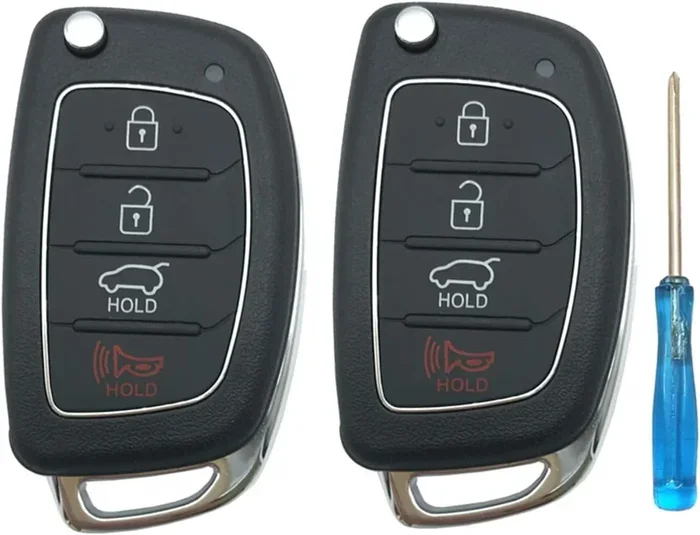
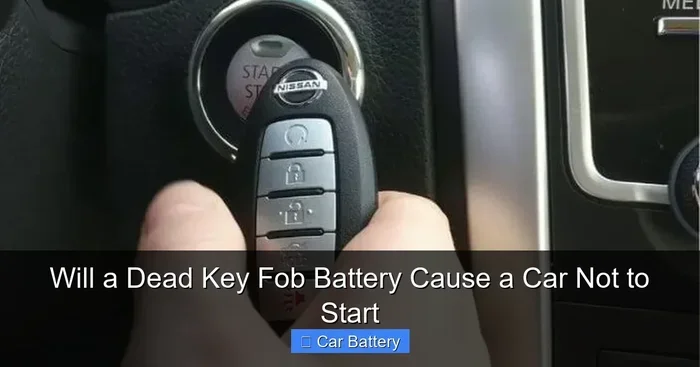
The key fob battery is a small coin cell battery inside your remote key. It powers the wireless signal that locks, unlocks, and sometimes starts the car remotely. When this battery dies, you can usually still start the car by inserting the physical key into the ignition.
The car battery is a much larger 12-volt battery under the hood. It powers the entire electrical system, including the starter motor, the ignition system, the lights, and the computer. When this battery dies, the car will not start, and in many cases, the key will not turn in the ignition.
Understanding this difference helps you troubleshoot faster. If the key fob works but the key will not turn, the problem is likely the car battery. If the key fob does not work but the key turns fine in the ignition, the problem is the key fob battery.
How Weather Affects Your Battery and Ignition
Extreme weather is one of the biggest causes of dead batteries and stuck keys. Both hot and cold temperatures put stress on the battery and can accelerate failure.
In cold weather, the battery’s chemical reactions slow down, reducing its ability to deliver power. The oil in the engine thickens, making the starter motor work harder. This combination can drain the battery quickly and leave you with a key that will not turn on a freezing morning.
In hot weather, the battery fluid can evaporate, damaging the internal plates. Heat also accelerates corrosion on the terminals. Over time, this leads to a weak or dead battery and the same stuck key problem.
To protect your battery from weather extremes, park in a garage when possible. Use a battery blanket in winter. In summer, check the battery fluid level regularly. These simple steps can prevent a dead car battery from ruining your day.
Common Mistakes Drivers Make When the Key Will Not Turn
When you are frustrated and the key will not turn, it is easy to make mistakes that make the problem worse. Here are some common errors to avoid.
- Forcing the key: Using too much force can bend or break the key inside the ignition cylinder. A broken key is a much bigger problem than a dead battery.
- Ignoring the steering wheel: Many people forget that the steering column lock is the real cause. Always try wiggling the steering wheel first.
- Assuming the key is bad: A worn-out key can cause starting problems, but it is not always the main issue. Check the battery first before replacing the key.
- Trying to tow the car in gear: This can damage the transmission and the ignition system. Always put the car in neutral before towing.
- Using the wrong jumper cable connections: Incorrect jumper cable connections can damage the electrical system. Always follow the correct positive-to-positive, negative-to-ground method.
Key Takeaways
- A dead car battery can lock your key in place: Modern cars rely on electrical power to release the steering column lock and ignition cylinder.
- Steering wheel lock is the most common culprit: When the battery dies, the power steering lock can seize, making the key impossible to turn.
- Jump starting often solves the problem: A simple jump start can restore enough power to release the lock and turn the key again.
- Worn keys make the problem worse: A worn-out key combined with a dead battery creates a double barrier that is harder to overcome.
- Regular battery maintenance prevents this issue: Checking terminals, cleaning corrosion, and replacing old batteries keeps your ignition working smoothly.
- Key fob batteries are different from the car battery: A dead key fob battery does not always stop the key from turning in the ignition cylinder.
- Knowing when to call for help saves time: If jump starting does not work, a professional diagnostic can reveal deeper electrical issues.
Conclusion
A dead car battery can absolutely cause the key not to turn in the ignition. This happens because modern vehicles depend on electrical power to release the steering column lock, operate the ignition cylinder, and communicate with the electronic immobilizer system. When the battery dies, all of these systems fail, and the key gets stuck.
The good news is that this is usually a fixable problem. A jump start, a steering wheel wiggle, or a battery replacement can get you back on the road in minutes. By understanding the connection between the battery and the ignition, you can troubleshoot faster and avoid unnecessary trips to the mechanic.
Prevention is the best medicine. Regular battery maintenance, cleaning the terminals, and replacing old batteries before they fail can save you from the frustration of a stuck key. Keep a portable jump starter in your trunk, and always pay attention to the early warning signs of a weak battery.
Next time your key will not turn, do not panic. Check the battery first. The solution might be simpler than you think. And remember, if nothing works, a qualified mechanic is just a phone call away.
Frequently Asked Questions
Can a completely dead battery prevent the key from turning in the ignition?
Yes, a completely dead battery can prevent the key from turning. The steering column lock and ignition cylinder rely on electrical power to release. Without that power, the lock stays engaged and the key remains stuck. This is especially common in modern vehicles with electronic security features.
Will jump starting my car fix a key that will not turn?
In most cases, yes. A jump start restores electrical power to the car’s systems, which often releases the steering column lock immediately. Once the battery has enough charge, try turning the key again. If it still will not turn, there may be another issue at play.
How do I know if my key is stuck because of the battery or a broken ignition?
If the steering wheel feels locked and stiff, the battery is likely the cause. If the steering wheel moves freely but the key still will not turn, the ignition cylinder may be the problem. A mechanic can perform a diagnostic test to determine the exact cause.
Can a dead key fob battery stop the key from turning in the ignition?
Usually no. The key fob battery only affects remote functions like locking and unlocking. A physical key should still work in the ignition even if the key fob battery is dead. However, in some push-button start systems, the car may not recognize the key fob if its battery is dead.
How often should I replace my car battery to prevent this problem?
Most car batteries last between three and five years. Replace your battery every three to four years as a preventive measure. Get your battery tested twice a year to catch weak batteries before they die completely and cause a stuck key.
What should I do if the key breaks off in the ignition?
Do not try to pull it out with tweezers or pliers. This can push the broken piece deeper into the cylinder. Instead, call a locksmith or a mechanic who has the proper tools to extract a broken key safely. In the meantime, try to turn the remaining part of the key gently to see if the ignition can still be operated.