Does the GMC 62 Require Premium Gas for Better Power
The GMC 6.2-liter V8 is a powerful engine, but it doesn’t strictly require premium gas. Does GMC 6.2 Require Premium Gas? Using premium can offer smoother performance and prevent knock under heavy load, while regular unleaded works fine for daily driving. This guide explains the differences, costs, and when premium fuel makes sense.
The GMC 6.2-liter V8 engine is a powerhouse, but many drivers ask: Does GMC 6.2 Require Premium Gas? The answer is not a simple yes or no. While the manufacturer recommends premium fuel, you can use regular unleaded without causing damage. Using premium gas can unlock a bit more power and smoother operation, especially when you are towing or driving under heavy load. In this guide, we break down everything you need to know about fuel choice, performance, and cost.
If you own a GMC Sierra or Yukon with the 6.2L engine, you’ve probably noticed the fuel door sticker recommends premium gasoline. The GM 6.2L V8 uses a high compression ratio, typically around 11.5:1, which means the air-fuel mixture ignites under significant pressure. High compression engines are more sensitive to lower-octane fuel, which can cause pre-ignition or engine knock. However, modern GM engines have knock sensors that adjust ignition timing to prevent damage. So, you can run regular gas, but you might not get the full experience. Let’s explore why premium fuel exists and what it does for your engine.
Key Takeaways
- The GMC 6.2 can run on regular unleaded: Modern knock sensors allow the engine to adapt, so you won’t damage it with 87-octane fuel.
- Premium gas unlocks full potential: It provides smoother power, better throttle response, and protects against detonation under heavy loads.
- Cost matters: Premium fuel costs more per gallon, so the decision depends on your driving habits and budget.
- Check your owner’s manual: GM recommends premium for the 6.2L engine but does not mandate it for normal use.
- Used GMC models are a great value: If you are buying pre-owned, our guide on 2nd hand cars under 2 lakhs can help you find a solid deal.
- Road trips are fine on regular gas: For steady highway cruising, regular unleaded is perfectly adequate and saves money.
📑 Table of Contents
- What Is the GMC 6.2 Engine?
- Does the GMC 6.2 Require Premium Gas?
- Premium vs Regular Gas: What’s the Difference?
- Performance and Power: Does Premium Gas Make a Difference?
- Fuel Economy and Cost Considerations
- Long Road Trips and Real-World Driving
- Buying a Used GMC 6.2?
- Fun Aftermarket Accessories
- Common Mistakes to Avoid
- Expert Insights
- Conclusion
What Is the GMC 6.2 Engine?
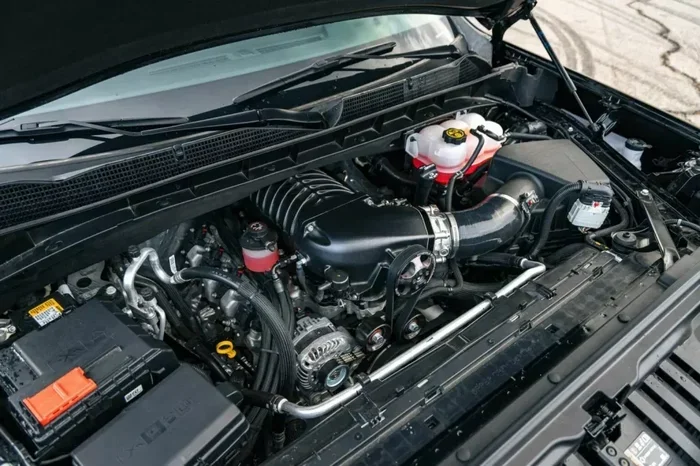
The GMC 6.2-liter V8 is a modern, high-performance engine found in models like the Sierra Denali, Yukon Denali, and some Cadillac vehicles. It belongs to the GM 6.2L engine family, which includes the LT1 and LT4 variants. This engine is a small-block V8, a design that has been a staple of GM for decades. The 6.2L displacement is achieved with a bore of 4.065 inches and a stroke of 3.622 inches. It features direct fuel injection, which sprays fuel directly into the combustion chamber for precise control. Variable valve timing adjusts the timing of the intake and exhaust valves for optimal performance. Active Fuel Management is another clever feature. It deactivates four cylinders during light load conditions, improving fuel economy. This engine produces around 420 horsepower and 460 lb-ft of torque. Such figures make it one of the most powerful truck engines available. The high compression ratio of 11.5:1 is key to its impressive output. This engine is built for durability and performance. It is a favorite among truck enthusiasts and daily drivers alike.
Does the GMC 6.2 Require Premium Gas?
So, does GMC 6.2 require premium gas? Not necessarily, but there are clear benefits. GM designs the 6.2L with a high compression ratio, and the engine control unit uses knock sensors to adapt to lower-octane fuel. This means you can safely use regular unleaded (87 octane) without risking engine damage. However, the owner’s manual recommends premium fuel (91 octane or higher) for best performance. Using premium ensures the engine runs at its intended calibration. It also helps maintain the warranty in some cases, though modern engines are robust. So, you have a choice. You can save money with regular gas or pay more for premium to get the full potential. The decision depends on your driving style, load, and budget.
Many drivers wonder if using regular gas voids the warranty. GM states that the engine can run on regular unleaded, but they recommend premium for maximum performance. If you use regular gas and experience pinging or knock, the knock sensor will retard timing. This protects the engine but may reduce power. Over time, this could affect performance. For most daily driving, regular gas is perfectly fine. If you want the full experience, stick with premium.
What Happens If You Use Regular Gas?
When you fill up with regular unleaded, the engine’s knock sensor detects any early ignition. It then retards the ignition timing slightly. This adjustment prevents detonation, but it also reduces the engine’s power output. You might notice a small dip in acceleration, especially when you press the pedal hard. For normal driving, you probably won’t feel a difference. The engine is smart enough to protect itself. However, if you consistently run regular gas under heavy load, you are not giving the engine its ideal fuel. Think of it like eating a basic meal instead of a gourmet one. Both work, but one is designed for peak performance.
Quick Tip: Accidental Regular Fill-Up
If you accidentally fill up with regular gas, do not panic. The engine will adapt. Just avoid heavy towing or hard acceleration until you can fill up with premium. A single tank of regular fuel will not harm the engine.
Premium vs Regular Gas: What’s the Difference?
Understanding the difference between premium and regular fuel helps you make an informed choice. The main difference is the octane rating. Regular unleaded gas has an octane rating of 87. Mid-grade fuel is 89. Premium gas is 91 or higher. Higher octane fuel resists detonation, which is early ignition of the air-fuel mixture. In a high-compression engine like the GMC 6.2L, detonation can cause damage over time. Premium fuel allows the engine to run more ignition advance, which boosts power and efficiency. Here is a quick comparison:
| Fuel Type | Octane Rating | Typical Price | Best For |
|---|---|---|---|
| Regular Unleaded | 87 | Lowest | Daily driving, light loads |
| Mid-Grade | 89 | Medium | Occasional towing |
| Premium | 91+ | Highest | Heavy towing, full performance |
For the GMC 6.2 engine, premium fuel is the recommended choice. It keeps the engine happy and delivers the advertised horsepower and torque. Regular gas works, but you may notice a slight dip in performance under heavy load. The cost difference is real. Premium gas can cost 30 to 50 cents more per gallon. Over a year, that adds up. If you drive 15,000 miles a year and get 16 mpg, you will burn about 938 gallons. At $0.40 more per gallon, that is an extra $375 per year. That is a significant fuel cost to consider.
Why Octane Rating Matters
Octane rating measures a fuel’s resistance to knock. Knock is a harmful combustion event that can erode engine components over time. The GMC 6.2L engine uses a high compression ratio to squeeze more power from each combustion cycle. That squeezing force increases the risk of knock if the fuel is not robust enough. Premium fuel’s higher octane acts like a buffer. It allows the engine to run aggressive timing without pinging. Regular fuel, with its lower octane, forces the engine to play it safe. The result is a slight loss of efficiency and power. For the best balance of protection and performance, premium fuel is the logical choice.
Performance and Power: Does Premium Gas Make a Difference?
When you ask, “Does premium gas make a difference?” the answer is yes, but it depends on how you drive. The GMC 6.2L engine is tuned for premium fuel. With premium gas, the engine control unit can advance ignition timing fully. This maximizes power output and torque delivery. You may notice a smoother throttle response and a more confident acceleration. Under heavy load or when towing a trailer, premium fuel prevents engine knock and keeps the engine running clean. For the average driver, the difference might be subtle. But for enthusiasts and those who haul often, premium gas is worth the extra cost.
Horsepower and Torque Gains
Premium gas can add a few horsepower, typically around 5 to 10 hp, due to optimal timing. That may not sound like much, but it is noticeable on the road. Torque delivery also feels more linear and responsive. The engine does not have to pull back on timing to avoid knock. So, you get the full 420 horsepower and 460 lb-ft of torque the factory promises. For those who love to push the GMC hard, premium fuel is a small price to pay for that extra confidence.
Expert Insights
Engine experts explain that the knock sensor in the GMC 6.2L can adjust timing on lower-octane fuel. This means the engine self-protects, but it also pulls back on power. You lose a small amount of horsepower and torque when running regular gas. The engine does not run at its full potential. Premium fuel keeps the timing advance optimal, so you get the full 420 horsepower and 460 lb-ft of torque. For high-performance driving, premium gas is the way to go. Dyno tests have shown a consistent, if modest, power advantage when using premium fuel in the 6.2L engine.
Fuel Economy and Cost Considerations
Fuel economy is another factor in the premium vs regular debate. Premium gas often contains detergents that keep the fuel system clean. Some drivers report slightly better fuel economy with premium, but the difference is usually small. The GMC 6.2L engine is designed to run efficiently on premium fuel. On regular gas, the knock sensor retards timing, which can slightly reduce efficiency. In real-world driving, you might see a 1 to 2 mpg difference. That is not huge, but it adds up over time. The real cost is the price premium at the pump. If you fill up a 26-gallon tank, the extra cost per fill is about $10 to $13. Over a year, that can be hundreds of dollars. If you are on a tight budget, regular unleaded is a smart choice. You save money without sacrificing engine life.
Does Premium Gas Improve Mileage?
Some studies suggest premium fuel can improve mileage by 1 to 2 percent in high-compression engines. The reason is that the engine can run more ignition advance without knock. That advance extracts more energy from each combustion cycle. However, the difference is often too small to notice at the pump. If you want to test it yourself, try keeping a log of your fuel economy with both fuel types. You might find that premium pays for itself in reduced engine strain and smoother operation.
Quick Tip: Track Your Fuel Economy
Keep a simple spreadsheet or use a fuel-tracking app. Record the octane, miles driven, and gallons used. After a few months, you’ll see if premium fuel gives you enough benefit to justify the extra cost. This data helps you make a smart, personalized decision.
Common Mistake: Ignoring the Fuel Gauge
A common mistake is running the tank very low on regular gas and then topping off with premium. This does not harm the engine, but it also does not provide any special benefit. The fuel mixes in the tank, and the octane level becomes an average. It is better to consistently use one type of fuel. If you want the benefits of premium, fill up with premium every time.
Long Road Trips and Real-World Driving
Planning a long journey? Our tips for a 2 days trip from Hyderabad by car can help you prepare your GMC for a smooth ride. On a road trip, you want reliability and comfort. The GMC 6.2L engine is perfect for long highway cruises. Whether you use premium or regular gas, the engine will perform well at steady speeds. If you are carrying extra gear or a loaded trailer, premium fuel gives you peace of mind. For a simple road trip with just luggage, regular unleaded is more than enough. The key is to match your fuel choice to the demands of the trip. If you are climbing mountain passes or driving in hot weather, premium gas helps prevent knock. On flat highways at constant speed, regular gas works fine. Always check your fuel level before a long drive. You do not want to run out and be stranded.
Preparing Your GMC for a Long Drive
Before hitting the road, check your tire pressure, oil level, and coolant. A well-maintained engine runs more efficiently on any fuel. Also, consider the terrain. If your route has steep grades, premium fuel will help the engine breathe easier. For flat interstate driving, regular gas is perfectly adequate. Pack an emergency kit and keep your fuel tank at least a quarter full. These simple steps make any road trip safer and more enjoyable.
Buying a Used GMC 6.2?
If you are shopping for a pre-owned model, our guide on 2nd hand cars under 2 lakhs can help you find a great deal. Used GMC trucks with the 6.2L engine offer strong value. You get a powerful V8 and a refined ride at a lower price. When buying a used GMC, check the maintenance history. A well-maintained 6.2L engine can last well over 200,000 miles. Fuel costs are a consideration. If the previous owner used regular gas, the engine may have slightly less power. But that does not mean it is damaged. A used vehicle with the 6.2L engine is a great choice for many buyers. You can enjoy the performance without the new-car price tag. Just be sure to inspect the engine and transmission carefully. Look for signs of wear or neglect. A clean service record is a good sign. Ask for a compression test if possible. It tells you how healthy the engine truly is.
Fun Aftermarket Accessories
While not directly related to the engine, some owners enjoy adding fun accessories to their garage. If you are into remote control models, a 2.4 GHz RC car transmitter and receiver offers precise control and long range. It’s a great way to enjoy your hobby right next to your GMC. These RC systems are easy to set up and work with most model cars. They can be a fun distraction during long garage sessions. Just remember that your GMC needs premium or regular gas, not RC fuel. Keep your hobbies separate but enjoyable.
Common Mistakes to Avoid
Here are some common mistakes drivers make with their GMC 6.2L engine. Avoiding these can save you money and keep your engine healthy.
- Assuming premium is always better: For daily driving, regular gas is fine. Premium only matters under heavy load.
- Ignoring engine knock: If you hear pinging, switch to premium or reduce the load. Persistent knock can damage the engine over time.
- Not reading the owner’s manual: The manual tells you the recommended fuel type. Follow it for best results.
- Mixing fuel types frequently: Consistency is better. Pick one octane and stick with it.
- Skipping fuel filter changes: A clean fuel system helps both regular and premium gas perform well.
Quick Tip: Listen to Your Engine
If your engine sounds rough under acceleration, it might be knocking. Try switching to premium fuel for a few tanks. If the roughness goes away, your driving style or load requires the higher octane. If it persists, check for other issues like carbon buildup or faulty sensors.
Expert Insights
Engine designers at GM know exactly what the 6.2L engine needs. They tune it for premium fuel, but they also build in safeguards for regular gas. The Active Fuel Management system shuts off four cylinders during light load, improving fuel economy. This system works with both fuel types. The engine control unit constantly monitors knock, temperature, and throttle position. It adjusts timing in real time. So, you can trust the engine to protect itself. However, for the best experience, premium fuel is the intended choice. Many fleet and rental GMC vehicles run on regular gas without issues. They are driven gently and rarely tow. If you want the full 6.2L experience, premium gas is the way to go. It keeps the engine happy, smooth, and powerful.
Conclusion
So, does GMC 6.2 require premium gas? The final answer depends on your driving style and budget. For most daily drivers, regular unleaded gas is perfectly safe and saves money. If you tow, haul heavy loads, or enjoy spirited driving, premium fuel unlocks the full potential of the 6.2L V8. The engine is designed to handle both, but premium gives you the best performance and protection. Consider your needs, your fuel cost, and how you use your truck. Whether you drive a new GMC Sierra or a used model, the right fuel choice keeps your engine running strong. Use the tips in this guide to make an informed decision. Your GMC 6.2 will reward you with smooth power and reliability.
Frequently Asked Questions
Can I use regular gas in a GMC 6.2 engine?
Yes, you can use regular unleaded gas (87 octane) in a GMC 6.2 engine. The engine has knock sensors that adjust timing to prevent damage. However, using regular gas may reduce performance slightly, especially under heavy load or when towing.
What happens if I accidentally put regular gas in my GMC 6.2?
Nothing bad will happen. The engine control unit will detect the lower octane and retard ignition timing to prevent knock. You might notice a small loss of power, but it is temporary. Just fill up with premium gas at the next opportunity.
Does premium gas really improve performance in the GMC 6.2?
Yes, premium gas can improve performance by allowing the engine to run optimal ignition timing. You may notice a smoother throttle response and a slight increase in horsepower, especially when the engine is under heavy load or towing.
How much more does premium gas cost per year?
The cost difference depends on your driving habits. If you drive 15,000 miles a year at 16 mpg, premium gas can cost an extra $300 to $400 per year compared to regular gas. That is a significant fuel cost to consider when choosing your fuel type.
Is it okay to mix premium and regular gas?
Mixing the two fuels occasionally is not harmful. The fuel in the tank will become an average of the two octane levels. However, for consistent performance and fuel economy, it is best to stick with one type of fuel at each fill-up.
Will using regular gas void my GMC warranty?
No, using regular gas will not void your warranty. GM recommends premium fuel for the 6.2L engine, but they do not require it. As long as you follow the owner’s manual and do not cause damage by persistent heavy knock, your warranty remains intact.