Do You Sit In The Car During An Oil Change
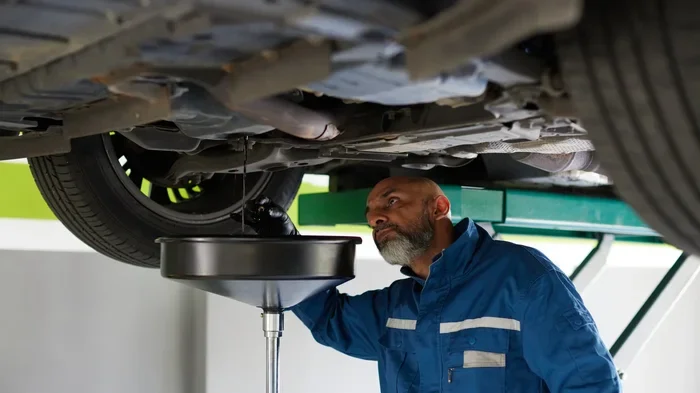
You do not need to sit inside your car during an oil change — in fact, most technicians prefer you stay out of the vehicle so they can work safely and efficiently underneath it. The process typically takes between 20 and 45 minutes, during which the old oil is drained, the filter is replaced, and fresh oil is added. Staying out of the car also gives the mechanic clear access to all service points and allows you to observe the work being done. Once the service is complete, you can hop back in and check everything before driving off.
Do You Sit In The Car During An Oil Change
Do You Sit in the Car During an Oil Change? The short answer is: it depends. Most of the time, you can step out and relax. But there are moments when your mechanic might need you to stay put. Understanding when and why this happens can save you time, confusion, and awkward moments in the service bay. Whether you are a first-time car owner or a seasoned driver, knowing what to expect during an oil change procedure makes all the difference.
An oil change is one of the most routine car maintenance tasks. It keeps your engine running smoothly and extends the life of your vehicle. But the process involves more than just draining old oil and adding new oil. Your mechanic may need to check fluids, inspect the undercarriage, or run a quick diagnostic. And in some cases, they need you inside the vehicle. Let us break down exactly what happens and why your presence matters more than you might think.
So, should you sit in the car during an oil change? It is not a simple yes or no. There are several factors at play, and by the end of this guide, you will know exactly what to expect. You will also learn practical tips to make the experience faster and less stressful. Let us dive in.
Key Takeaways
- Do You Sit in the Car During an Oil Change? Typically, you do not need to stay inside.
- Technicians need full access to the vehicle, so you’ll be asked to exit.
- Waiting outside is safer and keeps the work area clear.
- Stay inside only if the shop requests your presence for a specific check.
- You can relax nearby while professionals handle the oil drain and filter.
- Always confirm the process with your service advisor before leaving the keys.
📑 Table of Contents
- What Happens During a Standard Oil Change
- Why You Might Sit in the Car During an Oil Change
- When Mechanics Ask You to Stay in the Car
- The Pros and Cons of Sitting in Your Car
- What to Do If You Prefer Not to Sit in the Car
- Tips for a Smooth Oil Change Experience
- How Long Does an Oil Change Take
- Common Mistakes People Make During Oil Changes
- Key Takeaways
What Happens During a Standard Oil Change
Before we answer whether you should sit in the car, let us look at what actually happens during a standard oil change. Understanding the process helps you see why your presence sometimes matters and sometimes does not.
The Basic Steps of an Oil Change
A typical engine oil replacement follows these steps:
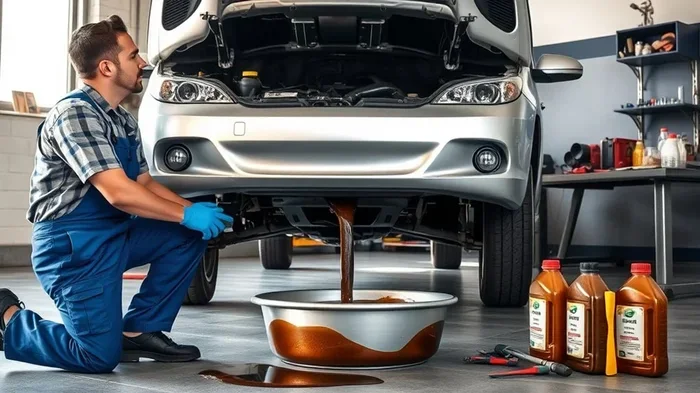
- The mechanic lifts the vehicle using a hydraulic lift or jack stands.
- They locate the oil drain plug underneath the car.
- Old oil drains out into a collection pan.
- The old oil filter is removed and replaced with a new one.
- New oil is poured through the engine bay.
- The mechanic checks the oil level and looks for leaks.
- The vehicle is lowered back to the ground.
Most of these steps happen underneath the car. You do not need to be inside for any of them. That is why many drivers step out and wait in the lobby. But here is where it gets interesting. Some additional checks require you to be in the driver seat.
Extra Checks That May Need You in the Car
During an oil change, many mechanics also perform a quick multi-point inspection. This can include:
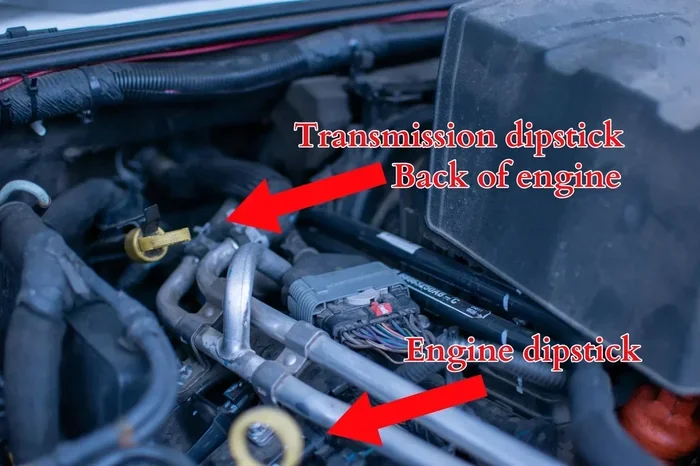
- Checking the transmission fluid level.
- Testing the power steering fluid.
- Inspecting the brake fluid reservoir.
- Running the engine to check for unusual noises.
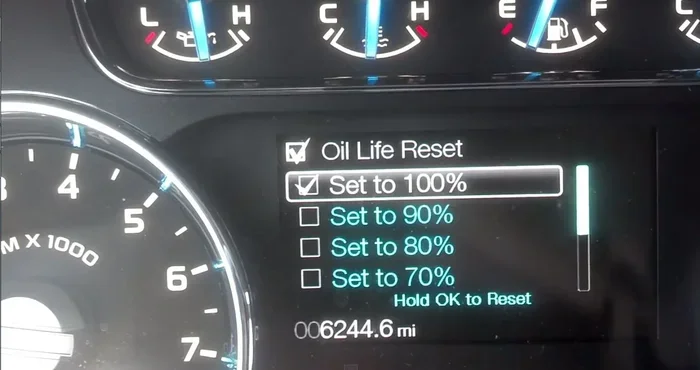
- Verifying the dashboard warning lights work properly.
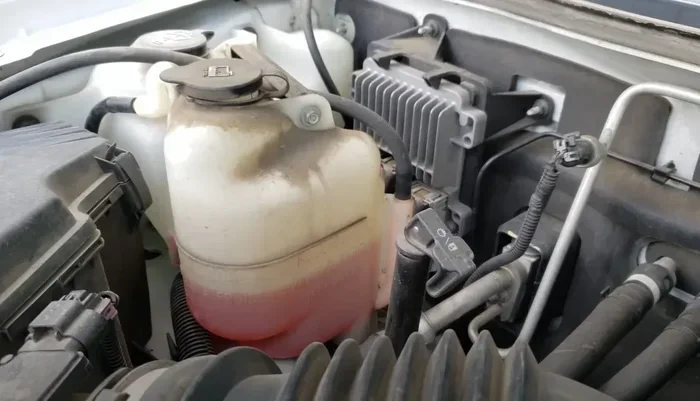
- Checking the coolant level.
Some of these checks require the engine to run. And if the mechanic needs to test something while you drive, they will ask you to sit in the car. This is especially common at full-service shops that offer a car inspection alongside the oil change.
Why You Might Sit in the Car During an Oil Change
There are several reasons your mechanic might ask you to stay in the vehicle. Understanding these reasons helps you feel more comfortable and prepared. Let us walk through the most common scenarios.
The Mechanic Needs to Test Drive the Vehicle
Sometimes, a mechanic suspects an issue that only shows up while driving. Maybe they heard a strange noise during the initial inspection. Or perhaps the oil change revealed something unusual under the car. In these cases, they may ask you to take a short drive so they can listen and feel for any problems.
This is not because they do not trust their own skills. It is because certain issues only become apparent when the car is in motion. Road noise, vibration, and handling behavior can reveal problems that a static inspection cannot catch.
Electronic Diagnostics Require the Ignition On
Modern vehicles have complex electronic systems. When a mechanic connects a diagnostic tool, they often need the ignition in the “on” position without starting the engine. In some cases, they may need you to turn the key or press the push-button start while they monitor readings on their laptop.
This is especially true for vehicles with push-button start. The mechanic may ask you to hold the button or cycle the ignition so they can access the onboard computer. Think of it like when you download an app to start your car — the system needs your input to communicate properly.
Checking Dashboard Warning Lights
Your dashboard is full of warning lights that tell you when something is wrong. During an oil change, the mechanic may want to verify that all lights function correctly. They might ask you to turn the key to the “on” position so they can see which lights illuminate. This is a quick and simple check, but it requires you to be in the driver seat.
Fluid Top-Offs That Require Engine Running
Some vehicles have power steering systems or transmissions that need the engine running to check fluid levels accurately. If the mechanic notices low fluid during the oil change, they may top it off while the engine is running. In this case, they might ask you to stay nearby in case they need you to start the engine or make adjustments.
When Mechanics Ask You to Stay in the Car
Not every oil change requires you to sit in the car. But knowing when it might happen helps you plan your time better. Here are the most common situations.
Dealership Services vs. Independent Shops
Dealerships tend to perform more thorough inspections during an oil change. They often have longer checklists and may need you in the car for multiple reasons. Independent shops, on the other hand, usually focus on the oil change itself and may not require your presence at all.
If you are unsure, it is perfectly fine to ask ahead of time. Call the shop and say, “When I come in for an oil change, will I need to sit in the car?” Most shops will give you a straight answer. This simple question can save you from waiting around unnecessarily.
First-Time Oil Changes for New Vehicles
If you just bought a new car, the first oil change can feel intimidating. Many dealerships ask new owners to stay in the vehicle during the initial service. This gives the service advisor a chance to walk you through what they did and explain any findings. It is also a great opportunity to ask questions about your maintenance schedule and get familiar with your car.
Warranty-Related Services
If your car is still under warranty, the service center may need to document everything they do. This sometimes involves you being in the car to confirm certain functions work. They may also want your signature on a service checklist. Staying in the car during these services ensures everything is properly recorded.
When Something Seems Off
If the mechanic notices something unusual during the oil change — a strange smell, a leak, or an odd sound — they will likely ask you to stay. They want to investigate further, and having you in the car allows them to test things in real time. This is actually a good sign. It means your mechanic is paying attention and taking your vehicle seriously.
The Pros and Cons of Sitting in Your Car
Like most things in car maintenance, there are advantages and disadvantages to sitting in your vehicle during an oil change. Let us look at both sides.
Pros of Sitting in the Car
- Faster service: The mechanic does not have to call you back if they need you for a quick test.
- Better communication: You can ask questions in real time and get immediate answers.
- Peace of mind: You see exactly what the mechanic is doing and hear their findings firsthand.
- No waiting: If they need you to drive, you are already ready to go.
Cons of Sitting in the Car
- Less comfortable: You are sitting in a service bay surrounded by tools and other cars.
- Exposure to fumes: Even with the shop ventilated, you may smell exhaust or chemicals.
- Less productive: You cannot leave and run errands while waiting.
- Potential for distraction: If the mechanic wants to show you something, you are stuck in the waiting area of the service bay.
Quick Tips for Sitting in the Car
If you decide to stay in the car during your oil change, keep these tips in mind:
- Bring a book or your phone to pass the time.
- Make sure the parking brake is engaged if the mechanic asks you to stay in the vehicle.
- Keep the windows slightly open for ventilation.
- Ask the mechanic to explain what they are doing at each step.
- Do not be afraid to ask questions — there are no silly questions when it comes to your car.
What to Do If You Prefer Not to Sit in the Car
Some people would rather wait outside or in the lobby. That is completely fine. Most service centers are happy to accommodate your preference. Here is how to make it work smoothly.
Communicate Your Preference Early
When you check in for your appointment, let the service advisor know that you prefer to wait outside the car. They will note it in the system and make sure the mechanic does not expect you to be in the vehicle. Clear communication from the start prevents confusion later.
Ask for a Call When Done
Many shops will call or text you when the oil change is complete. This way, you can run a quick errand or grab a coffee while you wait. It is a great way to use your time productively. Just make sure your phone is not on silent.
Know What to Expect When You Return
When you come back to pick up your car, the mechanic should walk you through what they did. They should tell you the type of oil used, the mileage, and whether they noticed anything that needs attention. If they did not mention anything, that is a good sign. A clean oil change with no issues is something to be happy about.
And if you are curious about other aspects of car care, you might want to check out whether washing your car too much can cause damage. It is a common concern among car owners who want to keep their vehicle in top shape.
Tips for a Smooth Oil Change Experience
Getting an oil change does not have to be a hassle. A little preparation goes a long way. Here are some practical tips to make the process as smooth as possible.
Before You Arrive
- Check your owner’s manual for the recommended oil type and weight.
- Know your current mileage and when your last oil change was.
- Bring your service records if you have them.
- Make a list of any concerns or questions you want to ask.
- Ensure your car is cool before arriving, especially if you just drove it.
During the Service
- Be available by phone in case the mechanic needs you.
- Ask for a quote before any extra work is done.
- Request to see the old oil and filter if you are curious.
- Do not feel pressured to approve additional services on the spot.
After the Service
- Check the oil level using the dipstick once you are home.
- Look underneath the car for any fresh leaks.
- Keep your receipt and note the mileage for your records.
- Schedule your next oil change before you leave the shop.
Regular routine maintenance like oil changes is the best way to keep your car healthy. If you ever notice issues after an oil change, such as the car cranking but not starting, you can refer to guides like car cranks but won’t start causes and solutions to troubleshoot the problem.
How Long Does an Oil Change Take
Time is valuable, and nobody wants to spend their whole day at the shop. The good news is that a standard oil change is quick. Most oil changes take between 30 and 45 minutes. If the shop is busy, it might take a little longer. But for the most part, you are in and out within an hour.
If the mechanic needs you in the car for additional checks, add about 15 to 20 minutes. And if they find something that needs immediate attention, the time will increase. That is why communication is so important. Knowing what is happening at each stage helps you plan your day better.
For comparison, here is a quick breakdown of what to expect based on the type of service:
| Service Type | Average Time | You Need to Be in the Car? |
|---|---|---|
| Basic Oil Change | 20-30 minutes | No |
| Oil Change with Multi-Point Inspection | 30-45 minutes | Sometimes |
| Full-Service Oil Change with Diagnostics | 45-60 minutes | Yes |
| Oil Change with Additional Repairs | 1-2 hours | Depends on the repair |
As you can see, most oil changes do not require you to sit in the car. But the more comprehensive the service, the more likely you will need to be present. Always ask the service advisor for a time estimate when you drop off your car. It helps you plan and reduces anxiety.
Common Mistakes People Make During Oil Changes
Even experienced car owners sometimes make mistakes when getting an oil change. Here are a few to avoid.
Not Asking Questions
Many people stay silent during an oil change and leave without understanding what was done. This is a missed opportunity. Ask the mechanic what type of oil they used, whether the filter was replaced, and if they noticed anything concerning. Your vehicle maintenance depends on your involvement.
Skipping the Multi-Point Inspection
Some shops offer a free multi-point inspection with every oil change. Do not skip it. This quick check can catch problems early before they become expensive repairs. It is one of the best values in automotive service.
Ignoring the Recommended Service Interval
Your owner’s manual tells you how often to change your oil. Ignoring this schedule can lead to engine damage. Set a reminder on your phone or use a maintenance app to keep track. Staying on top of your maintenance schedule saves money in the long run.
Choosing the Cheapest Option Every Time
While saving money is smart, the cheapest oil change is not always the best. Look for shops that use quality oil, proper filters, and experienced technicians. A good oil change protects your engine and prevents costly repairs down the road.
Key Takeaways
So, do you sit in the car during an oil change? The answer is: it depends on the type of service and what the mechanic needs to do. Here is a quick summary of what we covered:
- Most of the oil change process happens underneath the car, so you do not need to be inside.
- Sometimes the mechanic needs you in the car for electronic diagnostics, test drives, or fluid checks.
- You can always communicate your preference to the service advisor ahead of time.
- Sitting in the car has both advantages and disadvantages — choose what works best for you.
- Regular oil changes are essential for keeping your engine healthy and your car running smoothly.
The most important thing is to stay informed and involved in your car maintenance. Whether you sit in the car or wait outside, understanding the process gives you confidence and peace of mind. Your vehicle is a big investment, and every oil change is a step toward protecting it for years to come.
Next time you book an oil change, you will know exactly what to expect. You will be prepared for any situation, and you will feel more comfortable in the driver seat — even when you are just visiting the shop. Stay proactive, ask questions, and keep your car in great shape.
Want to learn more about keeping your car in top condition? Explore our other articles on free car diagnostics and car windshield stickers to stay informed about all things automotive maintenance.
Frequently Asked Questions
What is Do You Sit in the Car During an Oil Change?
Do You Sit in the Car During an Oil Change is an important topic with many practical applications and benefits.
How can Do You Sit in the Car During an Oil Change help me?
Understanding Do You Sit in the Car During an Oil Change can improve your knowledge and provide practical solutions.