Car Cranks but Wont Start Here Are the Fixes You Need
Your car cranks but won’t start, and that frustrating moment can happen to anyone. This guide walks you through the most common causes, from fuel system problems to ignition failures, and gives you clear fixes you can try today. Whether it’s a dead battery, a clogged fuel filter, or a bad starter motor, you’ll find the answers you need right here.
There’s nothing worse than turning your key or pressing the start button and hearing your engine crank… but nothing happens. Your car cranks but won’t start, and you’re left standing in the driveway wondering what went wrong. This situation can strike anyone, anytime, and it always seems to happen at the worst possible moment.
The good news is that you don’t need to be a master mechanic to figure out what’s going on. Most of the time, the reasons behind this frustrating problem are simple and fixable. Whether it’s a fuel issue, an electrical glitch, or a worn-out part, understanding the root cause puts you one step closer to getting back on the road.
In this article, we’ll break down every common reason your car cranks but won’t start. We’ll walk through fuel system problems, ignition system failures, electrical gremlins, and mechanical issues. You’ll also find quick troubleshooting steps you can do right now and clear guidance on when to call a professional. Let’s get your engine running again.
Key Takeaways
- Fuel problems are the #1 cause: A failed fuel pump, clogged fuel filter, or empty tank stops your engine from starting even though it cranks.
- Ignition system faults matter too: Worn spark plugs, bad ignition coils, and a faulty ignition switch can all prevent your engine from firing up.
- Electrical issues are sneaky: Corroded battery terminals, a weak battery, or a bad crankshaft position sensor can mimic bigger engine problems.
- Mechanical failures happen: A broken timing belt, compression loss, or engine flooding can leave you stranded and unable to start.
- You can do quick checks yourself: Checking the battery, fuel level, and spark plugs takes just minutes and saves money on tow bills.
- Know when to call a pro: If basic fixes don’t work, a professional mechanic can diagnose complex sensor and mechanical issues safely.
📑 Table of Contents
- Why Does Your Car Crank But Won’t Start?
- Fuel System Problems That Stop Your Engine
- Ignition System Failures That Prevent Starting
- Electrical and Sensor Issues to Check
- Mechanical Problems That Cause No-Start Conditions
- Quick Troubleshooting Steps You Can Do Right Now
- When to Call a Professional Mechanic
- Preventing Future No-Start Problems
- Conclusion
Why Does Your Car Crank But Won’t Start?
When you turn the key and hear the engine crank, that means your starter motor is working. The problem lies somewhere between the cranking phase and the actual combustion that fires up the engine. Your engine needs three things to run: fuel, spark, and compression. If any one of these is missing, you’ll hear that familiar cranking sound with no start.
Think of it like a recipe. You need the right ingredients in the right amounts. Too little fuel, no spark, or low compression, and the engine simply won’t fire. The good news is that diagnosing which ingredient is missing is often straightforward. Let’s dive into the most common culprits.
The Difference Between Cranking and Starting
Many people use the words “cranking” and “starting” interchangeably, but they mean different things. Cranking is when the engine turns over. Starting is when the engine actually catches and runs on its own. When your car cranks but won’t start, the starter motor is doing its job. The problem is that the engine isn’t completing the combustion cycle that keeps it running.
This distinction matters because it tells you what’s probably not wrong. Your battery likely has enough charge to turn the engine. Your starter motor is probably fine too. The issue is almost always in the fuel delivery, spark generation, or air-fuel mixture systems.
What Happens When Your Engine Cranks But Won’t Fire
When you turn the key, the battery sends power to the starter motor. The starter motor spins the crankshaft. The crankshaft pulls air into the engine through the intake system. At the same time, the fuel system should deliver gasoline or diesel to the cylinders. The ignition system then creates a spark at the exact right moment to ignite the air-fuel mixture.
If any part of this chain breaks, the engine cranks but won’t start. A fuel pump failure means no fuel reaches the cylinders. A worn spark plug means no spark ignites the mixture. A broken timing belt means the valves and pistons are out of sync. Each of these problems has its own set of symptoms, and we’ll cover them all in detail below.
Fuel System Problems That Stop Your Engine
The fuel system is responsible for delivering gasoline or diesel from the tank to the engine cylinders. When this system fails, your car cranks but won’t start because there’s simply no fuel getting to where it needs to be. Fuel system issues are among the most common reasons for a no-start condition.
Fuel Pump Failure
The fuel pump sits inside your fuel tank and pushes gasoline through the fuel lines to the engine. When the fuel pump goes bad, fuel can’t reach the engine at the right pressure. This is one of the top reasons for a car cranks but won’t start situation.
You might notice warning signs before the pump completely fails. A whining noise coming from the fuel tank area is a red flag. Your engine might sputter at high speeds or hesitate during acceleration. If the pump dies completely, you’ll hear the engine crank normally but never catch. Replacing a fuel pump is a common repair, but it does require a mechanic in most cases.
Clogged Fuel Filter
The fuel filter catches dirt and debris before they reach the engine. Over time, this filter gets clogged and restricts fuel flow. A clogged filter is like trying to drink a thick milkshake through a tiny straw. Your engine might crank and crank but never get enough fuel to start.
Fuel filters are relatively cheap and easy to replace. Most mechanics recommend changing yours every 30,000 to 40,000 miles. If you haven’t changed yours in a while, this is a great place to start troubleshooting. Check your owner’s manual for the exact replacement interval for your vehicle.
Empty Tank or Bad Fuel
This might sound obvious, but it happens more often than you’d think. An empty tank will obviously prevent your engine from starting. But did you know that bad fuel can cause the same problem? Water contamination in your fuel tank or old gasoline that has gone stale can prevent proper combustion.
If you accidentally put the wrong type of fuel in your tank, that can also lead to a no-start condition. Always double-check that you’re using the right fuel grade for your vehicle. And if you haven’t driven your car in a while, the fuel may have degraded. In that case, you might need to drain the tank and refill with fresh fuel.
Ignition System Failures That Prevent Starting
The ignition system creates the spark that ignites the air-fuel mixture inside your engine cylinders. Without a proper spark, your engine will crank but never start. Ignition system problems are another major cause of the car cranks but won’t start issue.
Worn Spark Plugs
Spark plugs are small but incredibly important. They create the electrical spark that ignites the fuel in each cylinder. Over time, spark plugs wear out. The electrode erodes, and the gap between the electrodes gets too wide. Eventually, the spark becomes too weak to ignite the fuel.
Worn spark plugs often show other symptoms before they cause a complete no-start condition. You might notice rough idling, poor fuel economy, or difficulty starting in cold weather. Replacing spark plugs is one of the easiest and cheapest maintenance tasks you can do. Most spark plugs need replacement every 30,000 to 100,000 miles depending on the type.
Faulty Ignition Coil
The ignition coil takes the battery’s low voltage and converts it into the high voltage needed to create a spark at the spark plugs. When an ignition coil fails, one or more cylinders lose their spark entirely. This is a common reason for a car cranks but won’t start condition, especially in vehicles with a coil-on-plug design.
You might notice your engine misfiring before the coil completely fails. A check engine light often appears when the coil starts to go bad. Ignition coils are relatively affordable to replace, and the job is usually straightforward for a mechanic or a handy DIYer.
Ignition Switch Problems
The ignition switch controls the flow of electricity from the battery to the engine. When this switch wears out, it can prevent the fuel pump and ignition system from receiving power. Your engine might crank weakly or not at all.
Ignition switch problems are less common than fuel or spark issues, but they do happen. You might notice the dashboard lights flickering when you turn the key. The switch can also wear out from years of daily use. Replacing an ignition switch is a moderate repair that most shops can handle quickly.
Electrical and Sensor Issues to Check
Modern vehicles rely heavily on electrical systems and sensors to run properly. When these systems malfunction, your engine won’t turn over or cranks without starting. Electrical issues are often the sneakiest because they can mimic bigger problems.
Weak Battery or Corroded Terminals
Even though your engine cranks, a weak battery might not provide enough power to run the fuel pump and ignition system properly. The battery terminals can also corrode over time, creating resistance that reduces the electrical current reaching your engine components.
Corrosion on battery terminals looks like a white or greenish crust around the battery connections. You can clean this with a baking soda and water solution and a wire brush. If your battery is more than three to five years old, it might be time for a replacement. A simple voltage test at any auto parts store can tell you if your battery is still strong.
Crankshaft Position Sensor
The crankshaft position sensor tells the engine computer where the crankshaft is located and how fast it’s spinning. This information is critical for timing the fuel injection and spark. When this sensor fails, the engine computer doesn’t know when to fire the spark plugs, and your car cranks but won’t start.
This is one of the more common sensor-related no-start conditions. The good news is that replacing the crankshaft position sensor is usually an affordable repair. A mechanic can quickly diagnose this with an OBD-II scanner that reads error codes from the engine computer.
Security System Lockout
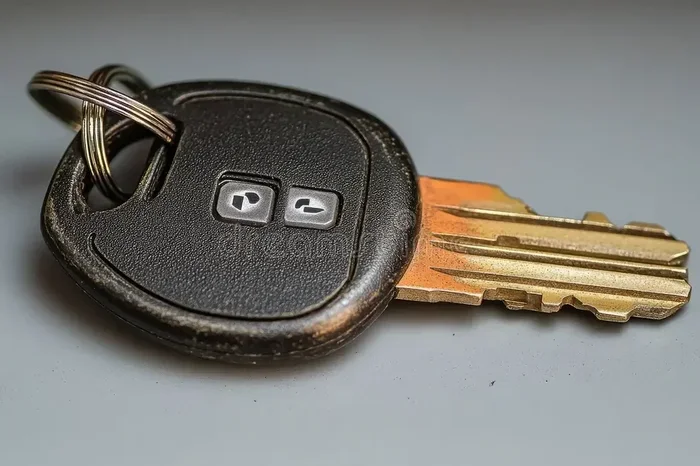
Many modern vehicles have an immobilizer system that prevents the engine from starting unless the correct key or key fob is detected. If your key fob battery dies, the system might not recognize your key, and the engine will crank but not start.
This is a surprisingly common cause of no-start problems, especially with newer vehicles. Try replacing the battery in your key fob first. If that doesn’t work, the immobilizer module itself might need to be reprogrammed. Always keep a spare key fob handy to rule out this simple issue.
Bad Starter Relay
The starter relay sends power from the battery to the starter motor. When the relay goes bad, the starter motor might not receive enough current to engage properly. Your engine might crank slowly or not at all, even though the battery itself is fine.
A bad starter relay is often confused with a bad starter motor because the symptoms are similar. The relay is a small and inexpensive part, so it’s always worth checking before replacing the more costly starter motor. A mechanic can test the relay with a multimeter to confirm whether it’s the culprit.
Mechanical Problems That Cause No-Start Conditions
Sometimes the problem isn’t electrical or fuel-related. Mechanical issues inside the engine can also prevent your vehicle from starting. These problems are usually more serious and require professional attention.
Timing Belt or Chain Issues
The timing belt or chain keeps the crankshaft and camshaft synchronized. It ensures that the valves open and close at the right time during each cylinder’s combustion cycle. If the timing belt breaks or the chain jumps, the engine won’t run properly.
In some engines, a broken timing belt causes the pistons to collide with the valves, leading to severe engine damage. This is why regular timing belt replacement is so important. Most manufacturers recommend replacing the timing belt every 60,000 to 100,000 miles. If you suspect a timing belt issue, do not keep trying to start the engine.
Compression Loss
Your engine relies on compression to ignite the fuel-air mixture. If you have compression loss due to a blown head gasket, cracked cylinder head, or worn piston rings, the engine simply can’t generate enough pressure to start.
Compression loss often comes with other symptoms like white smoke from the exhaust, overheating, or oil leaks. A compression test performed by a mechanic can confirm whether this is the issue. Repairing compression problems can range from a simple gasket replacement to a major engine rebuild, depending on the severity.
Engine Flooding
Engine flooding happens when too much fuel enters the cylinders and washes the spark plugs clean. This is especially common in older vehicles with carburetors, but it can happen in modern engines too. When the spark plugs are soaked in fuel, they can’t create a spark, and the engine won’t start.
If you suspect engine flooding, try holding the accelerator pedal to the floor and cranking the engine for 10 seconds. This opens the throttle wide and helps clear excess fuel from the cylinders. Wait a minute and try again. The engine should catch after the excess fuel evaporates. If this happens repeatedly, there’s likely an underlying fuel delivery problem that needs attention.
Quick Troubleshooting Steps You Can Do Right Now
Before you call a mechanic or panic, try these simple troubleshooting steps. Many car cranks but won’t start problems have simple solutions you can check yourself.
- Check the fuel gauge. Make sure you actually have fuel in the tank. The gauge can sometimes malfunction and give false readings.
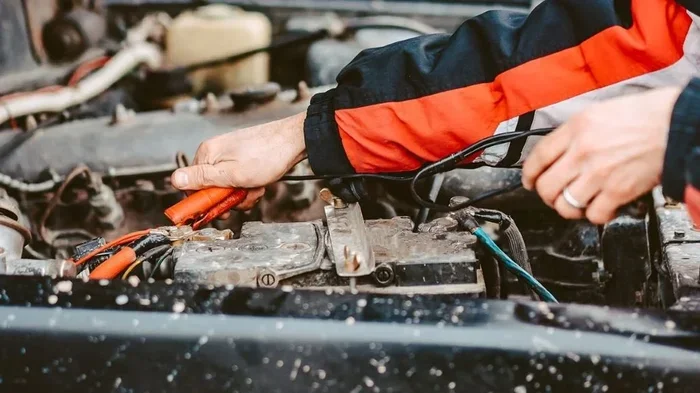
- Inspect the battery terminals. Look for corrosion or loose connections. Clean them with a wire brush if needed.
- Try the spare key. If your key fob battery is dead, the spare key might bypass the immobilizer system.
- Turn the key to the ON position without starting. Listen for the fuel pump hum. You should hear a brief whirring sound from the back of the fuel tank. No sound could indicate a fuel pump issue.
- Check for spark. Remove a spark plug, reconnect it to the ignition coil, and ground it against the engine block. Have someone turn the key. You should see a blue spark. No spark means an ignition system problem.
- Smell for fuel. If you smell strong gasoline near the engine, you might have a flooded engine. Wait a few minutes and try again.
When to Call a Professional Mechanic
While many no-start problems can be diagnosed at home, some situations require professional help. If you’ve checked the basics and your car cranks but won’t start persists, it’s time to call in the experts. Here are signs you should seek professional help right away:
- The engine cranks normally but you hear a grinding or clicking sound.
- You’ve tried basic fixes and the problem persists for more than a day.
- The check engine light is flashing, not just solid.
- You suspect internal engine damage, such as a broken timing belt.
- You notice fluid leaks under the vehicle along with the no-start condition.
- The vehicle is still under warranty and you don’t want to void it with DIY repairs.
A professional mechanic has the tools and expertise to diagnose complex issues quickly. They can run diagnostic scans, perform compression tests, and inspect fuel system pressure with specialized equipment. Trying to fix a serious mechanical problem without the right knowledge can lead to costly mistakes.
Preventing Future No-Start Problems
The best way to avoid the frustration of a car cranks but won’t start situation is through regular maintenance. A little prevention goes a long way toward keeping your engine reliable and your mornings stress-free.
Replace your spark plugs on schedule, keep your fuel filter fresh, and don’t ignore warning signs like rough idling or difficulty starting in cold weather. Have your battery tested annually, especially before winter. And always pay attention to your fuel pump’s health. A whining fuel pump noise is a warning sign you shouldn’t ignore.
Simple habits like keeping your fuel tank at least a quarter full and using quality fuel can also prevent fuel system problems. These small steps add up and help ensure your engine starts every time you turn the key.
Conclusion
A car cranks but won’t start is a frustrating experience, but it’s almost always a solvable problem. Whether the culprit is a fuel pump failure, worn spark plugs, a bad crankshaft position sensor, or a broken timing belt, understanding the root cause is the first step toward a fix. Start with the simple checks you can do yourself, and don’t hesitate to call a professional when the problem goes beyond DIY repairs.
Remember that your engine needs fuel, spark, and compression to start. When one of these three elements is missing, the engine cranks without catching. By working through the common causes we’ve covered, you’ll be well-equipped to diagnose and fix most no-start problems. Keep this guide handy, stay proactive with your maintenance, and you’ll spend less time stranded and more time on the road.
Frequently Asked Questions
Why does my car crank but won’t start even with a new battery?
A new battery rules out electrical power issues, but your car cranks but won’t start could still be caused by fuel delivery problems, a faulty ignition coil, or a bad crankshaft position sensor. The battery provides the power to crank the engine, but the engine also needs fuel and spark to actually start running.
Can bad gas cause a car to crank but not start?
Yes, bad gas can definitely prevent your engine from starting. Water contamination, old fuel that has gone stale, or the wrong fuel type can all disrupt combustion. If you suspect bad fuel, drain the tank and refill with fresh, correct-grade gasoline or diesel.
How do I know if my fuel pump is bad?
Signs of a failing fuel pump include a whining noise from the fuel tank, engine sputtering at high speeds, and difficulty starting. If you turn the key to the ON position and don’t hear the brief hum of the fuel pump, the pump may have failed completely. A fuel pressure test at a repair shop can confirm this.
Is it safe to keep trying to start my car if it cranks but won’t start?
It’s okay to try a few times, but excessive cranking can drain your battery and overheat the starter motor. If the engine doesn’t start after a few attempts, wait a few minutes before trying again. Repeated attempts without success usually indicate a deeper problem that needs diagnosis.
Can a faulty crankshaft position sensor cause a no-start condition?
Absolutely. The crankshaft position sensor tells the engine computer when to fire the spark plugs. Without this signal, the engine can crank all day but never start. This is a relatively common and affordable sensor to replace.
How much does it cost to fix a car that cranks but won’t start?
The cost varies widely depending on the cause. A clogged fuel filter might cost under $50 to replace, while a fuel pump replacement can run $400 to $600. Ignition coil repairs are usually $100 to $300, and timing belt jobs can range from $500 to $1,000 or more depending on the vehicle. Always get a diagnosis before committing to a repair.