Baleno Car Air Pressure Everything You Need to Know
Baleno car air pressure is essential for safety, fuel efficiency, and tire longevity. Knowing the right tire pressure for your Baleno helps you avoid uneven wear, poor handling, and costly repairs. This guide covers everything from recommended PSI levels to TPMS alerts and tire pressure checks.
Have you ever wondered if your Baleno car air pressure is where it should be? You are not alone. Many drivers overlook tire pressure until something goes wrong. A flat tire, poor fuel economy, or a strange vibration on the road can all point back to one simple issue: wrong air pressure.
Your Suzuki Baleno is a reliable, efficient car. But like any vehicle, it needs proper tire maintenance to perform at its best. And the foundation of good tire maintenance is getting the air pressure in tires right. This guide walks you through everything you need to know about Baleno car air pressure, from the recommended PSI to how to check it yourself and what to do when the warning light comes on.
Whether you are a new Baleno owner or have been driving one for years, this article will give you practical, actionable advice. You will learn the correct tire pressure for your model, why it matters so much, and how to keep your tires in top shape all year round. Let us dive in.
Key Takeaways
- Correct Tire Pressure Matters: Keeping the right Baleno car air pressure improves safety, fuel economy, and tire lifespan.
- Check Your Owner’s Manual: The recommended tire pressure for your Baleno is listed in the manual or on the driver’s door jamb.
- Check Tire Pressure Monthly: Regular checks help catch slow leaks and prevent underinflation or overinflation.
- TPMS Is Your Friend: The Tire Pressure Monitoring System alerts you when pressure drops below safe levels.
- Temperature Affects Pressure: Cold weather can lower tire pressure, so seasonal adjustments are important.
- Use a Quality Tire Pressure Gauge: A reliable gauge ensures accurate readings every time.
- Don’t Ignore the Tire Pressure Light: Ignoring this warning can lead to unsafe driving and expensive tire damage.
📑 Table of Contents
- What Is Baleno Car Air Pressure and Why Does It Matter?
- Recommended Tire Pressure for Suzuki Baleno
- How to Check Your Baleno Tire Pressure
- The Tire Pressure Monitoring System (TPMS) in Your Baleno
- Common Mistakes with Baleno Car Air Pressure
- Benefits of Maintaining the Right Baleno Car Air Pressure
- Expert Tips for Baleno Tire Maintenance
- Conclusion
What Is Baleno Car Air Pressure and Why Does It Matter?
Baleno car air pressure refers to the amount of air inside your tires, measured in PSI (pounds per square inch). Every vehicle has an optimal tire pressure set by the manufacturer. For the Suzuki Baleno, this number is carefully chosen to balance comfort, safety, and performance.
When your air pressure in tires is correct, several good things happen. Your car handles better on the road. You get better fuel efficiency. Your tires wear evenly and last longer. On the flip side, when pressure is off, problems start to build up fast.
Think of your tires like a balloon. If you underfill it, the balloon droops and stretches too much. If you overfill it, it becomes stiff and prone to popping. Tires work the same way. Getting the recommended tire pressure right is one of the simplest things you can do for your car.
How Tire Pressure Affects Your Daily Drive
You might not think about tire inflation every morning before you drive to work. But your tires affect nearly every part of your driving experience. Here is how Baleno car air pressure plays a role:
- Safety: Properly inflated tires grip the road better. This means shorter stopping distances and more stable handling, especially in wet conditions.
- Fuel Economy: Underinflated tires create more rolling resistance. Your engine has to work harder, which burns more fuel. Studies show that low tire pressure can reduce gas mileage by up to 3 percent.
- Tire Lifespan: Tires with incorrect pressure wear out faster on one side or the other. This means you replace them sooner, which costs you more money.
- Ride Comfort: The right air pressure in tires gives you a smooth, quiet ride. Too little air makes the ride feel sluggish. Too much air makes it feel harsh and bouncy.
Recommended Tire Pressure for Suzuki Baleno
Every Suzuki Baleno model has a specific tire pressure recommendation. This number is not a suggestion. It is the exact pressure your tires need to perform as designed. So where do you find it?
There are two easy ways to check. First, look at the sticker on the driver’s side door jamb. It shows the recommended tire pressure for both front and rear tires. Second, check your owner’s manual. It has a dedicated section on tire specifications and tire pressure guidelines.
For most Suzuki Baleno models, the standard tire pressure falls between 30 and 35 PSI. However, this can vary depending on the model year, engine type, and tire size. Always go by the number on your door jamb or manual, not a generic number you found online.
Front vs. Rear Tire Pressure
Some Baleno models require different pressure for the front and rear tires. This is common in cars where the front end carries more weight, like the engine and transmission. Here is a quick breakdown of what to expect:
- Front Tires: Usually set between 30 and 33 PSI for most Baleno variants.
- Rear Tires: Often slightly higher, around 30 to 35 PSI, depending on load capacity.
- Full Load: If you are carrying heavy cargo or passengers, the recommended pressure may increase. Check your manual for the full-load specification.
Always double-check when you switch to different tire sizes. A change in tire size can affect the ideal Baleno car air pressure setting.
How to Check Your Baleno Tire Pressure
Checking your tire pressure is one of the easiest maintenance tasks you can do. It takes just a few minutes and costs almost nothing. Here is how to do it the right way.
Step-by-Step Tire Pressure Check
- Check When Tires Are Cold: Drive less than a mile before checking, or wait at least three hours after driving. Hot tires give false high readings.
- Find the Valve Stem: Remove the cap from the valve stem on each tire.
- Press the Gauge: Place your tire pressure gauge firmly onto the valve stem. You will hear a brief hiss of air. That is normal.
- Read the Number: Look at the gauge and compare the reading to the recommended PSI for your Baleno.
- Add or Release Air: If the pressure is low, add air with a compressor or air pump. If it is too high, press the small pin inside the valve stem to release a little air.
- Replace the Cap: Put the valve cap back on to keep dirt and moisture out.
Best Tire Pressure Gauges to Use
Not all tire pressure gauges are created equal. A cheap analog gauge can give you a rough idea, but a digital gauge offers much better accuracy. Look for a gauge that is easy to read, has a comfortable grip, and holds pressure steadily while you measure.
Some gas stations have air pumps with built-in gauges. These work fine, but they are often not very accurate. Investing in your own reliable tire pressure gauge is a smart move for any Baleno owner.
The Tire Pressure Monitoring System (TPMS) in Your Baleno
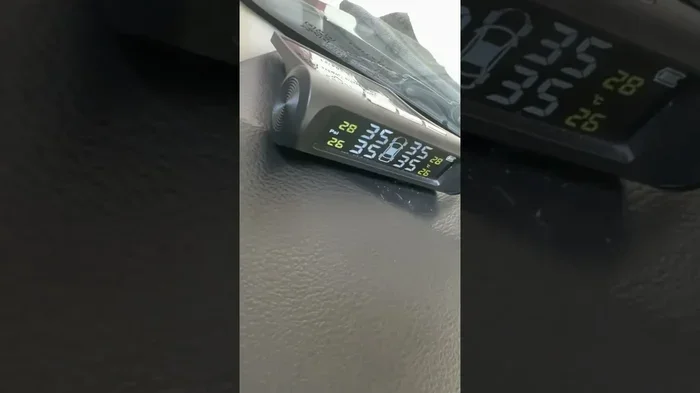
Modern Suzuki Baleno models come equipped with a Tire Pressure Monitoring System, or TPMS. This electronic system keeps an eye on the air pressure in tires and alerts you when something goes wrong.
When the tire pressure light on your dashboard turns on, it means one or more tires have fallen below the safe pressure threshold. This is not a warning you should ignore. A lit TPMS light means your tires are underinflated, which can affect handling, braking, and fuel economy.
Common TPMS Alerts and What They Mean
- Steady Yellow Light: One or more tires are significantly underinflated. Pull over safely and check the tire pressure as soon as possible.
- Flashing Yellow Light: This often indicates a problem with the TPMS sensor itself, not necessarily the tire pressure. Have it checked by a mechanic.
- Light Goes Off After Driving: Sometimes temperature changes cause temporary pressure drops. If the light turns off after a few miles, the pressure may have normalized. Still, check your tires to be safe.
If you frequently see the tire pressure light, it could point to a slow leak, a damaged valve stem, or even a problem with the tire itself. Regular tire pressure checks help you catch these issues early.
Common Mistakes with Baleno Car Air Pressure
Even experienced drivers make mistakes when it comes to tire pressure. Here are the most common errors and how to avoid them.
Mistake 1: Only Checking Tires When They Look Flat
Tires can lose pressure slowly over weeks without any visible change. A tire can be 20 percent underinflated and still look fine to the naked eye. This is why you should never rely on visual inspection alone. Use a tire pressure gauge regularly.
Mistake 2: Ignoring Temperature Changes
Air inside your tires contracts in cold weather and expands in hot weather. A drop of 10 degrees Fahrenheit can lower your tire pressure by about 1 PSI. In winter, you may need to add air more frequently. In summer, be careful not to overinflate.
Mistake 3: Forgetting the Spare Tire
Your spare tire also needs the right air pressure in tires. A spare that has been sitting in your trunk for months can slowly lose pressure. Check it at least once every few months so it is ready when you need it.
Mistake 4: Using the Wrong PSI Number
Every car is different. Do not use the tire pressure number printed on the tire sidewall. That number is the maximum pressure the tire can handle, not the recommended pressure for your Baleno. Always go by the door jamb sticker or owner’s manual.
Mistake 5: Skipping Regular Checks
Even if your TPMS light has never come on, you should still check your Baleno car air pressure at least once a month. Slow leaks happen gradually, and catching them early saves you from bigger problems down the road.
Benefits of Maintaining the Right Baleno Car Air Pressure
Now that you know how to check and maintain the correct tire pressure, let us talk about why it is so worth the effort. The benefits go far beyond just avoiding a flat tire.
Better Fuel Efficiency
Your engine works less hard when your tires are properly inflated. This directly translates to better fuel economy. Over time, maintaining the right air pressure in tires can save you a noticeable amount at the pump.
Longer Tire Life
Tires are not cheap. A set of new tires for your Baleno can cost several hundred dollars. By keeping the recommended tire pressure, you ensure even wear across all four tires. This means you get more miles out of each set and spend less on replacements.
Improved Road Safety
Properly inflated tires give you better grip, shorter braking distances, and more predictable handling. In emergency situations, these small differences can make a big impact. Road safety starts with the contact patch between your tires and the road.
Smoother Ride
Have you ever noticed how a car with low tires feels sluggish and unresponsive? Correct Baleno car air pressure gives you a firm yet comfortable ride. Your car feels more planted and stable at highway speeds.
Expert Tips for Baleno Tire Maintenance
Want to take your tire care to the next level? Here are some expert-backed tips that every Baleno owner should follow.
- Rotate Your Tires Every 5,000 to 7,500 Miles: This promotes even wear and extends the life of your tires.
- Check the Valve Stems: Old or damaged valve stems can cause slow air leaks. Replace them if they look worn or cracked.
- Keep a Tire Pressure Log: Write down your readings each month. This helps you spot trends, like a tire that slowly loses air over time.
- Invest in a Portable Air Compressor: A small 12V compressor for your trunk makes it easy to top up tire pressure anywhere, anytime.
- Inspect Tires for Damage: Look for cuts, bulges, or embedded objects like nails or screws. These can cause sudden pressure loss.
Taking a few extra minutes each month for tire maintenance pays off in a big way. Your Baleno will drive better, last longer, and keep you safer on the road.
Conclusion
Baleno car air pressure is one of those things that seems small but makes a huge difference. From safety and fuel efficiency to tire lifespan and ride comfort, getting the air pressure in tires right touches almost every part of your driving experience.
Make it a habit to check your tire pressure at least once a month. Use a reliable tire pressure gauge and always go by the recommended tire pressure for your specific Baleno model. Do not ignore the TPMS light, and never rely on visual checks alone.
Your Suzuki Baleno is built to perform. Give it the foundation it needs with properly inflated tires. A few simple steps today can save you money, keep you safe, and make every drive a better one. Start checking your Baleno car air pressure this week and feel the difference on the road.
Frequently Asked Questions
What is the recommended tire pressure for a Suzuki Baleno?
The recommended Baleno car air pressure is typically between 30 and 35 PSI. However, the exact number depends on your model year and tire size. Always check the sticker on your driver’s door jamb or your owner’s manual for the precise specification.
How often should I check my Baleno tire pressure?
You should check your tire pressure at least once a month. It is also a good idea to check before long trips. Temperature changes can affect air pressure in tires, so seasonal checks are especially helpful.
Can I drive with the tire pressure light on?
It is not safe to drive with the tire pressure light on for extended periods. Low pressure reduces handling and braking performance. Pull over safely, check your tire pressure, and add air if needed. If the light stays on, have your TPMS system inspected.
What causes slow tire pressure loss in Baleno cars?
Common causes include small punctures, worn valve stems, temperature changes, and slow leaks from the tire bead. Regular tire pressure checks help you catch slow leaks before they become bigger problems.
Does tire pressure affect fuel economy?
Yes, absolutely. Underinflated tires create more rolling resistance, which makes your engine work harder. Maintaining the correct Baleno car air pressure can improve fuel efficiency by up to 3 percent or more over time.
Should I use the tire pressure number on the tire sidewall?
No. The number on the tire sidewall is the maximum pressure the tire can handle, not the recommended pressure for your vehicle. Always use the recommended tire pressure listed on your door jamb or owner’s manual for the best performance and safety.