Everything You Should Know About Car Gas Filling Machine
A car gas filling machine is a specialized device that automates or assists with refueling vehicles efficiently and safely. These machines range from simple portable fillers to advanced automated dispensing systems used at gas stations. Understanding how they work, what types are available, and how to choose the right one helps car owners and businesses make smarter fuel decisions.
Have you ever wondered how fuel gets from a storage tank into your car so quickly and precisely? The answer lies in a car gas filling machine. These machines are the unsung heroes of the refueling world. They handle the complex task of measuring, controlling, and delivering fuel safely every single day.
Whether you are a car owner looking for a portable solution or a business owner managing a fleet, understanding car gas filling machines can save you time, money, and headaches. In this guide, we will cover everything you need to know. We will break down how they work, the different types available, and what to look for when buying one.
Fuel dispensing might seem simple on the surface. But the technology behind a modern fuel filling machine is quite sophisticated. From flow control valves to measurement sensors, these devices ensure you get the right amount of fuel without any waste or danger. Let us dive in and explore the world of automotive fuel systems.
Key Takeaways
- Car gas filling machines come in several types, including portable, automatic, and pneumatic models.
- They improve fuel efficiency, reduce spills, and save time during refueling.
- Key features to look for include flow rate, measurement accuracy, and safety certifications.
- Regular maintenance keeps your fuel filling equipment running smoothly and safely.
- Choosing the right machine depends on your vehicle type, fuel type, and usage frequency.
📑 Table of Contents
What Is a Car Gas Filling Machine?
A car gas filling machine is a device designed to transfer fuel into a vehicle’s tank. It can be as simple as a hand-operated pump or as advanced as a computerized dispensing unit. The main purpose is to deliver fuel accurately, safely, and efficiently.
These machines are used in many settings. Gas stations rely on large-scale fuel dispensing systems to serve hundreds of cars daily. But smaller versions exist for home garages, fleet depots, and even agricultural equipment. No matter the size, the core function remains the same: controlled fuel delivery.
The automotive fuel system has evolved significantly over the decades. Early fuel fillers were basic gravity-fed systems. Today’s machines use pneumatic pressure, electronic sensors, and automatic shut-off mechanisms. This evolution has made refueling faster, safer, and more precise than ever before.
Understanding the basics of a car gas filling machine helps you appreciate the engineering involved. It also helps you make better decisions when choosing equipment for personal or commercial use. Let us look at how these machines actually work.
The Core Components
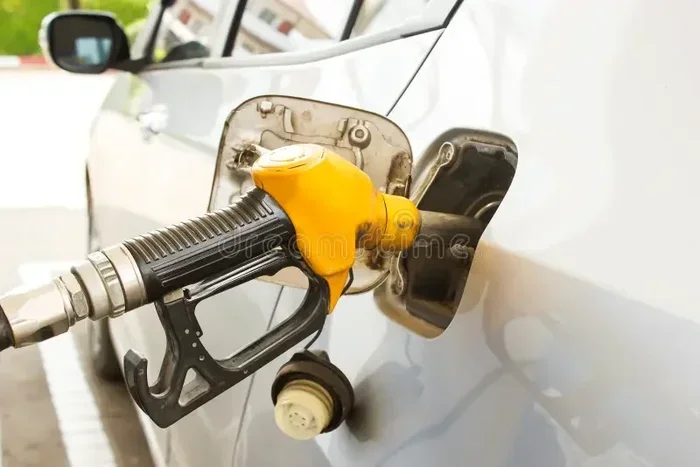
Every fuel filling machine has several key parts working together. The fuel nozzle is the part you insert into your car’s tank. It connects to a hose that runs back to the fuel source. A flow meter measures the exact amount of fuel dispensed.
The pump creates the pressure needed to move fuel through the system. In older machines, this might be a manual hand pump. Modern gas station equipment uses electric or pneumatic pumps for faster delivery. A control unit manages the entire process, including the automatic shut-off when the tank is full.
Safety features are also critical. Modern machines include overflow prevention, flame arrestors, and grounding mechanisms. These components work together to prevent accidents and ensure safe vehicle refueling every time.
How Does a Car Gas Filling Machine Work?
The operation of a car gas filling machine follows a straightforward process. Fuel stored in a tank or underground reservoir gets pushed through a hose. The pump generates pressure, which forces the fuel toward the vehicle’s intake. The nozzle controls the flow and signals when to stop.
Here is a simple breakdown of the process:
- The operator connects the nozzle to the vehicle’s fuel inlet.
- The pump activates and pushes fuel through the hose.
- The flow meter tracks the volume of fuel dispensed.
- When the tank reaches capacity, the nozzle automatically shuts off.
- The operator removes the nozzle and completes the transaction.
Modern fuel dispensing technology has made this process nearly instantaneous. Advanced sensors detect the tank level in real time. This prevents overfilling, which can cause spills, waste, and even dangerous situations. The entire fuel tank filling process typically takes just a few minutes.
Pneumatic vs. Mechanical Systems
There are two main types of systems used in car gas filling machines. Pneumatic systems use compressed air to push fuel through the hose. These are common in commercial settings where speed matters. Mechanical systems rely on manual or electric pumps and are often found in smaller, portable units.
Pneumatic fuel filling systems offer higher flow rates. They can fill a large vehicle tank in under three minutes. Mechanical systems are slower but more portable and affordable. Your choice depends on your specific needs and budget.
Types of Car Gas Filling Machines
Not all car gas filling machines are the same. Different types serve different purposes. Let us explore the most common categories available on the market today.
Portable Fuel Fillers
Portable fuel filler machines are compact and easy to move. They are perfect for home garages, small workshops, or remote locations. These units typically run on 12-volt power and can fill a standard car tank in about five to ten minutes.
Many portable models include built-in measurement displays. This allows you to track exactly how much fuel you are adding. They are also great for topping off tanks without visiting a gas station. Fleet managers often use portable units for vehicles parked far from fuel stations.
Automatic Dispensing Units
Automatic fuel pump machines are the standard at commercial gas stations. They feature full automation, from fuel delivery to payment processing. These units handle multiple fuel types and can serve both cars and trucks.
The automatic fuel filling capability reduces human error. It also speeds up the refueling process significantly. Large stations may have multiple dispensing units running simultaneously to handle high traffic volumes.
Industrial and Fleet Fueling Systems
For businesses managing multiple vehicles, industrial fuel dispensing systems offer a centralized solution. These large-scale machines can fill dozens of vehicles from a single pump. They often include software for tracking fuel usage across an entire fleet.
Fleet managers rely on these systems for accurate fuel measurement and control. The data helps identify inefficiencies and reduce waste. Over time, a quality industrial system pays for itself through fuel savings.
Benefits of Using a Car Gas Filling Machine
Using a dedicated car gas filling machine offers many advantages. Whether you are a casual driver or a fleet operator, the benefits are clear and significant.
Speed and Convenience
The most obvious benefit is speed. A fuel pump mechanism can fill a tank in minutes. Compare this to the old days of pouring fuel by hand. Modern machines make the entire process quick and effortless. You spend less time refueling and more time on the road.
Accuracy and Measurement
Accuracy matters when it comes to fuel. A quality car gas filling machine measures fuel to the milliliter. This means no guesswork and no overpaying. Electronic sensors ensure every drop counts. For businesses, this accuracy translates directly into cost savings.
Safety Features
Safety is a top priority in any automotive fuel system. Modern machines include multiple safety mechanisms. Automatic shut-off prevents overfilling. Flame arrestors stop fires from starting. Grounding systems eliminate static electricity risks. These features make refueling safer for everyone involved.
Reduced Spills and Waste
Fuel spills are not just messy. They are also wasteful and harmful to the environment. A well-designed fuel filling machine minimizes spills through precise control. The automatic nozzle shut-off is the key feature here. It stops fuel flow the moment the tank is full.
Less waste means lower fuel costs over time. It also means fewer environmental hazards. Many modern machines are designed with eco-friendly fuel flow control systems that reduce emissions during the refueling process.
Key Features to Look For When Buying
Choosing the right car gas filling machine requires knowing what features matter most. Not all machines are created equal. Here are the essential features to consider before making a purchase.
Flow Rate
The flow rate determines how fast fuel moves from the machine to your vehicle. Higher flow rates mean faster filling times. For personal use, a flow rate of 15 to 20 gallons per minute is usually sufficient. Commercial operations may need rates of 30 gallons per minute or more.
When comparing fuel pump machines, check the flow rate specifications carefully. A machine with a low flow rate will frustrate users and waste time. Match the flow rate to your specific needs for the best experience.
Measurement Accuracy
Accuracy is non-negotiable in any fuel dispensing system. Look for machines with certified measurement systems. These ensure you pay for exactly what you receive. Digital displays make it easy to read exact fuel amounts in real time.
For commercial use, accuracy certifications are often required by law. Make sure any machine you purchase meets local regulatory standards. This protects your business from legal issues and builds customer trust.
Compatibility with Fuel Types
Different vehicles use different fuels. Some car gas filling machines handle only gasoline. Others support diesel, ethanol blends, or even alternative fuels. Check the compatibility before purchasing.
If you manage a fleet with mixed vehicles, choose a machine that handles multiple fuel types. This versatility saves money and simplifies your fueling operations. Always verify the fuel type your machine supports.
Build Quality and Durability
A fuel filling machine is an investment. You want one that lasts. Look for machines made from high-quality materials like stainless steel and reinforced polymers. These materials resist corrosion and wear, extending the machine’s lifespan significantly.
Check warranty terms before buying. A strong warranty signals manufacturer confidence in their product. Durable machines also require fewer repairs, saving you money in the long run.
Maintenance and Care Tips
Proper maintenance keeps your car gas filling machine running at peak performance. Like any mechanical equipment, these machines need regular care. Neglecting maintenance leads to poor performance, inaccurate measurements, and potential safety hazards.
Regular Cleaning
Keep the nozzle, hose, and exterior clean at all times. Fuel residue can build up and cause blockages. Use a soft cloth and mild cleaning solution to wipe down surfaces. Avoid harsh chemicals that might damage plastic or rubber components.
Clean the fuel filter regularly. A clogged filter reduces flow rate and affects accuracy. Most manufacturers recommend checking the filter every one to three months depending on usage frequency.
Inspection Schedule
Create a regular inspection schedule for your fuel dispensing equipment. Check for leaks, cracks, or worn parts during each inspection. Pay special attention to hoses and connections. Any signs of wear should be addressed immediately.
Calibration is also essential. Over time, measurement sensors can drift out of accuracy. Have your machine calibrated at least once a year. This ensures your fuel measurement system remains precise and reliable.
Storage and Handling
If you use a portable fuel filler machine, proper storage matters. Keep it in a cool, dry place away from direct sunlight. Extreme temperatures can damage internal components and reduce accuracy. Always follow the manufacturer’s storage guidelines.
When transporting a portable unit, secure it properly. Vibrations during travel can loosen connections and cause damage. A well-stored machine lasts longer and performs better.
Common Mistakes to Avoid
Even with the best car gas filling machine, mistakes can happen. Being aware of common errors helps you avoid them. Here are the pitfalls to watch out for.
- Overfilling the tank: Always stop when the automatic nozzle shuts off. Forcing more fuel in causes spills and waste.
- Ignoring maintenance schedules: Skipping regular cleaning and inspections leads to poor performance and potential safety risks.
- Using the wrong fuel type: Always verify the fuel type your machine supports before connecting it to a vehicle.
- Skipping calibration: An uncalibrated machine delivers inaccurate fuel amounts, costing you money over time.
- Buying cheap, uncertified equipment: Low-cost machines often lack safety features and accuracy certifications. Invest in quality equipment.
Expert Insights
Industry professionals emphasize the importance of choosing the right fuel filling machine for your specific use case. According to automotive equipment experts, the biggest mistake buyers make is focusing only on price. A cheaper machine might save money upfront but cost more in repairs, inaccurate measurements, and safety issues down the road.
Experts also recommend considering future needs. If you plan to expand your fleet or add more vehicles, choose a scalable fuel dispensing system. This avoids the need for a complete replacement later. Investing in quality equipment today saves significant costs in the long term.
Regular training for operators is another key insight. Even the best automotive fuel system requires proper handling. Ensure anyone using the machine understands its features, safety protocols, and maintenance requirements. Well-trained operators get the best performance from their equipment.
Conclusion
The car gas filling machine is an essential piece of equipment for anyone involved in vehicle fueling. From portable fillers for personal use to advanced automatic dispensing systems for commercial operations, these machines make refueling faster, safer, and more accurate. Understanding how they work, what types are available, and how to maintain them empowers you to make informed decisions.
Whether you are a car owner, a fleet manager, or a business operator, investing in the right fuel pump machine pays dividends. You get better fuel efficiency, fewer spills, and greater convenience every time you refuel. Take the time to evaluate your options, choose quality equipment, and maintain it properly. Your car gas filling machine will serve you well for years to come.
The world of automotive fuel systems continues to evolve with new technologies and smarter designs. Staying informed about the latest developments helps you choose the best equipment for your needs. Start exploring your options today and experience the difference a quality fuel filling solution can make.
Frequently Asked Questions
How long does a car gas filling machine last?
A well-maintained car gas filling machine can last between 10 and 20 years. Regular cleaning, calibration, and timely part replacements significantly extend the lifespan. Industrial-grade machines tend to outlast portable models due to their heavier build quality.
Can I use a car gas filling machine at home?
Yes, portable fuel filler machines are designed for home use. They connect to standard fuel containers and your vehicle’s tank. Always follow safety guidelines and ensure proper ventilation when fueling indoors or in enclosed spaces.
Are car gas filling machines safe?
Modern car gas filling machines include multiple safety features like automatic shut-off, flame arrestors, and grounding systems. When used correctly and maintained regularly, they are very safe. Always purchase certified equipment and follow the manufacturer’s operating instructions.
What is the average cost of a car gas filling machine?
Portable models range from $200 to $800, while commercial automatic units can cost $2,000 to $10,000 or more. The price depends on features, flow rate, build quality, and brand. Investing in a reliable machine saves money on repairs and fuel waste over time.
Do I need special training to operate a car gas filling machine?
Basic operation is straightforward and does not require formal training. However, commercial fuel dispensing systems benefit from operator training for safety and efficiency. Understanding flow controls, measurement displays, and emergency shut-off procedures is recommended for all users.
Can a car gas filling machine handle diesel fuel?
Some models handle both gasoline and diesel, while others are fuel-specific. Always check the manufacturer’s specifications before purchasing. Using the wrong machine for your fuel type can cause damage and inaccurate measurements.
=== SEO Title ===
Car Gas Filling Machine: Everything You Need to Know
=== META TITLE ===
Car Gas Filling Machine – Guide, Benefits & Buying Tips
=== URL SLUG ===
car-gas-filling-machine-guide