How Do I Reset My Window System and Fix Common Issues
Resetting your window system is a simple fix for most power window problems. Whether your window is stuck, slow, or unresponsive, a reset often solves the issue in minutes. This guide covers every reset method, common problems, and prevention tips to keep your car windows working smoothly.
Have you ever pressed your power window button and nothing happened? Or maybe your window gets stuck halfway and refuses to move either direction. It is a frustrating experience, especially when you are in a hurry or dealing with bad weather.
The good news is that resetting your window system fixes most of these problems. You do not need to be a mechanic or spend hundreds of dollars at a shop. In most cases, a simple reset takes just a few minutes and solves the issue completely.
This guide walks you through every method to reset your car window system. We also cover common problems, troubleshooting tips, and ways to prevent issues from coming back. Whether you drive a sedan, SUV, or truck, these steps apply to almost any vehicle with power windows.
Key Takeaways
- Quick Reset Works Most Times: A simple ignition cycle fixes the majority of window system glitches.
- Battery Disconnect Resets Everything: Disconnecting the battery clears all electronic faults in the window control system.
- Each Window Has Its Own Reset: You must reset each window individually using the full up-and-down cycle.
- Regular Maintenance Prevents Problems: Cleaning tracks and lubricating moving parts keeps your window system running well.
- Know When to Call a Pro: Grinding noises or complete failure may signal a deeper issue beyond a simple reset.
- Seasonal Changes Affect Windows: Cold weather can cause temporary window sluggishness that often resolves after a reset.
📑 Table of Contents
- What Is a Car Window System and Why Does It Need Resetting?
- How to Reset Your Window System (Step-by-Step)
- Troubleshooting Common Window System Problems
- When to Seek Professional Help
- Preventing Window System Problems
- Window System Reset Comparison
- Expert Insights on Window System Maintenance
- Common Mistakes People Make When Resetting Windows
- Conclusion
What Is a Car Window System and Why Does It Need Resetting?
Your car window system is more than just a button and a motor. It is a network of electrical components working together to raise and lower your windows smoothly. Understanding how the system works helps you understand why resets are sometimes necessary.
How Power Windows Work
Each power window has several key parts. The window motor provides the power to move the glass. The regulator mechanism guides the window up and down along its track. A switch on your door panel sends the electrical signal to tell the motor what to do. Wiring connects everything together, and a control module manages the overall system.
When you press the button, the switch sends a signal. The control module receives it. The motor activates. The window moves. It sounds simple, and mostly it is. But electronics can get confused. Sensors can misfire. Connections can loosen. When this happens, your window system needs a reset to get back on track.
Common Signs Your Window System Needs a Reset
Not sure if your window needs a reset? Look for these telltale signs. Your window does not respond when you press the button. The window moves slowly or stops midway. The window goes up but will not come down, or vice versa. You hear a clicking sound but the window does not move. The auto-up or auto-down feature stops working even though the window still moves manually.
These symptoms often point to a temporary electronic glitch. A reset clears the error and restores normal function. Think of it like restarting your phone when it freezes. The hardware is fine, but the system just needs to reboot.
How to Reset Your Window System (Step-by-Step)
There are three main methods to reset your window system. Each one works for different situations. Start with Method 1 and move to the next only if the first does not work.
Method 1: The Ignition Reset Technique
This is the easiest and most common reset method. It works for most minor glitches and takes less than two minutes.
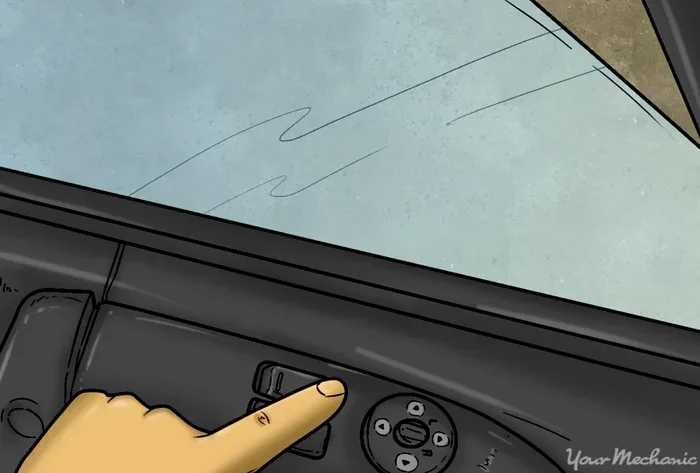
- Turn the ignition to the “On” or “Accessory” position. Do not start the engine.
- Press and hold the window switch down all the way.
- Keep holding the switch for about three to five seconds after the window reaches the bottom.
- Release the switch.
- Now press and hold the switch up to close the window.
- Hold the switch for three to five seconds after the window is fully closed.
- Release the switch and test the window.
This method tells the control module to relearn the window’s full travel range. It resets the limits so the system knows exactly where the window is at all times.
Method 2: The Battery Disconnect Method
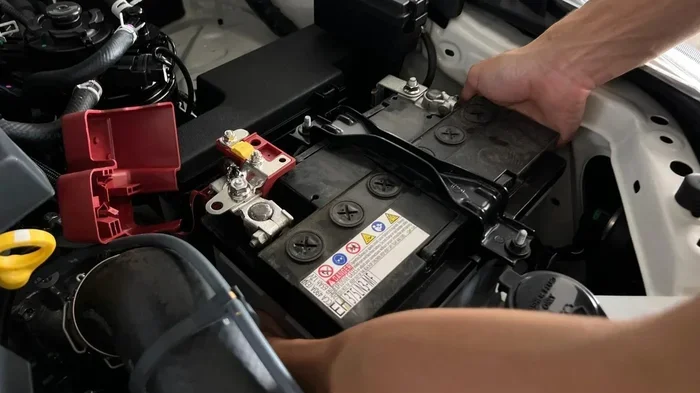
If the ignition reset does not work, try disconnecting the battery. This clears all stored error codes and resets every electronic system in your car, including the window control module.
- Turn off the engine and remove the key from the ignition.
- Open the hood and locate the battery.
- Using a wrench, disconnect the negative (black) cable first.
- Wait at least fifteen minutes. This gives the systems time to fully power down.
- Reconnect the negative cable and tighten it securely.
- Turn the ignition to “On” and test your windows.
This method is especially helpful if multiple car systems are acting up. It gives everything a fresh start. Just keep in mind that you may need to reset your radio presets and clock after reconnecting the battery.
Some drivers also ask about changing their ECU themselves when dealing with electronic issues. While a full ECU change is different from a window reset, both involve resetting your car’s electronic control systems.
Method 3: The Individual Switch Reset Procedure
Sometimes only one window needs resetting. This method targets a single window without affecting the others.
- Close all other windows in the car.
- Press and hold the switch for the problem window down.
- Hold it for five seconds after the window reaches the bottom.
- Release the switch and wait ten seconds.
- Press and hold the switch up.
- Hold it for five seconds after the window is fully closed.
- Release and test the window.
This method is great for when only one window is misbehaving. It recalibrates that specific window’s travel limits without needing to reset the whole system.
Troubleshooting Common Window System Problems
A reset fixes most window issues. But sometimes the problem runs deeper. Here are the most common window problems and what to do about each one.
Window Stuck Halfway Down
A window stuck halfway is usually caused by a misaligned track or a dirty guide channel. Dirt, debris, and dried lubricant build up over time. This creates friction that stops the window mid-travel.
Start by cleaning the window track with a soft cloth and mild cleaner. Remove any visible debris. Then apply a silicone-based lubricant to the guide channels. Try the reset procedure again after cleaning. If the window still sticks, the regulator may need inspection.
Window Won’t Go Up
A window that goes down but not up is often a switch issue. The down switch and up switch use different circuits. If the down circuit works but the up circuit does not, the problem is likely in the switch or wiring.
Try this quick fix first. Hold the window switch in the up position for ten full seconds. Then release and try again. If this does not work, the switch itself may need replacement. Window switches wear out over time from repeated use.
In some cases, the window motor is still good but the regulator gear has stripped. This prevents the window from moving in either direction. You would need a mechanic to inspect and replace the regulator.
Window Makes Grinding or Screeching Noise
Noise is your window system telling you something is wrong. A grinding sound usually means the window is off-track or the motor is straining. A screeching sound often points to a dry or damaged seal.
First, check if the window is properly seated in the track. Open and close it manually by hand if possible. Look for any visible obstructions. Apply lubricant to all moving parts. If the noise continues, stop using the window and have it inspected. Running a damaged window system can cause more expensive damage.
Window Moves Slowly
Slow-moving windows are annoying but usually easy to fix. The most common cause is a weak motor or a dirty track. Clean the track and lubricate the channels first. If the window still moves slowly, the motor may be wearing out.
Cold weather can also make windows move slowly. The lubricant thickens in low temperatures. Once the car warms up, the window should move normally again. If it does not, a reset may help recalibrate the system.
When to Seek Professional Help
Most window problems respond well to a reset or basic troubleshooting. But some issues need a trained technician. Knowing when to seek help saves you time and prevents further damage.
Window Regulator Issues
The window regulator is the mechanical system that moves the glass up and down. If you hear clicking but the window does not move, the regulator may be broken. If the window drops suddenly and will not stay up, the regulator cable or gear has likely failed.
Regulator replacement is a common repair. Most mechanics can do it in one to two hours. The cost varies by vehicle but typically ranges from $200 to $450 including parts and labor.
Control Module Problems
The window control module is the brain of your window system. If the module fails, multiple windows may stop working at once. You might see warning lights on your dashboard or experience intermittent window failures.
Module problems are more complex than a simple reset. A technician can scan the module for error codes and determine if it needs reprogramming or replacement. In some cases, a software update fixes the issue without replacing the part.
For broader car system issues, some drivers explore options like switching drive modes while driving or other electronic adjustments. These are separate systems but share the same electronic foundation as your window controls.
Preventing Window System Problems
Prevention is always easier than repair. A few simple habits keep your window system working reliably for years.
Regular Maintenance Tips
- Clean your window tracks monthly. Use a soft cloth and mild cleaner to remove dirt and debris.
- Lubricate moving parts every three months. A silicone-based lubricant works best for window tracks and seals.
- Check your window seals regularly. Cracked or dried seals let water into the door, which damages the motor and regulator.
- Use your windows often. Running the windows regularly keeps the mechanical parts in good condition.
- Avoid forcing stuck windows. If a window resists, stop and investigate. Forcing it can damage the motor or regulator.
Seasonal Care for Power Windows
Weather changes put extra stress on your window system. Here is how to protect your windows through every season.
- Winter: Cold temperatures thicken lubricant and can freeze tracks. Use a winter-grade lubricant and avoid washing your car when temperatures are near freezing.
- Spring: Spring rain brings moisture into door panels. Check your window seals for leaks and replace them if needed.
- Summer: Heat expands rubber seals and can cause windows to stick. Keep your car shaded when possible to reduce interior temperatures.
- Fall: Fallen leaves and debris can clog window tracks. Clean your tracks thoroughly as the seasons change.
Taking care of your window system year-round means fewer resets and fewer repairs. A little maintenance goes a long way toward keeping your windows operating smoothly.
Window System Reset Comparison
Not sure which reset method to try first? Here is a quick comparison of the three methods.
| Method | Difficulty | Time Required | Best For | Tools Needed |
|---|---|---|---|---|
| Ignition Reset | Easy | 2-3 minutes | Minor glitches, slow response | None |
| Battery Disconnect | Moderate | 20-30 minutes | Multiple system errors, persistent issues | Wrench |
| Individual Switch Reset | Easy | 3-5 minutes | Single window problems | None |
Start with the easiest method and work your way up. Most window issues resolve with the ignition reset alone. The battery disconnect is your backup plan for stubborn problems.
Many drivers also deal with other car system questions. For example, some wonder if they can change the sound system in their car without affecting other electronics. The good news is that car audio and window systems operate on separate circuits, so one does not interfere with the other.
Expert Insights on Window System Maintenance
We spoke with automotive technicians about the most common window system mistakes they see. Here is what the experts want you to know.
Do not ignore a window that moves slowly. A slow window usually means the motor is working harder than it should. Over time, this extra strain wears out the motor prematurely. Address slow movement early with cleaning and lubrication.
Never use power washers near your window seals. The high-pressure water forces its way into the door panel and damages the window motor and wiring. Stick to gentle hand washing around your door seals.
Reset your windows after a battery replacement. When you install a new car battery, the electronic systems lose their stored settings. This includes your window travel limits. A quick reset after a battery change prevents window problems from starting.
Listen to your windows. Unusual sounds are early warning signs. A slight squeak today can become a broken regulator next month. Catching small problems early saves you from expensive repairs later.
Common Mistakes People Make When Resetting Windows
Even with the best instructions, people make mistakes. Here are the most common errors and how to avoid them.
- Not holding the switch long enough. The reset requires holding the switch for several seconds after the window reaches full travel. Rushing this step is the number one reason resets fail.
- Resetting only once. If the first reset does not work, try it again. Sometimes two or three attempts are needed for the system to fully recalibrate.
- Ignoring the root cause. A reset fixes the symptom but not the underlying problem. If your window keeps needing resets, investigate further for dirt, damage, or wear.
- Using the wrong lubricant. WD-40 and similar products are not ideal for window tracks. They attract dirt and can damage rubber seals. Use a dedicated silicone lubricant instead.
- Forcing a stuck window. If your window will not move, do not keep pressing the switch. This can burn out the motor or strip the regulator gears.
Avoiding these mistakes makes the reset process more effective and keeps your window system healthy for the long term.
Conclusion
Resetting your window system is one of the simplest and most effective car maintenance tasks you can do. It takes just a few minutes, requires no special tools, and fixes most common window problems. Whether you use the ignition reset, the battery disconnect method, or the individual switch procedure, you have the power to solve the issue yourself.
Remember to clean your tracks, lubricate your moving parts, and listen for unusual sounds. These simple habits prevent most window problems before they start. And when a reset does not fix the issue, do not hesitate to seek professional help. A trained technician can diagnose deeper problems like regulator or module failures.
Your car window system works hard every day. A little attention goes a long way toward keeping it running smoothly. Try these reset methods today and enjoy trouble-free windows for miles to come.
Frequently Asked Questions
How long does a window system reset take?
Most window resets take between two and five minutes per window. The battery disconnect method takes longer, around fifteen to twenty minutes, because you need to wait for the systems to fully power down. The ignition reset is the fastest option and works for most minor issues.
Why does my window reset keep failing?
If your window reset keeps failing, the problem may be deeper than a simple glitch. Dirty window tracks, worn regulator gears, or a failing motor can all prevent a successful reset. Clean and lubricate your tracks first, then try the reset again. If it still fails, have a technician inspect the mechanical components.
Do I need to reset all windows after a battery change?
Yes, you should reset all windows after replacing your car battery. A new battery clears all stored settings, including the window travel limits. Each window needs its own full reset cycle to relearn its range of motion. This is a quick process and prevents future window problems.
Can cold weather affect my window system?
Cold weather can temporarily affect your window system. Lubricant thickens in low temperatures, making windows move slowly or resist. Once the car warms up, normal operation usually returns. If the problem persists after warming up, you may need to clean the tracks and apply a cold-weather-rated lubricant.
Is it safe to drive with a broken window?
Driving with a broken window is generally safe if the window is fully closed and locked. However, if the window is stuck open or partially down, it can let in wind, rain, and debris. Have the window repaired as soon as possible. In the meantime, avoid driving in bad weather if you can.
How much does it cost to fix a window system problem?
Costs vary widely depending on the problem. A simple reset costs nothing. Cleaning and lubricating your tracks costs under $10 in supplies. Replacing a window switch runs $50 to $150. Regulator replacement typically costs $200 to $450. Motor replacement can range from $250 to $500. Always get a quote from a trusted mechanic before proceeding with repairs.