Car Ac Control Panel Repair Upgrade And Maintenance Tips
Your car ac control panel is the brain behind every cool breeze on a hot day. This guide covers everything you need to know about car ac control panel repair, upgrade, and maintenance. You will learn how to spot common problems, save money on fixes, and keep your climate control system running smoothly for years to come.
There is nothing worse than stepping into a hot car on a summer morning and cranking the air conditioning only to get warm air blowing back at you. The culprit is often the car ac control panel. This small but mighty piece of hardware sits on your dashboard and controls everything from fan speed to temperature output. When it fails, your entire comfort system goes down with it.
Whether you are dealing with a broken knob, flickering display, or a completely dead panel, this guide has you covered. We will walk you through how your car ac control panel works, the most common problems you will face, step-by-step repair options, upgrade ideas, and simple maintenance habits that keep things running. By the end, you will feel confident tackling the issue yourself or knowing exactly what to ask your mechanic.
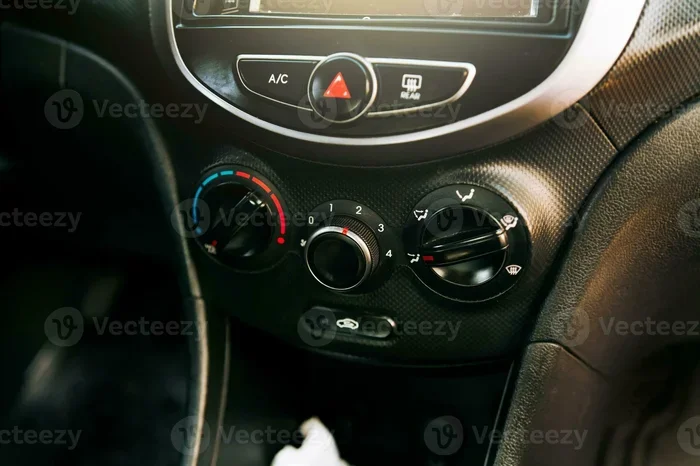
The car ac control panel is more than just a cluster of buttons. It is the command center for your entire air conditioning system. It sends electrical signals to the compressor, blower motor, blend doors, and pressure switches. Without a working panel, none of these parts know what to do. That is why understanding this component matters so much for every car owner.
Key Takeaways
- Know your panel: Understanding how your car ac control panel works helps you catch problems early.
- Repair saves money: Many common issues like blown fuses or faulty blend doors are easy and cheap to fix.
- Upgrades add comfort: Swapping to a digital or automatic climate control unit boosts comfort and resale value.
- Maintenance is simple: Regular cleaning, filter changes, and inspections prevent most major breakdowns.
- Watch for warning signs: Strange noises, weak airflow, or inconsistent temperatures mean it is time to investigate.
- DIY is doable: Many repair and upgrade tasks can be done at home with basic tools.
- Know when to call a pro: Complex electrical or refrigerant issues need a certified technician.
📑 Table of Contents
Understanding Your Car Ac Control Panel
Before you can fix or upgrade anything, you need to understand what you are working with. The car ac control panel varies from vehicle to vehicle, but the basic function stays the same. It is the interface between you and your car ac system. When you turn a dial or press a button, the panel sends a signal through the ac control module to make something happen.
How the Car Ac Control Panel Works
Most car ac control panels use a simple process. You set your desired temperature and fan speed. The panel reads your input and sends a voltage signal to the ac control module. That module then activates the compressor, opens or closes blend doors, and adjusts the blower motor speed. It is a closed loop system that keeps your cabin at the temperature you chose.
Older vehicles use mechanical cables connected to the panel. Newer cars rely on electronic controls and digital signals. Both types serve the same purpose but use different methods. Understanding which type your vehicle has makes troubleshooting much easier.
Key Components Connected to the Panel
Your car ac control panel does not work alone. It connects to several important parts of the ac system:
- Ac compressor: This is the heart of the system. It pressurizes refrigerant and cycles it through the system.
- Blower motor: This pushes air through the vents at the speed you select on the panel.
- Blend door actuator: This controls how much hot or cold air mixes before it reaches your cabin.
- Ac pressure switch: This monitors refrigerant levels and protects the compressor from damage.
- Ac control module: This is the brain that processes signals from the panel and tells other parts what to do.
- Cabin air filter: This cleans the air before it enters the cabin and affects overall airflow.
When any of these parts fail, the car ac control panel may show symptoms even though the panel itself is fine. This is an important distinction to keep in mind during troubleshooting.
Common Car Ac Control Panel Problems
Car ac control panels are built to last, but they are not immune to wear and tear. Electrical connections corrode, buttons wear out, and displays fail over time. Here are the most common problems drivers face with their ac control panel.
Unresponsive Buttons or Knobs
This is the most frequent complaint. You press a button and nothing happens. Or the knob feels loose and does not click into position. Often, this is caused by worn-out contact points behind the buttons. Dirt and dust build up over time and interfere with the electrical connection. In some cases, the wiring harness connecting the panel to the ac control module becomes loose or corroded.
Flickering or Dead Display
Modern vehicles often feature digital displays on the car ac control panel. When the display starts flickering or goes completely dark, it is usually an electrical issue. A blown fuse, a bad ground connection, or a failing display module could be the cause. Sometimes the problem is as simple as a loose connector behind the panel.
Inconsistent Temperature Control
If your car ac blows cold air sometimes and warm air other times, the ac control panel might be sending incorrect signals. A faulty temperature sensor or a failing blend door actuator can mimic panel problems. However, the panel itself could also have internal circuitry issues that send wrong voltage readings to the system.
Fan Speed Problems
The blower motor should respond to the fan speed setting on your car ac control panel. If the fan only works on one speed or does not work at all, the issue could be the panel, the blower motor resistor, or the wiring between them. Testing each component helps you narrow down the exact cause.
Strange Noises From the Panel Area
Clicking, buzzing, or rattling sounds coming from behind the dashboard often point to a failing ac control panel. Loose internal components or a bad relay inside the panel housing can cause these noises. Do not ignore them, because they often get worse over time.
Step-by-Step Car Ac Control Panel Repair
Repairing your car ac control panel does not always require a trip to the mechanic. Many common issues are simple enough to handle at home. Here is a step-by-step guide to diagnosing and fixing the most frequent problems.
Step 1: Check the Fuses
Start with the simplest fix first. Locate your car ac fuse box, which is usually under the dashboard on the driver side or in the engine bay. Look for the fuse labeled ac, climate control, or blower. Use a fuse tester or visual inspection to check if the fuse is blown. Replace it with a new fuse of the same amperage. This single step solves a surprising number of car ac control panel issues.
Step 2: Inspect the Wiring Connections
Remove the ac control panel trim piece carefully. Behind the panel, you will find the wiring harness connector. Unplug it and inspect the pins for corrosion, bent pins, or loose connections. Clean any corrosion with electrical contact cleaner. Reconnect firmly and test the panel. This fix costs nothing and takes about ten minutes.
Step 3: Test the Panel with a Multimeter
If the fuses and wiring look fine, use a multimeter to test the voltage output from the panel. Set your multimeter to DC voltage and probe the wires behind the panel while pressing different buttons. You should see consistent voltage readings matching the manufacturer specifications. If the readings are erratic or zero, the panel has an internal fault and needs replacement or repair.
Step 4: Replace Faulty Components
Sometimes the problem is not the panel itself but a component it controls. For example, a bad blend door actuator will cause temperature issues that look like a panel problem. Replace the faulty component and retest the system. Always replace parts one at a time so you can confirm each fix works before moving to the next.
Step 5: Reprogram or Reset the Ac Control Module
On some vehicles, the ac control module needs a reset after repairs. Disconnect the car battery for at least fifteen minutes. Reconnect it and turn the ignition on. The car ac control panel should recalibrate. This simple step resolves many intermittent issues that are caused by software glitches rather than hardware failures.
Quick Tip: Always take photos before removing any trim pieces or disconnecting wiring. It makes reassembly much easier and helps you remember where everything goes.
Upgrading Your Car Ac Control Panel
If your vehicle has an older manual ac control panel, upgrading to a modern digital or automatic climate control system can transform your driving experience. Upgrades are especially popular for classic cars and older models that lack modern comfort features.
Types of Ac Control Panel Upgrades
There are several upgrade options available depending on your budget and vehicle type:
- Digital retrofit panels: These replace manual knobs with digital displays and touch controls. They offer precise temperature settings and often include timer functions.
- Automatic climate control units: These systems adjust the temperature automatically based on cabin conditions. You set your desired temperature and the system does the rest.
- Smart ac controllers: Some aftermarket panels connect to your smartphone via Bluetooth. You can control your car ac control panel remotely before you even get in the car.
- Dual-zone or tri-zone upgrades: These allow different temperature settings for the driver and passenger sides, or even separate rear zones.
Benefits of Upgrading Your Car Ac Control Panel
Upgrading your car ac control panel offers real advantages beyond just comfort:
- Better fuel efficiency: Modern automatic systems run the ac more efficiently than older manual systems.
- Improved resale value: Cars with updated climate control systems attract more buyers.
- Enhanced convenience: Digital controls are easier to use and more responsive than worn-out knobs.
- Customization: You can set preferred temperatures and fan speeds that the system remembers.
Things to Consider Before Upgrading
Before you buy an upgrade, keep these factors in mind:
- Compatibility: Make sure the replacement panel fits your vehicle make, model, and year. Wiring harnesses may need adapters.
- Installation complexity: Some upgrades require professional installation, especially if they involve replacing the entire ac control module or rewiring the dashboard.
- Budget: Prices range from around $100 for basic digital retrofits to $500 or more for full automatic climate control systems.
- Warranty: Check if the upgrade voids any existing warranty on your vehicle ac system.
The ac control head replacement process is straightforward for most vehicles. You remove the old panel, disconnect the wiring, mount the new unit, and reconnect everything. Always refer to the installation guide that comes with your specific upgrade kit.
Maintenance Tips for Long-Lasting Performance
Prevention is always better than cure. Regular maintenance of your car ac control panel and the entire ac system keeps everything working smoothly and prevents unexpected breakdowns. Here are the maintenance habits that make the biggest difference.
Clean the Panel Regularly
Dust and grime build up on and around the car ac control panel, especially in the crevices between buttons and knobs. Use a soft microfiber cloth lightly dampened with water to wipe down the surface. For stubborn grime, use a cotton swab dipped in isopropyl alcohol. Avoid harsh chemicals that can damage the plastic and button labels.
Check the Cabin Air Filter
A clogged cabin air filter restricts airflow and puts extra strain on the blower motor. This affects how well the car ac control panel can regulate temperature. Replace your cabin air filter every 12,000 to 15,000 miles or as recommended in your owner manual. This is one of the simplest and most overlooked maintenance tasks.
Run the Ac System Year Round
Many people only use their ac in summer. However, running the ac control system regularly keeps the compressor lubricated and seals from drying out. Even in winter, run the ac for about ten minutes every week. This simple habit extends the life of the entire system.
Inspect Electrical Connections Annually
Corrosion on wiring connections is a leading cause of car ac control panel failures. Once a year, remove the panel trim and inspect the wiring harness. Look for green or white buildup on connector pins. Clean with contact cleaner and apply dielectric grease to protect against future corrosion.
Monitor Ac Performance
Pay attention to how your ac system performs. If you notice any changes, address them quickly. Weak airflow, warm air, strange noises, or inconsistent temperatures are all early warning signs. Catching problems early prevents expensive repairs later.
Keep the Refrigerant Level Checked
Low refrigerant is one of the top causes of ac system failure. Have a professional check your refrigerant level at least once a year. If there is a refrigerant leak, find and fix it before it damages the compressor or other expensive components connected to the car ac control panel.
Common Mistakes to Avoid:
- Using the ac only when it is extremely hot, which stresses the system.
- Ignoring small warning signs like occasional clicking or slight temperature inconsistency.
- Using aftermarket parts that are not compatible with your vehicle.
- Trying to recharge refrigerant without first finding and fixing leaks.
- Removing the panel without disconnecting the battery, which risks electrical damage.
When to Call a Professional Mechanic
While many car ac control panel issues are DIY-friendly, some situations require professional help. Knowing when to call a mechanic saves you time, money, and frustration.
If you have checked all the fuses, wiring, and connections and the panel still does not work, the problem may be deeper in the ac control module. Electrical issues involving the ac pressure switch, compressor clutch, or refrigerant circuit should always be handled by a certified technician. These components involve hazardous materials and high-voltage systems that require specialized training and equipment.
Also, if your vehicle is still under warranty, check with your dealer before attempting any repairs yourself. Unauthorized repairs can void the warranty. A professional mechanic can diagnose the issue using specialized scan tools that read error codes from the ac control module. This level of diagnostic precision is hard to achieve at home.
The car ac repair cost varies widely depending on the problem. Simple fixes like fuse replacement cost under $20. Replacing the entire car ac control panel can range from $150 to $500 for parts plus labor. Getting an accurate diagnosis first ensures you do not spend money on unnecessary parts.
When choosing a mechanic, look for someone with specific experience in automotive ac systems. Ask friends for recommendations, read online reviews, and get a written estimate before any work begins. A good mechanic will explain the problem clearly and give you options for repair versus replacement.
Final Thoughts on Car Ac Control Panel Care
Your car ac control panel is a small component with a big impact on your daily comfort. Taking care of it through regular maintenance, addressing problems promptly, and considering upgrades when appropriate keeps your entire air conditioning system running at its best. The tips and strategies in this guide give you the knowledge to handle most situations with confidence.
Remember that the car ac control panel is the command center of your cooling system. When it works well, you barely notice it. When it fails, the heat becomes unbearable. Keep the connections clean, the fuses intact, and the software updated, and your panel will serve you well for many years to come.
Start with the simple fixes and work your way up to more complex repairs. Do not hesitate to invest in an upgrade if your current panel feels outdated. And most importantly, do not ignore warning signs. A small issue today can become a big repair bill tomorrow if left unchecked.
Whether you are a DIY enthusiast or prefer to leave repairs to the professionals, understanding your car ac control panel empowers you to make better decisions. Use this guide as your reference anytime you face an ac issue. Stay cool and stay comfortable out there.
Frequently Asked Questions
What is a car ac control panel and what does it do?
The car ac control panel is the interface on your dashboard that lets you adjust temperature, fan speed, and airflow modes. It sends electrical signals to the ac control module, which then activates the compressor, blower motor, and blend doors to cool your cabin to the temperature you select.
How much does it cost to repair a car ac control panel?
Car ac control panel repair costs vary depending on the issue. Simple fixes like replacing a fuse or cleaning connections cost under $20. More complex repairs involving the ac control module or wiring can range from $100 to $300 for parts and labor. Getting a proper diagnosis first helps you avoid unnecessary expenses.
Can I upgrade my manual car ac control panel to automatic climate control?
Yes, many vehicles can be upgraded from manual to automatic climate control. Digital retrofit panels and full automatic ac control units are available as aftermarket upgrades. Make sure to choose a kit compatible with your vehicle make and model, and consider professional installation for complex setups.
Why are the buttons on my car ac control panel not working?
Unresponsive buttons are usually caused by worn contact points, dirt buildup, or a loose wiring connection. Start by checking the fuses and cleaning the connector pins. If those steps do not work, the panel may have an internal electrical fault that requires replacement or professional repair.
How often should I maintain my car ac control panel?
Inspect your car ac control panel and connections at least once a year. Clean the panel surface regularly to prevent dust buildup. Replace the cabin air filter every 12,000 to 15,000 miles. Running the ac system year round for at least ten minutes per week also helps maintain overall system health.
What are the signs that my car ac control panel needs to be replaced?
Signs include completely unresponsive buttons, a dead or flickering display, inconsistent temperature control even after checking other components, and strange clicking or buzzing noises from behind the dashboard. If you have ruled out fuse, wiring, and component issues, the panel itself is likely the problem and needs replacement.
=== CONCLUSION ===
The car ac control panel might be small, but it plays a huge role in keeping you comfortable on every drive. From understanding how it works to handling repairs, upgrades, and routine maintenance, this guide covers everything you need. The key is to stay proactive. Clean the panel, check the connections, and address small issues before they become big problems. Whether you are a hands-on DIYer or someone who prefers a professional touch, knowing your way around the car ac control panel gives you confidence and control over your vehicle comfort. Take the tips from this article, apply them to your own car, and enjoy cool, reliable air conditioning no matter what the weather brings.