Can You Tell If Your Car Is Low on Oil Warning Signs
Knowing how to tell if your car is low on oil can save you from expensive engine repairs. Low oil causes serious problems like overheating, poor performance, and even engine failure. This guide covers every warning sign you need to watch for, from dashboard lights to strange noises. We also share simple tips to check your oil level and keep your engine running smoothly.
Your car talks to you. It always has. The trick is learning how to listen. When your car is low on oil, it sends out clear signals. Some are subtle. Others are loud and impossible to miss. The problem is many drivers ignore these signs until serious damage happens.
Engine oil is the lifeblood of your vehicle. It keeps every moving part lubricated. It reduces friction. It cools components that generate extreme heat. Without enough oil, your engine grinds, overheats, and can seize up completely. That is why knowing can you tell if your car is low on oil is one of the most important skills every driver should have.
This article breaks down every warning sign in plain language. You will learn what to look for, what to do, and how to prevent low oil situations in the future. Whether you are a new driver or have been behind the wheel for years, this guide has something valuable for you.
Key Takeaways
- Dashboard warning lights are the most obvious sign that your oil level is low.
- Strange engine noises like knocking or ticking often mean your car needs oil.
- Regular oil checks using the dipstick are the best way to catch low oil early.
- Burning oil smells and blue exhaust smoke are serious red flags you should never ignore.
- Ignoring low oil can lead to engine overheating and total engine failure.
- Oil pressure gauges give real-time feedback on whether your engine has enough oil.
- Staying on top of oil changes prevents most low oil problems before they start.
📑 Table of Contents
- Why Oil Level Matters for Your Engine
- Dashboard Warning Lights
- Strange Engine Noises
- Changes in Oil Pressure and Performance
- Visual and Smell-Based Warning Signs
- What Causes Low Oil Levels
- How to Check Your Oil Level
- What to Do When You Find Low Oil
- Preventing Low Oil Problems
- Common Mistakes Drivers Make With Low Oil
- The Cost of Ignoring Low Oil
- Final Thoughts
Why Oil Level Matters for Your Engine
Before we dive into the warning signs, let us quickly cover why oil matters so much. Think of oil as the engine’s hydration. Just like your body shuts down without water, your engine shuts down without oil. The moving parts inside your engine spin at thousands of revolutions per minute. Without proper engine lubrication, metal grinds against metal.
Over time, this causes wear and tear. It causes heat buildup. It causes catastrophic failure. A new engine can cost several thousand dollars. A simple oil top-off costs a fraction of that. This is exactly why car maintenance tips about oil checks should be part of your regular routine.
How Oil Protects Your Engine
Oil does more than just lubricate. It also cleans engine components by carrying away dirt and debris. It seals gaps between piston rings and cylinder walls. It prevents rust and corrosion inside the engine block. When your oil level drops, all of these functions suffer. Your engine starts working harder with less protection.
Different vehicles need different oil types. Some use conventional oil. Others need synthetic oil. Always check your owner manual for the right recommendation. Using the wrong oil can also cause problems, even if the level seems fine.
Dashboard Warning Lights
The first and most obvious way to know something is wrong is through your dashboard. Modern cars are packed with sensors that monitor every system. When your oil level drops, these sensors trigger warnings. Ignoring these lights is the number one mistake drivers make.
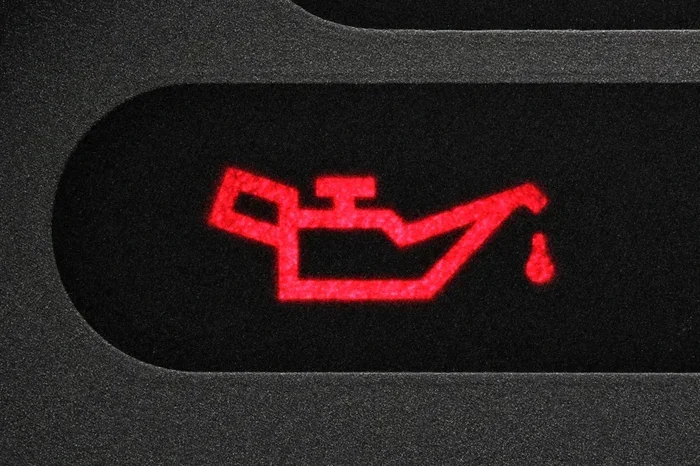
Oil Pressure Warning Light
This light usually looks like an old oil can with a drip coming from it. When it comes on, it means your oil pressure is too low. Low pressure often means low oil level. Do not drive another mile if this light is flashing. Pull over safely and turn off the engine.
If you are unsure what the light means, you can look into getting a free diagnostic on your car at many auto parts stores. They can read the error codes and tell you exactly what is going on with your oil system.
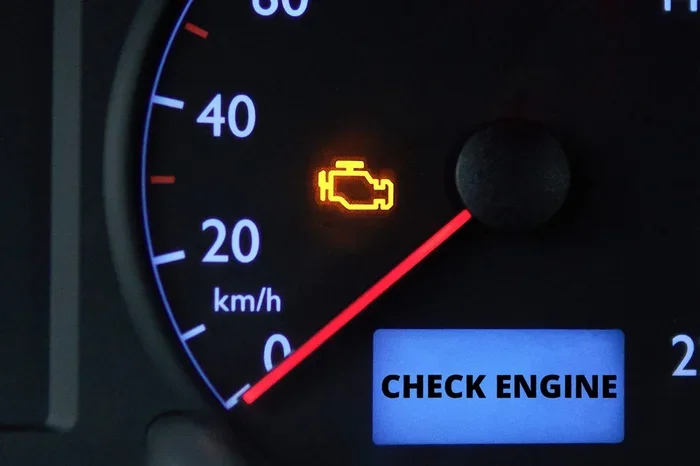
Check Engine Light
The check engine light is a catch-all warning. It can mean many things, including low oil. When the oil level drops low enough, it can affect engine performance sensors. The light comes on to alert you that something needs attention. While it might not always mean low oil, it is definitely worth checking.
Other warning lights like the oil level sensor indicator may also appear on newer vehicles. These are designed specifically to tell you when oil is running low. If you see any of these lights, do not wait. Check your oil immediately.
Strange Engine Noises
Your engine should run quietly and smoothly. When oil levels drop, the noise changes. This is one of the most noticeable low oil symptoms that drivers experience. You do’t need to be a mechanic to hear the difference.
Knocking Sounds
A knocking sound from the engine bay is a serious warning. It usually means metal parts are grinding together because there is not enough oil between them. This is called engine knock or detonation. The knocking often gets louder when you accelerate or climb a hill.
If you hear knocking, stop driving and check your oil level. Continuing to drive with a knocking engine can cause permanent damage. In severe cases, engine damage from low oil can be so bad that the engine needs to be replaced entirely.
Ticking or Tapping Noises
A lighter ticking sound is also a common sign. This happens when oil cannot reach the valve train components fast enough. The valves open and close thousands of times per minute. Without proper lubrication, they start to tap against their seats.
Sometimes ticking is normal, especially when the engine is cold. But if the ticking continues after the engine warms up, low oil is a likely culprit. Do not assume it is just a normal engine sound. Get it checked.
Rattling or Clattering Sounds
A rattling noise, especially at idle, can also point to low oil. The oil pump may be struggling to circulate enough oil through the system. This causes loose components to vibrate and rattle. If you notice rattling combined with any other warning signs, treat it as an emergency.
Changes in Oil Pressure and Performance
Your car’s performance tells you a lot about its health. When oil levels drop, performance suffers in several ways. These changes are often gradual, which makes them easy to overlook at first.
Oil Pressure Gauge Readings
Many vehicles have a traditional oil pressure gauge on the dashboard. If yours does, watch it closely. Normal oil pressure usually sits in the middle of the gauge. If the needle drops toward the low end, your engine may not have enough oil.
A healthy oil pressure gauge reading is essential for engine longevity. If the needle fluctuates wildly or drops consistently, pull over and check your oil level. A steady drop in pressure is a clear signal that something is wrong.
Reduced Engine Performance
Low oil affects how your engine performs. You might notice sluggish acceleration. The engine might feel less responsive when you press the gas pedal. This happens because the internal components are not getting the lubrication they need to move freely.
Some drivers also notice their engine idling roughly. The smooth idle you are used to might start to feel shaky or uneven. These performance changes are often early indicators that oil levels need attention. Catching them early can prevent bigger problems down the road.
Increased Fuel Consumption
Here is one many people do not expect. When your engine is running low on oil, it works harder. A harder working engine uses more fuel. If you notice you are filling up more often than usual, low oil could be part of the reason. Check your oil level alongside your fuel economy to see if there is a connection.
Visual and Smell-Based Warning Signs
Not all low oil warnings come from sounds or lights. Your eyes and nose can also tell you a lot about your engine’s health. These visual cues are often the ones people notice after the damage has already started. That is why you should check them regularly.
Blue or Gray Exhaust Smoke
One of the most alarming signs is blue or gray smoke coming from your exhaust pipe. This usually means oil is burning inside the combustion chamber. While this can happen for several reasons, low oil is a common cause. The oil leaks past seals and gets burned along with fuel.
Blue smoke is never normal. If you see it, check your oil level right away. You may also want to look into whether your car can overheat on a hot day, since low oil and high temperatures together create a dangerous combination for your engine.
Burning Oil Smell
A sharp, burning smell inside or outside your car is a red flag. This smell often comes from oil dripping onto hot engine components. The oil heats up and starts to burn, producing that distinctive acrid odor. If you smell this, pull over and open the hood carefully.
Do not touch any engine parts right away. They may be extremely hot. Let the engine cool for a few minutes, then check for oil leaks and low oil level. A burning oil smell should never be ignored.
Oil Spots Under Your Car
Check where you park. Dark brown or black spots on the ground are a clear sign of an oil leak. Leaks can cause your oil level to drop over time. Even a small leak can become a big problem if you do not notice it early.
If you find oil spots, check your oil level with the dipstick. Top it off if needed and have the leak repaired as soon as possible. Driving with a leaking oil system puts your engine at serious risk.
Oil on the Dipstick
The dipstick is your best friend when it comes to monitoring oil levels. Pull it out, wipe it clean, reinsert it, and pull it out again. Look at the oil level markings. If the oil line is near or below the minimum mark, you need to add oil immediately.
Also pay attention to the oil color and texture. Fresh oil is amber and translucent. Dark, gritty oil means it is time for an oil change. Clean oil protects your engine far better than old, contaminated oil.
What Causes Low Oil Levels
Understanding what causes low oil helps you prevent it from happening. Oil levels drop for several reasons, and not all of them mean you have a leak.
Normal Oil Consumption
All engines burn a small amount of oil over time. This is normal, especially in older vehicles or high-mileage cars. Most manufacturers consider burning up to one quart of oil per 1,000 miles as acceptable. However, if you are going through oil faster than that, something may be wrong.
Keeping track of your oil change interval helps you stay ahead of consumption. Most cars need an oil change every 5,000 to 7,500 miles for conventional oil, or 10,000 to 15,000 miles for synthetic oil.
Oil Leaks
Leaks are one of the most common causes of low oil. They can develop from worn gaskets, loose oil pans, or damaged seals. Oil leaks often start small and get worse over time. Regularly checking under your car for spots can help you catch leaks early.
Worn Piston Rings or Valve Seals
Internal engine wear can cause oil to enter the combustion chamber. This burns oil without any visible leak. Worn piston rings and valve seals are common in higher-mileage vehicles. If you are going through oil but see no external leaks, internal wear might be the cause.
Incorrect Oil Type or Poor Quality Oil
Using the wrong oil or low-quality oil can also contribute to low oil levels. Some oils evaporate faster than others. Synthetic oil generally lasts longer and resists breakdown better than conventional oil. Always use the oil type recommended by your vehicle manufacturer.
How to Check Your Oil Level
Checking your oil is simple and takes just a few minutes. Everyone should know how to do this, regardless of driving experience. Here is a step-by-step guide.
- Park on level ground. This ensures an accurate reading. Do not check oil right after driving. Wait a few minutes for the oil to settle.
- Turn off the engine. Let it cool for a few minutes to avoid burns.
- Open the hood. Locate the dipstick. It usually has a brightly colored handle.
- Pull out the dipstick. Wipe it clean with a rag or paper towel.
- Reinsert the dipstick fully. Push it all the way back in.
- Pull it out again. Look at the oil level markings. The oil should be between the minimum and maximum lines.
- Check the oil color. It should be amber or brown. Black, gritty oil needs changing.
Make this a habit. Check your oil at least once a month. It takes less than five minutes and can save you hundreds or even thousands of dollars in repairs. Staying on top of your oil level is one of the simplest yet most effective car maintenance tips you can follow.
What to Do When You Find Low Oil
So you checked your oil and it is low. Now what? Here is exactly what you should do, step by step.
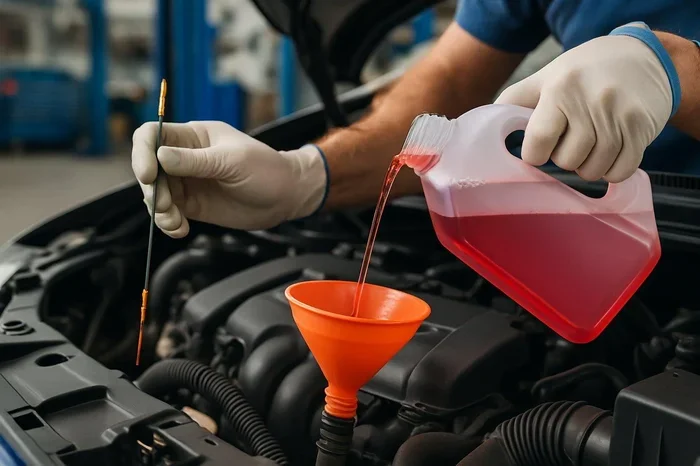
Step 1: Add Oil Immediately
Open the oil cap on top of your engine. Use a funnel to pour in the correct type of oil. Add it slowly and check the dipstick frequently. You do not want to overfill, as too much oil can cause its own set of problems.
Step 2: Look for Leaks
After adding oil, check underneath your car for fresh leaks. If you find a leak, do not just keep topping off. Get the leak repaired. Continuously adding oil without fixing the leak will not solve the problem.
Step 3: Schedule an Oil Change
If your oil is low and dirty, an oil change is in order. Fresh oil provides better protection and performance. If you are unsure about the process, you can visit a mechanic or even explore whether you can get a free diagnostic on your car to make sure everything else is in good shape.
Step 4: Monitor Your Oil Going Forward
After adding oil or getting an oil change, keep monitoring your levels. Check again after a few days of driving. If the oil drops quickly, there is likely a leak or internal burning that needs professional attention.
Step 5: Know When to See a Professional
If you keep adding oil and it still drops, take your car to a mechanic. Persistent low oil can indicate serious issues like a blown head gasket or worn engine components. A professional inspection can catch these problems early and save you from more expensive repairs later.
Preventing Low Oil Problems
Prevention is always better than cure. Here are some simple habits that keep your oil at the right level and your engine healthy.
- Check your oil monthly. Make it part of your routine, like checking your tire pressure.
- Follow the recommended oil change schedule. Your owner manual has the exact interval for your vehicle.
- Use the right oil type. Synthetic, conventional, or blend, depending on what your manufacturer recommends.
- Watch for warning signs. Do not ignore dashboard lights, strange noises, or unusual smells.
- Keep your car on a regular maintenance schedule. Routine inspections catch small problems before they become big ones.
- Monitor your oil consumption. If you are going through oil faster than normal, investigate the cause.
Taking these simple steps goes a long way. Your engine is a major investment. Treating it well with proper engine oil check routines pays off in reliability, performance, and longevity.
Common Mistakes Drivers Make With Low Oil
There are several mistakes drivers make when it comes to oil. Avoiding these can save you a lot of trouble.
- Ignoring the warning lights. Dashboard lights exist for a reason. They are not there to annoy you.
- Only checking oil when something goes wrong. Proactive checks prevent problems from developing.
- Overfilling the oil. Too much oil can cause foaming and reduced lubrication. Always stay between the min and max marks.
- Using the wrong oil type. This can affect oil pressure, lubrication, and overall engine health.
- Waiting too long between oil changes. Old oil loses its effectiveness. Stick to your change schedule.
These mistakes are easy to avoid with a little awareness. Most drivers learn them the hard way through expensive repairs. Do not be one of them.
The Cost of Ignoring Low Oil
Let us talk numbers. Ignoring low oil can cost you dearly. A simple oil top-off costs around $20 to $50. A new oil pump can cost several hundred dollars. A rebuilt engine can cost anywhere from $2,500 to $4,500. A complete engine replacement can exceed $5,000.
None of these costs are fun to think about. But they are all preventable with regular oil checks and timely maintenance. The small investment of a few minutes each month can save you thousands of dollars over the life of your vehicle.
Some drivers wonder whether they can still drive their car in serious condition. For example, if low oil has already caused significant damage, you might ask whether you can drive a totaled car. The answer is technically yes, but it is extremely dangerous and not recommended. The same logic applies to driving with critically low oil. It might work for a few miles, but the damage it causes is not worth the risk.
Also, low oil can affect your car in ways you might not expect. For instance, engine problems from low oil can impact emissions. If you are dealing with emissions test failures, it might be worth checking whether you can pass emissions with VSC light on or if the underlying oil issue is causing the problem in the first place.
Final Thoughts
Can you tell if your car is low on oil? Absolutely. Your car gives you plenty of warning signs if you know what to look for. Dashboard lights, strange noises, changes in performance, burning smells, and visual cues all point to low oil. The key is to pay attention and act quickly.
Make oil checks a regular part of your driving routine. It takes minutes and protects your engine for years. Do not wait for a warning sign to become a breakdown. Be proactive. Your wallet and your engine will thank you.
Remember, oil is cheap. Engine repairs are not. A few drops of oil today can save you from a full engine replacement tomorrow. Stay informed, stay vigilant, and keep your car running strong.
Frequently Asked Questions
What are the first signs that my car is low on oil?
The first signs are usually the oil pressure warning light on your dashboard and unusual engine noises like ticking or knocking. You might also notice reduced engine performance or a burning oil smell. Checking your dipstick regularly helps you catch low oil before these signs appear.
Can low oil cause my car to overheat?
Yes, absolutely. Oil helps regulate engine temperature by reducing friction between moving parts. When oil levels drop, friction increases, which generates more heat. This can quickly lead to engine overheating and serious damage if not addressed quickly.
How often should I check my car’s oil level?
You should check your oil level at least once a month. It is also a good idea to check it before long road trips. Make it a quick habit that takes less than five minutes each time.
What happens if I keep driving with low oil?
Driving with low oil causes increased friction, overheating, and wear on engine components. Over time, this can lead to engine seizure or complete engine failure. The repair costs for a seized engine far exceed the cost of simply adding oil.
How much oil should I add if my level is low?
Add oil slowly and check the dipstick frequently. Most engines take between 4 and 6 quarts total, but the exact amount depends on your vehicle. Always refer to your owner manual for the correct oil type and capacity.
Is it normal for oil levels to drop between oil changes?
A small drop is normal, especially in older or higher-mileage vehicles. Most manufacturers expect some oil consumption. However, if your oil level drops significantly between changes, you likely have a leak or internal burning issue that needs professional attention.