Can the Nissan Rogue Tow Everything You Need To Know
The Nissan Rogue can tow, but its towing capacity is limited compared to larger SUVs. Most Rogue models can tow between 1,100 and 1,500 pounds when properly equipped. Understanding the Nissan Rogue towing specs is essential before hitching up any trailer. This guide covers everything from towing packages to safe towing practices so you can make informed decisions.
If you own a Nissan Rogue or are thinking about buying one, you might be wondering whether this popular compact SUV can handle towing. The short answer is yes, but with important limitations. Can the Nissan Rogue tow everything you need it to? The answer depends on your specific model, the towing package you have installed, and what you plan to haul.
The Nissan Rogue is one of the best-selling compact SUVs on the market. It offers a great blend of fuel efficiency, interior space, and everyday practicality. But when it comes to vehicle towing capacity, the Rogue is not designed for heavy-duty hauling. It falls into the crossover category, which means it has different capabilities than a full-size truck or large SUV.
In this comprehensive guide, we will walk you through everything you need to know about Nissan Rogue towing. We will cover towing specs, towing packages, what you can safely tow, and essential safety tips. Whether you are planning a weekend camping trip or hauling a small trailer, this article has you covered.
Key Takeaways
- Towing Capacity: The Nissan Rogue can tow up to 1,100 to 1,500 pounds depending on the model year and trim level.
- Towing Package Matters: Installing the proper towing package is essential for safe and legal towing with your Rogue.
- Know Your Limits: Exceeding the maximum towing weight can damage your vehicle and create serious safety hazards.
- Tongue Weight Is Critical: Proper tongue weight distribution ensures stability and control while towing.
- Safety First: Always use trailer brakes, check tire pressure, and monitor engine temperature when towing.
- What Can You Tow: The Rogue is best suited for small trailers, jet skis, and lightweight camping gear.
- Expert Advice: Regular maintenance and proper loading make a huge difference in towing performance.
📑 Table of Contents
What Is the Nissan Rogue Towing Capacity?
Understanding the towing capacity of your Nissan Rogue is the first step before you attach any trailer. The towing capacity refers to the maximum weight your vehicle can safely pull behind it. This number varies based on the model year, engine type, and whether you have the towing package installed.
Towing Specs by Model Year
The Nissan Rogue towing capacity has changed slightly over the years. Here is a general breakdown of what you can expect:
- 2024 Nissan Rogue: Up to 1,100 pounds towing capacity with the standard 2.5-liter four-cylinder engine.
- 2023 Nissan Rogue: Similar towing capacity of around 1,100 pounds for most trims.
- 2022 and Older Models: Some older Rogue models can tow up to 1,500 pounds when equipped with the proper towing package.
- Nissan Rogue Sport: The smaller Rogue Sport typically has a lower towing capacity, usually around 1,000 pounds.
These numbers represent the maximum maximum towing weight the vehicle can handle under ideal conditions. Always check your specific owner’s manual for the exact towing rating for your particular model year and trim.
Why the Towing Capacity Matters
Exceeding your towing limits can cause serious damage to your engine, transmission, and brakes. It can also make your vehicle unstable on the road. The towing capacity is not just a suggestion. It is a hard limit set by the manufacturer based on extensive testing and engineering.
When you exceed the towing capacity, you put extra strain on every component of your vehicle. The engine works harder, the brakes take longer to stop, and the suspension wears out faster. In extreme cases, you could lose control of the vehicle entirely.
Does the Nissan Rogue Come with a Towing Package?
Not all Nissan Rogue models come with a factory towing package. The availability of a towing package depends on the trim level and model year. Some higher-end trims include the towing package as standard, while others may require you to add it as an option.
What the Towing Package Includes
The Nissan Rogue towing package typically includes several important components:
- Towing Hitch Receiver: A standardized receiver hitch mounted to the rear of the vehicle. This is the attachment point for your trailer.
- Electrical Wiring Harness: This connects your Rogue’s lighting system to the trailer so your brake lights and turn signals work properly.
- Cooling System Enhancements: Some packages include an upgraded radiator or transmission cooler to handle the extra heat generated while towing.
- Trailer Sway Control: This feature helps stabilize the trailer if it starts to sway or sway back and forth while driving.
If you are considering adding a towing package to your Rogue, check with your local Nissan dealership. They can tell you exactly what is available for your specific model and help you with installation. You can also learn more about ordering factory options if you are in the market for a new vehicle.
Can You Add a Towing Package After Purchase?
Yes, in many cases you can add a towing package to a Nissan Rogue after you purchase it. Aftermarket towing hitch receivers are widely available and can be installed by a qualified mechanic. However, factory-installed towing packages are generally more reliable and may be covered under warranty.
When adding a towing package aftermarket, make sure the hitch receiver is rated for the weight you plan to tow. Using an improperly rated hitch can be extremely dangerous. Always follow the manufacturer’s specifications for both the hitch and your vehicle.
How to Tow Safely with a Nissan Rogue
Towing with any vehicle requires extra caution and preparation. The Nissan Rogue is a capable compact SUV, but it is not built for heavy towing. Following proper safety procedures is essential to protect yourself, your passengers, and other drivers on the road.
Pre-Trip Safety Checks
Before you hit the road with a trailer, complete these essential safety checks:
- Check Your Towing Capacity: Verify the weight of your loaded trailer against the Rogue’s maximum towing weight. Never exceed this limit.
- Inspect the Hitch Connection: Make sure the hitch receiver is securely fastened and the pin and clip are properly locked in place.
- Test the Trailer Lights: Confirm that all brake lights, turn signals, and tail lights on the trailer are working correctly.
- Check Tire Pressure: Both your vehicle tires and trailer tires should be properly inflated before towing.
- Verify the Trailer Brakes: If your trailer has its own brakes, test them to make sure they engage properly.
Driving Tips When Towing
Driving with a trailer changes the way your vehicle handles. Keep these tips in mind whenever you are towing with a Nissan Rogue:
- Allow Extra Stopping Distance: A loaded trailer adds significant weight, which means your brakes need more distance to bring everything to a stop.
- Use Lower Gears on Hills: Downshift when going uphill or downhill to reduce strain on the engine and brakes.
- Monitor Engine Temperature: Towing generates extra heat. If you notice the temperature gauge rising, pull over safely and let the engine cool down. Overheating can cause serious engine damage, especially when towing in hot weather.
- Avoid Sudden Maneuvers: Make smooth, gradual turns and lane changes to prevent the trailer from swaying.
- Use Cruise Control Carefully: Some experts recommend avoiding cruise control when towing, as it can cause speed fluctuations on hills.
Many drivers wonder about switching drive modes while towing. The answer is yes, you can adjust drive modes to help manage power delivery and stability when pulling a trailer. Use the appropriate mode for your driving conditions.
What Happens if the Car Overheats While Towing?
Towing places extra stress on your engine cooling system. If your Nissan Rogue starts to overheat while towing, pull over immediately and turn off the engine. Let it cool for at least 15 to 20 minutes before checking the coolant level. Continuing to drive an overheated engine can cause catastrophic damage. Learn more about car overheating in hot weather to understand how temperature affects your vehicle.
What Can You Tow with a Nissan Rogue?
Now that you understand the towing capacity and safety requirements, let us talk about what you can actually tow with a Nissan Rogue. The Rogue is best suited for lightweight to moderate towing tasks.
Compatible Trailers and Loads
Here are examples of what the Nissan Rogue can safely tow within its capacity:
- Small Utility Trailers: Lightweight trailers used for hauling lawn equipment, bicycles, or small cargo.
- Jet Skis and ATVs: Personal watercraft and small all-terrain vehicles typically weigh within the Rogue’s towing range.
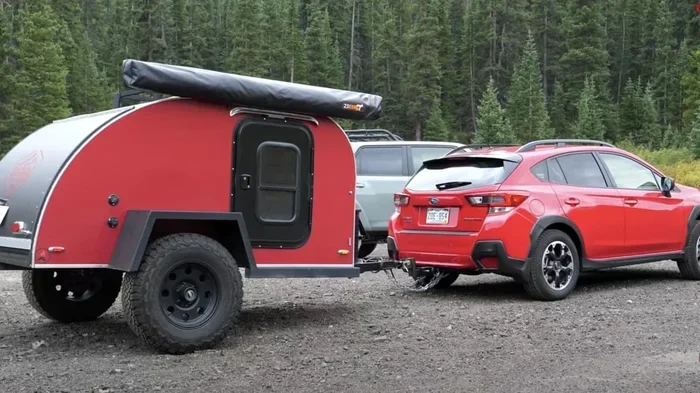
- Camping Trailers: Small pop-up campers or lightweight tent trailers can be towed safely.
- Boat Trailers: Small jon boats or kayaks on trailers are well within the Rogue’s capacity.
- Motorcycles: A motorcycle trailer or motorcycle hauler is a common use for Rogue owners who enjoy riding.
What You Should NOT Tow
The Nissan Rogue is not designed for heavy towing. Avoid attempting to tow the following:
- Large Travel Trailers: Anything over 1,500 pounds exceeds the Rogue’s towing limits.
- Horse Trailers: Live animal trailers are extremely heavy and require a much more powerful vehicle.
- Large Boats: Bass boats or cabin cruisers far exceed what a compact SUV can safely tow.
- Heavy Equipment Trailers: Construction or landscaping equipment trailers are too heavy for the Rogue.
If you are unsure whether your trailer is within the safe towing range, weigh your loaded trailer at a truck scale before hitting the road. Many auto parts stores and truck stops have scales available for public use.
Can You Tow a Side-by-Side Vehicle?
Towing a side-by-side utility vehicle like a UTV or SxS is a common question among Rogue owners. The answer depends on the weight of the specific side-by-side model. Some lighter utility trailers may fall within the Rogue’s towing capacity. However, you should always check the weight of your loaded trailer before attempting to tow. Learn more about towing side-by-side vehicles for detailed guidance on this topic.
Common Mistakes When Towing with a Nissan Rogue
Even experienced drivers can make mistakes when towing. Avoid these common errors to keep your Nissan Rogue and your trailer safe on the road.
Overloading the Trailer
The most common towing mistake is loading the trailer beyond its rated capacity. Just because your vehicle can tow a certain weight does not mean the trailer itself is rated for that weight. Always check both the vehicle towing capacity and the trailer weight rating before loading up.
Ignoring Tongue Weight
Tongue weight is the downward force the trailer puts on the hitch ball. Too much tongue weight can make the rear of your vehicle sag, reducing visibility and handling. Too little tongue weight can cause the trailer to sway dangerously. The general rule is to keep tongue weight at about 10 to 15 percent of the total trailer weight.
Skipping the Trailer Brakes
If your trailer weighs more than 1,000 pounds, it should have its own braking system. Trailer brakes are not optional. They are essential for safe stopping, especially when towing with a vehicle like the Nissan Rogue that has a relatively modest towing capacity. Without trailer brakes, your stopping distance increases dramatically.
Neglecting Regular Maintenance
Towing puts extra wear and tear on your vehicle. Neglecting regular maintenance like oil changes, tire rotations, and brake inspections can lead to expensive repairs. Follow your maintenance schedule closely and consider more frequent service intervals if you tow regularly.
Expert Tips for Maximizing Your Nissan Rogue Towing Ability
Want to get the most out of your Nissan Rogue when towing? Follow these expert tips to improve performance, safety, and longevity.
Invest in Quality Towing Equipment
Do not cheap out on your towing setup. A quality hitch receiver, wiring harness, and safety chains are worth the investment. Look for equipment that is rated for at least the maximum weight you plan to tow. Cheap or poorly made towing equipment can fail under load, leading to dangerous situations on the road.
Distribute Weight Evenly
Proper weight distribution in your trailer is crucial for stability. Place heavier items over the axle and lighter items toward the front of the trailer. This helps maintain proper tongue weight and prevents the trailer from fishtailing.
Practice in a Safe Area
If you are new to towing, practice backing up, turning, and braking in an empty parking lot before hitting the highway. Towing a trailer changes your vehicle’s dimensions and handling significantly. Getting comfortable with these changes in a safe environment builds confidence for real-world driving.
Consider the Rogue Sport for Lighter Towing Needs
The Nissan Rogue Sport is a smaller variant of the Rogue that offers slightly different towing specs. If your towing needs are very light, the Rogue Sport may be a good fit. However, if you need to tow more than 1,000 pounds, the full-size Rogue is the better choice.
For those interested in comparing vehicles, you might want to explore what types of vehicles a local Chevrolet dealership carries for heavier towing needs if the Rogue does not meet your requirements.
Keep Your Vehicle Well-Maintained
Regular maintenance is even more important when you tow frequently. Change your oil at recommended intervals, check your transmission fluid, and inspect your brakes regularly. A well-maintained vehicle handles towing much better and lasts longer.
Conclusion
Can the Nissan Rogue tow everything you need? For most everyday towing tasks, the answer is yes. The Nissan Rogue offers a respectable towing capacity of 1,100 to 1,500 pounds, which is sufficient for small trailers, jet skis, camping gear, and lightweight utility loads. However, it is not a heavy-duty towing vehicle, and you should never exceed its rated capacity.
By understanding your Nissan Rogue towing specs, installing the proper towing package, and following all safety guidelines, you can tow safely and confidently. Always respect your towing limits, distribute weight properly, and maintain your vehicle regularly.
Whether you are hauling a small trailer for a weekend camping trip or towing your jet skis to the lake, the Nissan Rogue can handle the job when used within its limits. The key is preparation, knowledge, and respect for the vehicle’s capabilities. Stay safe, tow smart, and enjoy the adventure.
Frequently Asked Questions
What is the maximum towing capacity of the Nissan Rogue?
The Nissan Rogue can tow up to 1,100 to 1,500 pounds depending on the model year and trim. Always check your owner’s manual for the exact towing rating of your specific vehicle.
Does every Nissan Rogue come with a towing package?
No, not every Nissan Rogue comes with a towing package. Some trims include it as standard, while others require you to add it as an optional extra. Check with your dealer for your specific model.
Can I tow a travel trailer with a Nissan Rogue?
You can tow a small travel trailer with a Nissan Rogue, but it must be well under the vehicle’s maximum towing capacity. Large travel trailers typically exceed the Rogue’s towing limits and are not recommended.
Do I need trailer brakes when towing with a Nissan Rogue?
If your trailer weighs more than 1,000 pounds, it should have its own braking system. Trailer brakes are essential for safe stopping and are often required by law for trailers above a certain weight threshold.
Can towing damage my Nissan Rogue?
Towing within the recommended capacity should not cause damage. However, exceeding the towing limit or neglecting regular maintenance can lead to engine overheating, transmission wear, and brake problems over time.
Is the Nissan Rogue a good towing vehicle?
The Nissan Rogue is a good vehicle for light towing tasks like small trailers, jet skis, and camping gear. It is not designed for heavy-duty towing, but for its size and class, it offers respectable towing capability when properly equipped.