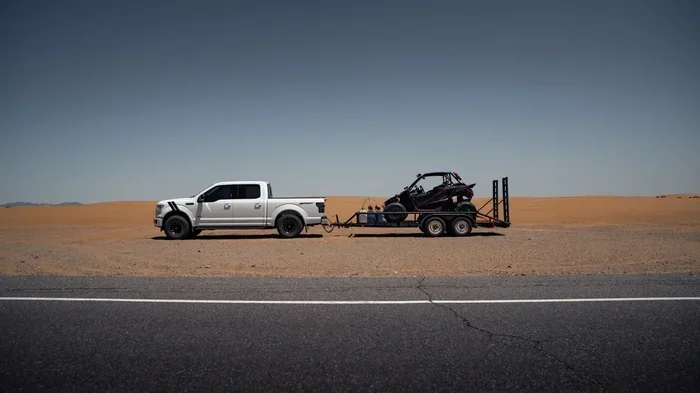
Can You Trailer a Side-by-Side With a Windshield On
Yes, you can trailer a side-by-side with a windshield on, but there are important safety and legal considerations you must know first. Towing a side-by-side UTV with the windshield attached is common, but it requires proper hitch setup, weight distribution, and secure tie-downs. Wind resistance can increase when the windshield is left on, so driving speed limits and road laws matter more than ever. This guide covers everything you need to tow safely and legally.
You just finished a great day on the trails. Your side-by-side UTV is covered in mud, and you need to get it home. The question is simple but important: can you trailer a side-by-side with a windshield on?
The short answer is yes. But the full answer involves a few key details that every owner should understand. Towing a side-by-side with the windshield attached is something many riders do every day. However, doing it safely requires the right setup, knowledge, and preparation.
This guide breaks down everything you need to know. We will cover towing laws, safety tips, equipment requirements, and common mistakes. By the end, you will feel confident about hauling your UTV with a windshield on a trailer. Let us get into it.
Key Takeaways
- Towing with a windshield is generally allowed: Most states permit it, but local laws may vary.
- Secure the windshield properly: Loose windshields are a major safety hazard on the road.
- Check your towing capacity: Your vehicle and trailer must handle the combined weight.
- Use the right hitch and tie-downs: Proper equipment prevents accidents and damage.
- Watch your speed: Higher speeds increase wind resistance and instability.
- Follow road regulations: Trailer lights, mirrors, and registration may be required.
📑 Table of Contents
- Why Would You Tow a Side-by-Side With the Windshield On?
- Is It Safe to Tow a Side-by-Side With a Windshield On?
- What Equipment Do You Need for Towing?
- Laws and Regulations for Towing a Side-by-Side
- Common Mistakes When Towing a Side-by-Side
- Expert Tips for Towing With a Windshield On
- Quick Tips for Safe Towing
- Comparison: Towing With Windshield On vs. Off
- Final Thoughts
Why Would You Tow a Side-by-Side With the Windshield On?
Some riders remove the windshield before towing. Others keep it on. There are good reasons for both approaches. Understanding them helps you make the best choice for your situation.
Protection During Transport
Leaving the windshield on protects your side-by-side from road debris. Bugs, rocks, and dust can damage the hood, seats, and controls. A windshield acts as a shield. It keeps these elements away from sensitive parts.
Convenience
Removing a windshield takes time. You need to unbolt it, store it safely, and reinstall it later. If you are in a hurry or towing long distances, keeping it on saves effort. Many UTV windshields are designed for quick removal, but not everyone wants to deal with that every trip.
Avoiding Damage to the Windshield Frame
Frequent removal and installation can wear out windshield brackets and mounting hardware. Keeping the windshield on reduces that wear. It also prevents you from misplacing small bolts and clips during the removal process.
Is It Safe to Tow a Side-by-Side With a Windshield On?
Safety is the biggest concern when trailer towing any vehicle. A side-by-side is not a small piece of equipment. It is heavy, wide, and top-heavy. Adding a windshield changes the aerodynamics slightly. Here is what you need to know.
Wind Resistance and Stability
A windshield increases the surface area of your side-by-side. This means more wind pushes against it while driving. At higher speeds, this can affect the stability of your trailer. The key is to keep your speed moderate and drive smoothly.
Most experts recommend staying under 55 miles per hour when towing a UTV on a trailer. The added wind resistance from the windshield makes higher speeds less stable. Sudden lane changes or strong crosswinds become more dangerous at faster speeds.
Weight Distribution Matters
Your trailer needs proper weight distribution to tow safely. The side-by-side should be centered on the trailer bed. The windshield adds a small amount of weight at the top. This raises the center of gravity slightly.
Make sure the trailer itself is rated for the combined weight. Check the vehicle towing capacity of your tow vehicle as well. Overloading is one of the leading causes of towing accidents.
Securing the Windshield
A loose windshield is a serious hazard. If it flies off during the tow, it can damage other vehicles or cause an accident. Before you hit the road, double-check that the windshield brackets are tight and secure.
Some riders use safety straps across the windshield as an extra precaution. This is a smart move. It adds a layer of protection in case the primary mounting points fail.
What Equipment Do You Need for Towing?
Proper equipment makes all the difference. Towing a side-by-side with a windshield on requires more than just hitting the road. Here is what you need.
A Quality Cargo Trailer
Not all trailers are created equal. You need a cargo trailer that can handle the weight and size of your UTV. A flatbed trailer or a specialized UTV trailer works best. Make sure the trailer has:
- Heavy-duty ramps for loading
- Tie-down points built into the deck
- A weight capacity that exceeds your side-by-side weight
- Good suspension for a smooth ride
Strong Tie-Down Straps
Tie-down points are essential for keeping your side-by-side from shifting during transport. Use ratchet straps rated for the weight of your vehicle. Cross the straps for maximum stability.
At minimum, use four straps. Two at the front and two at the rear. Attach them to designated tie-down points on the trailer. Never strap to the windshield frame or plastic body panels.
A Proper Hitch Setup
Your tow vehicle needs a reliable hitch setup. The hitch class should match your trailer weight. Class III or Class IV hitches are common for ATV hauling and UTV transport. Make sure the hitch ball size matches your trailer coupler exactly.
Also consider adding a trailer brake controller. This gives you better control when stopping, especially with a heavy load. A towing mirror is also essential for seeing around the trailer.
Trailer Lights and Signals
Every state requires trailer lights. Your trailer must have working brake lights, turn signals, and tail lights. This is not optional. It is the law. Check all lights before every trip to make sure they are functioning.
Laws and Regulations for Towing a Side-by-Side
Towing laws vary by state and even by county. Understanding the rules keeps you legal and safe on the road.
Registration and Title Requirements
Some states require your trailer to be registered. Others do not. The registration requirements depend on the trailer weight and size. Check with your local Department of Motor Vehicles before your first tow.
You may also need a temporary permit if you are crossing state lines. Road laws for ATV hauling can differ significantly from one state to the next.
Speed Limits
Most states have lower speed limits for vehicles towing trailers. This is typically 55 miles per hour on highways. Some states enforce 45 miles per hour. Driving slower than the limit is always a good idea when towing a side-by-side.
Width and Height Restrictions
A side-by-side with a windshield on may exceed standard width limits in some areas. The added width of the trailer and the vehicle itself matters. Check local regulations for maximum allowed width and height.
Insurance Considerations
Your auto insurance may or may not cover a trailer. Review your policy or contact your provider. Adding trailer coverage is usually inexpensive and worth the peace of mind.
Common Mistakes When Towing a Side-by-Side
Even experienced riders make mistakes. Avoiding these common errors keeps you and others safe.
Overloading the Trailer
This is the number one mistake. Every trailer has a weight limit. Exceeding it strains the engine, brakes, and suspension of your tow vehicle. Always weigh your side-by-side and gear before loading.
Skipping the Pre-Trip Inspection
Do not just hit the road without checking everything. Inspect the hitch, straps, lights, and tires before every tow. A five-minute check can prevent a major problem on the highway.
Using Worn or Damaged Straps
Frayed or stretched straps can snap under load. Replace any safety straps that show signs of wear. Invest in high-quality ratchet straps rated for your vehicle weight.
Ignoring Wind Resistance
Driving too fast with a windshield on increases wind resistance significantly. This can cause the trailer to sway. Keep your speed down and drive with caution, especially in windy conditions.
Not Using a Towing Mirror
Standard car mirrors do not provide enough visibility when towing. A towing mirror extends your field of view. This is essential for safe lane changes and turns.
Expert Tips for Towing With a Windshield On
Here are some practical tips from experienced side-by-side owners and towing professionals.
- Remove the windshield if it is removable: If your UTV windshield is designed for quick removal, consider taking it off for long highway trips. This reduces wind resistance and adds safety.
- Use a protective cover: A protective cover over the trailer bed shields your side-by-side from road grime and debris. It also keeps the windshield cleaner.
- Balance the load: Place the heaviest parts of your UTV toward the front of the trailer. This improves weight distribution and reduces trailer sway.
- Check tire pressure: Both the trailer tires and your tow vehicle tires should be properly inflated. Underinflated tires increase the risk of blowouts.
- Drive with gentle inputs: Avoid sudden braking, sharp turns, and rapid acceleration. Smooth driving keeps the trailer stable.
Quick Tips for Safe Towing
Keep these quick tips in mind every time you tow:
- Always do a pre-trip walkaround of the trailer and vehicle.
- Double-check all tie-down points before departure.
- Make sure the windshield brackets are tight and secure.
- Test all trailer lights before leaving.
- Drive below the posted speed limit for towing vehicles.
- Keep a safe following distance from other cars.
- Stop periodically to recheck straps and connections.
Comparison: Towing With Windshield On vs. Off
Wondering which option is better? Here is a quick comparison to help you decide.
| Factor | Windshield On | Windshield Off |
|---|---|---|
| Protection from debris | High | Low |
| Wind resistance | Higher | Lower |
| Convenience | High | Lower |
| Windshield wear | More exposure | Protected in storage |
| Stability at high speed | Slightly reduced | Better |
| Setup time | Minimal | Requires removal and reinstallation |
Both options have their place. For short trips and local hauling, keeping the windshield on makes sense. For long highway drives, removing it may be the safer choice. Use your judgment based on the trip distance and road conditions.
Final Thoughts
So, can you trailer a side-by-side with a windshield on? Absolutely. Thousands of riders do it every day without any issues. The key is doing it the right way. Use proper equipment, follow the rules, and prioritize safety at every step.
Your side-by-side is a valuable machine. Protecting it during transport starts with the decisions you make before you hit the road. Whether you keep the windshield on or remove it, the most important thing is that your UTV arrives safely at its destination.
Take the time to prepare. Check your hitch, secure your straps, and drive with care. A little planning goes a long way toward a smooth and worry-free towing experience.
Frequently Asked Questions
Can I tow my side-by-side on a regular car trailer?
Yes, as long as the trailer is rated for the weight of your side-by-side. Check the trailer capacity and your vehicle’s towing capacity before you load up. Using an undersized trailer is dangerous and can damage both vehicles.
Do I need a special license to tow a side-by-side?
In most states, a standard driver’s license is sufficient for towing a UTV trailer. However, some states have weight thresholds that require additional endorsements. Check your local road laws to be sure.
Should I remove the windshield for long highway trips?
It is a good idea for long highway drives. Removing the windshield reduces wind resistance and improves trailer stability. If you keep it on, make sure it is tightly secured with windshield brackets and safety straps.
What is the best hitch for towing a side-by-side?
A Class III or Class IV hitch is ideal for ATV hauling and UTV transport. The right hitch depends on your trailer weight and tow vehicle. Always use a hitch that matches your trailer coupler size.
How many tie-down straps do I need?
Use at least four straps for a standard side-by-side. Two straps at the front and two at the rear provide the best stability. Cross the straps for added security and to prevent shifting during transport.
Are there height restrictions for towing a side-by-side?
Yes, some states have maximum height limits for trailers. A side-by-side with a windshield on can be taller than the standard limit. Measure your setup and verify local width and height restrictions before you travel.