Can I Switch Drive Modes While Driving And Stay Safe
Yes, you can switch drive modes while driving on most modern vehicles. Your car’s drive mode selector lets you change settings like eco mode, sport mode, and off-road mode without stopping. However, knowing when and how to switch is key to staying safe on the road. This guide covers everything you need to know about drive modes and vehicle stability.
You are cruising down the highway. The sun is out. The radio is playing your favorite song. Then you hit a patch of wet road. Or maybe you are about to enter a steep gravel hill. Your first thought? “Can I switch drive modes while driving?”
The short answer is yes. Most modern vehicles let you change drive modes on the fly. You do not need to pull over or stop the engine. But the full answer is a bit more nuanced. When you switch, how you switch, and which mode you pick all matter a lot for safety.
In this article, we will break down everything about drive modes. We will explain what they do, how to use them, and what mistakes to avoid. By the end, you will feel confident every time you touch that drive mode selector.
Key Takeaways
- Switching drive modes while driving is safe on most modern vehicles with electronic controls.
- Drive modes change how your engine, transmission, and steering respond to road conditions.
- Always avoid switching modes on slippery surfaces or at high speeds unless your manual says it is okay.
- Eco mode saves fuel, while sport mode boosts power and responsiveness.
- Off-road mode and low-range gearing help on rough terrain but should be used at low speeds.
- Check your vehicle manual for specific instructions on drive mode switching.
- Traction control and electronic stability control work together with drive modes to keep you safe.
📑 Table of Contents
- What Are Drive Modes and How Do They Work?
- Can You Switch Drive Modes While Driving?
- The Different Drive Modes Explained in Detail
- When Should You Switch Drive Modes?
- Common Mistakes People Make With Drive Modes
- Expert Tips for Switching Drive Modes Safely
- How Drive Modes Interact with Your Car’s Safety Systems
- Do All Vehicles Have Drive Modes?
- Frequently Asked Questions
- Final Thoughts
What Are Drive Modes and How Do They Work?
Drive modes are settings that change how your car behaves. They adjust things like throttle response, steering feel, and power distribution to the wheels. Think of them as personality settings for your vehicle.
When you pick a drive mode, your car’s electronic control unit (ECU) changes parameters behind the scenes. It might soften the suspension. It might sharpen the throttle. It might shift gears differently. All of this happens in seconds.
How the Drive Mode Selector Works
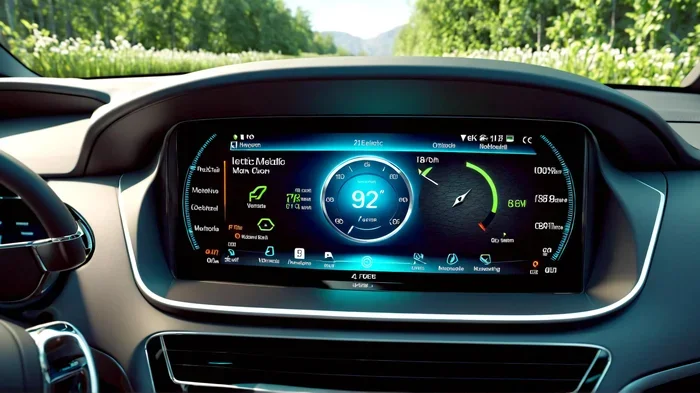
Most cars have a dial, button, or switch on the center console or steering wheel. You simply turn or press to change modes. The dashboard display shows your current setting. Some vehicles even let you save custom modes.
Here is a simple way to think about it. Your car has a brain that controls the powertrain. The drive mode tells that brain what kind of driving you want. Want smooth and efficient? Pick eco mode. Want fun and fast? Pick sport mode. Want maximum grip? Pick off-road mode.
Common Drive Modes Found in Modern Cars
Different brands use different names. But most vehicles share these core modes:
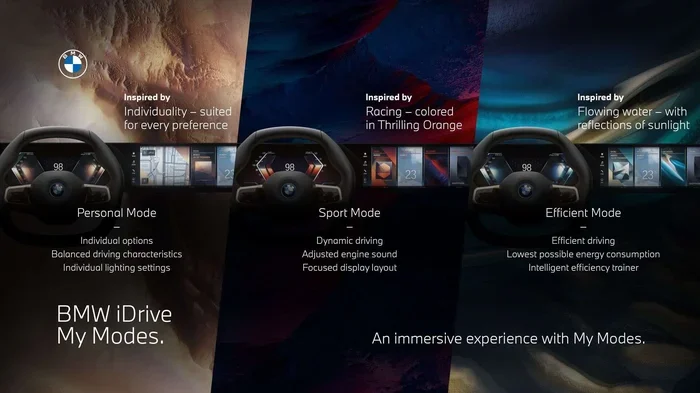
- Eco Mode — Optimizes fuel economy. It softens acceleration and limits top speed.
- Normal Mode — A balanced setting for everyday driving.
- Sport Mode — Sharpens throttle response. Holds gears longer. Stiffens the steering.
- Off-Road Mode — Adjusts traction control and torque distribution for loose surfaces.
- Snow/Ice Mode — Starts in higher gears to reduce wheel spin on slippery roads.
- Individual Mode — Lets you customize settings for each driving component.
Can You Switch Drive Modes While Driving?
This is the question most drivers ask. And the answer depends on your vehicle. But for the vast majority of cars built in the last decade, yes, you can switch drive modes while driving.
Car manufacturers design these systems for convenience and safety. You should not need to stop or turn off the engine to change modes. The drive mode selector is built to handle real-time changes while you are in motion.
What Happens When You Switch Modes on the Go?
When you change modes, your car recalibrates several systems almost instantly. Here is what happens under the hood:
- Throttle mapping changes. In sport mode, the pedal responds faster. In eco mode, it feels softer.
- Transmission shift points adjust. Sport mode holds gears lower for more power.
- Steering weight may increase or decrease depending on the mode.
- Suspension settings can soften or stiffen if your car has adaptive suspension.
- Power distribution between wheels changes in all-wheel drive and four-wheel drive vehicles.
All of this happens seamlessly. You will not feel a jolt or a disruption. The transition is smooth and designed to be safe at driving speeds.
Are There Any Risks?
Switching modes is generally safe. But there are a few things to keep in mind. First, always look at the road before you press a button. Do not fiddle with the console while navigating a sharp turn. Second, some vehicles restrict certain mode changes at high speeds. Always check your owner’s manual.
Third, avoid switching from a very soft mode to a very stiff mode (or vice versa) at high speeds on rough roads. The sudden change in vehicle stability can catch you off guard. Smooth, gradual changes are always better.
The Different Drive Modes Explained in Detail
Not all drive modes are the same. Each one serves a different purpose. Let us break them down so you know exactly when to use each.
Eco Mode: Save Fuel Without Sacrificing Safety
Eco mode is the most commonly used setting. It limits how much power your engine delivers. It shifts gears earlier to keep RPMs low. The result? Better fuel economy.
Use eco mode for highway cruising, daily commutes, and long road trips. It is perfect when you do not need quick acceleration. Your car will feel relaxed and smooth.
Quick Tip: Eco mode does not make your car slow or unsafe. It simply optimizes for efficiency. You can still accelerate when needed.
Sport Mode: When You Want More Power
Sport mode wakes up your car’s performance. The engine responds faster to the throttle. The transmission holds gears longer before shifting up. Steering becomes heavier and more responsive.
Use sport mode when you need quick overtakes on the highway. Use it on winding roads where you want better control. It also helps when you are climbing a steep hill and need extra torque.
Keep in mind that sport mode uses more fuel. It also may cause the engine to rev higher. So it is best used when you actually need the extra performance.
Off-Road Mode: Tackling Rough Terrain
Off-road mode is a game-changer for SUVs and trucks. It adjusts torque distribution to each wheel. It engages low-range gearing for slow, controlled movement over rocks, sand, or mud.
Some vehicles also lower traction control sensitivity in off-road mode. This allows wheels to spin slightly for better grip on loose surfaces.
Expert Insight: Always reduce speed when using off-road mode. These settings are designed for low-speed control. Using them at highway speeds can strain your drivetrain.
Snow and Ice Mode: Driving on Slippery Roads
Snow mode is a lifesaver in winter conditions. It starts the car in a higher gear so the wheels spin less. It eases off the throttle to prevent slipping.
Use snow mode when roads are icy, slushy, or covered in light snow. It works well for both front-wheel drive and rear-wheel drive vehicles.
Quick Tip: If you have all-wheel drive or four-wheel drive, snow mode works even better. The system distributes power more evenly for added grip.
When Should You Switch Drive Modes?
Knowing which mode to use is important. But knowing when to switch is just as critical. Here are some real-world situations where changing modes makes sense.
Scenario 1: Entering a Highway from a Ramp
You are merging onto a highway. You need quick acceleration to match traffic speed. Switch to sport mode before you hit the ramp. This gives you a burst of power for a smooth, confident merge.
Scenario 2: Driving Through a Snowstorm
The roads are getting slippery. Visibility is dropping. Switch to snow mode immediately. This reduces wheel spin and helps you maintain control. Keep your speed low and increase your following distance.
Scenario 3: Hitting a Gravel or Dirt Road
You are on a paved road and suddenly the surface turns to gravel. Switch to off-road mode or individual mode. This adjusts your traction control and gives you better grip on loose surfaces.
Scenario 4: Cruising on a Long Highway Trip
You are on an open highway and want to save fuel. Switch to eco mode. Your car will use less fuel and run more efficiently. Perfect for long distances where speed limits are steady.
Scenario 5: Driving Through City Traffic
Stop-and-go traffic is tiring. Normal mode works best here. It balances responsiveness with comfort. You get smooth acceleration and easy braking without any special settings.
Common Mistakes People Make With Drive Modes
Even experienced drivers make mistakes with drive modes. Here are the most common ones and how to avoid them.
Mistake 1: Switching Modes Too Quickly
Flipping between modes rapidly can confuse your car’s systems. It can also make the ride feel jarring. Pick your mode, let the car adjust, and then continue driving smoothly.
Mistake 2: Using Sport Mode All the Time
Sport mode feels great. But using it constantly burns more fuel. It also wears out your brakes faster. Save it for situations where you actually need the extra performance.
Mistake 3: Forgetting About Road Conditions
Your drive mode should match the road. If the road is wet, do not use sport mode. If you are on a dirt path, do not stay in eco mode. Always think about what the road needs.
Mistake 4: Ignoring Your Owner’s Manual
Every car is different. Some vehicles have restrictions on when you can switch modes. Some require the car to be in park. Your manual has the exact rules. Read it.
Mistake 5: Over-Relying on Drive Modes
Drive modes help. But they do not replace safe driving habits. No mode will save you from speeding, tailgating, or distracted driving. Always stay alert and drive according to conditions.
Expert Tips for Switching Drive Modes Safely
Want to get the most out of your drive modes? Follow these expert-backed tips.
Tip 1: Plan Your Mode Changes Ahead of Time
Do not wait until you are already on a slippery patch to switch modes. Anticipate the road ahead. See a gravel section coming? Switch to off-road mode early. See a highway merge approaching? Switch to sport mode before you need it.
Tip 2: Keep Your Hands on the Wheel
It sounds obvious, but many drivers take their hands off the wheel to press a button. Always keep at least one hand on the steering wheel when changing modes. This ensures you maintain vehicle stability at all times.
Tip 3: Use the Dashboard Display
Your car’s dashboard tells you which mode is active. Glance at it after switching. Make sure the change registered. Some vehicles have a delay in showing the new mode on the display.
Tip 4: Combine Modes with Other Safety Features
Drive modes work hand in hand with other systems. Use them together for the best results. For example, pair snow mode with electronic stability control and traction control for maximum grip on icy roads.
Tip 5: Know Your Vehicle’s Limits
Not every car has every mode. Some vehicles only offer eco and sport. Others have five or more modes. Know what your car can do and do not expect features it does not have.
Tip 6: Practice in a Safe Environment
If you are new to drive modes, try them in a safe, empty parking lot first. Feel how the car responds in each mode. This builds confidence for real-world driving situations.
How Drive Modes Interact with Your Car’s Safety Systems
Drive modes do not work in isolation. They are part of a larger driver assistance ecosystem. Understanding this helps you use them more effectively.
When you switch to sport mode, your car’s electronic stability control (ESC) still works. It will still intervene if the car starts to skid. But it may allow slightly more wheel slip before stepping in. This gives you a sportier feel while keeping you safe.
In off-road mode, your traction control system becomes more tolerant of wheel slip. This is intentional. On loose surfaces, a completely locked traction control system can actually stop you from moving forward.
In snow mode, the system prioritizes gentle acceleration and smooth braking. It works closely with your braking system to prevent wheel lockup and maintain control.
The key takeaway? Your drive settings and safety systems are designed to work together. Trust them. But never let technology replace your own judgment on the road.
Do All Vehicles Have Drive Modes?
No, not all vehicles have drive mode selectors. Older cars and some budget models may not offer this feature. If your car does not have a drive mode button or dial, it likely runs on a fixed powertrain configuration.
However, most cars built after 2015 include at least two modes. Luxury brands like BMW, Mercedes-Benz, and Audi often offer five or more modes. Even some affordable sedans now include eco and sport options.
If you are shopping for a new car and drive mode versatility matters to you, look for vehicles with terrain response systems. These give you the most flexibility for different driving conditions.
Frequently Asked Questions
Is it safe to switch drive modes while driving at high speeds?
Generally, yes. Most modern vehicles allow mode changes at any speed. However, always check your owner’s manual for specific guidance. Avoid sudden, aggressive mode changes at very high speeds, as this can momentarily affect steering and throttle feel. Smooth transitions are always the safest approach.
Can switching drive modes damage my car?
No, switching drive modes will not damage your vehicle. These systems are designed to handle frequent changes. However, constantly switching between extreme modes (like eco to sport) may cause slight wear on the transmission over time. But for normal use, drive modes are completely safe for your car.
Do I need to be in park to switch drive modes?
It depends on your vehicle. Most modern cars let you switch modes while driving. Some older models or certain brands require the car to be stationary or in park. Always refer to your vehicle’s manual to confirm the correct procedure for your specific model.
What is the difference between all-wheel drive mode and off-road mode?
All-wheel drive distributes power to all four wheels for better grip in normal conditions. Off-road mode goes further by adjusting torque distribution, lowering traction control sensitivity, and engaging low-range gearing for slow, controlled movement on rough terrain. They serve different purposes and can complement each other.
Can I create my own custom drive mode?
Many modern vehicles offer an individual or custom mode setting. This lets you adjust throttle, steering, and suspension to your personal preference. Check your car’s infotainment system or manual to see if custom mode creation is available for your model.
Do electric vehicles have drive modes too?
Yes, many electric vehicles offer drive modes as well. They may include settings like eco, sport, and one-pedal driving modes. Since EVs do not have traditional transmissions, the mode changes affect motor output, regenerative braking, and suspension settings rather than gear ratios.
Final Thoughts
So, can you switch drive modes while driving? The answer is a clear and confident yes. Modern vehicles make it easy, safe, and intuitive to change how your car behaves on the road. Whether you need eco mode for a fuel-efficient commute or sport mode for a spirited drive, your drive mode selector has you covered.
The key is to use these modes wisely. Match your setting to the road conditions. Make smooth transitions. And always keep your hands on the wheel and your eyes on the road. Drive modes are a powerful tool, but they work best when combined with smart, attentive driving.
Next time you hit the road, take a moment to experiment with your car’s different modes. Feel the difference. Understand how your vehicle responds. The more you know about your drive settings, the safer and more confident you will be behind the wheel. Drive smart, drive safe, and enjoy every mile.