Can a Toyota Corolla Last 300k Miles and Still Run Great
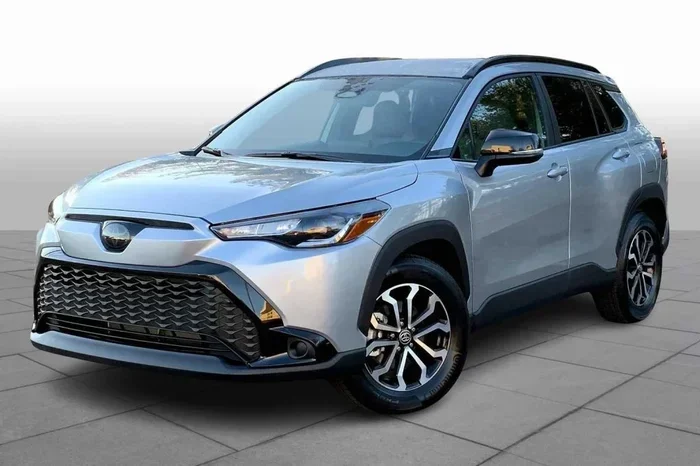
A Toyota Corolla can absolutely last 300k miles and still run great with proper care and regular maintenance. These vehicles are built with reliability in mind, and many owners report crossing the 300,000-mile mark without major issues. The key lies in following a consistent maintenance schedule, addressing small problems early, and driving with care. This guide breaks down everything you need to know about keeping your Corolla on the road for the long haul.
Key Takeaways
- Proven Reliability: Toyota Corollas are among the most dependable cars on the road, with many models reaching 300k miles or more.
- Regular Maintenance Is Critical: Staying on top of oil changes, fluid flushes, and belt replacements prevents costly repairs down the road.
- Engine and Transmission Longevity: The Corolla’s engine and transmission are designed to handle high mileage when properly cared for.
- Driving Habits Matter: Gentle driving, avoiding extreme temperatures, and storing the car properly all extend its lifespan.
- Common Issues Are Manageable: Problems like timing chain wear, overheating, and check engine codes are fixable when caught early.
- Buying a High-Mileage Corolla Can Be Smart: A well-maintained 300k-mile Corolla often still has years of reliable service left.
📑 Table of Contents
- Can a Toyota Corolla Last 300k Miles and Still Run Great?
- Why the Toyota Corolla Is Built to Last
- Maintenance Milestones for 300k Miles
- Common Issues at High Mileage
- Driving Habits That Extend Your Corolla’s Life
- Should You Buy a Used Toyota Corolla with 200k+ Miles?
- Quick Tips for Keeping Your Corolla Running Strong
- Expert Insights on High-Mileage Toyotas
- Conclusion
Can a Toyota Corolla Last 300k Miles and Still Run Great?
The short answer is yes. A Toyota Corolla can last 300k miles and still run great. These cars have earned a reputation for durability that few other vehicles can match. People buy Corollas because they want a car that keeps going year after year without breaking the bank.
But lasting 300,000 miles does not happen by accident. It takes the right combination of a solid build, consistent preventive maintenance, and smart driving habits. In this article, we will walk you through exactly what it takes to push your Corolla past the 300k mark. You will learn about common issues, maintenance milestones, and what to look for when buying a high-mileage model.
Whether you already own a Corolla with big miles on the odometer or you are thinking about buying one, this guide has you covered. Let us dive into what makes the Toyota Corolla such a long-lasting vehicle.
Why the Toyota Corolla Is Built to Last
The Toyota Corolla has been around since 1966. Over the decades, Toyota has refined the design to focus on simplicity and reliability. There are fewer complex parts in a Corolla compared to many other cars. This simplicity is a huge advantage when it comes to long-term durability.
Toyota engineers use high-quality materials in the engine, transmission, and suspension. The Corolla engine is designed to run efficiently for hundreds of thousands of miles. The transmission, whether automatic or manual, is built to handle daily driving without wearing out quickly.
Engine Design and Durability
The Corolla uses a straightforward four-cylinder engine. These engines have fewer moving parts than V6 or V8 engines. Fewer parts means fewer things that can break. The timing chain in modern Corollas is designed for longevity, but it still needs attention as the car racks up miles. You can learn more about timing chain lifespan in our guide on Can A Timing Chain Last 300k Miles.
Toyota also uses a cast iron block in many Corolla models. This adds strength and helps the engine hold up under high mileage. The cylinder walls resist wear, which keeps compression strong even after 200,000 or 300,000 miles.
Transmission Longevity
The Corolla transmission is another area where Toyota shines. The automatic transmissions used in Corollas are known for being low-maintenance and durable. Manual transmissions in older models are even simpler and can last the entire life of the car with basic care.
Regular fluid changes make a big difference. Old transmission fluid breaks down over time. Fresh fluid keeps the gears shifting smoothly and reduces wear on internal components.
Maintenance Milestones for 300k Miles
Keeping a Toyota Corolla running for 300k miles requires sticking to a maintenance schedule. The good news is that the schedule is not complicated. Toyota designed the Corolla to be easy to maintain. Here is what you need to focus on at each stage.
Oil Changes and Engine Care
Oil changes are the single most important thing you can do for your Corolla. Fresh oil lubricates the engine parts and prevents friction. Old oil loses its viscosity and stops protecting the engine effectively.
Here is a simple oil change timeline:
- Every 5,000 to 7,500 miles: Change conventional oil
- Every 7,500 to 10,000 miles: Change synthetic oil
- Every 15,000 miles: Check and replace the oil filter
Skipping oil changes is the fastest way to ruin an engine. Even if the car looks fine on the outside, old oil causes internal damage that you cannot see. Over 300k miles, those skipped changes add up fast.
Fluid Flushes and Replacements
Your Corolla relies on several other fluids besides oil. Each one has a replacement interval that matters at high mileage.
- Coolant: Flush every 30,000 miles or every 2 years. Coolant prevents the engine from overheating. Without it, you risk serious engine damage.
- Transmission Fluid: Replace every 60,000 to 80,000 miles. This keeps the transmission shifting cleanly.
- Brake Fluid: Replace every 20,000 to 30,000 miles. Brake fluid absorbs moisture over time, which reduces braking power.
- Power Steering Fluid: Check and replace every 50,000 miles if your model uses it.
Belt and Hose Replacements
Rubber belts and hoses wear out over time. The serpentine belt drives the alternator, water pump, and other accessories. A broken belt can leave you stranded. Replace it every 60,000 to 100,000 miles. Hoses should be inspected regularly for cracks or swelling.
Common Issues at High Mileage
No car is perfect, and the Toyota Corolla is no exception. Even with the best care, high-mileage Corollas can develop certain issues. The key is knowing what to watch for so you can fix problems early before they become expensive.
Timing Chain Wear
The timing chain is one component that can wear out over time. A stretched timing chain causes rough idling, rattling noises, and poor engine performance. In some Corolla models, the timing chain may need replacement around 200,000 to 300,000 miles. Replacing it early prevents engine damage. As mentioned, timing chain longevity varies by model and maintenance habits.
Overheating Risks
Overheating is one of the biggest threats to any car engine. A Corolla can overheat on a hot day, especially if the cooling system is not maintained. Here are common causes of overheating in high-mileage Corollas:
- Low coolant levels from slow leaks
- A failing water pump
- A clogged radiator
- A broken thermostat
You can read more about overheating causes and prevention in our article on Can A Car Overheat On A Hot Day. The tips apply directly to keeping your Corolla cool at high mileage.
Check Engine Light and Error Codes
As a Corolla ages, the check engine light may come on from time to time. One common code is the P0171 code, which indicates a lean fuel mixture. This can be caused by bad gas, a vacuum leak, or a failing sensor. You can still drive with a P0171 code for a short distance, but it should be diagnosed and fixed promptly. Learn more about this in our article on Can I Still Drive With A P0171 Code.
Another common issue is bad gas causing the P0171 code. Using low-quality fuel can introduce contaminants that affect engine performance. Always try to fill up at reputable gas stations.
Rust and Body Wear
Rust is the silent killer of high-mileage cars. Corollas from certain years are more prone to rust than others. Regularly washing the undercarriage, especially in winter months, helps prevent rust from forming. Applying a rust inhibitor or sealant to exposed metal areas adds extra protection.
Driving Habits That Extend Your Corolla’s Life
How you drive matters just as much as how you maintain your car. Good driving habits reduce wear on the engine, transmission, brakes, and suspension. Here are some habits that help your Corolla last 300k miles and beyond.
Warm Up the Engine Gently
Cold starts are hard on any engine. When you start your Corolla in the morning, let it idle for 30 to 60 seconds before driving. This gives the oil time to circulate and lubricate the engine parts. Avoid revving the engine right after startup. Let the temperature gauge reach normal operating range before pushing the car hard.
Avoid Aggressive Driving
Hard acceleration and sudden braking wear out parts faster. Aggressive driving puts extra stress on the engine, transmission, and brakes. Smooth, steady driving is gentler on all components. Over hundreds of thousands of miles, this difference adds up significantly.
Keep Speeds Moderate on the Highway
Driving at consistent highway speeds of 55 to 70 mph is easier on the engine than frequent speed changes. Cruise control is your friend on long road trips. It keeps your speed steady and reduces unnecessary fuel combustion.
Avoid Overloading the Vehicle
The Corolla is a compact sedan. It is not designed to carry heavy loads regularly. Overloading strains the engine, suspension, and brakes. Stick to the recommended weight limits in your owner’s manual.
Should You Buy a Used Toyota Corolla with 200k+ Miles?
Buying a used Toyota Corolla with high mileage can be a great deal. These cars hold their value well and often cost less than newer models with lower mileage. But you need to know what to look for before you buy.
Get a Vehicle History Report
Always check the vehicle history before purchasing a used Corolla. A history report tells you about past accidents, ownership changes, and service records. You can learn how to check a car’s history in our guide How Can I Check A Car S History. A clean history report gives you confidence that the car was well cared for.
What to Inspect Before Buying
Here is a checklist of things to look for when buying a high-mileage Corolla:
- Check the oil for cleanliness and color
- Look for rust under the car and on the wheel wells
- Test the transmission for smooth shifting
- Listen for unusual engine noises like rattling or knocking
- Inspect the brakes for remaining pad life
- Check all fluid levels and conditions
- Look at the tires for even wear patterns
- Verify the check engine light is off
Cost vs. Benefit Analysis
A Corolla with 200k to 300k miles might cost $5,000 to $10,000 depending on the year and condition. Compare that to a new Corolla that costs $25,000 or more. The savings are significant. As long as the car has been maintained properly, you can expect several more years of reliable service from it.
The Toyota Corolla lifespan routinely extends well beyond 300k miles. Many owners report reaching 400,000 miles with only minor repairs along the way. This makes the Corolla one of the best values in the used car market.
Quick Tips for Keeping Your Corolla Running Strong
Here are some quick tips that make a big difference over the life of your Corolla:
- Follow the maintenance schedule in your owner’s manual to the letter.
- Use quality parts when replacing components. OEM parts are designed specifically for your car.
- Keep a maintenance log to track all services and repairs.
- Address small problems immediately. A small leak today becomes a big repair tomorrow.
- Wash your car regularly to protect the paint and undercarriage from rust.
- Store the car in a garage when possible to shield it from weather damage.
- Use the right fuel grade. Most Corollas run fine on regular unleaded.
Expert Insights on High-Mileage Toyotas
Toyota mechanics and long-time Corolla owners agree on a few key points. First, the 1.8-liter and 2.0-liter engines in modern Corollas are exceptionally reliable. Second, the 2014 and newer models have improved significantly in terms of build quality. Third, the biggest predictor of a Corolla lasting 300k miles is the owner’s commitment to regular maintenance.
Many mechanics recommend replacing the water pump and thermostat at around 150,000 miles as preventive measures. These are inexpensive parts that can cause major problems if they fail at high mileage. Taking these small steps now saves you from expensive repairs later.
Another expert tip is to pay attention to the coolant condition. Dirty coolant loses its ability to regulate engine temperature. A coolant flush at the recommended interval keeps the cooling system working properly and prevents overheating issues.
Conclusion
The answer to whether a Toyota Corolla can last 300k miles is a resounding yes. These cars are built with reliability as a core design principle. With consistent maintenance, smart driving habits, and prompt attention to issues, your Corolla can easily surpass the 300,000-mile mark and still run great.
The key takeaways are simple. Change your oil regularly. Flush your fluids on schedule. Replace worn parts before they fail. Drive smoothly and avoid overloading the vehicle. Follow these steps and your Corolla will reward you with years of dependable service.
A high-mileage Toyota Corolla is not something to fear. It is an opportunity to own a proven, reliable vehicle at a fraction of the cost of a new car. Do your research, inspect the car carefully, and commit to ongoing maintenance. Your 300k-mile Corolla will keep on keeping on.
Frequently Asked Questions
How many miles can a Toyota Corolla last?
With proper maintenance, a Toyota Corolla can last 300,000 miles or more. Many owners report reaching 400,000 miles without major engine or transmission work. The key is sticking to a regular maintenance schedule and addressing small issues before they become big problems.
What is the most common problem with high-mileage Corollas?
The most common issues include timing chain wear, coolant leaks, and rust. These problems are manageable when caught early. Regular inspections and fluid flushes help prevent most of these issues from becoming serious.
Is it worth buying a used Toyota Corolla with over 200k miles?
Yes, it can be a great value. A well-maintained Corolla with high miles often costs much less than a newer model. As long as the car has a clean history and shows no signs of neglect, it can provide many more years of reliable service.
How often should I change the oil in my Corolla?
You should change the oil every 5,000 to 7,500 miles with conventional oil or every 7,500 to 10,000 miles with synthetic oil. Following the manufacturer’s recommended interval is essential for engine longevity, especially as the car reaches high mileage.
Can I still drive my Corolla if the check engine light is on?
You can drive a short distance if the check engine light is on, but you should get the car diagnosed soon. A steady light usually indicates a non-emergency issue, while a flashing light means you should stop driving and get help immediately. Common causes include loose gas caps, sensor failures, or fuel quality issues.
What maintenance is most important for a Corolla to reach 300k miles?
The most important maintenance tasks are regular oil changes, coolant flushes, transmission fluid replacements, and timing chain inspections. These services protect the core components of the car and prevent the most expensive repairs. Staying consistent with these tasks is the single best thing you can do for your Corolla’s longevity.