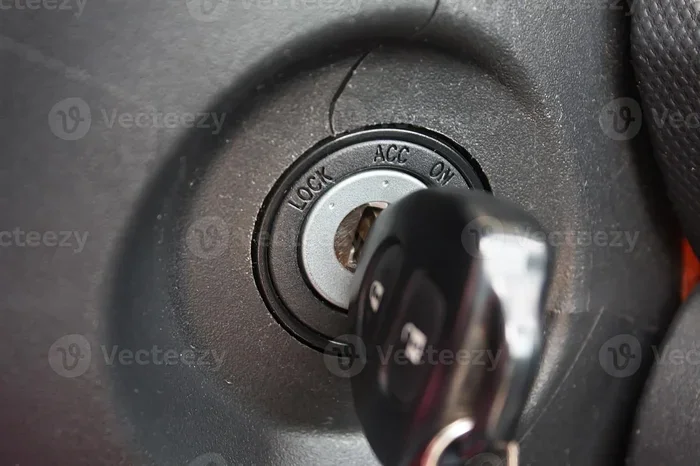
Why Wont My Car Start With the Key Every Single Time
Your car may not start with the key due to a dead battery, faulty ignition switch, or worn key teeth. Other culprits include a bad starter motor, corroded battery terminals, and a locked steering wheel. This guide walks you through every possible reason and gives you clear, step-by-step fixes you can try right now.
Key Takeaways
- Dead battery is the #1 cause: Most car starting problems come from a weak or dead 12-volt battery.
- Worn keys matter more than you think: Flattened or damaged key teeth can prevent the ignition from recognizing the key.
- Steering wheel lock is an easy fix: Wiggle the wheel while turning the key to release it.
- Corroded terminals block power flow: Clean battery connections regularly to avoid starting issues.
- Starter motor failure needs professional help: If you hear a single click but nothing else, the starter may need replacement.
- Immobilizer problems are common with older cars: The security system can reject your key if the transponder chip fails.
- Preventive maintenance saves time and money: Regular battery checks and key inspections keep your car running smoothly.
📑 Table of Contents
- Why Wont My Car Start With the Key Every Single Time?
- How to Diagnose the Problem Step by Step
- Battery Problems: The Most Common Culprit
- Ignition Switch and Starter Motor Issues
- Key and Ignition Cylinder Wear
- Security System and Immobilizer Problems
- Quick Fixes You Can Try Right Now
- When to Call a Professional
- Preventing Future Starting Problems
- Comparison: Common Starting Problems and Their Fixes
- Key Takeaways
- Frequently Asked Questions
- Conclusion
Why Wont My Car Start With the Key Every Single Time?
There is nothing more frustrating than turning your key and hearing nothing but silence. You twist the ignition. Nothing. You try again. Still nothing. Your car wont start with the key, and you are left standing in the driveway wondering what went wrong.
This problem happens to almost every driver at some point. Sometimes it is a simple fix you can handle in minutes. Other times, it points to a deeper mechanical issue that needs a mechanic. Either way, understanding the root cause helps you act faster and spend less money on repairs. In this article, we break down every reason your key wont turn in the ignition and give you practical solutions that really work.
Whether your engine cranks but fails to fire up, or you hear nothing at all, this guide covers it all. We will look at battery problems, ignition switch faults, key wear, and much more. By the end, you will know exactly what to check and what to do next.
Common Reasons Your Car Wont Start With the Key
Before you panic, take a breath. Most car starting problems fall into a few common categories. Let us look at each one so you can narrow down the cause quickly.
Dead or weak battery. This is the number one reason cars fail to start. Batteries last three to five years on average. Cold weather, short trips, and leaving lights on can drain them faster. If your headlights are dim or your dashboard lights flicker, the battery is likely the culprit.
Faulty ignition switch. The ignition switch sends power from the battery to the starter motor. When it wears out, your car wont start with the key even if the battery is fine. You might notice the dashboard lights flicker when you turn the key, or the engine stalls shortly after starting.
Worn or damaged key. Keys wear down over time. The tiny teeth on the key blade can flatten or chip, making it impossible for the ignition cylinder to recognize the key. If your key looks smooth or shiny in certain spots, it may be time for a replacement.
Bad starter motor. The starter motor is the electric motor that cranks your engine. When it fails, you usually hear a single loud click when you turn the key. The engine will not turn over at all.
Corroded battery terminals. White or greenish buildup on your battery connections blocks the flow of electricity. This is a very common issue, especially in humid or coastal areas. A simple cleaning can often restore full power to your starting system.
Steering wheel lock. This one catches people off guard all the time. When you turn off the car and turn the steering wheel slightly, the steering lock engages. The key will not turn in the ignition until you wiggle the wheel free.
Immobilizer or security system issues. Modern cars have transponder keys with built-in chips. If the chip is damaged or the immobilizer system does not recognize it, the engine will not start even though everything else looks fine.
How to Diagnose the Problem Step by Step
Now that you know the common causes, let us walk through a simple diagnostic process. You do not need to be a mechanic to check most of these things. A little patience and a flashlight will take you far.
Step 1: Check the Dashboard Lights
Turn the key to the “On” position without starting the engine. Do the dashboard lights come on? If they are dim or completely dark, your battery is likely dead or dying. If the lights are bright and normal, the battery may not be the problem.
Step 2: Listen Carefully When You Turn the Key
What do you hear when you turn the key? This tells you a lot. A single loud click usually means a bad starter motor or a solenoid problem. Rapid clicking typically points to a weak battery. Silence with no click at all could mean a faulty ignition switch or a completely dead battery.
Step 3: Inspect the Key and Ignition Cylinder
Look at your key closely. Are there any visible signs of wear? Is the key bent or cracked? Insert it gently into the ignition. If it feels tight or will not go in all the way, the ignition cylinder may be worn or the key is damaged. Never force a key into the ignition. This can make the problem worse.
Step 4: Check the Battery Terminals
Pop the hood and look at your battery terminals. Do you see any white, blue, or greenish buildup? This is corrosion, and it blocks electrical current. You can clean it with a mixture of baking soda and water and a small wire brush. Always disconnect the negative terminal first before cleaning.
Step 5: Try the Steering Wheel Trick
Grab the steering wheel and wiggle it left and right while simultaneously trying to turn the key. This releases the steering lock mechanism. It sounds too simple, but it works more often than you would think.
Battery Problems: The Most Common Culprit
The battery sits at the heart of your car starting system. Without it, nothing happens when you turn the key. Understanding how batteries fail and how to prevent it can save you from a lot of headaches.
Batteries lose charge over time, especially if your car sits idle for long periods. A battery that is three years old or older should be tested at every oil change. Many auto parts stores offer free battery testing. You can also use a multimeter to check the voltage yourself. A fully charged battery should read 12.6 volts or higher.
Signs of a dying battery include:
- Slow cranking when you turn the key
- Dim headlights or interior lights
- The dashboard warning light for the battery
- A swollen or bloated battery case
- The car starts fine in the morning but dies after a short trip
If your battery is dead, you have two options. You can jump-start it using jumper cables and another vehicle. Or you can use a portable jump starter pack, which is a great tool to keep in your trunk. After a jump-start, drive the car for at least 20 minutes to recharge the battery. If the battery keeps dying, it is time for a replacement.
Quick Tip: Always turn off all lights, the radio, and accessories before shutting off the engine. This small habit extends battery life significantly.
Ignition Switch and Starter Motor Issues
When the battery is not the problem, the next most common cause is the ignition switch or the starter motor. These two components work together to crank your engine. If either one fails, your car wont start with the key.
How the Ignition Switch Works
The ignition switch has several positions. Off, Accessory, On, and Start. When you turn the key to the Start position, the switch sends electrical current to the starter motor. Over time, the internal contacts wear out and fail to make proper connection. You might notice the engine stalls right after starting, or the accessories work but the engine will not crank.
How the Starter Motor Works
The starter motor is a small but powerful electric motor. It engages with the engine flywheel to crank the engine. When you turn the key, a solenoid pushes the starter gear into place. If the solenoid or motor fails, you get that telltale single click with no cranking.
Common signs of starter motor failure:
- A single loud click when turning the key
- Grinding noise when trying to start
- The engine cranks slowly even with a good battery
- The starter engages but the engine does not turn over
If you suspect the starter motor, do not keep turning the key repeatedly. This can overheat and damage the starter further. Have a professional diagnose and replace it if needed.
Key and Ignition Cylinder Wear
People often overlook the key itself when troubleshooting starting problems. But a worn key can cause just as much trouble as a bad battery or starter motor.
Every time you insert and turn your key, the tiny ridges on the key blade interact with the tumblers inside the ignition cylinder. Over months and years of use, these ridges wear down. The key becomes loose in the ignition or fails to push the tumblers into the correct position.
Signs your key is wearing out:
- The key feels loose or wobbly in the ignition
- You have to wiggle the key to get it to turn
- The key blade looks shiny or smooth in certain spots
- The car starts intermittently, not every time
If your key shows these signs, get a duplicate cut at a hardware store or locksmith. Always keep a spare key in a safe place. A spare key can save you from being stranded if your primary key fails unexpectedly.
Security System and Immobilizer Problems
Modern cars come with immobilizer systems that prevent theft. These systems use a transponder chip inside the key to communicate with the car’s computer. If the chip is damaged or the car does not recognize it, the engine will not start even though everything else seems fine.
Signs of an immobilizer problem:
- The security or anti-theft light flashes on the dashboard
- The engine cranks but will not start
- The key works sometimes but not always
- You recently had a new key cut and it does not work
If the security light is flashing, try using your spare key. Sometimes the chip in the primary key has failed. You may also need to reprogram the key with your car’s computer. This is a job best left to a qualified locksmith or dealership technician.
Quick Fixes You Can Try Right Now
Before you call a mechanic, try these simple fixes. Many of them cost nothing and take only a few minutes.
1. Wiggle the steering wheel while turning the key. This releases the steering lock. It works surprisingly often and takes just five seconds.
2. Clean the battery terminals. Use a wire brush and a baking soda solution to remove corrosion. Reconnect the terminals firmly and try starting again.
3. Tap the starter motor gently. If you hear a click but the engine does not crank, a light tap on the starter with a rubber mallet can sometimes free a stuck component. Do this carefully and only as a temporary fix.
4. Check the gear shift. Make sure your car is in Park (automatic) or Neutral (manual). Some cars will not start if the transmission is in any other position.
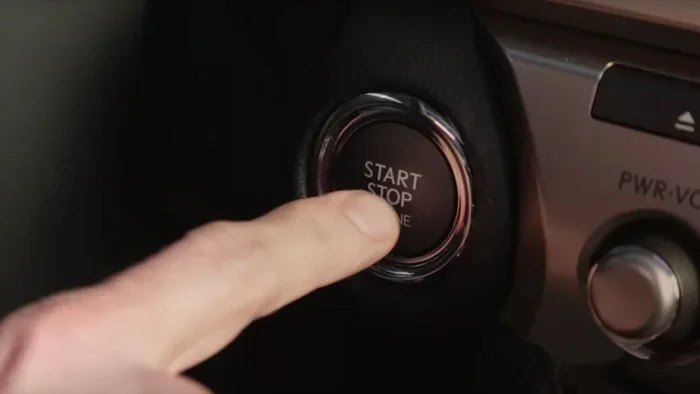
5. Replace the key fob battery. If you have a push-button start or a remote key, a weak fob battery can prevent the car from recognizing the key. Replace the battery with a fresh CR2032 or the type specified in your owner’s manual.
Common Mistakes to Avoid:
- Do not keep turning the key repeatedly. This drains the battery further and can damage the starter.
- Do not ignore the steering wheel lock. Forcing the key can break it inside the ignition cylinder.
- Do not assume it is always the battery. Have the whole starting system checked if the problem persists.
- Do not use the wrong key. Spare keys that are not properly cut will not work and can jam the ignition.
When to Call a Professional
Some starting problems need professional attention. If you have tried the quick fixes above and your car still wont start with the key, it is time to call in the experts. Here are the situations where professional help is essential:
- The battery tests fine but the car still will not crank
- The ignition switch feels loose or does not click into positions
- The starter motor makes grinding or whirring noises
- The security light stays on and the car will not recognize the key
- You notice a burning smell or smoke under the hood
A qualified mechanic can run diagnostic tests on your ignition system, starter motor, and electrical connections to pinpoint the exact issue. Trying to repair complex electrical problems without proper tools and knowledge can lead to costly mistakes.
Preventing Future Starting Problems
The best way to deal with starting problems is to prevent them from happening in the first place. A little maintenance goes a long way toward keeping your car reliable every single morning.
Keep your battery healthy. Have it tested twice a year, especially before winter. Replace it every three to five years even if it seems fine. A failing battery rarely gives much warning.
Keep your key in good condition. Do not carry your keychain with heavy items that put stress on the key blade. Replace worn keys before they break inside the ignition.
Drive your car regularly. Batteries charge while the engine runs. If your car sits idle for weeks, the battery slowly loses charge. Take it for a short drive at least once a week if possible.
Keep terminals clean. Inspect your battery terminals every few months. Clean any corrosion early before it becomes a serious problem.
Store spare keys safely. Always have at least one spare key in a different location. You never know when your primary key will fail, and a spare can save you from a costly tow.
Expert Insight: “Most car owners wait until their car won’t start to think about their battery or ignition system. A little proactive maintenance can prevent 90 percent of starting problems,” says automotive technician Mark Dawson.
Comparison: Common Starting Problems and Their Fixes
| Problem | Symptoms | Likely Cause | Fix |
|---|---|---|---|
| No sound at all | Complete silence when key is turned | Dead battery or faulty ignition switch | Jump start or replace battery; check ignition switch |
| Single click | One click, engine does not crank | Bad starter motor or solenoid | Tap starter or replace starter motor |
| Rapid clicking | Fast clicking noise, engine does not turn | Weak or dead battery | Charge or replace battery |
| Engine cranks but won’t fire | Engine turns over but does not start | Fuel pump failure, spark plugs, or immobilizer | Check fuel pump, spark plugs, and key transponder |
| Key will not turn | Key is stuck in ignition | Steering wheel lock or worn key | Wiggle steering wheel; replace key |
Key Takeaways
- Dead battery is the #1 cause: Most car starting problems come from a weak or dead 12-volt battery.
- Worn keys matter more than you think: Flattened or damaged key teeth can prevent the ignition from recognizing the key.
- Steering wheel lock is an easy fix: Wiggle the wheel while turning the key to release it.
- Corroded terminals block power flow: Clean battery connections regularly to avoid starting issues.
- Starter motor failure needs professional help: If you hear a single click but nothing else, the starter may need replacement.
- Immobilizer problems are common with older cars: The security system can reject your key if the transponder chip fails.
- Preventive maintenance saves time and money: Regular battery checks and key inspections keep your car running smoothly.
Frequently Asked Questions
Why does my car start some days but not others?
Inconsistent starting is usually a sign of a weak battery or a worn ignition switch. The problem often gets worse in cold weather or after the car sits for a long time. Have your battery tested to confirm whether it is holding a charge properly.
Can a bad key fob battery prevent my car from starting?
Yes, especially if your car uses a push-button start or a smart key system. A weak fob battery means the car cannot detect the key inside the vehicle. Replacing the fob battery with a fresh CR2032 coin cell usually solves this problem quickly.
How do I know if my starter motor is bad?
A bad starter motor typically produces a single loud click when you turn the key. The engine will not crank at all. You may also hear grinding sounds. If you notice these symptoms, have a mechanic inspect the starter motor and solenoid as soon as possible.
Is it safe to drive with a faulty ignition switch?
No. A faulty ignition switch can cause the engine to stall while driving or prevent the car from starting altogether. It can also affect your power steering and brakes if the switch fails while driving. Replace a bad ignition switch promptly to avoid safety risks.
What should I do if my key breaks off inside the ignition?
Do not try to remove it yourself with tweezers or other tools. You risk pushing it deeper into the ignition cylinder. Instead, call a locksmith or tow your car to a mechanic. They have specialized tools to extract broken keys safely without damaging the ignition.
How often should I replace my car battery?
Most car batteries last between three and five years. Extreme heat, short trips, and frequent stop-and-go driving can shorten battery life. Have your battery tested at least twice a year, and replace it proactively before it leaves you stranded.
Conclusion
Dealing with a car that wont start with the key is never fun, but it is almost always solvable. The most common causes are dead batteries, worn keys, faulty ignition switches, and corroded terminals. By following the diagnostic steps in this guide, you can often identify the problem yourself and fix it quickly.
Remember the simple fixes first. Wiggle the steering wheel. Check the battery terminals. Try the spare key. These small actions solve a surprising number of starting problems. When those do not work, it is time to dig deeper into the starter motor, ignition switch, or security system.
Prevention is your best long-term strategy. Keep your battery healthy, maintain your keys, and stay on top of basic maintenance. Your future self will thank you the next time you hop in the car and it starts right up on the first try.
Take action today. Check your battery, inspect your key, and clean your terminals. A few minutes of attention now can save you hours of frustration later. And if the problem persists, do not hesitate to reach out to a trusted mechanic. Your car deserves the best care, and so do you.