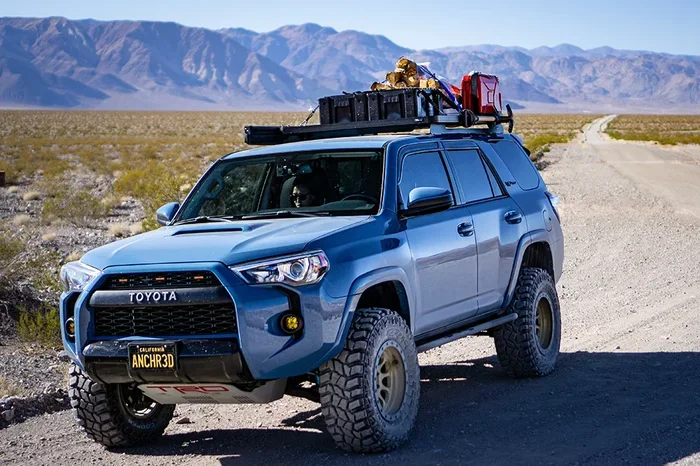
Average Life Expectancy of a Toyota 4Runner Explained
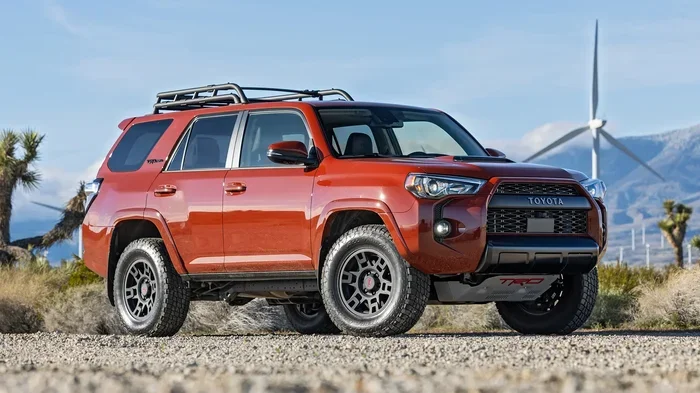
The Toyota 4Runner is one of the most reliable SUVs on the road, with an average life expectancy of 200,000 to 300,000 miles when properly maintained. Regular 4Runner maintenance, timely oil changes, and addressing common issues early can push your Toyota 4Runner lifespan well beyond 25 years. Whether you own a first-generation or the latest model, understanding what affects 4Runner longevity helps you get the most out of your investment.
The Toyota 4Runner has earned a legendary reputation as one of the toughest, most reliable SUVs ever built. When people ask about the average life expectancy of a Toyota 4Runner, the answer is genuinely impressive. With proper care, this truck-based SUV can easily surpass 250,000 miles and keep going strong for decades.
But what exactly determines how long a 4Runner will last? And more importantly, what can you do to make sure yours reaches its full potential? This guide breaks down everything you need to know about Toyota 4Runner lifespan, from generational differences to the maintenance habits that make all the difference.
Understanding the average life expectancy of a Toyota 4Runner starts with knowing that this vehicle was designed for durability. Toyota built the 4Runner with a body-on-frame construction, a simple and proven drivetrain, and components that prioritize function over flash. That engineering philosophy is the foundation of 4Runner reliability.
Several factors play a role in determining how many miles your 4Runner will clock. Let us explore the biggest ones.
Key Takeaways
- Average Lifespan: A well-maintained Toyota 4Runner lasts 200,000 to 300,000 miles or 15 to 25 years.
- Maintenance Matters: Regular oil changes, brake inspections, and fluid flushes dramatically extend 4Runner longevity.
- Generational Differences: Newer models have more advanced tech but also more complex systems that may need attention.
- Common Issues: Watch for timing chain wear, transmission problems, and rust on older models.
- Driving Habits: Gentle driving, avoiding short trips, and proper storage all contribute to a longer 4Runner life.
- Resale Value: High-mileage 4Runners still hold strong resale value due to their reputation for durability.
📑 Table of Contents
- What Is the Average Life Expectancy of a Toyota 4Runner?
- How Generations Affect the Toyota 4Runner Lifespan
- Common Issues That Affect 4Runner Longevity
- How to Maximize Your Toyota 4Runner Lifespan
- 4Runner Maintenance Schedule and Cost
- The 4Runner Holds Its Value
- Expert Insights on 4Runner Longevity
- Conclusion
What Is the Average Life Expectancy of a Toyota 4Runner?
Most Toyota 4Runner owners report that their vehicles last between 200,000 and 300,000 miles with standard maintenance. Some well-cared-for examples push past 350,000 miles without major engine or transmission work. On average, a 4Runner gives you about 15 to 25 years of service, depending on how many miles you drive per year.
The Toyota 4Runner mileage record holders often share a few common habits. They stay on top of oil changes, address small problems before they grow, and treat the vehicle with respect on the road. These are not secrets; they are simply consistent care practices.
Compared to other SUVs in its class, the 4Runner stands out. Vehicles like the Ford Explorer or Chevy Tahoe often need major repairs by the 150,000-mile mark. The 4Runner routinely beats those numbers, which is why it holds its value so well on the used market.
Why the 4Runner Outlasts Many Competitors
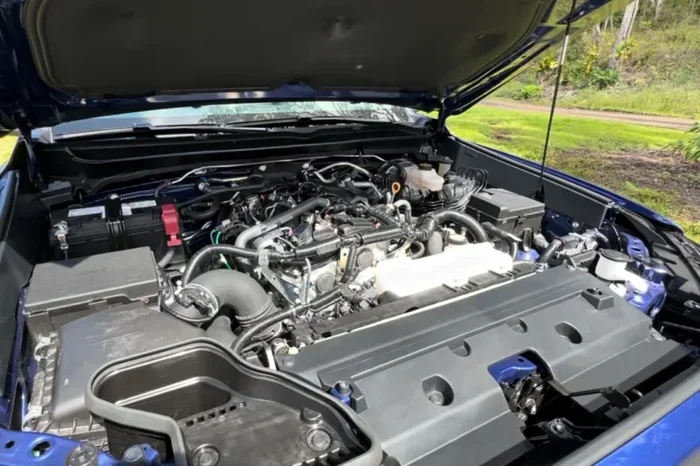
The 4Runner uses a straightforward powertrain design that has been refined over decades. Toyota does not chase every trend. Instead, it sticks with proven engines and transmissions that have a track record of lasting a long time. The 4Runner drivetrain is built to handle towing, off-roading, and daily commuting without breaking a sweat.
Another reason for Toyota SUV longevity is the availability of parts. Because the 4Runner has been around since 1984, there is a massive aftermarket support system. You can find quality replacement parts for any generation, which makes repairs more affordable and keeps older models on the road longer.
How Generations Affect the Toyota 4Runner Lifespan
Not all 4Runners are created equal. The vehicle has gone through several generations since its debut, and each one brings its own strengths and weaknesses when it comes to 4Runner longevity.
First Generation (1984-1995)
The original 4Runner was essentially a Toyota Hilux pickup truck with a covered bed. These early models are known for their simplicity. With fewer electronic systems to fail, the first-generation 4Runner can live a very long life. Many examples from this era are still running strong today. However, they lack modern safety features and fuel economy.
Second and Third Generations (1996-2009)
The second and third generations brought more refinement and comfort. The 2003 Toyota 4Runner and its predecessors introduced a more car-like driving experience while keeping the rugged DNA intact. These models are extremely popular on the used market and have a solid reputation for durability. The 2.7-liter four-cylinder and the 4.0-liter V6 both proved to be long-lasting engines.
One common issue with these generations involves the 4Runner timing chain. Over time, the timing chain can stretch, especially if oil changes are neglected. Regular maintenance prevents this problem from becoming serious.
Fourth and Fifth Generations (2010-Present)
The newer 4Runners come with more technology, better fuel economy, and improved safety. However, more complexity can sometimes mean more things that can go wrong. The 2016 Toyota 4Runner and later models feature updated transmissions and electronic systems that require proper care. Overall, these generations still maintain excellent 4Runner reliability ratings.
If you are considering a newer model, keep in mind that the full Toyota 4Runner lifespan is still being written. Early data suggests these models will easily reach 250,000 miles with proper care.
Common Issues That Affect 4Runner Longevity
Every vehicle has its quirks, and the 4Runner is no exception. Understanding the Toyota 4Runner problems that commonly arise helps you stay ahead of them.
Timing Chain Wear
The timing chain is one component that demands attention. On older 4Runners, a stretched timing chain can cause rough idling, engine noise, and reduced performance. Replacing the timing chain early prevents more serious engine damage. This is one of those 4Runner maintenance items that pays off big over the long run.
Transmission Concerns
The automatic transmission in the 4Runner is generally robust. However, transmission fluid degrades over time. Skipping fluid changes can lead to rough shifting and premature wear. A simple transmission fluid flush every 60,000 miles goes a long way toward protecting this critical component.
Rust and Body Durability
Older 4Runners, especially those from the 1980s and early 1990s, are susceptible to rust. The undercarriage, wheel wells, and rocker panels are common areas where corrosion develops. Regular washing, especially in winter months when roads are salted, helps prevent rust from taking hold.
Suspension Components
The 4Runner is an off-roader at heart, and that means its suspension takes a beating. Ball joints, control arm bushings, and shock absorbers wear out over time. Replacing these parts promptly keeps the vehicle handling safely and prevents uneven tire wear.
How to Maximize Your Toyota 4Runner Lifespan
The secret to a long-lasting 4Runner is not magic. It comes down to a few simple but consistent habits. Here is what every owner should do.
Follow the Maintenance Schedule
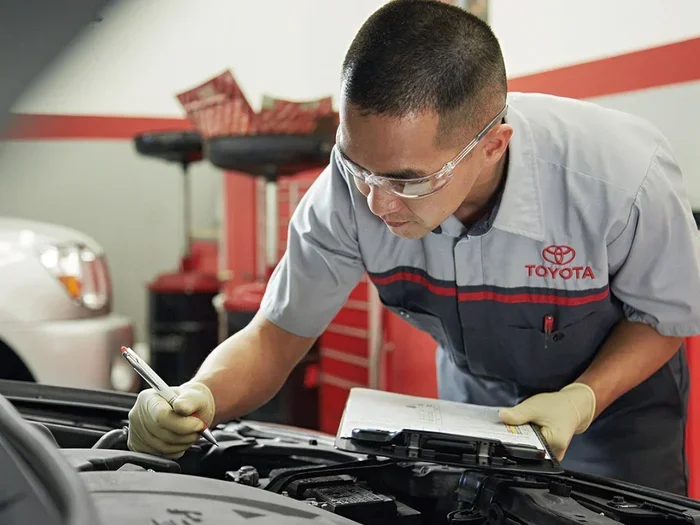
Toyota provides a detailed maintenance schedule for every 4Runner model year. Sticking to it is the single most important thing you can do. Oil changes, coolant flushes, brake inspections, and belt replacements all have recommended intervals for a reason.
Do not skip oil changes. Clean oil is the lifeblood of your engine. It reduces friction, removes contaminants, and prevents overheating. Over time, dirty oil breaks down and loses its protective properties.
Drive with Care
How you drive affects how long your 4Runner lasts. Aggressive acceleration, hard braking, and redlining the engine all increase wear and tear. Smooth, steady driving puts less stress on the engine, transmission, and brakes.
Warm up the engine before driving hard. Cold oil does not lubricate as effectively. Give it a minute or two to circulate, especially in cold weather.
Address Problems Early
Small noises, warning lights, and subtle changes in performance are your 4Runner telling you something. Ignoring these signs almost always leads to bigger, more expensive problems. Get any unusual symptoms checked out right away.
For example, if you notice a slight rattle at startup, it could be a timing chain issue. Catching it early means a cheaper repair. Letting it go could result in engine damage.
Keep It Clean
Regular washing does more than make your 4Runner look good. It removes salt, dirt, and chemicals that cause rust and corrosion. Pay special attention to the undercarriage, especially if you live in a snowy or coastal area.
4Runner Maintenance Schedule and Cost
Understanding what maintenance costs look like over the life of a 4Runner helps you plan ahead. Here is a rough breakdown.
- Oil Changes: Every 5,000 to 7,500 miles, costing $50 to $80 per change.
- Tire Rotations: Every 5,000 to 7,500 miles, usually included with oil changes.
- Brake Pads: Every 30,000 to 50,000 miles, costing $150 to $300 per axle.
- Transmission Fluid Flush: Every 60,000 miles, costing $150 to $250.
- Timing Chain Replacement: Around 100,000 to 150,000 miles if needed, costing $500 to $1,500.
- Major Service (60K, 120K): $300 to $800 depending on what is needed.
The Toyota 4Runner repair costs are generally lower than competitors. Toyota parts are widely available, and the simple design of older models means fewer expensive electronic repairs. This affordability is a big reason why so many 4Runners reach high mileages.
Quick Tips for a Longer-Lasting 4Runner
- Check your fluid levels monthly.
- Rotate tires every 5,000 miles.
- Use synthetic oil for better engine protection.
- Keep a maintenance log to track all services.
- Avoid short trips when possible; they cause moisture buildup in the engine.
- Store your 4Runner in a garage when you can.
The 4Runner Holds Its Value
One of the most compelling reasons the 4Runner has such a long lifespan is its strong resale value. Toyota trucks and SUVs depreciate more slowly than most competitors. A high-mileage 4Runner still commands a fair price, which means owners can keep driving them longer without feeling the financial sting of depreciation.
This also creates a positive cycle. Because the 4Runner holds its value, more people buy used ones. Those buyers maintain them well because they know the vehicle will last. The result is a reputation for 4Runner reliability that keeps growing with each passing year.
Before buying a used 4Runner, always check a car’s history to get a sense of how it was maintained. A vehicle history report can reveal accidents, service records, and ownership changes that affect the remaining lifespan.
Expert Insights on 4Runner Longevity
Automotive experts consistently rank the Toyota 4Runner among the most dependable SUVs available. Consumer Reports, J.D. Power, and various owner forums all point to the same conclusion: the 4Runner is built to last.
Mechanics who specialize in Toyota vehicles often say the same thing. The 4Runner’s simplicity is its strength. There are fewer sensors, fewer computers, and fewer moving parts that can fail compared to more modern, tech-heavy SUVs. This does not mean the 4Runner is outdated. It means it is focused on what matters most: durability and reliability.
Many experts also recommend buying a 4Runner with a clean maintenance history. A vehicle that has been regularly serviced will almost always outlast one that has been neglected. When in doubt, ask for service records and have a trusted mechanic inspect the vehicle before purchase.
If you are dealing with a specific issue on your 4Runner, resources are available. For instance, if you are having trouble with your key fob or anti-theft system, understanding how to get your car out of anti-theft mode with a fob can save you time and frustration. Similarly, if you are looking at a used 4Runner and want to verify its background, learning how to check a car’s history is an essential step.
Conclusion
The average life expectancy of a Toyota 4Runner is genuinely impressive. With 200,000 to 300,000 miles as the standard benchmark, and many examples pushing well beyond that, the 4Runner proves that Toyota built this vehicle to last. The key to unlocking that longevity lies in consistent maintenance, careful driving, and addressing issues before they become serious.
Whether you own a classic first-generation model or a brand-new fifth-generation 4Runner, the principles remain the same. Take care of your vehicle, and it will take care of you. The Toyota 4Runner is not just a reliable SUV; it is a long-term companion that rewards good ownership with years of dependable service.
If you are considering buying a 4Runner or already own one, focus on the maintenance basics. Keep up with oil changes, watch for warning signs, and treat the vehicle with the respect it deserves. Your 4Runner will reward you with a lifespan that few other SUVs can match.
Frequently Asked Questions
How many miles can a Toyota 4Runner last?
A well-maintained Toyota 4Runner can last between 200,000 and 300,000 miles, and some examples exceed 350,000 miles. The key is consistent maintenance and gentle driving habits. With proper care, a 4Runner routinely reaches 20-plus years of service.
What is the most common problem with a Toyota 4Runner?
The most common issues include timing chain wear, transmission fluid degradation, and rust on older models. These problems are all preventable with regular maintenance. Staying on top of fluid changes and keeping the vehicle clean goes a long way.
Is the Toyota 4Runner expensive to maintain?
No, the 4Runner is actually one of the more affordable SUVs to maintain. Toyota parts are widely available, and the simple design keeps repair costs low. Routine services like oil changes and brake replacements are reasonably priced.
Which Toyota 4Runner generation lasts the longest?
The first and second generations are known for their simplicity and durability, which contributes to long Toyota 4Runner lifespan. However, all generations can reach high mileages with proper care. Newer models also have strong longevity potential despite added complexity.
Does driving style affect 4Runner longevity?
Absolutely. Aggressive driving, frequent hard braking, and cold starts without warm-up time all increase wear on the engine and transmission. Smooth, steady driving significantly extends the life of your 4Runner and reduces repair needs over time.
Should I buy a high-mileage Toyota 4Runner?
Yes, if the vehicle has a clean maintenance history and no major issues. High-mileage 4Runners often have the best value because they have already gone through the steepest depreciation. Always get a pre-purchase inspection and check the vehicle’s history before buying.