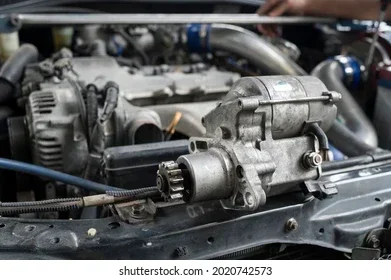
Can I Drive My Car If The Starter Is Bad?
Driving with a bad starter is risky and often impossible. A failing starter can leave you stranded, damage your engine, or cause safety issues. This guide covers the warning signs, what happens when a starter goes bad, and how to handle the situation safely.
Key Takeaways
- You typically cannot drive with a bad starter: The starter is essential for turning the engine on.
- Warning signs include grinding noises and intermittent starting: Catch these early to avoid getting stranded.
- A bad starter can damage other parts: Including the engine flywheel and electrical system.
- Temporary fixes exist but are not long-term solutions: Like tapping the starter or jump-starting the car.
- Replacement costs range from $200 to $600: Depending on your vehicle model and labor costs.
- Always consult a professional mechanic: For proper diagnosis and safe repairs.
Can I Drive My Car If The Starter Is Bad?
The short answer is no. You really cannot drive your car if the starter is bad. The starter is the part that turns your engine on. Without it working properly, your car simply will not start. Many people wonder if they can still drive when the starter shows signs of failure. The truth is that driving with a bad starter is dangerous and can cause more damage to your vehicle.
Your car’s starting system is simple but important. When you turn the key or push the start button, the starter motor engages. It spins the engine until it fires up on its own. If this part fails, you are stuck. Some people think they can coast the car or push it to start. That does not work with modern vehicles. The engine needs the starter to begin running.
Understanding how the starter works helps you make better decisions. It also helps you know when to seek help. In this article, we will cover everything you need to know about a bad starter. We will look at the warning signs, the risks of driving, and what you should do next. Whether your car won’t start at all or starts sometimes, this guide has you covered.
What Does The Starter Do?
The starter motor is a small but powerful electric motor. It connects to your engine through the starter solenoid. When you turn the ignition key, a signal goes to the solenoid. The solenoid then pushes the starter gear into the engine flywheel. This creates the rotation needed to start the engine. Once the engine runs on its own, the starter disengages.
Think of the starter as the first step in your car’s ignition process. Without it, nothing else happens. The battery provides power, but the starter uses that power to crank the engine. If your battery is good but the starter is bad, you will still hear nothing or just a clicking sound. This is a very common sign of starter failure.
How To Tell If Your Starter Is Going Bad
Starter problems do not always happen all at once. Often, there are early warning signs. Knowing these signs can save you from being stranded on the side of the road. Here are the most common symptoms of a failing starter.
1. Grinding Noise When Starting
A grinding sound is one of the first signs of a bad starter. This happens when the starter gear wears out. It no longer meshes properly with the flywheel. You might hear this noise when you turn the key. Do not ignore it. Continuing to drive with a grinding starter can cause more damage to the engine flywheel.
2. Intermittent Starting Problems
Sometimes the starter works fine. Other times, it does not. This intermittent behavior is frustrating and dangerous. You might start your car fine in the morning but have trouble later. This often means the starter motor has worn spots. The brushes inside the motor are worn unevenly. It is only a matter of time before the starter stops working completely.
3. Slow Cranking
If your engine turns over slowly, the starter might be failing. A healthy starter cranks the engine quickly and smoothly. A weak starter takes longer to spin the engine. This puts extra strain on the battery and electrical system. If you notice slow cranking, get your starter checked soon.
4. Clicking Sound With No Crank
You turn the key and hear a single click or rapid clicking. But the engine does not turn over. This is a classic sign of a bad starter. The solenoid might be engaging, but the motor itself is dead. In some cases, it is a wiring issue. But more often than not, the starter motor has failed.
5. Starter Keeps Running After Engine Starts
Once your engine starts, the starter should disengage. If you hear the starter grinding after the engine is running, something is wrong. The solenoid might be stuck. This can cause serious damage to the flywheel if you keep driving. Stop the car and turn off the ignition immediately.
Can You Still Drive With A Bad Starter?
The honest answer is no. You cannot drive a car with a completely dead starter. The starter is needed to crank the engine. Without cranking, the engine will not start. Some people wonder if they can push-start or roll-start the car. This only works on older vehicles with manual transmissions. Even then, it is risky and can damage the car’s internal components if done incorrectly.
For automatic transmission vehicles, there is no way to push-start the car. The starter is the only way to get the engine running. If your starter goes bad while driving, you will lose power steering and power brakes. The car will stall and you will not be able to restart it. This is a dangerous situation, especially on highways or busy roads.
What Happens If The Starter Fails While Driving?
If the starter fails while you are already moving, the car will keep running for a short time. The engine has momentum. But once you stop, you cannot restart it. You will be stranded. This is why it is so important to address starter problems early. Do not wait until the starter completely fails.
Some people ask, “Can I Still Drive With A P0171 Code?” while dealing with starting issues. These are different problems, but they share a common theme. Both can affect your car’s driveability. A P0171 code relates to fuel trim issues, while a bad starter affects the ignition process. Both need attention but for different reasons.
The Risks Of Driving With A Bad Starter
Driving with a bad starter is not just inconvenient. It can be dangerous and expensive. Here are the main risks you face.
- Stranding: The most immediate risk is getting stuck somewhere. You might be on a highway, in a parking lot, or at an intersection. A failed starter means you cannot restart the car.
- Flywheel Damage: A worn starter gear can damage the engine flywheel. Replacing a flywheel is much more expensive than replacing a starter. The costs can quickly add up.
- Electrical System Stress: A failing starter puts extra strain on the battery and alternator. This can lead to a dead battery or alternator failure over time.
- Safety Hazards: If the starter fails while driving, you lose power steering and brakes. This makes the vehicle very hard to control.
- Worsening Damage: Continuing to use a bad starter makes the problem worse. Small issues become big, expensive repairs.
These risks make it clear that you should not drive with a known starter problem. Get your car inspected and repaired as soon as possible.
Can A Worn Out Key Prevent A Car From Starting?
Sometimes people confuse starter problems with ignition switch issues. A worn out key can also prevent a car from starting. The ignition switch and starter work together as part of the starting system. If the key is worn, it might not send the proper signal to the starter. This can mimic starter failure symptoms.
If you have tried everything and the car still won’t start, check the key. Try a spare key if you have one. Clean the key and the ignition lock cylinder. Sometimes debris or worn key teeth cause starting problems that look like a bad starter. A worn-out key is an easy fix compared to starter replacement.
Temporary Fixes For A Bad Starter
While there is no permanent fix for a bad starter without replacement, there are some temporary solutions. These can get you going in an emergency. Use them only as short-term measures.
1. Tap The Starter
Have someone turn the key while you gently tap the starter motor with a wrench or hammer. This can sometimes free up stuck brushes inside the motor. It is a trick that many mechanics use. But it is not a real fix. The starter will likely fail again soon.
2. Check The Battery Connections
Sometimes a bad connection looks like a starter problem. Corroded or loose battery terminals can prevent the starter from getting power. Clean the terminals and tighten the connections. If the starter works after this, the problem was the battery connection, not the starter itself.
3. Jump Start The Car
A jump start provides extra power to the electrical system. In rare cases, a weak battery combined with a marginal starter can be helped by a jump. But if the starter motor is truly bad, a jump start will not fix it. You will still hear the clicking or grinding noise.
Remember, these are emergency measures only. They do not replace proper repairs. If your electric car or traditional vehicle has a bad starter, plan for a proper repair. Temporary fixes are risky and unreliable.
How Much Does It Cost To Replace A Starter?
The cost of starter replacement varies depending on your vehicle. Here is a general breakdown of what to expect.
| Vehicle Type | Starter Part Cost | Labor Cost | Total Cost |
|---|---|---|---|
| Economy Car | $100 – $200 | $100 – $200 | $200 – $400 |
| Mid-Size Sedan | $150 – $300 | $150 – $250 | $300 – $550 |
| SUV or Truck | $200 – $400 | $200 – $350 | $400 – $750 |
| Luxury Vehicle | $300 – $600 | $250 – $400 | $550 – $1000 |
These costs are estimates. Your actual cost depends on the make, model, and year of your vehicle. Labor rates vary by location. Some vehicles have starters that are easy to access. Others require removing parts to reach the starter. Always get a quote from a trusted mechanic before proceeding.
How To Prevent Starter Problems
Prevention is always better than repair. You can take steps to extend the life of your starter and avoid unexpected failures.
- Keep Battery Terminals Clean: Corrosion can prevent proper electrical flow. Clean the terminals every few months.
- Avoid Excessive Cranking: If the car does not start, wait 10 seconds between attempts. Excessive cranking overheats the starter.
- Check for Loose Wiring: Inspect the starter wiring periodically. Loose connections cause intermittent starting problems.
- Address Warning Signs Early: Do not ignore grinding noises or slow cranking. Early detection saves money.
- Keep Your Car Maintained: Regular maintenance keeps the entire electrical system healthy. This includes the starting system.
Good car maintenance habits go a long way. They protect not just the starter but the entire vehicle. A well-maintained car starts reliably every time.
When To See A Professional Mechanic
You should see a mechanic as soon as you notice starter symptoms. Do not wait until the car refuses to start completely. A professional can diagnose the exact problem. They have the tools and experience to test the starter, solenoid, and electrical connections.
Many auto parts stores offer free diagnostics. They can test your starter and battery at no cost. This is a great first step before committing to a repair. If the diagnosis confirms a bad starter, get a written estimate from a trusted mechanic. Compare prices if needed. But do not delay the repair.
If you are dealing with multiple car issues, a thorough inspection is essential. Sometimes starter problems are linked to other electrical issues. A mechanic can identify the root cause and recommend the right solution.
Common Mistakes People Make With Starter Problems
Avoid these common mistakes when dealing with a bad starter. They can make the problem worse or cost you more money.
- Ignoring the Warning Signs: Many people hear grinding or clicking and keep driving. This leads to more damage and higher repair costs.
- Confusing Starter Problems With Battery Problems: A dead battery can mimic starter failure. Always test both before replacing parts.
- Trying to Drive With a Known Bad Starter: This is risky and can leave you stranded in a dangerous location.
- Using the Wrong Replacement Part: Not all starters are the same. Make sure the replacement part matches your vehicle specifications.
- Skipping the Solenoid Check: Sometimes the solenoid fails, not the starter motor itself. Replacing the wrong part wastes money.
- Attempting DIY Repairs Without Proper Knowledge: Starter replacement can be tricky. If you are not experienced, leave it to a professional.
Learning from others’ mistakes can save you time and money. Be smart about your car repairs. When in doubt, seek professional help.
What To Do Right Now If Your Starter Fails
If your starter has already failed and the car will not start, here is what to do.
- Stay Calm: Panic leads to poor decisions. Take a deep breath and assess your situation.
- Check for Obstructions: Make sure nothing is blocking your vehicle. Move it to the side of the road if possible.
- Call for Help: Use roadside assistance or call a friend. Do not try to push-start an automatic car.
- Get the Car Towed: Have the vehicle towed to a trusted mechanic. Driving a car with a known bad starter is not safe.
- Get a Diagnosis: Let the mechanic inspect the entire starting system. Confirm it is the starter and not another issue.
Following these steps keeps you safe and prevents further damage. It also ensures you get the right repair the first time.
Final Thoughts On Driving With A Bad Starter
The bottom line is clear. You should not drive your car if the starter is bad. The risks far outweigh any perceived convenience. A bad starter means your car will not start reliably. It can leave you stranded, cause expensive damage, and create safety hazards.
Pay attention to the warning signs. Grinding noises, slow cranking, and intermittent starting are all red flags. Address these issues early to avoid a complete starter failure. Replace the starter when needed and keep your car maintained.
Your car’s starting system is a critical part of the vehicle. Treat it with care. When something feels off, get it checked. A small repair today can prevent a major problem tomorrow. Keep your car running safely and reliably by staying proactive about starter health.
Remember, no temporary fix replaces a proper starter replacement. If you suspect your starter is going bad, take action now. Your wallet and your safety will thank you.
Frequently Asked Questions
Can I drive my car if the starter is making a grinding noise?
You should not drive your car if the starter is grinding. The noise means the starter gear is wearing down. Continuing to drive can damage the engine flywheel and make the repair much more expensive. Stop driving and get the car inspected immediately.
Will a bad starter drain my car battery?
A bad starter can put extra strain on the battery. When the starter motor struggles to engage, it draws more power from the battery. Over time, this can lead to a dead or weak battery. Have both the starter and battery tested to be sure.
How long can I drive with a failing starter before it completely breaks?
There is no set timeline. A failing starter can last days or weeks depending on the damage. But every time you try to start the car, you risk it failing completely. Do not rely on a failing starter. Plan for a replacement as soon as possible.
Can a bad starter cause the car to stall while driving?
A bad starter does not typically cause stalling while driving. The starter only works when cranking the engine. However, if the starter solenoid is stuck engaged, it can cause issues after the engine starts. This is rare but can lead to stalling or engine damage.
Is it safe to tap the starter to get the car going?
Tapping the starter is a temporary emergency measure only. It can sometimes free stuck brushes and get the car running briefly. But it is not a safe long-term solution. The starter will likely fail again, and you could be stranded at a worse time and place.
How do I know if my problem is the starter and not the battery?
A dead battery usually shows dim lights and slow electrical accessories. A bad starter typically causes a clicking sound or no sound at all when you turn the key. The engine will not crank. A mechanic can test both the battery and starter to give you a definitive diagnosis.
=== CONCLUSION ===
Driving with a bad starter is not safe and not possible in most cases. The starter is essential for getting your engine running. When it fails, your car will not start. This can leave you stranded in dangerous situations. Pay attention to the warning signs like grinding noises, slow cranking, and intermittent starting. Address these symptoms early to avoid costly repairs and safety risks.
If you suspect your starter is going bad, get it checked right away. A professional mechanic can diagnose the problem accurately. Replacing a starter is a common repair with reasonable costs. Do not wait until the starter fails completely. Taking action early keeps you safe and saves money in the long run.
Your car depends on a healthy starting system to run reliably. Keep up with regular maintenance and address problems promptly. A little attention today can prevent big headaches tomorrow. Stay safe on the road and keep your car in top shape by taking starter issues seriously.