Can You Jump Start A Toyota Hybrid Car Without Damage
Yes, you can jump start a Toyota hybrid car — but there are critical differences from starting a conventional vehicle. The 12-volt auxiliary battery in your hybrid is what gets jump-started, not the high-voltage hybrid battery. Following the correct procedure protects both your hybrid system and your wallet. This guide walks you through every step safely and clearly.
There is nothing more frustrating than walking out to your Toyota and finding a dead battery. You turn the key or press the start button, and all you get is silence. For Toyota hybrid owners, the situation can feel even more confusing. You might wonder whether jump-starting a hybrid works the same way as a regular car. The good news is that you can jump start a Toyota hybrid car safely. But you need to know exactly what you are doing. One wrong move could damage the hybrid system or even hurt you. This guide gives you everything you need to know about jump-starting your Toyota hybrid without causing any damage.
Toyota hybrid vehicles like the Prius, Camry Hybrid, and RAV4 Hybrid use two separate battery systems. One is the high-voltage hybrid battery that powers the electric motor. The other is a standard 12-volt auxiliary battery that runs the car’s electronics and computer systems. When people say their hybrid will not start, it is almost always the 12-volt battery that has died. This is the battery you jump-start. Understanding this difference is the most important part of the entire process. Once you know that, everything else becomes much simpler.
In this article, we will walk you through the entire jump-start process for Toyota hybrids. We will cover safety precautions, step-by-step instructions, common mistakes to avoid, and tips to prevent future battery problems. Whether you are stranded in a parking lot or preparing for an emergency, this guide has you covered. Let us get into it.
Key Takeaways
- Jump starting a Toyota hybrid is safe when you follow the correct steps and target the 12-volt battery.
- Never connect jumper cables to the high-voltage hybrid battery — it can cause serious damage and injury.
- The jump-start procedure differs slightly from a conventional car, so always refer to your Toyota owner’s manual.
- Common causes of a dead hybrid battery include leaving lights on, extreme weather, and infrequent driving.
- Preventive maintenance like regular driving and terminal cleaning helps avoid hybrid battery issues.
- Toyota roadside assistance is a valuable resource if you are unsure about jump-starting your hybrid.
- Knowing the location of your 12-volt battery is essential before attempting any jump-start.
📑 Table of Contents
- Understanding Your Toyota Hybrid Battery System
- Can You Jump Start A Toyota Hybrid Car Without Damage?
- Step-by-Step Guide to Jump Starting Your Toyota Hybrid
- Safety Precautions Every Toyota Hybrid Owner Should Know
- Common Mistakes to Avoid When Jump Starting a Toyota Hybrid
- How to Prevent a Dead Battery in Your Toyota Hybrid
- When to Call a Professional
- Conclusion
Understanding Your Toyota Hybrid Battery System
Before you attempt a jump start, you need to understand how your Toyota hybrid battery system works. This knowledge keeps you safe and prevents costly mistakes.
The High-Voltage Hybrid Battery
The high-voltage hybrid battery is the big battery pack that powers the electric motor. In most Toyota hybrids, this battery operates at 200 to 300 volts. It is located in the rear of the vehicle or under the floor of the trunk, depending on the model. This battery charges itself through regenerative braking and the gasoline engine. You should never attempt to jump-start this battery. It is not designed for external charging through jumper cables. Connecting cables to the wrong components could cause severe electrical damage or even an electric shock.
The 12-Volt Auxiliary Battery
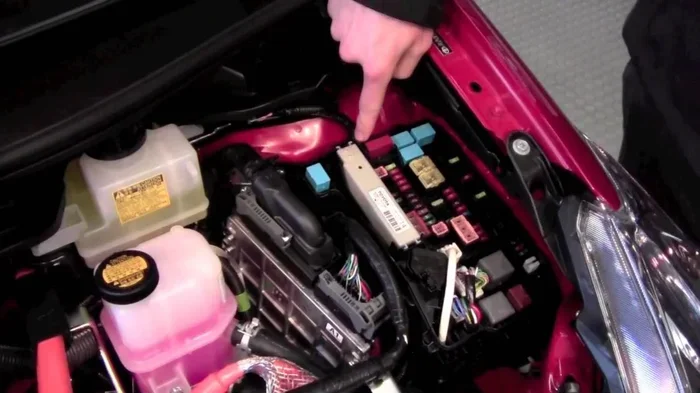
The 12-volt auxiliary battery is a standard car battery. It powers the hybrid control computer, lights, infotainment system, and other electronics. When this battery dies, your Toyota will not respond when you press the power button. This is the battery you jump-start. On most Toyota hybrids, the 12-volt battery is located in the engine bay, often on the left side. However, some models like the Prius have the battery under the rear seat or in the trunk. Check your Toyota owner’s manual to find the exact location for your specific model.
Can You Jump Start A Toyota Hybrid Car Without Damage?
The short answer is yes. You can jump-start a Toyota hybrid without causing damage — as long as you follow the correct procedure. Toyota designed their hybrid systems with safety in mind. The hybrid control system has built-in protections that help prevent electrical damage during a jump-start. However, these protections only work if you connect the cables correctly.
Why People Worry About Hybrid Jump-Starts
Many Toyota owners hesitate to jump-start their hybrids because of the high-voltage battery. They worry about electric shock or damaging the hybrid powertrain. These concerns are understandable. The truth is that the high-voltage system is completely separate from the jump-start process. As long as you connect jumper cables only to the 12-volt auxiliary battery and the donor vehicle’s battery, you have nothing to worry about. The hybrid system essentially shuts itself down during a jump-start, which adds another layer of protection.
When Jump-Starting Could Cause Damage
There are situations where a jump-start could cause problems. Connecting cables to the wrong terminals is the biggest risk. Another risk is using a damaged set of jumper cables. Frayed or corroded cables can create sparks or deliver inconsistent voltage. Also, if your hybrid battery has been completely drained for a long time, the hybrid control module may need a reset. In rare cases, a professional may need to reprogram the system. This is why following the correct steps matters so much.
Step-by-Step Guide to Jump Starting Your Toyota Hybrid
Now let us walk through the actual jump-start process. Follow these steps carefully, and your Toyota hybrid will be back on the road in no time.
Step 1: Gather Your Supplies
Before you do anything, make sure you have everything you need:
- A donor vehicle with a working 12-volt battery
- A set of heavy-duty jumper cables rated for at least 400 amps
- Your Toyota owner’s manual for reference
- Safety gloves and eye protection (optional but recommended)
Step 2: Position Both Vehicles
Park the donor vehicle close to your Toyota hybrid. The vehicles should be facing each other but not touching. Make sure both cars are in Park (or Neutral for manual transmissions) and the engines are off. Engage the parking brakes on both vehicles. This prevents any unexpected movement during the process.
Step 3: Locate the 12-Volt Battery
Open the hood of your Toyota hybrid and locate the 12-volt auxiliary battery. On most models, you will find it in the engine compartment on the left side. The battery terminals will be marked with positive (+) and negative (-) symbols. Clean any visible corrosion from the terminals with a cloth or wire brush if needed.
Step 4: Connect the Jumper Cables
This is the most critical step. Follow this order exactly:
- Connect the red clamp to the positive (+) terminal of your Toyota’s dead 12-volt battery.
- Connect the other red clamp to the positive (+) terminal of the donor vehicle’s battery.
- Connect the black clamp to the negative (-) terminal of the donor vehicle’s battery.
- Connect the remaining black clamp to an unpainted metal surface on your Toyota’s engine block. Do not connect it directly to the negative terminal of your dead battery. This reduces the risk of sparking near the hybrid battery.
Step 5: Start the Donor Vehicle
Start the donor vehicle and let it idle for about two to three minutes. This allows the donor battery to send a charge to your dead battery. You should see the dashboard lights on your Toyota come on slightly brighter.
Step 6: Start Your Toyota Hybrid
Press the Power button on your Toyota hybrid to start the car. You do not need to press the brake pedal like you normally would for a push-start. If the hybrid system recognizes the charge, it should start up normally. You may hear the hybrid battery warning light on the dashboard — this is normal. It indicates the hybrid system is initializing.
Step 7: Disconnect the Jumper Cables
Once your Toyota hybrid is running, carefully disconnect the cables in the reverse order:
- Remove the black clamp from the engine block.
- Remove the black clamp from the donor vehicle’s negative terminal.
- Remove the red clamp from the donor vehicle’s positive terminal.
- Remove the red clamp from your Toyota’s positive terminal.
Let your Toyota hybrid run for at least 15 to 20 minutes to allow the 12-volt battery to recharge fully.
Safety Precautions Every Toyota Hybrid Owner Should Know
Safety comes first when working with any vehicle battery. Hybrid vehicles add an extra layer of complexity because of the high-voltage system. Here are the most important safety precautions to keep in mind.
Never Touch the High-Voltage Components
The orange-colored cables and components in your Toyota hybrid are part of the high-voltage system. These carry potentially lethal voltages. Never touch, disconnect, or modify any orange components. If you see damaged orange cables, contact a Toyota certified technician immediately.
Avoid Sparks Near the Battery
Hydrogen gas can be released from car batteries, and it is highly flammable. Always keep lighters, matches, and open flames away from the battery area. When connecting cables, make sure the clamps do not touch each other or any metal surfaces other than the intended terminals.
Check the Donor Vehicle’s Voltage
Make sure the donor vehicle has a 12-volt battery that is in good condition. A donor vehicle with a low voltage battery may not provide enough power to start your hybrid. In some cases, a weak donor battery can actually cause more harm than good. If possible, use a vehicle with a fully charged battery.
Wear Protective Gear
While the jump-start process is generally safe, wearing rubber gloves and safety glasses adds an extra layer of protection. This is especially important if you are jump-starting in wet conditions or if the battery shows signs of damage or leakage.
Common Mistakes to Avoid When Jump Starting a Toyota Hybrid
Even experienced car owners make mistakes during a jump-start. Here are the most common errors and how to avoid them.
Connecting Cables to the Wrong Battery
The most dangerous mistake is connecting jumper cables to the high-voltage hybrid battery instead of the 12-volt auxiliary battery. This can destroy the hybrid control module and cause expensive repairs. Always double-check which battery you are connecting to before attaching any cables.
Reversing the Cable Polarity
Connecting the red cable to the negative terminal and the black cable to the positive terminal will cause a short circuit. This can fry the electrical systems in both vehicles. Always remember: red goes to positive, black goes to negative. Take your time and read the terminal markings carefully.
Removing Cables Too Quickly
Some people disconnect the cables immediately after the hybrid starts. This can cause a voltage spike that damages the hybrid power inverter and other sensitive electronics. Always wait at least 15 minutes after the car starts before disconnecting the cables.
Ignoring the Owner’s Manual
Every Toyota hybrid model has slight differences in battery location and jump-start procedures. Skipping the owner’s manual is a mistake that can lead to confusion. If you do not have your manual, you can find a digital version on the Toyota website or at your local dealer.
Attempting a Jump-Start with a Severely Damaged Battery
If your 12-volt battery is visibly swollen, leaking, or cracked, do not attempt a jump-start. A damaged battery can overheat, explode, or leak sulfuric acid. In this case, your best option is to call roadside assistance or have the battery professionally replaced.
How to Prevent a Dead Battery in Your Toyota Hybrid
The best way to avoid the hassle of a dead battery is to prevent it from happening in the first place. Here are some practical tips to keep your Toyota hybrid battery healthy.
Drive Your Hybrid Regularly
Hybrid batteries slowly lose charge when the vehicle sits unused for extended periods. If you do not drive your Toyota hybrid often, try to take it for a 20 to 30-minute drive at least once a week. This keeps the 12-volt battery charged and the hybrid system active.
Turn Off Accessories Before Shutting Down
Leaving your lights, radio, or air conditioning on when you turn off the engine drains the 12-volt battery over time. Make it a habit to check that all accessories are off before you leave the vehicle. This simple habit can save you from a dead battery on a busy morning.
Keep the Battery Terminals Clean
Corrosion on battery terminals creates resistance and reduces the flow of electricity. Inspect the terminals on your 12-volt battery every few months. If you see white or greenish buildup, clean it with a mixture of baking soda and water and a wire brush. This keeps the connection strong and reliable.
Replace Old Batteries Promptly
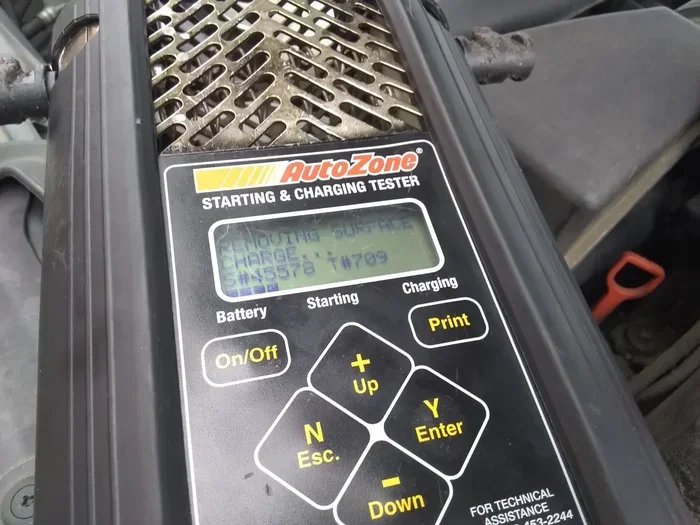
A 12-volt battery typically lasts three to five years. If your hybrid battery is approaching this age range, consider having it tested at your local auto parts store or Toyota dealership. Replacing a weak battery before it dies completely saves you from being stranded.
Use a Battery Maintainer for Long-Term Parking
If you plan to store your Toyota hybrid for more than a couple of weeks, invest in a battery maintainer or trickle charger. This device keeps the 12-volt battery at optimal charge levels without overcharging it. It is a small investment that pays off in peace of mind.
When to Call a Professional
There are times when a jump-start is not enough, and you need professional help. If you follow all the steps correctly and your Toyota hybrid still will not start, the problem may be more than a dead 12-volt battery. It could be a failing hybrid control module, a damaged power inverter, or an issue with the high-voltage battery. In these cases, attempting another jump-start could make things worse. Call Toyota roadside assistance or a certified technician who has experience with hybrid vehicles. They have the tools and diagnostic equipment to identify the root cause safely.
Also, if you are ever unsure about any step in the jump-start process, it is perfectly fine to seek professional help. There is no shame in calling for assistance. Your safety and the health of your vehicle matter more than saving a few minutes. Many insurance policies and Toyota warranties include roadside assistance coverage, so check yours before you pay for a tow truck out of pocket.
One thing worth mentioning is that if you find yourself frequently needing jump-starts, your 12-volt battery may need replacement. Frequent jump-starts can also put stress on the hybrid charging system. A professional inspection can determine whether a simple battery swap is all you need or if there is a deeper issue at play.
And here is one more tip that many people overlook. If you have ever tried to start your car without the remote key or the key fob, you know how frustrating it can be when the system does not recognize your key. A dead hybrid 12-volt battery can sometimes prevent your key fob from being recognized, which adds another layer of confusion. So when your Toyota hybrid will not start, the problem might not just be the battery — it could be a combination of factors. Understanding the full picture helps you solve the problem faster.
Finally, keeping track of your vehicle’s maintenance history is always a smart move. If you have ever wondered how to check a car’s history, services like Carfax or AutoCheck can give you valuable insights into your Toyota’s past maintenance and repairs. This is especially useful if you buy a used hybrid and are unsure about the condition of the 12-volt battery or the hybrid system.
Conclusion
Jump-starting a Toyota hybrid car is entirely possible and safe when you know what you are doing. The key is to always target the 12-volt auxiliary battery and never the high-voltage hybrid battery. By following the step-by-step instructions in this guide, you can get back on the road quickly and without causing any damage to your vehicle. Remember the safety precautions, avoid the common mistakes, and take preventive steps to keep your hybrid battery healthy. Your Toyota hybrid is a sophisticated machine, but with the right knowledge, maintaining it is straightforward and manageable.
Stay prepared, stay safe, and never hesitate to call a professional when something does not feel right. A little knowledge goes a long way when it comes to taking care of your Toyota hybrid.
Frequently Asked Questions
Can you jump start a Toyota hybrid without damaging the hybrid battery?
Yes, absolutely. The jump-start process only engages the 12-volt auxiliary battery, which is completely separate from the high-voltage hybrid battery. As long as you connect the jumper cables to the correct terminals and follow the proper steps, your hybrid battery remains fully protected.
Where is the 12-volt battery located on a Toyota hybrid?
The location varies by model. On most Toyota hybrids, the 12-volt battery is in the engine bay on the left side. However, on models like the Prius, it may be located under the rear seat or in the trunk. Always check your Toyota owner’s manual for the exact location of your specific model.
How long should you let a Toyota hybrid run after a jump start?
You should let your Toyota hybrid run for at least 15 to 20 minutes after a successful jump-start. This allows the 12-volt battery to recharge sufficiently. For best results, take your hybrid for a drive of at least 20 minutes to ensure the battery gets a full charge.
Can you use a portable jump starter on a Toyota hybrid?
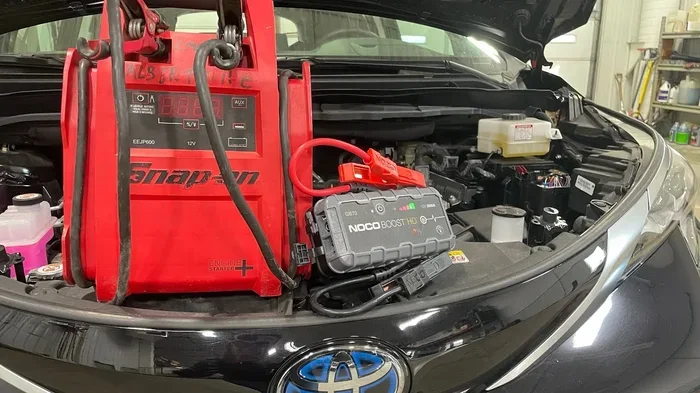
Yes, you can use a portable jump starter on a Toyota hybrid. The process is the same as using a donor vehicle. Connect the portable starter to the 12-volt auxiliary battery terminals and follow the manufacturer’s instructions. Portable jump starters are a great emergency tool to keep in your trunk.
What should you do if your Toyota hybrid still won’t start after a jump start?
If your hybrid still will not start after a proper jump-start, the issue may be deeper than a dead 12-volt battery. There could be a problem with the hybrid control module, the power inverter, or the charging system. In this case, contact Toyota roadside assistance or a certified technician for a professional diagnosis.
Is it safe to jump start a Toyota hybrid in the rain?
It is generally safe to jump-start a Toyota hybrid in light rain, but you should take extra precautions. Make sure your hands and the cable clamps are dry before connecting them. Keep all connections away from puddles or standing water. If the weather is severe, it is safer to wait for conditions to improve or call for roadside assistance.
=== CONCLUSION ===
Jump starting a Toyota hybrid car without damage is straightforward once you understand the two-battery system. Always target the 12-volt auxiliary battery, follow the correct cable connection order, and respect the safety precautions. With this knowledge, you are prepared to handle a dead battery confidently and safely. Keep this guide bookmarked for future reference, and share it with fellow Toyota hybrid owners who might need it. Stay safe on the road.