Are Older Toyotas Reliable Everything You Should Know
Are Older Toyotas Reliable? The short answer is yes. Older Toyotas consistently rank among the most dependable vehicles on the road. With simple engineering, affordable parts, and proven durability, these vehicles earn top marks from owners and experts alike. Whether you are looking at a classic Toyota pickup or a vintage sedan, you will find strong Toyota reliability that stands the test of time.
Key Takeaways
- Toyota reliability is legendary: Older Toyotas are known for lasting well beyond 200,000 miles with proper care.
- Simple engineering is the secret: Fewer complex parts means fewer things can go wrong over time.
- Parts are affordable and widely available: You will not struggle to find replacement components for aging Toyota models.
- Maintenance matters most: Regular oil changes and basic upkeep keep older Toyotas running strong for decades.
- Some models outperform others: Certain older Toyota trucks and sedans have especially strong track records for longevity.
- Watch for common aging issues: Electrical gremlins and rust can affect even the best older Toyotas over time.
- Resale value stays strong: Older Toyotas hold their value better than most competing brands.
📑 Table of Contents
- Are Older Toyotas Reliable? The Definitive Guide
- The Toyota Reliability Reputation: Why It Exists
- Best Older Toyota Models Known for Reliability
- Common Issues in Aging Toyota Vehicles
- Maintenance Tips That Extend Toyota Vehicle Lifespan
- Cost of Owning an Older Toyota: Is It Worth It?
- Expert Insights on Buying Older Toyotas
- Final Verdict: Are Older Toyotas Reliable?
Are Older Toyotas Reliable? The Definitive Guide
When it comes to buying a used car, few questions matter more than this one: Are Older Toyotas Reliable? The answer has been a resounding yes for decades. Toyota has built a reputation for building vehicles that just keep going and going. Whether you are shopping for a daily driver or a weekend project car, older Toyotas offer a level of Toyota dependability that few other brands can match.
People buy older Toyotas for many reasons. Some want a high mileage Toyota that will last another 100,000 miles. Others are drawn by the low Toyota maintenance cost compared to other manufacturers. And many simply want a vehicle that does not break the bank on repairs. Whatever your reason, this guide covers everything you need to know about the reliability of aging Toyota vehicles.
In this article, we will explore the best older Toyota models, common problems you should watch for, maintenance tips that extend Toyota vehicle lifespan, and real ownership costs. By the end, you will have a clear picture of whether an older Toyota is the right choice for you. Let us dive in.
The Toyota Reliability Reputation: Why It Exists
Toyota has earned its Toyota reliability rating through decades of consistent performance. The brand consistently ranks at or near the top of reliability surveys from Consumer Reports and J.D. Power. But what exactly makes older Toyotas so dependable? Let us break it down.
Engineering Philosophy Built for Longevity
Toyota engineers design vehicles with a simple but powerful philosophy. They focus on proven technology rather than flashy new features. This approach means fewer electronic gadgets that can fail over time. Older Toyota models often use straightforward engines and transmissions that have been refined over many generations.
The result is a vehicle that is easy to fix and inexpensive to maintain. When something does go wrong, the fix is usually simple. Compare this to some brands where a single sensor failure can trigger a cascade of problems. Toyota keeps things basic, and that basic approach is the foundation of Toyota longevity.
The Role of Simplicity in Vehicle Durability
Simplicity plays a huge role in why older Toyotas last so long. A classic Toyota truck from the 1990s or early 2000s has far fewer computers and sensors than a modern vehicle. Fewer electronic components means fewer potential failure points.
Think about it this way. Every complex system in a car is another thing that can break. Older Toyotas strip away unnecessary complexity. They focus on the essentials. A solid engine, a reliable transmission, and a simple chassis. That is the formula that has made Toyota one of the most trusted names in the auto industry.
Best Older Toyota Models Known for Reliability
Not all older Toyotas are created equal. Some models have legendary track records for lasting well past 200,000 miles. Here are the best older Toyota models that buyers should consider.
Toyota Pickup Trucks
The Toyota pickup truck line is arguably the most famous for reliability. The Toyota Hilux and the Toyota Tacoma have earned worldwide respect. These trucks are workhorses that handle heavy use without complaint.
Many owners report putting over 300,000 miles on their Toyota pickups with only routine maintenance. The engines are robust. The transmissions are durable. And the parts are easy to find. If you need a used Toyota buying guide for trucks, these models should be at the top of your list.
Toyota Sedans and Coupes
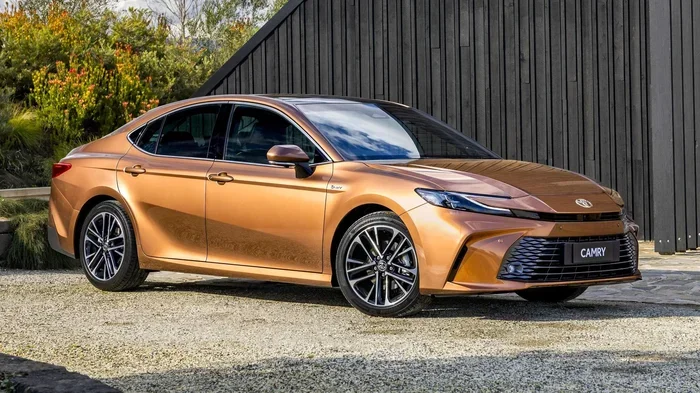
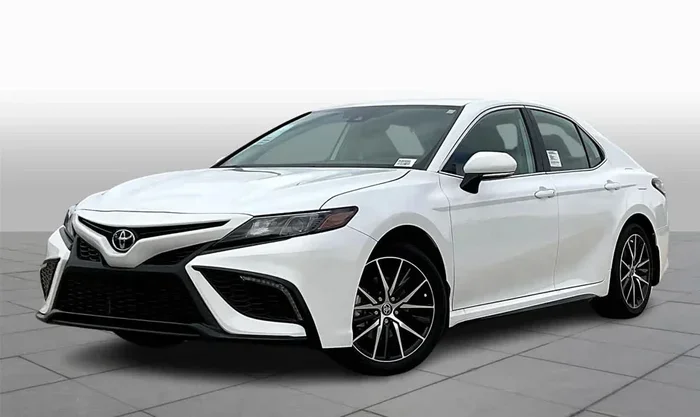
Toyota sedans also have impressive longevity. The Toyota Camry and Toyota Corolla are among the most popular used cars in America. Both models are known for Toyota engine durability and low ownership costs.
The Corolla, in particular, has a massive following among budget-conscious buyers. These compact cars are simple, efficient, and incredibly reliable. A well-maintained 2000s Corolla can easily reach 250,000 miles with minimal major repairs. The Camry offers a bit more comfort and space while maintaining the same dependable character.
Toyota SUVs
Toyota SUVs like the 4Runner and the Sequoia also shine in the reliability department. The 4Runner, especially, has become a cult favorite. It is rugged, capable, and built to last. Many owners treat their 4Runners as lifelong vehicles.
The Toyota Highlander and the RAV4 from earlier generations also offer solid reliability. These SUVs combine the dependability of Toyota engineering with the practicality of a family vehicle. They are great choices for anyone looking at older SUVs with proven track records.
Common Issues in Aging Toyota Vehicles
Even the most reliable vehicles develop issues as they age. Understanding these problems helps you make informed decisions. Here are the most common issues found in aging Toyota vehicles.
Aging Electrical Systems
As Toyotas get older, electrical gremlins can start to appear. This is true for any brand, but Toyotas are generally better than most. Common electrical issues include flickering lights, faulty window regulators, and intermittent sensor failures.
Most electrical problems in older Toyotas are minor and inexpensive to fix. A faulty window motor or a worn relay is usually a quick and affordable repair. However, if you notice multiple electrical issues at once, it could signal a deeper problem like a failing ground wire or a corroded connector.
Wear and Tear on Key Components
High-mileage Toyotas will eventually show wear on certain components. The suspension system is one area to watch. Shock absorbers, control arm bushings, and ball joints wear out over time. Replacing these parts keeps the ride smooth and safe.
Another area to monitor is the exhaust system. Rust can eat through exhaust pipes and mufflers, especially in colder climates. Regular inspections help catch these issues early before they become expensive repairs.
Rust and Body Damage
Rust is the enemy of any older vehicle. Toyota builds quality cars, but no brand is immune to corrosion. Check the wheel wells, rocker panels, and frame rails for signs of rust. Surface rust can be treated, but structural rust is a serious concern.
If you are buying a used older Toyota, always inspect the undercarriage carefully. A vehicle that has been driven through snow or salted roads is more prone to rust. A thorough inspection before purchase can save you from costly body repairs down the road.
Maintenance Tips That Extend Toyota Vehicle Lifespan
Proper maintenance is the single biggest factor in how long an older Toyota lasts. Follow these tips to keep your aging Toyota running strong for years to come.
Regular Oil Changes Are Non-Negotiable
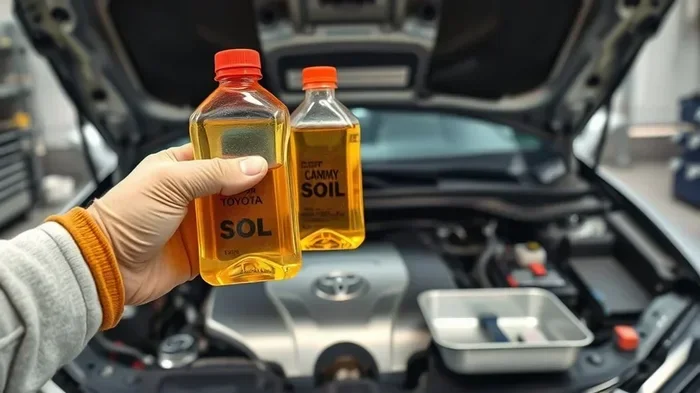
Oil is the lifeblood of any engine. Change it regularly using the grade recommended by Toyota. For older models, switching to high-mileage oil can help protect worn engine components. Stick to a consistent schedule, and your engine will thank you.
Keep Up With Fluid Flushes
Transmission fluid, coolant, and brake fluid all degrade over time. Flushing and replacing these fluids at recommended intervals prevents premature wear on expensive components. A new transmission costs a lot more than a fluid change.
Address Small Problems Immediately
One of the biggest mistakes owners make is ignoring small issues. A minor leak today can become a major repair tomorrow. Listen to your vehicle. Unusual sounds, vibrations, or warning lights should never be ignored. Catching problems early saves money and keeps your Toyota on the road.
Quick Tips for Older Toyota Owners
- Always warm up your vehicle gently in cold weather before driving hard.
- Check tire pressure monthly to improve fuel economy and tire life.
- Keep a maintenance log to track all repairs and services.
- Wash the undercarriage regularly, especially in winter months.
- Use genuine Toyota parts or quality aftermarket alternatives for repairs.
- Inspect belts and hoses every six months for cracks and wear.
- Address check engine lights promptly to avoid compound issues.
Common Mistakes to Avoid
- Skipping oil changes: This is the fastest way to kill an older engine. Never skip an oil change.
- Ignoring warning lights: Modern Toyotas give you plenty of warning. Do not ignore dashboard alerts.
- Overlooking fluid levels: Low coolant or transmission fluid causes serious damage over time.
- Driving on worn brakes: Worn brake pads damage rotors, turning a cheap pad replacement into an expensive repair.
- Neglecting tire maintenance: Misaligned or underinflated tires wear unevenly and reduce safety.
Cost of Owning an Older Toyota: Is It Worth It?
One of the biggest advantages of owning an older Toyota is the cost. Let us look at how ownership costs compare to other brands.
Toyota Maintenance Costs vs. Competitors
Toyota maintenance costs are generally lower than most competing brands. Parts are affordable and widely available. Most independent mechanics are familiar with Toyota vehicles, so you have plenty of service options.
Compare this to brands where Cadillac parts can be expensive. Toyota parts cost a fraction of what luxury brand components run. Even compared to mainstream brands like Ford, Toyota often comes out ahead on long-term ownership costs.
For a reliability comparison, consider that the 2005 Ford F150 reliability profile shows more variability in long-term durability. While Ford trucks are solid, Toyota consistently delivers more predictable results over high mileage.
Toyota vs. Other Brands: Ownership Cost Comparison
| Brand/Model | Avg. Annual Maintenance | Expected Lifespan | Parts Availability |
|---|---|---|---|
| Toyota Camry (2000-2005) | $400-$500 | 250,000+ miles | Excellent |
| Toyota Tacoma (2000-2005) | $450-$550 | 300,000+ miles | Excellent |
| Ford F150 (2004-2005) | $550-$700 | 200,000 miles | Good |
| Chevrolet Silverado (2004-2005) | $600-$750 | 180,000 miles | Good |
| Honda Accord (2000-2005) | $420-$520 | 240,000 miles | Excellent |
As you can see, older Toyotas sit at or near the top for low ownership costs. The combination of affordable maintenance and long lifespan makes them excellent value propositions.
Toyota Recall History for Older Models
Before purchasing any older vehicle, always check for recalls. Toyota has issued recalls over the years, as have all manufacturers. For example, you can review the recall history for the 2015 Ford F150 as a reference point for how recall databases work across brands. Always verify the specific model year you are considering has no outstanding safety recalls.
Expert Insights on Buying Older Toyotas
Automotive experts agree that older Toyotas are some of the smartest used car buys available today. The key is knowing what to look for and what to avoid.
What Mechanics Say About Older Toyotas
Most mechanics will tell you the same thing. Older Toyotas are some of the easiest vehicles to work on. The engines are accessible, the systems are straightforward, and the parts are affordable. This makes them ideal for do-it-yourself owners who want to save on labor costs.
Mechanics also praise Toyota for consistent quality control. Even older models were built to tight tolerances. This means less wear on internal components and fewer surprises during repairs.
What Owners Say in Real-World Reviews
Real-world owner reviews consistently praise Toyota reliability. Many owners report reaching 200,000 or 300,000 miles without major engine or transmission work. The most common complaints involve cosmetic issues like interior wear or minor electrical glitches, not drivetrain failures.
Owners also highlight the strong Toyota resale value that older models maintain. Even high-mileage Toyotas sell for reasonable prices because buyers trust the brand. This makes older Toyotas a smart financial choice as well as a practical one.
Where to Find the Best Older Toyota Models
If you are ready to buy, where should you look? Start with online marketplaces like Carfax and AutoTrader. These platforms provide vehicle history reports that reveal accident history, service records, and ownership changes.
Local Toyota dealerships also carry certified pre-owned older models. While these may cost slightly more, they often come with warranties and thorough inspections. Private sellers can offer the best prices, but you assume more risk. Always get a pre-purchase inspection from a trusted mechanic.
Final Verdict: Are Older Toyotas Reliable?
The evidence is clear. Are Older Toyotas Reliable? Yes, they are. Toyota has built a legacy of durability, simplicity, and value that few brands can rival. From the legendary Hilux to the dependable Camry, older Toyota models continue to earn trust from owners around the world.
Owning an older Toyota comes with some realities. You will deal with normal wear and tear as the vehicle ages. Electrical systems may develop minor gremlins. Body panels can rust in harsh climates. But compared to the rewards, these minor drawbacks are easily managed.
If you are looking for a vehicle that will last, cost less to maintain, and hold its value, an older Toyota is one of the best choices you can make. Do your research, inspect the vehicle carefully, and commit to regular maintenance. A well-cared-for older Toyota will reward you with years of dependable service.
Trust in Toyota reliability is not built on marketing. It is built on millions of real-world experiences from owners who have driven their Toyotas into the hundreds of thousands of miles. That track record speaks for itself. When you buy an older Toyota, you are buying peace of mind.
Frequently Asked Questions
What is the most reliable older Toyota model?
The Toyota Corolla and Toyota Camry are widely considered the most reliable older Toyota models. Both have decades of proven track records for lasting well beyond 200,000 miles. The Toyota Hilux pickup truck is also legendary for durability worldwide.
How many miles can an older Toyota last?
With proper maintenance, older Toyotas routinely last 250,000 to 300,000 miles or more. Many owners report pushing past 400,000 miles on their Toyota trucks and sedans. Regular oil changes and timely repairs are the key to reaching these high mileage milestones.
Are older Toyotas expensive to maintain?
No, older Toyotas are known for low maintenance costs. Parts are affordable and widely available. Most independent mechanics are experienced with Toyota vehicles, keeping labor costs reasonable. Overall, Toyota ownership costs are among the lowest in the industry.
What should I check before buying an older Toyota?
Always get a vehicle history report and a pre-purchase inspection from a trusted mechanic. Check for rust, especially on the undercarriage. Verify maintenance records and look for signs of neglect. Test all electrical systems and listen for unusual sounds during a test drive.
Do older Toyotas hold their value well?
Yes, older Toyotas hold their value better than most competing brands. The strong Toyota resale value is well documented. Even high-mileage Toyotas sell for reasonable prices because buyers trust the brand’s reputation for long-term reliability.
What are the most common problems with older Toyotas?
The most common issues include electrical gremlins, suspension wear, exhaust rust, and interior deterioration. These are normal signs of aging and are generally inexpensive to fix. Major drivetrain failures are rare in well-maintained older Toyotas.