How Do You Prolong Hybrid Battery Life the Right Way
Prolonging your hybrid battery life comes down to a few smart habits and consistent care. Whether you drive a nickel-metal hydride or lithium-ion hybrid battery, the way you charge, drive, and maintain your vehicle directly impacts battery longevity. This guide covers everything from regenerative braking to battery temperature management so you can get the most miles out of your hybrid vehicle maintenance routine.
Hybrid vehicles have transformed the way we think about fuel efficiency and driving. But one question keeps coming up from owners and shoppers alike: how do you prolong hybrid battery life? The answer is simpler than most people think, and it starts with understanding how your battery works and what habits either protect or harm it.
Your hybrid battery is the heart of your vehicle’s electric system. It powers the electric motor, works alongside the gas engine, and stores energy recovered through regenerative braking. When you take care of it properly, a hybrid battery can last well over 100,000 miles. Neglect it, and you could face an expensive hybrid battery replacement cost far earlier than expected.
The good news is that prolonging hybrid battery life does not require expensive tools or mechanical expertise. It requires awareness, consistency, and a few smart adjustments to your daily routine. This guide walks you through every proven strategy, from charging habits to driving techniques, so you can maximize your battery’s lifespan and get the best return on your hybrid vehicle maintenance investment.
Key Takeaways
- Keep your battery between 20% and 80% charge: Avoiding full discharges and overcharging significantly extends battery pack lifespan.
- Drive smoothly and steadily: Aggressive acceleration and hard braking wear down your hybrid battery faster than gentle driving.
- Monitor battery temperature: Overheating is one of the biggest threats to hybrid battery health, so park smart and watch for warning signs.
- Use regenerative braking wisely: This feature recharges your battery during deceleration, reducing strain on the pack.
- Schedule regular diagnostic checks: Catching small battery issues early prevents costly repairs and premature hybrid battery replacement.
- Understand your warranty: Most hybrid vehicle ownership plans include battery coverage that can save you thousands.
📑 Table of Contents
- Understand How Your Hybrid Battery Works
- Charge Your Battery the Smart Way
- Adopt Driving Habits That Protect Your Battery
- Manage Battery Temperature Like a Pro
- Maintain Your Hybrid Vehicle Properly
- Know When to Seek Professional Help
- Maximize Your Hybrid Battery Warranty
- Common Mistakes That Shorten Hybrid Battery Life
- Quick Tips for Everyday Battery Care
- Conclusion
Understand How Your Hybrid Battery Works
Before diving into maintenance tips, it helps to understand what you are working with. Most hybrid vehicles use either nickel-metal hydride or lithium-ion hybrid battery technology. Both types store electrical energy and deliver it to the electric motor when needed. They also recharge themselves through regenerative braking and the gas engine.
The Role of Regenerative Braking
Regenerative braking is one of the most impressive features of any hybrid vehicle. When you lift off the accelerator or apply the brakes, the electric motor reverses and acts as a generator. It captures kinetic energy and converts it back into stored electricity in the battery pack. This process reduces wear on your traditional brake pads and keeps your battery topped off during everyday driving.
However, regenerative braking alone does not fully charge your battery. It supplements the charge, especially during city driving with frequent stops. Understanding this helps you appreciate why your battery health depends on more than just one system working in isolation.
Charge Cycles and Battery Wear
Every time your battery charges and discharges, it completes one battery charge cycle. Like any rechargeable battery, hybrid packs degrade slightly with each cycle. The goal is not to eliminate cycles but to manage them intelligently. Keeping your optimal battery charge level between 20% and 80% reduces stress on the cells and slows overall degradation.
Charge Your Battery the Smart Way
How you charge your hybrid battery plays a massive role in how long it lasts. Unlike fully electric vehicles, most standard hybrids do not plug in. But plug-in hybrids and some newer models do offer external charging options. Either way, the principles of smart charging apply.
Avoid Running Your Battery to Empty
One of the fastest ways to shorten your hybrid battery lifespan is to let it drain completely. Deep discharges put extreme stress on the battery cells. Over time, this reduces the overall capacity and forces the battery to work harder during every drive.
Try to keep your battery above 20% at all times. If you notice the charge dropping low frequently, it may be a sign of a larger issue. In that case, getting a free diagnostic on your car can reveal whether the battery or another component is causing the problem.
Do Not Overcharge Your Battery
Overcharging is just as damaging as undercharging. When a battery stays at 100% charge for extended periods, the internal chemistry degrades faster. Modern hybrids have built-in battery management systems that prevent overcharging, but it is still wise to avoid leaving a plug-in hybrid at full charge overnight if the vehicle does not need to be fully charged for your next trip.
A good rule of thumb is to charge only as much as you need for your next drive. This keeps the battery in its sweet spot and minimizes unnecessary wear.
Use Manufacturer-Approved Charging Equipment
If your hybrid supports plug-in charging, always use the manufacturer-approved charger or a certified third-party option. Cheap or incompatible chargers can deliver inconsistent voltage, which damages battery cells over time. Investing in quality charging equipment is a small price to pay for battery longevity.
Adopt Driving Habits That Protect Your Battery
Your driving style directly affects how hard your hybrid battery works. Aggressive driving burns through charge cycles faster and generates excess heat, both of which accelerate battery wear. On the other hand, smooth and steady driving keeps the battery operating within its ideal range.
Accelerate Gradually
Heavy acceleration forces the electric motor to draw maximum power from the battery. This creates heat and increases the rate of chemical degradation inside the cells. Instead, press the accelerator gently and let the vehicle build speed smoothly. You will use less energy and put less strain on the battery pack.
Use Coasting to Your Advantage
When you approach a red light or a slow stretch of traffic, lift off the accelerator early and let the vehicle coast. This allows regenerative braking to capture energy and recharge the battery slightly. It also reduces the need for hard braking, which wastes kinetic energy as heat instead of recapturing it.
Understand When Your Hybrid Switches to Gas
Knowing at what speed hybrids switch to gas helps you drive more efficiently. Most hybrids rely on the electric motor at low speeds and in stop-and-go traffic. As speed increases, the gas engine kicks in. Understanding this transition lets you anticipate when the battery is being used versus when the gas engine is doing the work. Driving at moderate, steady speeds keeps the battery in a balanced state and avoids unnecessary discharge cycles.
Avoid Excessive Idling
Idling for long periods drains the battery without recharging it meaningfully. If you expect to sit for more than a minute or two, turn off the engine. This conserves battery charge and reduces unnecessary wear on the hybrid system.
Manage Battery Temperature Like a Pro
Battery temperature management is one of the most overlooked aspects of hybrid vehicle maintenance. Heat is the enemy of lithium-ion and nickel-metal hydride batteries. High temperatures accelerate chemical reactions inside the cells, which leads to faster capacity loss and shortened lifespan.
Park in the Shade
Simple as it sounds, parking in the shade or a garage keeps your battery pack cooler. On hot summer days, temperatures under direct sunlight can soar well above 100 degrees Fahrenheit. That kind of heat bakes the battery cells and causes long-term damage. A shaded parking spot or a covered garage makes a surprising difference over months and years of ownership.
Watch for Overheating Warning Signs
Most hybrids display a warning light or message when the battery temperature rises too high. If you see this warning, pull over safely and let the vehicle cool down before continuing. Ignoring these warnings can lead to permanent battery damage and trigger a visit to the mechanic for expensive repairs.
Pre-Cool Your Cabin in Hot Weather
On scorching days, pre-cool your car while it is still plugged in if you drive a plug-in hybrid. This uses grid power instead of draining the battery. Once you start driving, the battery has a full charge and does not need to work overtime to power the air conditioning system.
Cold Weather Considerations
Extreme cold also affects hybrid battery performance. In freezing temperatures, the battery becomes less efficient and may hold less charge. If you live in a cold climate, park your vehicle in a garage or covered area whenever possible. This keeps the battery warmer and maintains its ability to hold a full charge.
Maintain Your Hybrid Vehicle Properly
Regular maintenance goes a long way toward protecting your hybrid battery. A well-maintained vehicle runs more efficiently, which means less strain on every component, including the battery pack.
Keep Up With Scheduled Maintenance
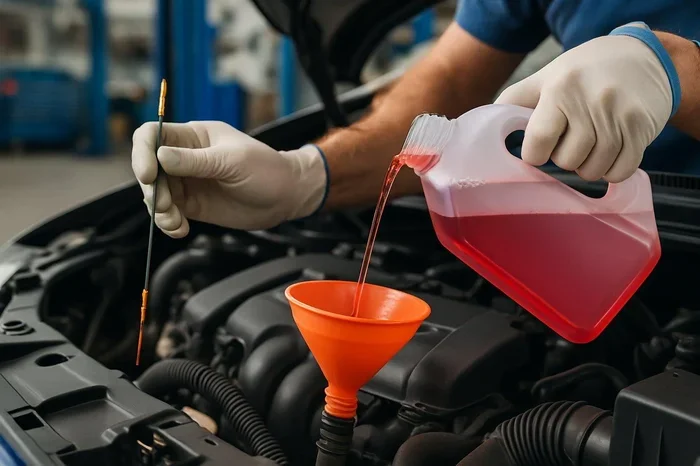
Follow your manufacturer’s recommended maintenance schedule to the letter. This includes oil changes, air filter replacements, tire rotations, and fluid checks. When the gas engine runs smoothly, it puts less demand on the hybrid battery. A healthy engine means a healthier battery.
Keep Your Car Clean
Regular washing protects the exterior and undercarriage of your vehicle, which indirectly supports battery health. Road salt, dirt, and debris can cause corrosion on electrical connections and components. Keeping your car clean ensures those connections stay secure and free from corrosion. That said, be mindful of how often and how you wash your vehicle. Washing your car too much with harsh methods can damage protective coatings and expose metal parts to moisture and rust.
Clean Interior Components Gently
When cleaning the interior of your hybrid, use gentle, vehicle-safe products. Harsh chemicals can damage surfaces and release fumes that circulate through the cabin ventilation system. If you are unsure about a cleaning product, check whether Clorox wipes are safe for car interiors before using them on any surface near the battery or electrical components.
Check the 12-Volt Auxiliary Battery
Many hybrid owners forget about the 12-volt auxiliary battery, which powers the vehicle’s electronics and supports the main hybrid battery system. A failing auxiliary battery can cause starting problems and put extra strain on the hybrid battery. Check it during routine maintenance and replace it when needed.
Know When to Seek Professional Help
While many hybrid battery maintenance tasks are straightforward, some situations require professional attention. Recognizing the signs of a failing battery early can save you from a roadside breakdown and a hefty repair bill.
Warning Signs of a Failing Hybrid Battery
Watch for these common indicators that your battery may need professional inspection:
- Reduced fuel efficiency: If your gas mileage drops noticeably, the battery may not be holding a charge properly.
- Unusual warning lights: Battery or check-engine lights that stay on should never be ignored.
- Rough idling or stalling: A struggling battery can cause the engine to idle inconsistently or shut off unexpectedly.
- Increased reliance on the gas engine: If your vehicle seems to run on gas more often than usual, the battery may not be providing enough electric support.
- Swelling or leaking: Any visible damage to the battery pack is a serious concern that requires immediate attention.
Jump-Starting a Hybrid Safely
If your hybrid will not start, you might think about using jumper cables. But hybrids are not the same as conventional vehicles. Using jumper cables on a hybrid requires specific knowledge about where to connect the cables and how to avoid damaging the sensitive electrical systems. Always consult your owner’s manual or call a professional if you are unsure.
Get Regular Battery Diagnostics
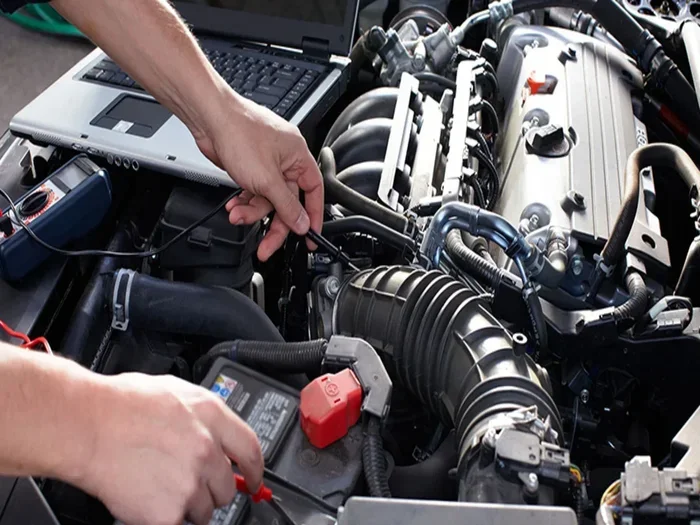
Even if your hybrid seems to run fine, periodic battery diagnostics can catch small issues before they become big problems. Many dealerships and independent shops offer free diagnostic checks that read the battery’s state of health, charge capacity, and cell balance. Scheduling these checks once or twice a year gives you peace of mind and helps you plan for any needed maintenance.
Maximize Your Hybrid Battery Warranty
Most manufacturers offer generous warranties on hybrid batteries, often covering 8 to 10 years or 100,000 miles. Understanding your warranty is an essential part of hybrid vehicle ownership. If your battery fails within the warranty period, you may qualify for a free or discounted replacement.
Keep all your maintenance records and receipts. These documents prove that you cared for the vehicle properly and can strengthen your case if a warranty claim becomes necessary. When in doubt, contact your dealer and ask about your specific coverage details.
Common Mistakes That Shorten Hybrid Battery Life
Avoiding common mistakes is just as important as following best practices. Here are the habits that hurt your hybrid battery the most:
- Constantly driving on a low charge: This deep-cycles the battery and accelerates cell degradation.
- Ignoring warning signs: Small issues become big problems when left unaddressed.
- Skipping routine maintenance: A poorly maintained gas engine puts extra load on the hybrid system.
- Using incompatible chargers: Non-certified charging equipment can deliver inconsistent power and damage battery cells.
- Parking in extreme heat or cold for long periods: Temperature extremes degrade battery chemistry over time.
- Aggressive driving habits: Fast acceleration and hard braking waste energy and generate excess heat.
Steering clear of these mistakes alone can add years to your battery’s lifespan. Combined with the positive habits outlined above, you set your hybrid up for long-term reliability and strong performance.
Quick Tips for Everyday Battery Care
Here are some fast, actionable tips you can start using today:
- Charge your plug-in hybrid only to the level you need for your next trip.
- Park in a garage or shaded area whenever possible.
- Drive at steady speeds and avoid rapid acceleration.
- Use regenerative braking by coasting to stops instead of braking hard.
- Keep up with your scheduled maintenance appointments.
- Monitor your battery temperature and respond to warnings immediately.
- Store your vehicle in a temperature-controlled environment during extreme weather.
Conclusion
Prolonging hybrid battery life is entirely within your control. By understanding how your battery works, charging it smartly, driving with care, managing temperature, and staying on top of maintenance, you can enjoy a reliable and efficient hybrid for many years to come. Every small habit adds up to big savings on your hybrid battery replacement cost and a more enjoyable driving experience.
The strategies in this guide are simple, practical, and proven. You do not need to be a mechanic or a tech expert to follow them. Start with one or two changes today and build from there. Your hybrid battery will thank you with better performance, improved fuel economy, and a longer lifespan that keeps you on the road with confidence.
Take ownership of your vehicle’s health. The effort you put into caring for your hybrid battery today pays off every time you turn the key and glide away in silence.
Frequently Asked Questions
How long does a hybrid battery typically last?
Most hybrid batteries last between 100,000 and 150,000 miles, and some last even longer with proper care. Your driving habits, climate, and maintenance routine all play a role in determining actual lifespan. Following the tips in this guide can help you reach or exceed the upper end of that range.
Is it expensive to replace a hybrid battery?
Hybrid battery replacement costs can range from $1,000 to over $6,000 depending on the vehicle model and battery type. However, many manufacturers cover battery replacement under warranty for 8 to 10 years. Regular maintenance and smart charging habits can help you avoid reaching that expense altogether.
Can I drive my hybrid every day without hurting the battery?
Yes, daily driving is perfectly fine and actually beneficial for hybrid battery health. The key is to drive smoothly, avoid deep discharges, and keep the battery within its optimal charge range. Consistent, moderate use keeps the battery cells active and balanced.
Does air conditioning use the hybrid battery?
Yes, the air conditioning system draws power from the hybrid battery, especially when the gas engine is off. In hot weather, this can reduce electric range slightly. Pre-cooling your car while plugged in helps preserve battery charge for driving.
Should I leave my plug-in hybrid plugged in all the time?
It is not ideal to leave a plug-in hybrid plugged in at 100% charge for extended periods. Once the battery reaches full charge, the vehicle stops accepting power, but staying at 100% for days can increase internal stress. Charge to the level you need and unplug when charging is complete.
Can extreme cold kill a hybrid battery?
Extreme cold does not kill a hybrid battery outright, but it significantly reduces performance and efficiency. The battery holds less charge and the electric motor delivers less power in freezing temperatures. Parking in a garage helps keep the battery warm and functioning properly during cold months.