Can You Replace a Hybrid Battery Yourself at Home
Can you replace a hybrid battery yourself at home? The short answer is yes, but it comes with serious risks and challenges. This guide walks you through everything you need to know about hybrid battery replacement, from tools and safety to costs and warranties. We help you decide if a DIY approach is right for your vehicle and skill level.
Replacing a hybrid battery is one of the most daunting maintenance tasks a car owner can face. The thought of handling a high-voltage battery pack inside your vehicle can scare anyone. But the truth is, many car owners do tackle this job themselves every year. The real question is whether you should.
Hybrid vehicles have grown in popularity over the past decade. Brands like Toyota, Honda, Ford, and Hyundai sell millions of hybrids worldwide. These cars use two power sources: a gasoline engine and an electric motor. The electric motor relies on a hybrid battery to store and deliver energy. Over time, this battery degrades. When it does, drivers face a big decision: pay a mechanic or do it themselves.
This guide covers everything you need to know about replacing a hybrid battery yourself at home. We will look at the tools you need, the steps involved, the costs, the risks, and when it makes sense to call in a professional. Whether you are a seasoned DIYer or a curious beginner, this article has something for you.
Key Takeaways
- DIY replacement is possible: With the right tools and knowledge, you can swap out a hybrid battery at home.
- Safety is critical: Hybrid batteries carry high voltage and require careful handling to avoid injury or damage.
- Costs vary widely: A new hybrid battery can range from $1,000 to $6,000 or more depending on the vehicle.
- Warranty matters: DIY replacement may void your factory or extended hybrid battery warranty.
- Not for beginners: If you lack mechanical experience, it is safer and smarter to hire a certified technician.
- Recycling is important: Old hybrid batteries contain toxic materials and must be disposed of properly.
📑 Table of Contents
Understanding Hybrid Batteries
Before you even think about opening your hood, you need to understand what makes hybrid batteries different from regular car batteries. A standard car battery is a small 12-volt unit that starts your engine. A hybrid battery pack is a completely different animal. It is much larger, much more complex, and operates at hundreds of volts.
What Makes Hybrid Batteries Different
Hybrid battery packs are made up of many individual modules or cells wired together. A typical Toyota Prius battery pack contains over 200 individual cells. These cells work together to deliver the voltage and current needed to power the electric motor. The entire pack can weigh anywhere from 50 to 100 pounds depending on the vehicle.
Most hybrid vehicles use one of two battery types. The first is nickel-metal hydride, or NiMH. This is the older technology and is still very common. The second is lithium-ion, which is newer and lighter. Both types store energy through chemical reactions, and both degrade over time. Understanding your battery type is the first step in any replacement project.
How Long Do Hybrid Batteries Last
Most hybrid batteries are designed to last between 100,000 and 150,000 miles. Some last even longer with proper care. However, battery life depends on many factors. Driving habits, climate, and maintenance all play a role. Hot climates tend to degrade batteries faster. Short trips with frequent stop-and-go driving can also shorten battery life.
Many drivers notice a gradual loss of fuel economy as the battery weakens. Others see warning lights on the dashboard. The hybrid battery warning signs are your first clue that something is wrong. Ignoring these signs can lead to worse problems down the road.
Signs Your Hybrid Battery Needs Replacement
How do you know it is time to replace your hybrid battery? There are several clear indicators. Catching these signs early can save you from bigger headaches later.
Common Warning Signs
- Reduced fuel economy: This is the most common sign. If your miles per gallon drop noticeably, the battery may be failing.
- Warning lights on the dashboard: Most hybrids have a dedicated battery or check engine light. Do not ignore these.
- Uneven battery charge: If the battery gauge shows inconsistent readings, individual cells may be dead.
- Strange noises: Some hybrids make clicking or humming sounds when the battery is weak.
- Reduced electric-only driving: If your car cannot run on electric power alone, the battery may be the culprit.
- Battery won’t hold a charge: This is a clear sign of a failing battery pack.
How to Test Battery Health
Before you commit to a full replacement, test the battery first. Many auto parts stores offer free car diagnostics that can check your battery health. You can also use a multimeter to check the voltage of individual modules. A healthy hybrid battery should read between 200 and 300 volts when fully charged, depending on the vehicle.
If you are unsure about testing, consider getting a professional opinion first. Some shops will check your battery for free or a small fee. This can save you money if the problem is something simple, like a faulty sensor, rather than the battery itself.
Tools and Preparation for DIY Replacement
If you have decided to go the DIY route, preparation is everything. Replacing a hybrid battery is not like swapping out a regular car battery. It requires specific tools, safety equipment, and a solid understanding of high-voltage systems.
Essential Tools You Will Need
- Insulated wrench set: You need tools rated for high-voltage work. Regular metal tools can cause short circuits.
- Safety gloves and glasses: High-voltage batteries can deliver a lethal shock. Always wear proper protective gear.
- Battery charger or maintainer: You will need a way to safely discharge and charge the new battery.
- Torque wrench: Battery modules are secured with specific torque specifications. A torque wrench ensures proper tightness.
- Service manual for your vehicle: Every hybrid has a unique battery layout. Your vehicle’s service manual is essential.
- Wire brush and electrical cleaner: Corrosion on battery terminals can cause connection issues.
- Battery carrier or lifting strap: Hybrid battery packs are heavy. You need a safe way to move them.
Safety Precautions
Safety must come first when working with hybrid batteries. These packs store enough energy to cause serious injury or death. Always disconnect the 12-volt auxiliary battery before starting work. Wait at least 10 minutes after disconnecting to allow the high-voltage capacitors to discharge. Never touch any orange-colored cables, as these carry high voltage.
Work in a dry, well-ventilated area. Do not attempt this job in wet conditions. Keep a fire extinguisher nearby. If at any point you feel unsure or uncomfortable, stop and seek professional help. There is no shame in calling a mechanic when safety is on the line.
One important thing to keep in mind: if your hybrid has been sitting unused for a while, the battery may need a special reconditioning process before replacement. Some owners have had success using a hybrid battery charger to bring the pack back to life before going through the full replacement process.
Step-by-Step Guide to Replacing Your Hybrid Battery
Now let us walk through the actual replacement process. Every vehicle is different, so always refer to your specific service manual. This guide gives you a general overview of what to expect.
Step 1: Disconnect the Power
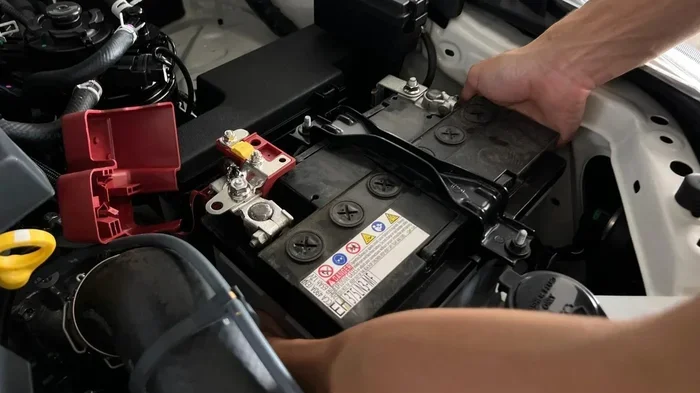
Start by turning off the ignition and removing the key. Disconnect the 12-volt auxiliary battery. This is usually located under the hood or in the trunk. Use an insulated wrench to loosen the negative terminal first, then the positive terminal. This prevents accidental short circuits.
Next, locate the high-voltage service disconnect. This is a special plug that isolates the hybrid battery from the vehicle’s electrical system. It is usually a bright orange or yellow connector. Unplug it carefully and secure it away from any metal surfaces.
Step 2: Remove the Old Battery
Most hybrid battery packs are located under the rear seat, in the trunk, or under the floor of the vehicle. Consult your service manual for the exact location. You will need to remove covers, panels, or trim pieces to access the battery.
Once you have access, disconnect the battery modules one at a time. Take photos as you go so you can remember the wiring layout. The modules are usually held in place with bolts or brackets. Remove these carefully and lower the old battery pack out of the vehicle.
Step 3: Inspect and Clean
With the old battery out, take a moment to inspect the battery tray and wiring. Look for corrosion, damage, or loose connections. Clean any corrosion with a wire brush and electrical contact cleaner. This is a great time to check for any moisture or debris that might have caused the original battery to fail.
Step 4: Install the New Battery
Place the new battery pack into the tray. Secure it with the bolts or brackets you removed earlier. Make sure the battery sits flush and is not loose. Reconnect the modules in the reverse order you removed them. Double-check each connection before moving on.
Reconnect the high-voltage service plug. Then reconnect the 12-volt auxiliary battery, starting with the positive terminal and then the negative. Make sure all connections are tight and secure.
Step 5: Test the New Battery
Turn the ignition on and check the dashboard for any warning lights. The hybrid system should initialize and run a self-check. If everything looks normal, take the car for a short test drive. Monitor the battery gauge and fuel economy to make sure the new battery is working properly.
If you see warning lights or the battery does not seem to be charging correctly, double-check all connections. Sometimes a loose wire or incorrectly seated module can cause problems. If the issue persists, it may be time to consult a professional.
Costs and Considerations
The cost of a hybrid battery replacement can vary dramatically. Understanding what drives the price helps you make informed decisions about whether to go DIY or hire a professional.
DIY vs Professional Replacement
A brand-new hybrid battery from the dealership can cost anywhere from $2,000 to $6,000 or more. The labor cost at a shop typically adds another $500 to $1,500. That brings the total to between $2,500 and $7,500 for a professional replacement.
If you do it yourself, you can save on labor costs. The price of a replacement battery pack has dropped significantly in recent years. Refurbished or remanufactured packs are also available for much less. Some owners have found quality replacement packs for as little as $800 to $1,500 online.
However, DIY replacement is not just about the price of the battery. You also need to factor in the cost of tools, safety equipment, and your time. If you make a mistake, the cost of fixing that mistake could exceed what you saved.
| Option | Battery Cost | Labor Cost | Total Cost |
|---|---|---|---|
| Dealership New | $3,000 – $6,000 | $500 – $1,500 | $3,500 – $7,500 |
| Independent Shop | $2,000 – $4,500 | $400 – $1,200 | $2,400 – $5,700 |
| DIY Replacement | $800 – $3,000 | $0 (your labor) | $800 – $3,000 |
| Refurbished/Remanufactured | $500 – $2,000 | Varies | $500 – $2,500 |
Warranty Implications
This is a critical consideration. Most hybrid batteries come with a factory warranty of 8 to 10 years or 100,000 miles. If your battery fails within the warranty period, the replacement is usually free. However, if you attempt a DIY replacement, you may void the warranty entirely.
Even after the warranty expires, it is worth checking your options. Some manufacturers offer extended battery warranties or goodwill replacements. Toyota, for example, has been known to help customers with battery issues even after the warranty period. Always contact your dealer before making a decision.
When to Call a Professional
There are situations where calling a professional is the smartest choice. Understanding these scenarios can save you time, money, and most importantly, keep you safe.
If your vehicle is still under warranty, do not attempt a DIY replacement. Doing so will void your warranty and could cost you thousands of dollars in future repairs. Similarly, if you have never worked on high-voltage electrical systems before, the learning curve is steep and the risks are real.
Some hybrid battery issues are not as simple as a dead battery pack. Sometimes the problem is a faulty battery management system, a bad sensor, or a wiring issue. These problems require diagnostic equipment and expertise that most DIYers do not have. If you are unsure about the diagnosis, consider getting a professional assessment first.
Another reason to call a professional is the environmental disposal of the old battery. Hybrid batteries contain hazardous materials like nickel, lithium, and cobalt. These materials must be recycled properly. Many replacement shops and battery suppliers will take your old battery for recycling at no charge. This is a responsible and convenient option that most DIYers overlook.
One more thing worth noting: some hybrid systems are more complex than others. For example, if you are working on a vehicle that also has a mild hybrid system, the battery is smaller and less dangerous. But full hybrid systems with larger battery packs require much more caution and expertise. Know your vehicle before you start the job.
Also, keep in mind that working on hybrid systems involves high-voltage safety protocols. If you have ever seen what happens when a hybrid battery overheats or shorts out, you know this is not something to take lightly. The thermal runaway risk in lithium-based batteries is real and can lead to fires. Always prioritize safety over savings.
Common Mistakes to Avoid
Even experienced DIYers make mistakes when replacing hybrid batteries. Here are some of the most common errors to watch out for.
- Skipping the service manual: Every hybrid system is different. Guessing can lead to costly mistakes.
- Not discharging the system: High-voltage capacitors can hold a charge for hours after disconnecting. Always wait and verify.
- Using the wrong tools: Non-insulated tools can cause short circuits and serious injury.
- Ignoring corrosion: Dirty or corroded connections can cause the new battery to perform poorly.
- Forgetting to reset the system: After installation, some hybrids require a reset procedure to recalibrate the battery management system.
- Buying the wrong battery: Compatibility is critical. Make sure the replacement battery matches your vehicle’s specifications exactly.
Final Thoughts
So, can you replace a hybrid battery yourself at home? The answer is yes, but it is not a simple job. It requires technical knowledge, the right tools, proper safety equipment, and a healthy dose of caution. If you have all of these things and your vehicle is out of warranty, a DIY replacement can save you a significant amount of money.
However, if you are unsure about any part of the process, it is always better to be safe than sorry. Hybrid batteries are powerful, expensive, and potentially dangerous. A professional technician has the training, experience, and equipment to do the job safely and correctly.
Before you start, make sure you have done thorough research on your specific vehicle model. Watch tutorial videos, read forums, and talk to other DIYers who have done the same job. The more prepared you are, the smoother the process will go. And remember, there is no shame in asking for help when you need it.
Whether you choose to tackle the job yourself or leave it to the professionals, the most important thing is that your hybrid battery is replaced correctly. A properly functioning battery means better fuel economy, smoother performance, and a happier driving experience. Take your time, stay safe, and make the choice that is right for you and your vehicle.
Frequently Asked Questions
How much does it cost to replace a hybrid battery yourself?
The cost of a replacement battery pack ranges from $800 to $3,000 if you buy it yourself. You save on labor costs, which can be $500 to $1,500 at a shop. However, factor in the cost of tools and safety equipment if you do not already own them.
Is it safe to work on a hybrid battery at home?
It can be safe if you follow all safety precautions. Always wear insulated gloves and eye protection. Disconnect the 12-volt battery first and wait at least 10 minutes before touching any components. Never touch orange or yellow high-voltage cables.
Will replacing a hybrid battery myself void my warranty?
Yes, in most cases. If your vehicle is still under factory warranty, DIY battery replacement will likely void the warranty. Check with your dealer before attempting any work on a covered vehicle.
How long does it take to replace a hybrid battery yourself?
A DIY replacement typically takes between 2 and 6 hours depending on the vehicle model and your experience level. First-timers should plan for extra time as they learn the process and troubleshoot any issues.
Can I use jumper cables on my hybrid battery if it dies?
Yes, you can jump-start a hybrid battery, but the process is different from a regular car. Always consult your owner’s manual for the correct jump-start procedure. Using jumper cables incorrectly on a hybrid can damage the electrical system.
Where can I recycle my old hybrid battery?
Most auto parts stores, dealership service centers, and battery replacement shops will accept old hybrid batteries for recycling at no charge. Hybrid batteries contain hazardous materials and must be disposed of properly to protect the environment.
=== CONCLUSION ===
Replacing a hybrid battery yourself at home is doable, but it is not a job for the faint of heart. You need the right tools, solid knowledge, and a commitment to safety. The potential savings are real, but so are the risks. Weigh your options carefully, and do not be afraid to call a professional when the job is beyond your comfort zone. A well-functioning hybrid battery keeps your car running efficiently and keeps you safe on the road.