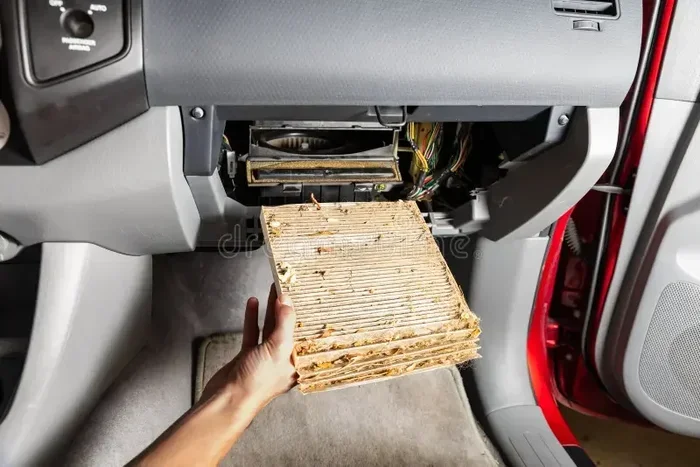
Can a Dirty Cabin Filter Stop the AC From Blowing Cold Air
A dirty cabin filter can absolutely stop your AC from blowing cold air. When the filter becomes clogged with dust, pollen, and debris, it restricts airflow and forces your car’s air conditioning system to work harder. This leads to weak cooling, strange smells, and potential damage to expensive components like the AC compressor.
Have you ever turned on your car’s air conditioning on a scorching summer day, only to feel warm air blowing from the vents? It is frustrating. And one of the most common culprits is something simple: a dirty cabin filter.
The cabin filter is a small but mighty part of your vehicle. It cleans the air that enters your car’s interior. But when it gets clogged, it can cause big problems with your AC not blowing cold air. In this article, we will explore exactly how a dirty cabin filter affects your air conditioning system. We will cover the symptoms, the replacement process, and what happens if you ignore the issue.
Whether you are dealing with weak airflow, musty smells, or a complete loss of cooling, this guide has you covered. Let us dive in and get your AC working again.
Key Takeaways
- A clogged cabin filter blocks airflow: This reduces the amount of cool air reaching your cabin.
- Dirty filters strain the AC system: Your compressor works harder, which can lead to costly repairs.
- Replacement is simple and affordable: Most drivers can do it themselves in under 15 minutes.
- Symptoms are easy to spot: Weak airflow, bad smells, and reduced cooling are clear signs.
- Ignoring the problem makes it worse: A neglected filter can damage the evaporator and blower motor.
- Regular maintenance prevents issues: Replacing the filter on schedule keeps your AC running strong all year.
📑 Table of Contents
- What Does a Cabin Filter Do?
- How a Dirty Cabin Filter Affects Your AC
- Signs Your Cabin Filter Is Clogged
- How Often Should You Replace Your Cabin Filter?
- Can You Clean a Cabin Filter Instead of Replacing It?
- What Happens If You Ignore a Dirty Cabin Filter?
- Step-by-Step: How to Replace Your Cabin Filter
- Conclusion
What Does a Cabin Filter Do?
The cabin filter is part of your car’s HVAC system. HVAC stands for heating, ventilation, and air conditioning. This filter sits behind your glove box or under the dashboard. Its job is simple but important. It traps dust, pollen, dirt, and other particles before they enter your car’s interior.
Think of it like the air filter in your home. Without it, your living space would fill with dust and allergens. The same principle applies to your car. A clean cabin filter ensures that the air you breathe inside your vehicle is fresh and clean.
How the Cabin Filter Works with the AC System
When you turn on the air conditioning system, the blower motor pulls air from outside the car. That air passes through the cabin filter first. Then it moves over the evaporator coil, which gets cold. Finally, the cool air flows through the vents into your cabin.
This process relies on steady airflow. If the cabin filter is clogged, airflow drops significantly. Less air means less cooling. Your AC system has to work harder to compensate. Over time, this extra strain can cause real damage.
Many drivers do not even know their car has a cabin filter. It is easy to overlook. But checking and replacing it regularly is one of the simplest ways to keep your AC running efficiently. If you want to learn more about how your car handles heat, you might also want to read about whether a car can overheat on a hot day.
How a Dirty Cabin Filter Affects Your AC
A clogged cabin filter directly impacts your air conditioning performance. Here is exactly what happens when dirt and debris build up inside the filter.
Reduced Airflow
This is the most obvious effect. A dirty filter acts like a blanket over your AC’s intake. Air cannot pass through easily. As a result, the vents push out weak, lukewarm air instead of the cool breeze you expect.
You might notice this most when you are stuck in traffic or idling at a red light. At low speeds, the AC system already has less airflow. A clogged filter makes the problem much worse.
Strained AC Compressor
Your AC compressor is one of the most expensive parts to replace. When a dirty cabin filter restricts airflow, the compressor has to run longer and harder to cool the air. This extra workload can lead to premature wear and eventual failure.
Overworking the compressor also increases fuel consumption. So a simple cabin filter replacement can actually save you money at the pump. It is a small part with a big ripple effect on your entire vehicle.
Frozen Evaporator Coil
When airflow drops too low, the evaporator coil can freeze. This happens because the refrigerant inside the coil cannot absorb enough heat from the limited airflow. Ice builds up on the coil, and your AC completely stops working.
A frozen evaporator coil is a serious problem. It requires professional repair. And it is entirely preventable with regular cabin filter maintenance. If you suspect ice buildup, turn off the AC and switch to fresh air mode. Let the system thaw before driving again.
Poor Air Quality Inside the Car
A dirty cabin filter does not just affect cooling. It also affects the air you breathe. When the filter is clogged, it can no longer trap pollen, dust, and mold spores effectively. These particles enter your cabin and circulate through the air you breathe every day.
This is especially important for people with allergies or asthma. A clogged filter can make allergy symptoms worse inside your car. Regular replacement keeps the air quality high and your family healthy.
Signs Your Cabin Filter Is Clogged
Knowing the warning signs helps you catch the problem early. Here are the most common symptoms of a dirty cabin filter.
Weak or Warm Air From the Vents
This is the number one sign. If your AC used to blow cold air and now it feels warm or barely noticeable, check the cabin filter first. Reduced airflow is the most direct result of a clogged filter.
Unusual Smells Coming From the Vents
A dirty filter can harbor mold and bacteria. When the AC runs, these microbes get blown into your cabin. The smell is often described as musty or earthy. If you notice a foul odor every time you turn on the AC, the cabin filter is a good place to start looking.
Increased Noise From the Blower Motor
When airflow is restricted, the blower motor works harder. You might hear whistling, rattling, or increased humming sounds from the vents. These noises mean your AC system is under stress.
Reduced Fuel Efficiency
This one surprises many drivers. When the AC system works harder because of a clogged filter, the engine also works harder. This leads to increased fuel consumption. If you notice your gas mileage dropping, a dirty cabin filter could be the cause.
Visible Dirt on the Vents
Sometimes you can see the problem. If you notice dust or debris blowing from your vents, the cabin filter is likely past its prime. A healthy filter should trap all of that before it reaches the vents.
If you are experiencing any of these symptoms, it is worth getting a free diagnostic on your car to confirm the issue and rule out other problems.
How Often Should You Replace Your Cabin Filter?
The recommended replacement interval varies by vehicle and driving conditions. Most manufacturers suggest replacing the cabin filter every 12,000 to 15,000 miles. However, this is just a general guideline.
Factors That Shorten Filter Life
Certain driving conditions cause the cabin filter to clog faster. Here are the main factors to consider:
- Driving on dirt or gravel roads: More dust and debris enter the system.
- Living in a high-pollen area: Seasonal allergies fill the filter faster.
- Urban driving with heavy pollution: Exhaust particles and smog clog the filter quickly.
- Frequent use of the AC: More airflow means more particles get trapped.
- Parking under trees: Pollen and leaves can enter the intake area.
When to Check the Filter
Do not wait for symptoms to appear. Make it a habit to inspect your cabin filter every oil change. It takes just a few minutes and can prevent bigger problems down the road. If the filter looks dark and dirty, replace it even if it has not reached the mileage limit.
Some newer vehicles have a cabin filter indicator light. If your car has one, pay attention when it comes on. Ignoring it means your AC system is running with a clogged filter.
Can You Clean a Cabin Filter Instead of Replacing It?
This depends on the type of cabin filter your car uses. There are two main types: disposable and reusable.
Disposable Cabin Filters
Most cars use disposable cabin filters made from paper or fiber material. These cannot be cleaned effectively. Washing them can damage the filter media and reduce its ability to trap particles. For disposable filters, replacement is the only option.
Reusable Cabin Filters
Some vehicles come with reusable cabin filters made from washable materials. These can be cleaned with water and mild soap. After washing, let the filter dry completely before reinstalling it. A wet filter can cause mold growth and musty smells.
Even with a reusable filter, regular inspection is important. Over time, the filter material can degrade and lose its effectiveness. When in doubt, replace it. A new cabin filter costs between $15 and $50 for most vehicles. The labor at a shop is usually minimal.
Replacing the cabin filter yourself is one of the easiest DIY car maintenance tasks. In most vehicles, you simply open the glove box, remove the filter cover, slide out the old filter, and insert the new one. It typically takes less than 15 minutes. If you are not comfortable doing it yourself, any reputable mechanic or quick-lube shop can handle it quickly.
What Happens If You Ignore a Dirty Cabin Filter?
It is tempting to ignore a minor AC issue. But a dirty cabin filter can lead to serious and expensive problems if left unchecked.
AC Compressor Failure
The extra strain on the AC compressor from restricted airflow can cause it to fail. Replacing a compressor is one of the most expensive AC repairs. It can cost anywhere from $500 to $1,000 or more, depending on your vehicle.
Evaporator Coil Damage
A frozen evaporator coil can crack if the ice expands too much. A cracked evaporator coil requires a major repair that involves removing parts of the dashboard. This is a time-consuming and costly job that can easily exceed $1,000.
Blower Motor Burnout
The blower motor works harder to push air through a clogged filter. Over time, the motor’s bearings wear out, and it can burn out. Replacing a blower motor typically costs between $200 and $400.
Mold and Mildew Growth
A dirty, moist cabin filter is a breeding ground for mold and mildew. These spores get distributed throughout your car every time the AC runs. This can cause health problems, especially for children, elderly passengers, and anyone with respiratory issues.
Ignoring a dirty cabin filter is a false economy. The cost of a simple replacement is tiny compared to the cost of repairing the damage it can cause. Stay on top of your car maintenance and your AC system will thank you.
If you are dealing with AC issues and want to understand whether your car can still run safely, you might also find it helpful to learn about driving with a P0171 code, which is another common car issue that can be easy to overlook.
Step-by-Step: How to Replace Your Cabin Filter
Replacing your cabin filter is one of the easiest maintenance tasks you can do at home. Here is a simple guide to walk you through it.
- Find the cabin filter location. Check your owner’s manual. Most cars have the filter behind the glove box or under the hood near the windshield.
- Gather your tools. You usually need just a flathead screwdriver or a Phillips head screwdriver. No special equipment is required.
- Remove the old filter. Open the cover or panel, slide out the old filter, and note the direction of the airflow arrow printed on it.
- Insert the new filter. Make sure the airflow arrow points in the correct direction toward the HVAC system.
- Replace the cover. Snap or screw the panel back into place.
- Test the AC. Turn on the air conditioning and check for improved airflow and cooling.
Always use the correct filter for your vehicle model. Using the wrong size can leave gaps that let unfiltered air bypass the filter. Check your owner’s manual or ask an auto parts store associate for help finding the right part.
Quick Tips for Cabin Filter Replacement
- Replace the filter before summer to ensure peak AC performance during the hottest months.
- Keep a spare cabin filter in your trunk, especially if you travel through dusty areas.
- Take a photo of the old filter before removing it. This helps you see how it should be oriented.
- Do not force the filter into place. If it does not fit easily, double-check the part number.
Taking care of your cabin filter is a small act that pays big dividends. Your AC will cool better, your air will be cleaner, and your car’s HVAC system will last longer. It is one of those rare maintenance tasks that is both simple and incredibly effective.
Conclusion
The answer to the question is clear. A dirty cabin filter can absolutely stop your AC from blowing cold air. It restricts airflow, strains the compressor, and can even cause freezing and mold growth. The good news is that replacing a cabin filter is cheap, easy, and fast.
Do not wait until your AC stops working entirely. Make cabin filter replacement part of your regular maintenance routine. Check it every oil change and replace it when it looks dirty. Your wallet, your health, and your comfort will all benefit.
Your car’s air conditioning system works hard for you every day, especially during the summer months. Give it the care it deserves by keeping that cabin filter clean and fresh. It is one of the smallest parts in your car, but it makes one of the biggest differences in how your AC performs.
Frequently Asked Questions
How do I know if my cabin filter is dirty?
Common signs include weak airflow from the vents, warm air coming from the AC, musty smells inside the car, and visible dirt on the vents. You can also open the filter housing and look at the filter itself. If it appears dark and clogged with debris, it is time for a replacement.
Can a dirty cabin filter damage the AC compressor?
Yes, it can. A clogged cabin filter restricts airflow, which forces the AC compressor to work harder than it should. Over time, this extra strain can cause premature wear and eventual compressor failure. Replacing the filter regularly prevents this expensive problem.
How much does it cost to replace a cabin filter?
The cabin filter itself costs between $15 and $50 for most vehicles. If you have a mechanic do the replacement, labor typically adds $20 to $50. So the total cost is usually between $35 and $100. Doing it yourself saves the labor charge entirely.
Where is the cabin filter located in most cars?
In most vehicles, the cabin filter is located behind the glove box or under the dashboard on the passenger side. Some cars have it under the hood near the windshield. Check your owner’s manual for the exact location in your specific vehicle.
Can I drive my car without a cabin filter?
You can, but you should not. Without a cabin filter, dust, pollen, and debris enter your car’s interior freely. It also allows unfiltered air to reach the AC evaporator, which can cause debris buildup on the coil and reduce cooling performance over time.
Does a cabin filter affect gas mileage?
Indirectly, yes. When a dirty cabin filter restricts airflow, the AC system works harder, which puts extra load on the engine. This can lead to slightly increased fuel consumption. Keeping the filter clean helps your AC run efficiently and can contribute to better gas mileage.