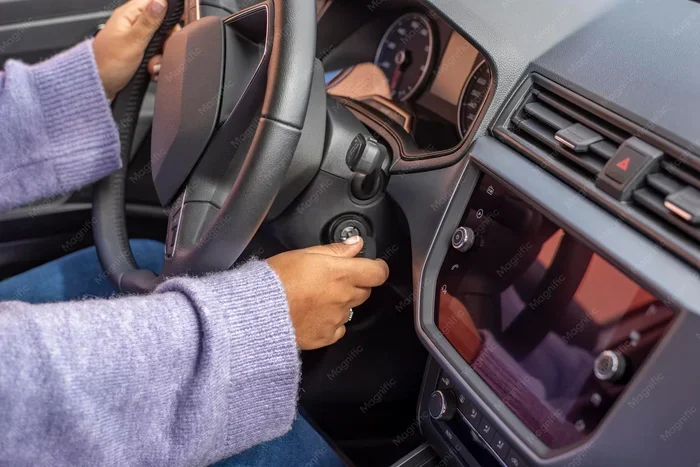
Here Is What Happens When a Driver Attempts to Start a Car
When a driver attempts to start a car, a complex chain of events unfolds in seconds. The battery sends power to the starter motor, which cranks the engine, and the ignition system sparks the fuel mixture. Understanding this process helps you troubleshoot problems and keep your vehicle running smoothly every single day.
Every day, millions of drivers turn a key or push a button and expect their car to start. It feels like magic. But beneath the surface, a fascinating sequence of events takes place. When a driver attempts to start a car, the electrical, fuel, and mechanical systems all work together in harmony. Understanding how this process works can help you stay informed. It can also save you time and money when things go wrong.
Let’s walk through the entire starting process step by step. You will learn what each part does. You will also discover why cars sometimes refuse to cooperate.
Key Takeaways
- The ignition process starts the moment you turn the key or press the start button.
- The starter motor and battery work together to crank the engine.
- The fuel pump, spark plugs, and ignition coil all play vital roles.
- A dead battery is the number one reason a car won’t start.
- Regular maintenance keeps your starting system reliable year-round.
- Push-button start vehicles follow a similar process to traditional key ignition.
- Knowing the signs of a failing starter can save you from roadside trouble.
📑 Table of Contents
- What Happens When You Turn the Key
- The Starter Motor and Battery: A Powerful Team
- How the Ignition System Fires Up the Engine
- What the Fuel System Does During Startup
- Common Reasons a Car Won’t Start
- Tips to Keep Your Car Starting Reliably
- Understanding Push-Button Start Vehicles
- The Electrical System’s Role in Starting
- When to See a Professional
- Conclusion
What Happens When You Turn the Key
The moment you insert your key and turn it to the “on” position, something remarkable begins. The electrical system wakes up. Lights on the dashboard flicker briefly. The car checks itself for any obvious problems. This is called the “accessory” phase. It prepares the vehicle for the big moment.
When you turn the key further to the “start” position, the real action begins. A signal goes from the ignition switch to the starter motor. This signal tells the car to begin the engine cranking process. Everything happens in a matter of seconds. But each step is critical.
The Role of the Ignition Switch
The ignition switch is the bridge between you and the car’s electrical system. It controls the flow of electricity to different parts of the vehicle. When you turn the key, the switch connects the battery to the starter circuit. Without a working ignition switch, nothing else happens. The car simply stays silent.
Older vehicles use a traditional key and tumbler system. Newer cars often use a push-button start system. Both systems rely on the same basic principle. They send a signal to begin the engine startup sequence. The push-button start uses a smart key or key fob to communicate with the car.
The Starter Motor and Battery: A Powerful Team
The starter motor is the unsung hero of the ignition process. When a driver attempts to start a car, the battery sends a surge of electricity to this small but mighty component. The starter motor then begins to spin. It turns the engine over so that combustion can begin.
The battery provides the initial burst of energy. It needs to be fully charged and in good condition. A weak battery can cause slow cranking. In some cases, it may not provide enough power at all. This is why battery health matters so much.
How the Solenoid Works
Between the battery and the starter motor sits the solenoid. Think of it as a relay switch. When electricity reaches the solenoid, it pushes the starter gear forward. This gear connects with the flywheel on the engine. The flywheel is a heavy metal disc attached to the crankshaft.
Once the starter gear locks into the flywheel, the motor begins to spin. This spinning motion turns the crankshaft. The crankshaft moves the pistons up and down inside the cylinders. This is the mechanical heart of the engine. Without the solenoid, the starter gear would never engage properly.
Battery Health and Maintenance
Car batteries typically last between three and five years. Extreme temperatures can shorten that lifespan. Hot weather causes fluid to evaporate. Cold weather reduces the battery’s ability to hold a charge. Both conditions make it harder for the battery to deliver power when you need it most.
Here are some quick tips to keep your battery strong:
- Check battery terminals for corrosion regularly.
- Keep the battery clean and dry.
- Drive your car for at least 20 minutes at a time.
- Consider a battery maintainer if you drive infrequently.
- Replace your battery before it reaches five years old.
How the Ignition System Fires Up the Engine
Once the crankshaft begins to turn, the ignition system takes over. The ignition system creates the spark that ignites the air-fuel mixture inside the combustion chamber. Without a proper spark, the engine will crank but never fire up. This is one of the most common reasons a car won’t start.
The ignition coil plays a central role here. It takes the battery’s low voltage and converts it into a high-voltage pulse. That pulse travels to the spark plugs through ignition wires or a distributor. Each spark plug fires at the exact right moment. This timing is controlled by the engine control unit, or ECU.
Spark Plugs and Ignition Timing
Spark plugs are small but incredibly important. They sit at the top of each cylinder. When the ignition coil sends a high-voltage signal, the spark plug creates a tiny bolt of electricity. This spark ignites the compressed air-fuel mixture. The resulting mini explosion pushes the piston down. This is what creates engine power.
Worn spark plugs can cause misfires. They may produce a weak spark that fails to ignite the fuel properly. Most manufacturers recommend replacing spark plugs every 30,000 to 100,000 miles. Check your owner’s manual for the exact interval.
Ignition timing is also crucial. The spark must occur at the precise moment. If the timing is off, the engine may run rough or fail to start. Modern cars use sensors and computer controls to manage timing automatically. But sensors can fail, and when they do, starting problems follow.
What the Fuel System Does During Startup
The ignition system creates the spark. But you also need fuel. The fuel system delivers gasoline or diesel to the combustion chambers. When a driver attempts to start a car, the fuel pump activates immediately. It pushes fuel through the fuel lines to the engine.
The fuel injectors spray a fine mist of fuel into each cylinder. This mist mixes with the air that has been drawn in by the pistons. The ratio of fuel to air must be just right. Too much or too little fuel can prevent the engine from starting.
The Fuel Pump and Fuel Filter
The fuel pump is usually located inside the gas tank. It uses electricity to push fuel toward the engine. A failing fuel pump may not deliver enough pressure. This can cause long cranking or a complete no-start condition.
The fuel filter catches contaminants before they reach the engine. Over time, the filter can become clogged. A clogged filter restricts fuel flow. This is why replacing the fuel filter on schedule is so important.
Fuel Injection vs. Carburetors
Older vehicles used carburetors to mix fuel and air. Carburetors rely on engine vacuum and mechanical parts. Modern cars use electronic fuel injection. This system is more precise and efficient. It adjusts the fuel mixture based on temperature, altitude, and engine load.
Fuel injection systems use multiple sensors to monitor conditions. The mass airflow sensor measures incoming air. The oxygen sensor checks the exhaust. The ECU uses this data to adjust the fuel delivery. This complex dance happens in milliseconds every time you start the engine.
Common Reasons a Car Won’t Start
Even with a well-maintained vehicle, starting problems can occur. Understanding the most common causes can help you diagnose the issue quickly. Here are the main reasons a car might refuse to start.
Dead or Weak Battery
A dead battery is the leading cause of no-start conditions. If you turn the key and hear nothing, the battery is often the culprit. Lights that are dim or flickering are another sign. Leaving headlights on overnight can drain the battery completely.
You can test your battery with a multimeter. A fully charged battery should read around 12.6 volts. Anything below 12.0 volts suggests a weak battery. Jump-starting the car can provide a temporary fix. But a failing battery needs to be replaced.
Faulty Starter Motor
If you hear a single click when you turn the key, the starter motor may be to blame. A worn starter motor can grind or spin without engaging the flywheel. Starter motors typically last 100,000 miles or more. But they can fail prematurely due to electrical issues or overheating.
Listen carefully when you attempt to start the car. A grinding noise often means the starter gear is worn. A whirring sound without cranking suggests the solenoid may be faulty. Both problems require professional inspection.
Clogged Fuel Filter or Empty Tank
Sometimes the simplest explanation is the right one. An empty fuel tank will prevent the car from starting. But even with fuel in the tank, a clogged filter can stop the flow. Fuel filters are inexpensive and easy to replace. Yet many drivers overlook them during routine maintenance.
If your car starts but then stalls immediately, the fuel system could be at fault. Dirty fuel injectors can also cause problems. They may not spray fuel evenly. This creates an imbalanced air-fuel mixture that the engine cannot run on.
Bad Ignition Coil or Spark Plugs
Worn spark plugs or a failing ignition coil can prevent proper combustion. The engine may crank for a long time before catching. In some cases, it will not catch at all. Replacing spark plugs is one of the cheapest and easiest maintenance tasks. Ignition coils cost a bit more but are still relatively affordable.
Faulty Security System
Modern cars have sophisticated anti-theft systems. If the system does not recognize the key fob, it may prevent starting. The dashboard security light will often flash in this case. A dead key fob battery is a common cause of this problem. Replacing the battery in the fob usually solves it.
Tips to Keep Your Car Starting Reliably
Prevention is always better than repair. A few simple habits can keep your starting system in top shape. Here are practical tips every driver should follow.
- Get regular oil changes. Clean oil reduces engine wear and helps the engine turn over more easily.
- Check your battery connections. Corroded terminals can interrupt the electrical flow. Clean them with a baking soda and water solution.
- Listen for unusual sounds. Clicking, grinding, or slow cranking are warning signs. Address them early before they become bigger problems.
- Keep your fuel tank at least a quarter full. This ensures the fuel pump stays cool and has enough fuel for startup.
- Replace worn parts proactively. Spark plugs, fuel filters, and batteries all have a lifespan. Stay ahead of replacements.
- Avoid short trips when possible. Short drives do not fully recharge the battery. Combine errands into longer trips when you can.
- Store your car in a garage when possible. Extreme heat and cold both damage the battery and other starting components.
Taking care of your vehicle pays off in reliability. A well-maintained car starts every time. It also runs more efficiently and lasts longer. These simple habits protect your investment and keep you safe on the road.
Understanding Push-Button Start Vehicles
Many modern cars come with push-button start systems. These vehicles do not have a traditional key slot. Instead, the driver carries a smart key or key fob. When you press the start button, the car reads the key’s signal. If the key is recognized, the startup sequence begins.
The process is very similar to a traditional ignition. The battery sends power to the starter motor. The engine cranks and the ignition system fires. The main difference is the convenience factor. You do not need to fumble with a key. The car does the recognition work automatically.
However, push-button start systems have their own quirks. A low key fob battery can prevent the car from recognizing the fob. Most vehicles have a backup method. You can place the fob against a specific spot on the start button or steering column. Check your owner’s manual for the exact location.
The Electrical System’s Role in Starting
The electrical system is the backbone of the starting process. When a driver attempts to start a car, every electrical component must work correctly. The battery provides the initial power. The alternator keeps the battery charged while the engine runs. The wiring harness connects everything together.
Fuses and relays protect the electrical circuits. A blown fuse can interrupt the starting circuit. A faulty relay can prevent power from reaching the starter motor. These small components are easy to overlook but can cause big problems.
The engine control unit acts as the brain of the operation. It coordinates the spark, fuel, and timing. The ECU receives data from dozens of sensors. It uses this information to create the ideal conditions for combustion. Without the ECU, the engine would not know when to fire each cylinder.
When to See a Professional
Some starting problems are easy to fix. A dead battery can be jumped or replaced. A clogged fuel filter can be swapped out in minutes. But other issues require professional diagnosis. If your car cranks but will not start, the problem could be deeper.
A qualified mechanic has the tools and knowledge to diagnose complex issues. They can read error codes from the ECU. They can test the fuel pressure, ignition timing, and compression. Trying to fix electrical or fuel injection problems without proper training can make things worse.
If you notice any of these signs, seek professional help promptly:
- The engine cranks slowly or not at all.
- You hear grinding noises when turning the key.
- The dashboard warning lights stay on after starting.
- The car starts but immediately stalls.
- You smell gasoline or burning odors near the engine.
Early diagnosis saves money and prevents breakdowns. Do not ignore warning signs. Address them before they turn into costly repairs.
Conclusion
When a driver attempts to start a car, an incredible amount of coordination happens in just a few seconds. The battery sends power to the starter motor. The starter turns the crankshaft. The ignition system creates sparks. The fuel system delivers the right mixture. All of this occurs because of a well-designed system of electrical, mechanical, and chemical components working together.
Understanding this process gives you confidence. You can troubleshoot minor issues. You can communicate better with your mechanic. You can also appreciate the engineering that goes into every vehicle on the road. Regular maintenance keeps this system running smoothly. Pay attention to warning signs. Replace worn parts before they fail. And never underestimate the power of a healthy battery.
Your car’s starting system is one of the most important systems in the entire vehicle. Treat it well, and it will serve you faithfully every single day. The next time you turn that key or press that button, you will know exactly what is happening beneath the hood.
Frequently Asked Questions
How long does it take for a car to start after turning the key?
A healthy car should start within one to two seconds of turning the key or pressing the start button. If your car takes longer than three seconds, it may indicate a weak battery, failing starter, or fuel system issue. Pay attention to slow cranking as an early warning sign.
Can cold weather prevent a car from starting?
Yes, cold weather can significantly affect your car’s ability to start. Low temperatures reduce the battery’s chemical activity and make engine oil thicker. This means the starter motor has to work harder to turn the engine. Keeping your battery in good condition helps combat cold weather starting problems.
What is the difference between cranking and starting?
Cranking refers to the starter motor turning the engine over. Starting means the engine actually fires and runs on its own. A car can crank without starting if there is a spark, fuel, or timing problem. Both stages are essential for the engine to run properly.
How often should I replace my car battery?
Most car batteries last between three and five years. Driving habits, climate, and electrical loads all affect battery life. Have your battery tested annually after the third year. Replacing it before it fails prevents unexpected no-start situations.
Why does my car click but not start?
A single click usually means the starter solenoid is engaging but the starter motor is not turning. This can be caused by a dead battery, corroded terminals, or a faulty starter motor. A rapid clicking sound often indicates a battery that is too weak to power the starter.
Is it safe to jump-start a car with a dead battery?
Yes, jump-starting is safe when done correctly. Always connect the cables in the proper order: positive to positive, negative to a grounded metal surface on the dead car. Never connect cables directly to the negative battery terminal, as this can cause sparks near the battery. If you are unsure, consult your owner’s manual or call for roadside assistance.