Can I Add Transmission Fluid While Running the Engine
Yes, you can add transmission fluid with the engine running, but you must follow specific safety steps. The engine needs to be warm and idling to get an accurate fluid level reading. Always use the right fluid type, let the car warm up first, and check the dipstick carefully to avoid overfilling or spills.
Adding transmission fluid seems simple on the surface. You pop the hood, find the dipstick, and pour in more fluid, right? Well, not exactly. One of the most common questions car owners ask is whether they can add transmission fluid while the engine is running. The answer is yes, but there is more to it than just grabbing a bottle and pouring.
Doing it the wrong way can lead to overfilling, spills, or even damage to your automatic transmission. Whether you drive a truck, SUV, or sedan, understanding the right process saves you money and keeps your car running smoothly. This guide walks you through every step in plain language, so you feel confident the next time you open the hood.
Let us start with the basics. Your transmission relies on clean fluid to lubricate gears, cool internal parts, and transfer power from the engine to the wheels. When the transmission fluid level drops too low, you risk grinding gears, overheating, and costly transmission repair. That is why knowing how and when to add fluid matters so much.
Key Takeaways
- Engine must be warm and idling: The car needs to reach operating temperature for an accurate fluid level check.
- Use the correct fluid type: Different transmissions need specific fluids. Check your owner’s manual before adding anything.
- Never overfill: Too much transmission fluid can cause foaming, leaks, and serious damage to internal components.
- Safety comes first: Working around a running engine means keeping hands clear of moving parts and wearing protective gear.
- Look for warning signs: Dark color, burning smell, or low levels on the dipstick all signal it is time for a fluid change or service.
- DIY is possible but risky: Adding fluid yourself is doable, but a professional free diagnostic check can catch hidden problems.
📑 Table of Contents
- Why You Need to Check Transmission Fluid With the Engine Running
- Can You Add Transmission Fluid While the Engine Is Running
- What Type of Transmission Fluid Should You Use
- Signs Your Transmission Fluid Is Low
- Common Mistakes When Adding Transmission Fluid
- How Often Should You Change Transmission Fluid
- When to See a Professional Instead of DIY
- Final Thoughts on Adding Transmission Fluid While Running
Why You Need to Check Transmission Fluid With the Engine Running
Here is the first thing most people get wrong. You cannot check or add transmission fluid with a cold engine. The fluid expands when it heats up. If you check it cold, the reading will be inaccurate, and you might add too much or too little fluid.
How the Engine Warm-Up Process Works
Start your car and let it idle for about 5 to 10 minutes. This brings the engine and transmission up to operating temperature. During this time, the fluid circulates through the system and fills all the channels and passages inside the transmission. Once the temperature gauge shows the car is warm, you are ready to check the level.
Keep the engine idling while you do this. The transmission needs to be in gear for the fluid to settle at the correct level. Most experts recommend putting the car in park (for automatics) or neutral (for manuals) and letting the engine run gently.
What Happens If You Check Fluid When Cold
Checking the fluid when the engine is cold gives you a lower reading on the dipstick. You might think you need to add fluid when you actually do not. This leads to overfilling, which causes its own set of problems. Overfilled fluid foams up, loses its lubricating ability, and can push past seals and gaskets.
If you are dealing with a situation where your car stalled and you are trying to diagnose the issue, understanding car fluids and their levels is essential. For more on what happens when a car stops running unexpectedly, check out our guide on car stopped running while driving and won’t start.
Can You Add Transmission Fluid While the Engine Is Running
The short answer is yes. You can add transmission fluid with the engine running and warm. In fact, this is the recommended method for most vehicles. The running engine keeps the fluid circulating, which helps you get a more accurate reading on the dipstick after each addition.
Step-by-Step Process for Adding Fluid
Here is how to do it safely and correctly:
- Park on a flat surface. Make sure the car is level so the dipstick gives an accurate reading. A tilted surface can throw off the measurement.
- Start the engine and let it idle. Wait until the temperature gauge reaches normal operating range. This usually takes 5 to 10 minutes.
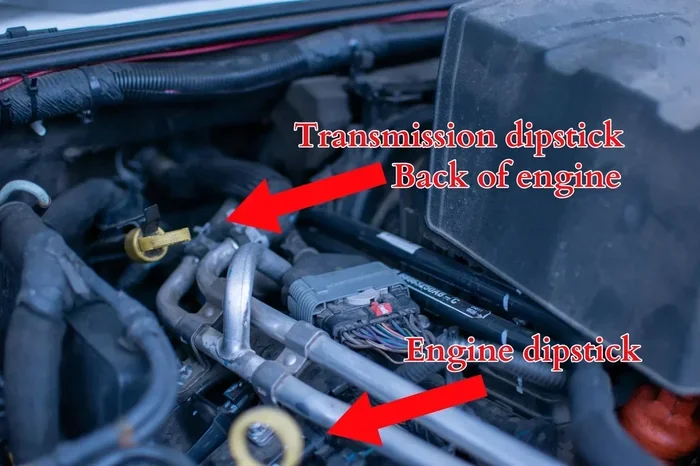
- Locate the transmission dipstick. It is usually near the front of the engine bay, often with a brightly colored handle. If you are unsure, check your owner’s manual.
- Pull the dipstick, wipe it clean, and reinsert it. Then pull it out again to read the current fluid level.
- Add fluid slowly. Use a funnel and pour small amounts at a time. Recheck the level after each addition.
- Stop when the level reaches the full mark. Do not go past it. The fluid should sit between the low and full marks on the dipstick.
Which Gear Position Should the Car Be In
For automatic transmissions, put the gear shift in park. For manual transmissions, put it in neutral. This allows the transmission internals to rest in a neutral state while you check and add fluid. Some manufacturers recommend specific positions, so always refer to your owner’s manual first.
Quick tip: Never add fluid with the engine turned off. The fluid settles when the engine is off, and you will not get a true reading of what the level is during normal driving conditions.
What Type of Transmission Fluid Should You Use
Not all transmission fluid is the same. Using the wrong type can damage your transmission and void your warranty. There are several different fluids designed for specific transmission types and models.
Automatic Transmission Fluid (ATF)
Automatic transmissions use ATF, which comes in several formulations. Common types include Dexron VI, Mercon V, and ATF+4. Each one is engineered for specific transmission designs. Using Dexron VI in a transmission that requires Mercon V can cause shifting problems and internal wear.
Manual Transmission Fluid
Manual transmissions often use gear oil or motor oil instead of ATF. Some vehicles use a specific manual transmission fluid (MTF) that is different from both ATF and gear oil. Always check what your vehicle requires before purchasing any fluid.
Continuously Variable Transmission (CVT) Fluid
CVT transmissions are becoming more common in modern cars. They require a specialized fluid that is different from traditional ATF. Using regular ATF in a CVT can lead to premature failure and expensive repairs.
If you are unsure which fluid your car needs, look at the owner’s manual or check the transmission fluid cap. It usually lists the correct specification right on top. When in doubt, ask a mechanic during your next car maintenance visit.
Signs Your Transmission Fluid Is Low
Knowing the warning signs of low transmission fluid can save you from major damage. Transmissions are expensive to repair, and catching a low fluid level early is one of the best car maintenance tips you can follow.
Delayed Gear Engagement
When you shift from park to drive, does the car hesitate before moving? This delay often means the fluid level is too low to build proper hydraulic pressure inside the transmission.
Slipping Gears
If the engine revs up but the car does not accelerate smoothly, the gears may be slipping. Low fluid reduces the hydraulic pressure needed to hold gears in place.
Burning Smell
Fresh transmission fluid is reddish and translucent. If it smells burnt or turns dark brown or black, it has overheated or degraded. This is a clear sign you need to check the level and consider a transmission fluid change.
Leaking Fluid Under the Car
Puddles of red or brown fluid under your parked car indicate a transmission leak. Check the fluid level and inspect the area around the transmission pan and seals for visible leaks.
Warning Lights on the Dashboard
Some vehicles have a transmission temperature warning light or a check engine light that illuminates when fluid levels drop too low. Do not ignore these warnings. If your car shows a warning code, you can still often drive short distances, but you should address the issue promptly. For more information, read our article on can I still drive with a P0171 code to understand how warning codes affect drivability.
Common Mistakes When Adding Transmission Fluid
Even experienced car owners make mistakes when adding fluid. Avoiding these common errors keeps your transmission healthy and prevents unnecessary trips to the shop.
Overfilling the Transmission
Too much fluid is just as bad as too little. Overfilled fluid gets churned by internal gears and creates foam. Foamed fluid loses its ability to lubricate and cool properly. It can also push past seals and cause leaks.
Using the Wrong Fluid Type
This mistake is more common than you think. Mixing different fluid types or using the wrong specification can cause seals to swell, gears to wear faster, and shifting to become rough. Always double-check the fluid type before pouring.
Adding Fluid With a Cold Engine
As mentioned earlier, checking and adding fluid with a cold engine gives inaccurate readings. The fluid has not yet circulated through the system, so the level on the dipstick will be lower than it actually is during driving.
Ignoring the Dipstick Procedure
Some people pull the dipstick once, add fluid, and call it done. The correct method is to recheck the level multiple times, adding small amounts each time. This prevents overfilling and ensures accuracy.
Not Addressing the Root Cause of Low Fluid
If your fluid is consistently low, there is likely a leak somewhere. Simply topping off without finding and fixing the leak means you will keep losing fluid and risking transmission damage. Have a professional inspect the system if you notice frequent fluid loss.
For those who are dealing with other car issues alongside transmission concerns, understanding what fluids can and cannot do is helpful. For instance, some people wonder whether certain solvents can be used on car parts. You might want to read about using acetone on car paint to understand which chemicals are safe around your vehicle.
How Often Should You Change Transmission Fluid
Adding fluid is not the same as changing it. Over time, transmission fluid breaks down and loses its effectiveness. Most manufacturers recommend changing the fluid every 30,000 to 60,000 miles, but this varies by vehicle and driving conditions.
Factors That Affect Fluid Life
- Driving in heavy traffic: Stop-and-go driving puts more stress on the transmission and degrades fluid faster.
- Towing or hauling: Extra weight increases transmission temperature and accelerates fluid breakdown.
- Hot climates: High ambient temperatures cause fluid to oxidize faster. If you live in a hot area, you may need to change fluid more frequently.
- Aggressive driving: Rapid acceleration and hard shifting put extra strain on the transmission.
DIY Fluid Change vs Professional Service
Changing transmission fluid yourself is possible but messy. You need to drain the old fluid, replace the filter if applicable, and refill with the correct amount and type of new fluid. A professional service ensures the job is done correctly and often includes a transmission service inspection to catch potential problems early.
If you are considering a DIY approach, make sure you have the right tools, a catch pan, and enough new fluid on hand. Always dispose of old fluid properly at a recycling center.
Overheating is one of the biggest enemies of transmission fluid. If you have ever wondered whether your car can overheat in hot weather, the answer is yes, and it affects more than just the engine. Learn more about how heat affects your vehicle in our article on can a car overheat on a hot day.
When to See a Professional Instead of DIY
There is no shame in calling a mechanic. Some transmission issues are beyond a simple fluid top-off, and attempting DIY repairs on complex systems can make things worse.
Situations That Call for a Pro
- You notice a burning smell or see smoke coming from under the hood.
- The transmission fluid is extremely dark or has metal particles in it.
- You hear grinding or whining noises when shifting gears.
- The fluid level keeps dropping even after you refill it.
- Your car refuses to shift gears or gets stuck in one gear.
In these cases, a professional inspection is the safest route. Many shops offer a free diagnostic check that can identify problems before they become expensive repairs. The cost of a diagnostic is nothing compared to the cost of replacing a damaged transmission.
If you are curious about what other car systems can fail while driving, our article on what happens when a car stops running in traffic covers common scenarios and what to do in each situation.
Final Thoughts on Adding Transmission Fluid While Running
Adding transmission fluid with the engine running is not only safe, it is the correct way to get an accurate fluid level reading. The key is to follow the proper steps: warm up the engine, use the right fluid, add slowly, and check the level frequently. Avoid the common mistakes that lead to overfilling or using the wrong fluid type.
Regular car maintenance like checking and changing your transmission fluid extends the life of your transmission and keeps your car shifting smoothly. It is one of those small tasks that pays off big over time. Whether you handle it yourself or visit a mechanic, staying on top of your fluid levels is one of the best investments you can make in your vehicle.
Remember, your transmission works hard every time you drive. Give it the care it deserves, and it will keep running strong for years to come. Stay proactive, stay informed, and never underestimate the power of a simple fluid check.
Frequently Asked Questions
Can I add transmission fluid with the car turned off?
You can add fluid with the engine off, but the reading will be inaccurate. The fluid needs to be warm and circulating to give you the correct level on the dipstick. Always warm up the engine first for the most accurate results.
What happens if I overfill my transmission fluid?
Overfilled fluid foams up and loses its lubricating properties. It can also push past seals and gaskets, causing leaks. In severe cases, excess fluid can damage internal transmission components by creating too much pressure.
How do I know which transmission fluid my car needs?
Check your owner’s manual or look at the transmission fluid cap. Both will list the correct fluid specification. If you are still unsure, ask a mechanic or call your dealership with your vehicle’s year, make, and model.
Can low transmission fluid cause a car to stall?
Yes, severely low fluid can cause stalling because the transmission cannot build enough hydraulic pressure to shift gears properly. If your car stalls and you suspect low fluid, check the level immediately and top it off if needed.
Is it normal for transmission fluid to get low over time?
Transmission fluid does not burn off like engine oil, so a low level usually indicates a leak. Small amounts may evaporate through the vent over very long periods, but any significant drop should be investigated by a professional.
How long does a transmission fluid change take?
A professional transmission fluid change typically takes 30 to 60 minutes. A DIY change can take longer, especially if you are draining the pan and replacing the filter. Having the right tools and materials ready beforehand speeds up the process.