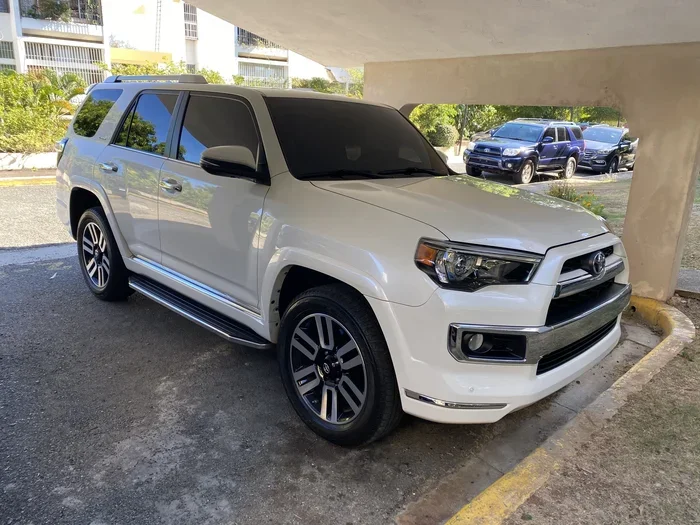
Are 4Runners Expensive to Insure What You Need to Know
The Toyota 4Runner is a beloved SUV, but many buyers wonder whether it will break the bank on insurance. Insurance costs depend on several factors including your location, driving record, and the specific trim you choose. Generally, 4Runner insurance rates fall in the moderate range for SUVs, especially when compared to luxury or sports vehicles. Understanding what drives the price helps you make smarter buying and coverage decisions.
Are 4Runners expensive to insure? This is one of the most common questions new and used Toyota 4Runner buyers ask. The short answer is no, not really. But the full picture is more nuanced than a simple yes or no. Insurance rates depend on many moving parts, and the 4Runner sits in a unique spot in the SUV market.
The Toyota 4Runner has been a staple of the American SUV market for decades. It is known for its rugged build, off-road capability, and legendary reliability. But when it comes to insurance, buyers need to understand what drives the cost. This guide breaks down everything you need to know about 4Runner insurance rates, factors that influence pricing, and practical tips to keep your premiums low.
Whether you are buying a brand-new 2024 4Runner or shopping for a used model, this article covers the insurance landscape in detail. We will look at trim-level differences, safety features, regional factors, and real-world cost estimates. By the end, you will have a clear picture of what to expect and how to save.
Key Takeaways
- Moderate Insurance Cost: The 4Runner sits in the mid-range for SUV insurance, not the cheapest but far from the most expensive.
- Trim Matters: Higher trims like the TRD Pro and Premium cost more to insure than base models.
- Location Is a Major Factor: Where you live can raise or lower your premium significantly.
- Safety Features Help: The 4Runner’s strong safety ratings and anti-theft features can reduce insurance costs.
- You Can Save Money: Bundling policies, raising deductibles, and maintaining a clean driving record all help lower rates.
- Parts Availability Affects Repairs: Wide parts availability keeps repair costs manageable compared to luxury brands.
- Compare Quotes: Always shop around for insurance quotes before committing to a policy.
📑 Table of Contents
- Understanding 4Runner Insurance Costs
- How 4Runner Trim Levels Affect Insurance Rates
- Factors That Drive Up 4Runner Insurance Costs
- How to Save Money on 4Runner Insurance
- 4Runner Insurance vs. Similar SUVs
- Common Mistakes That Increase Your 4Runner Insurance Costs
- Expert Insights on 4Runner Insurance
- Final Thoughts on 4Runner Insurance Costs
Understanding 4Runner Insurance Costs
Insurance premiums for the Toyota 4Runner vary based on several key factors. On average, full coverage insurance for a 4Runner costs between $1,400 and $2,200 per year. This puts it in the moderate range compared to other SUVs in its class. The base SR5 trim generally costs less to insure than higher-end trims like the TRD Off-Road or TRD Pro.
What exactly goes into these numbers? Let us break it down. Insurance companies look at the vehicle’s safety record, theft risk, repair costs, and overall market value. The 4Runner performs well in most of these categories. It has strong crash test ratings, a loyal owner base, and widely available parts. All of these factors work in the owner’s favor when it comes to insurance pricing.
How Insurance Companies Price SUV Coverage
Insurance companies use a complex formula to determine your premium. They do not just look at the vehicle. They also consider your personal driving history, credit score, age, and location. For the 4Runner specifically, insurers pay attention to a few vehicle-specific factors:
- Vehicle Value: Newer 4Runners cost more to insure than older models because replacement parts and repairs are pricier.
- Safety Ratings: The 4Runner consistently earns strong safety scores from the IIHS and NHTSA. Better safety ratings often mean lower premiums.
- Theft Risk: The 4Runner has a moderate theft risk. It is not a top target for thieves, which helps keep rates reasonable.
- Repair Costs: Toyota parts are widely available and affordable. This keeps collision and comprehensive claim costs lower.
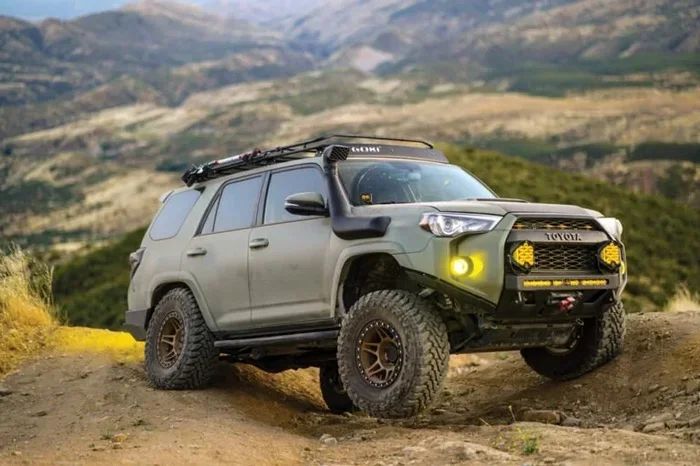
- Off-Road Use: If you use your 4Runner for serious off-roading, some insurers may classify this as higher risk.
How 4Runner Trim Levels Affect Insurance Rates
Not all 4Runners are created equal, and neither are their insurance costs. The trim you choose directly impacts your premium. Here is a closer look at how different trims compare.
Base SR5 Trim
The SR5 is the entry-level 4Runner trim. It comes with a solid set of standard features including Apple CarPlay, Android Auto, and Toyota’s Safety Sense suite. Because it is the most affordable trim, it also tends to have the lowest insurance premiums. Expect to pay on the lower end of the average range for this trim.
TRD Off-Road and TRD Pro
The TRD Off-Road and TRD Pro trims come with upgraded suspension, skid plates, all-terrain tires, and more powerful engines. These additions increase the vehicle’s value, which in turn raises insurance costs. The TRD Pro, being the top-tier model, will carry the highest premium among the 4Runner lineup. However, even at the top end, the 4Runner remains more affordable to insure than many luxury SUVs.
Premium and Limited Trims
The Premium and Limited trims sit in the middle of the 4Runner range. They offer a balance of comfort and capability. Insurance costs for these trims fall between the base SR5 and the TRD models. If you want a well-equipped 4Runner without the highest insurance bill, these trims are a solid sweet spot.
Factors That Drive Up 4Runner Insurance Costs
While the 4Runner is not the most expensive SUV to insure, certain factors can push your rates higher. Understanding these helps you anticipate costs and take steps to reduce them.
Your Location Matters More Than You Think
Where you live is one of the biggest factors in your insurance rate. If you live in a densely populated urban area with high traffic and crime rates, your premium will likely be higher. States like California, New York, and Florida tend to have higher average insurance costs across all vehicle types. On the other hand, rural areas and states with lower crime rates often enjoy more affordable premiums.
Your Driving Record and Claims History
Insurance companies reward safe drivers. If you have a clean driving record with no accidents or traffic violations, you will qualify for lower rates. Conversely, a history of claims or moving violations will raise your premium. This applies to all vehicles, but the 4Runner’s strong safety profile can help offset some of the risk if you have a minor blemish on your record.
Coverage Levels and Deductibles
The type and amount of coverage you choose directly affects your premium. Full coverage, which includes liability, collision, and comprehensive, costs more than liability-only coverage. Raising your deductible from $500 to $1,000 can lower your monthly premium significantly. Just make sure you can afford the deductible if you ever need to file a claim.
How Repair Costs Compare to Other Brands
One reason the 4Runner is relatively affordable to insure is that Toyota parts are widely available and reasonably priced. This is quite different from luxury brands where parts can be extremely expensive. For comparison, Cadillac parts tend to be much more costly, which drives up insurance rates for Cadillac vehicles significantly. The 4Runner benefits from Toyota’s extensive dealer network and aftermarket parts ecosystem.
How to Save Money on 4Runner Insurance
Saving on insurance is possible, and it starts with a few smart strategies. Here are proven ways to lower your 4Runner insurance premiums without sacrificing coverage.
Shop Around for Multiple Quotes
Never settle for the first insurance quote you receive. Different companies use different algorithms and weight factors differently. Getting quotes from at least three to five insurers can reveal significant price differences. Some companies specialize in SUV coverage and may offer better rates for the 4Runner specifically.
Bundle Your Policies
If you have home insurance or renters insurance, bundling them with your auto policy can earn you a multi-policy discount. This is one of the easiest ways to reduce your overall insurance spend. Most major insurers offer discounts of 10% to 25% for bundled policies.
Take Advantage of Safety Features
The 4Runner comes loaded with safety technology. Toyota Safety Sense includes pre-collision warning, lane departure alert, automatic high beams, and dynamic radar cruise control. These features not only keep you safe but also qualify you for safety discounts with many insurance companies. Make sure to inform your insurer about all the safety features your 4Runner has.
Maintain a Clean Driving Record
This sounds obvious, but it is worth repeating. Avoiding accidents, tickets, and claims is the single most effective way to keep your insurance rates low over time. Many insurers offer safe driver discounts that can save you hundreds of dollars per year. Some companies also offer usage-based insurance programs where your driving behavior directly influences your rate.
Consider Usage-Based Insurance
If you do not drive your 4Runner very often, a usage-based insurance program might save you money. These programs track your driving habits through a mobile app or device and adjust your rate based on factors like mileage, braking patterns, and driving times. Low-mileage drivers often see meaningful savings.
Ask About Anti-Theft Discounts
The 4Runner is not a high-theft target, which already works in your favor. But you can boost your discount potential by adding anti-theft features like an alarm system, steering wheel lock, or GPS tracking device. These additions signal to insurers that your vehicle is harder to steal, which translates to lower premiums.
4Runner Insurance vs. Similar SUVs
How does the 4Runner stack up against its closest competitors? Let us compare insurance costs across a few popular mid-size SUVs.
| Vehicle | Avg Annual Full Coverage | Insurance Category |
|---|---|---|
| Toyota 4Runner | $1,400 – $2,200 | Moderate |
| Jeep Wrangler | $1,500 – $2,400 | Moderate to High |
| Ford Bronco | $1,500 – $2,300 | Moderate to High |
| Chevrolet Tahoe | $1,600 – $2,500 | Moderate to High |
| Toyota Tacoma | $1,300 – $2,000 | Moderate |
As you can see, the 4Runner sits comfortably in the moderate range. It is generally cheaper to insure than the Jeep Wrangler and Ford Bronco, despite similar capabilities. The Wrangler, for instance, has a higher theft rate and is more frequently involved in off-road accidents, which drives up its insurance costs. The 4Runner’s reputation for reliability and safety gives it an edge.
When comparing to trucks like the Chevrolet Tahoe, the 4Runner wins on insurance affordability as well. Larger vehicles like full-size SUVs and trucks tend to cost more to insure due to their weight, size, and higher repair costs. The 4Runner’s mid-size positioning helps keep costs manageable.
Common Mistakes That Increase Your 4Runner Insurance Costs
Avoiding these common mistakes can save you hundreds of dollars per year on your 4Runner insurance.
- Not Comparing Quotes: Staying with your current insurer without shopping around is the easiest way to overpay.
- Choosing the Wrong Deductible: A very low deductible feels safe but costs more every month. Find a balance you are comfortable with.
- Dropping Coverage You Need: Cutting too much coverage to save money can leave you exposed in a serious accident.
- Ignoring Discounts: Many drivers miss out on discounts they qualify for, from safe driver discounts to military and professional affiliations.
- Not Updating Your Policy: Life changes like moving, getting married, or buying a new vehicle should trigger a policy review. Your rates may drop.
Expert Insights on 4Runner Insurance
Insurance professionals consistently rate the Toyota 4Runner as one of the more affordable SUVs to insure. According to data from major insurance carriers, the 4Runner’s combination of strong safety ratings, low theft risk, and affordable parts keeps it in a favorable position. The vehicle’s long track record of reliability also means fewer claims related to mechanical failures, which insurers appreciate.
One factor that surprises many 4Runner owners is how much their driving habits influence their rate. Insurers increasingly look at how, when, and where you drive. A 4Runner driven primarily on highways in rural areas will typically cost less to insure than one used for daily city commuting and off-road adventures.
Another expert tip is to review your policy annually. Insurance companies frequently update their discounts and pricing models. A policy that was competitive two years ago may no longer be the best option. Taking 30 minutes to compare quotes each year can lead to significant savings over the life of your ownership.
Final Thoughts on 4Runner Insurance Costs
So, are 4Runners expensive to insure? The answer is a reassuring no. The Toyota 4Runner offers a compelling combination of capability, reliability, and insurance affordability. It sits in the moderate range for SUV insurance costs, making it accessible for a wide range of buyers. By understanding the factors that influence your premium and taking proactive steps to reduce costs, you can enjoy your 4Runner without worrying about a hefty insurance bill.
The key is to shop around, maintain a clean driving record, take advantage of every discount available, and review your policy regularly. The 4Runner is a smart choice not just for its off-road prowess and legendary reliability, but also for its reasonable ownership costs, including insurance. Do your research, compare quotes, and drive confidently knowing you have made a smart financial decision alongside a smart vehicle choice.
Frequently Asked Questions
Is the Toyota 4Runner expensive to insure compared to other SUVs?
No, the 4Runner is in the moderate range for SUV insurance costs. It is generally cheaper to insure than competitors like the Jeep Wrangler and Ford Bronco, thanks to its strong safety ratings and low theft risk.
Which 4Runner trim costs the least to insure?
The base SR5 trim typically has the lowest insurance premiums. It is the most affordable 4Runner model, and its lower market value translates to cheaper coverage costs across all insurance types.
Does the 4Runner’s off-road capability increase insurance rates?
It can, but only slightly. Insurers may view frequent off-road use as higher risk. However, if you primarily drive on-road, your 4Runner’s off-road capability should not significantly impact your premium.
How can I lower my 4Runner insurance premium?
You can lower your premium by shopping around for multiple quotes, bundling policies, raising your deductible, maintaining a clean driving record, and taking advantage of all available safety and anti-theft discounts.
Are older 4Runners cheaper to insure than new ones?
Yes, older 4Runners generally cost less to insure because their market value is lower. However, make sure you maintain adequate coverage, especially for liability, regardless of the vehicle’s age.
Does where I live affect my 4Runner insurance rate?
Absolutely. Your location is one of the most significant factors in determining your insurance rate. Urban areas with high traffic and crime rates will have higher premiums than rural areas with lower risk profiles.
=== CONCLUSION ===
The Toyota 4Runner remains one of the best values in the SUV market, and that extends to insurance costs. Are 4Runners expensive to insure? Not when you compare them to similar vehicles in the class. With moderate premiums, strong safety features, and affordable repair costs, the 4Runner offers a smart ownership experience from start to finish. Take the time to compare quotes, choose the right coverage, and enjoy the confidence that comes with knowing you have secured a fair insurance rate for your dependable Toyota 4Runner.