Is 200K Miles Too Much for a Used Truck Worth Buying
Is 200K miles too much for a used truck? The short answer is no, but it depends on several key factors. A well-maintained truck with 200,000 miles can still deliver years of reliable service and great value. However, buying a high-mileage truck requires careful inspection, budget planning, and smart decision-making to avoid costly surprises down the road.
Key Takeaways
- 200K miles is not a dealbreaker: Many modern trucks are built to last well beyond 200,000 miles with proper care.
- Maintenance history matters more than mileage: A truck with 200K miles and full service records often beats one with 100K miles and none.
- Diesel engines tend to last longer: A diesel truck at 200K miles may have more life left than a gas engine at the same mileage.
- Inspect the engine, transmission, and suspension: These are the most expensive systems to repair on a high-mileage truck.
- Brand reputation counts: Some truck brands like Ford, Ram, and Toyota have stronger track records at high mileage.
- Budget for repairs: Set aside at least $1,000 to $2,000 for immediate maintenance on a 200K-mile truck.
- Get a vehicle history report: Always run a VIN check before buying any used truck with high mileage.
📑 Table of Contents
What Does 200K Miles Actually Mean for a Used Truck?
When you see a used truck with 200K miles on the odometer, it can feel intimidating. But the truth is, modern trucks are built tougher than ever. A used truck with 200K miles is no longer the death sentence it once was. Engineers now design engines and drivetrains to push past the 300,000-mile mark with regular care.
Still, mileage alone does not tell the full story. High mileage truck vehicles can be perfectly fine, while low-mileage trucks sometimes have hidden problems of their own. The real question is not just about the number. It is about what that number represents.
Understanding High Mileage on a Truck
For a pickup truck, 200,000 miles is considered high mileage. But “high” is relative. A truck driven 15,000 miles per year for 13 years hits that number. Another truck driven 30,000 miles per year for the same period is only 7 years old. Both show 200K miles, but their wear patterns are very different.
Here is what high mileage really means for a truck:
- More wear on moving parts: The engine, transmission, and suspension have been used extensively.
- Potential for fluid degradation: Oil, transmission fluid, and coolant may need more frequent changes.
- Higher likelihood of repairs: Components like ball joints, tie rods, and brakes may need replacement sooner.
- Reduced resale value: A truck with 200K miles will depreciate faster than one with 100K miles.
Diesel vs Gasoline Engine Mileage
One of the biggest factors in whether 200K miles is too much comes down to engine type. Diesel engines are famously durable. They are built with heavier components and operate at lower RPMs. A diesel truck at 200K miles often has more usable life left than a gas truck at the same number.
Gasoline engines are not far behind, though. Modern gas trucks from Ford, Ram, and Chevrolet can easily reach 300,000 miles with proper maintenance. The key difference is that diesel engines tend to hold their value better and last longer overall.
The Role of Maintenance History
This is the single most important factor. A truck with 200K miles and complete service records is a much better buy than a truck with 80K miles and no records at all. Maintenance history tells you how the truck was treated. Did the previous owner change the oil every 5,000 miles? Were transmission services done on time?
Without service records, you are essentially guessing. And guessing when buying a high-mileage truck is a recipe for expensive problems.
The Pros and Cons of Buying a Truck with 200K Miles
Buying a high mileage truck is a balancing act. There are clear advantages, but there are real risks too. Let us break them down so you can make a smart decision.
Why Some Buyers Love High-Mileage Trucks
There is a reason why experienced truck buyers often seek out vehicles with 200K miles. Here is what makes them appealing:
- Lower purchase price: A truck with 200K miles costs significantly less than a newer model with half the mileage. You can often save $5,000 to $15,000.
- Depreciation has already slowed: New trucks lose value fast in the first few years. A 200K-mile truck has already gone through most of its depreciation.
- Proven reliability: If a truck made it to 200K miles, it has already passed many of the early-life failure points.
- Lower insurance costs: Older trucks with higher mileage typically cost less to insure.
- More truck for your money: You can often afford a better trim level or more features on a higher-mileage vehicle.
The Risks You Need to Know
Of course, buying a truck with 200K miles is not without downsides. Here are the risks to consider:
- Major repair costs: Engine rebuilds, transmission replacements, and suspension repairs can be expensive on a high-mileage truck.
- Unknown wear items: Components you cannot see, like internal engine wear or transmission slippage, may not show up until after purchase.
- Reduced fuel efficiency: Older engines do not run as efficiently as newer ones, meaning more money at the pump.
- Fewer warranty options: Most manufacturers’ warranties do not cover trucks with this much mileage.
- Shorter remaining lifespan: While 200K miles is not the end, the truck may only have 50,000 to 100,000 miles of useful life left.
Quick Tips for Weighing the Trade-Offs
Before you decide, ask yourself these questions:
- What is my budget for immediate repairs?
- Do I have service records for this truck?
- Can I afford a major repair if something breaks?
- Is this truck meeting my daily needs?
- Would a certified pre-owned truck be a better option?
If the answers give you confidence, a 200K-mile truck could be a great choice. If you are unsure, it might be worth looking at lower-mileage options.
Which Truck Brands Last Beyond 200K Miles?
Not all trucks age the same way. Some brands are known for exceptional longevity, while others start showing problems earlier. When shopping for a used truck with 200K miles, brand reputation matters a lot.
Ford, Ram, and Chevy – A Comparison
The big three American truck brands have different strengths when it comes to high mileage. Here is a quick comparison:
| Brand | Engine Longevity | Common Issues at 200K | Resale Value | Overall Rating |
|---|---|---|---|---|
| Ford F-Series | Excellent | Transmission issues in some models | Strong | 4.5/5 |
| Ram 1500 | Good | Electrical problems, transmission | Moderate | 4/5 |
| Chevy Silverado | Very Good | Fuel system issues, suspension | Strong | 4.5/5 |
| Toyota Tundra | Outstanding | Fewer issues overall | Excellent | 5/5 |
| GMC Sierra | Very Good | Similar to Silverado | Strong | 4.5/5 |
Toyota consistently ranks at the top for reliability. Their trucks are known to surpass 300,000 miles with minimal issues. Ford and Chevy are also strong choices, especially if you can find models with well-documented maintenance. Ram trucks have improved significantly in recent years but still carry some reputation for electrical gremlins at high mileage.
Common Mistakes Buyers Make with Brand Selection
Here are mistakes to avoid when choosing a brand for your high-mileage truck:
- Picking a brand based only on looks: Style means nothing if the engine falls apart at 200K miles.
- Ignoring model-specific issues: Some model years have known problems. Always research the specific year and trim.
- Overlooking diesel options: A diesel engine from any brand will typically outlast its gas counterpart.
- Chasing brand loyalty blindly: Just because you love a brand does not mean every model year is reliable.
What to Inspect Before Buying a Truck with 200K Miles
A pre-purchase inspection is non-negotiable when buying a truck with 200K miles. You need to know exactly what you are getting into. Here is a detailed checklist of what to examine.
The Engine and Transmission Check
The engine and transmission are the most expensive components to replace. Before you buy, have a mechanic perform a thorough inspection. Key things to look for include:
- Oil condition: Dark, gritty oil suggests poor maintenance. Milky oil could indicate a head gasket leak.
- Coolant condition: Rusty or contaminated coolant points to cooling system problems.
- Transmission fluid: Burnt-smelling fluid or dark color suggests internal wear.
- Blue or white smoke: These colors from the exhaust can signal engine problems.
- Rough idling: A rough idle at startup can point to internal engine wear.
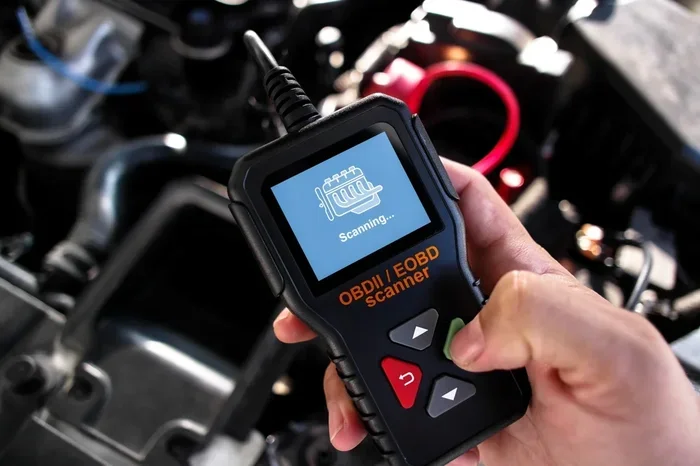
Do not skip the vehicle history report either. Services like Carfax or AutoCheck can reveal accident history, title issues, and service gaps that might not be visible during a visual inspection.
Suspension and Undercarriage Inspection
The suspension system takes a beating over 200,000 miles. Key components to inspect include:
- Shock absorbers: Worn shocks cause a bouncy, uncomfortable ride.
- Ball joints and tie rods: These create steering play when worn and are expensive to replace.
- Control arm bushings: Cracked bushings lead to clunking noises and uneven tire wear.
- Exhaust system: Rust and holes in the exhaust are common on older trucks.
- Frame condition: Look for signs of rust, bending, or previous collision damage.
Body Condition and Rust Assessment
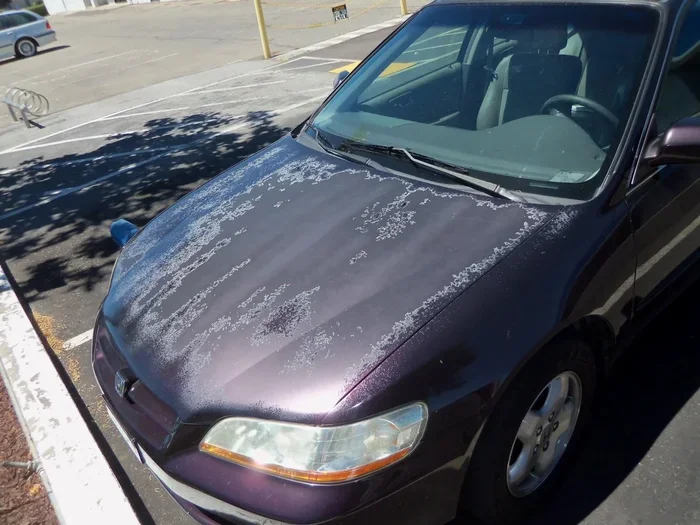
Rust is the silent killer of high-mileage trucks. Walk around the vehicle and check these areas carefully:
- Wheel wells: Rust here can spread quickly and affect structural integrity.
- Rock panels and skid plates: These take the most road abuse and rust first.
- Bed corners: Rust in the truck bed can lead to leaks and structural weakening.
- Door frames and pillars: Rust in these areas can indicate previous flood damage.
- Undercarriage: Lift the truck and inspect for rust, especially on the frame and fuel lines.
Expert Insight: Surface rust is normal on older trucks and usually not a dealbreaker. But structural rust that weakens the frame or safety components is a serious concern. Always get a professional opinion on rust damage before purchasing.
Maintenance Costs for a 200K-Mile Truck
One of the biggest questions buyers have is about truck maintenance costs at high mileage. The truth is, a 200K-mile truck will cost more to maintain than a newer one. But the costs are manageable if you plan ahead.
Routine Maintenance Expenses
Here is what you can expect for regular upkeep on a truck with 200K miles:
- Oil changes: $50 to $100 per service, every 5,000 to 7,500 miles.
- Tire replacements: $400 to $800 for a full set, depending on the brand.
- Brake jobs: $300 to $600 per axle, typically needed every 40,000 to 60,000 miles.
- Timing belt or chain: $500 to $1,200, depending on the engine type.
- Transmission service: $150 to $300, recommended every 60,000 to 80,000 miles.
- Coolant flush: $100 to $200, every 30,000 to 50,000 miles.
These costs add up, but they are far less than the price of a new truck. And many of these services prevent much larger, more expensive repairs down the road.
Major Repairs to Budget For
At 200K miles, you should also budget for potential major repairs. Here are the most common ones:
- Water pump replacement: $300 to $750. A common repair at high mileage.
- Alternator replacement: $400 to $800. Electrical systems wear out over time.
- Fuel pump replacement: $500 to $1,000. More common in trucks with 200K+ miles.
- Suspension component replacement: $200 to $1,500 depending on the part.
- Exhaust manifold repair: $300 to $900. Rust and heat cause cracks over time.
Common Mistakes Buyers Make: The biggest mistake is not setting aside money for repairs. If you buy a 200K-mile truck without a repair fund, even a minor issue can become a financial headache. Always have at least $1,000 to $2,000 reserved for immediate maintenance needs.
Expert Insights on Keeping Costs Low
Experienced truck owners share these money-saving tips:
- Stay on top of oil changes. Fresh oil is the cheapest insurance for your engine.
- Address small problems immediately. A $50 fix today prevents a $500 repair tomorrow.
- Learn basic maintenance yourself. Oil changes, air filters, and wiper blades are easy DIY tasks.
- Build a relationship with a trusted local mechanic. Independent shops often charge less than dealerships.
- Keep all receipts and records. They prove maintenance history and boost resale value.
How to Decide if a 200K-Mile Truck Is Worth It for You
The final decision comes down to your personal situation. A truck that is perfect for one buyer might be a bad choice for another. Here is how to evaluate whether a 200K-mile truck fits your needs.
Matching the Truck to Your Needs
Think about how you use your truck. If you need a workhorse for hauling, towing, or daily commuting, a well-maintained 200K-mile truck can absolutely handle the job. Trucks are designed for heavy use, and 200,000 miles is well within their capability range.
On the other hand, if you need a truck for light duty only, you might be better off with a lower-mileage vehicle. There is no reason to put 200K miles on a truck if you only drive it a few thousand miles per year.
When a Lower-Mileage Truck Makes More Sense
There are situations where buying a truck with fewer miles is the smarter choice:
- You need the truck to last many more years: A lower-mileage truck gives you more total miles of ownership.
- You cannot afford repair costs: If your budget is tight, a truck with 100K miles offers more peace of mind.
- You want a warranty or certification: Certified pre-owned trucks come with warranties that high-mileage vehicles do not.
- The truck has no service records: Without records, a high-mileage truck is a gamble you may not want to take.
- You plan to resell soon: High-mileage trucks depreciate faster, so resale value is lower.
Key Takeaways from this entire guide boil down to one simple idea: mileage alone does not determine whether a truck is worth buying. A well-maintained used truck with 200K miles can be an excellent value. But you need to do your homework, inspect carefully, and budget for the future.
The best truck for you is the one that fits your budget, meets your needs, and has a proven track record of care. Whether that truck has 50,000 miles or 200,000 miles, the decision should be based on facts, not fears.
So the next time you ask yourself, is 200K miles too much for a used truck?, remember this: the answer is almost always no. As long as the truck has been well cared for, a pre-purchase inspection has been completed, and you have a plan for ongoing maintenance, a high-mileage truck can serve you well for years to come. Buy smart, inspect thoroughly, and drive confidently.
Frequently Asked Questions
Can a truck last longer than 200K miles?
Absolutely. Many trucks, especially those with diesel engines and consistent maintenance, can last 300,000 miles or more. Brands like Toyota and Ford have models known for pushing past the 300K-mile mark with proper care.
Is it better to buy a truck with 200K miles or 100K miles?
It depends on the truck’s maintenance history, condition, and price. A 200K-mile truck with full service records is often a better buy than a 100K-mile truck with no records. Always evaluate the whole picture, not just the number on the odometer.
How much should I budget for repairs on a 200K-mile truck?
Set aside at least $1,000 to $2,000 for immediate repairs and maintenance. For long-term ownership, budget $1,500 to $3,000 per year depending on the truck’s condition and your usage. Regular maintenance keeps costs lower over time.
Are diesel trucks worth it at 200K miles?
Diesel trucks are generally worth it at 200K miles because their engines are built to last longer and hold value better. However, diesel trucks may have higher upfront costs for repairs like fuel injectors and turbochargers. Weigh the pros based on your needs.
What should I look for in a vehicle history report for a high-mileage truck?
Look for accident history, title status, service records, and any flood or salvage titles. A clean report with consistent service intervals is a strong indicator that the truck was well maintained. Red flags include salvage titles, multiple owners in a short time, or gaps in service records.
Is a certified pre-owned truck better than a private-party high-mileage truck?
Certified pre-owned trucks come with warranties and inspections, which adds peace of mind. However, they also cost more. A private-party truck with 200K miles can be a better deal if you are comfortable with the risk and have it inspected by a trusted mechanic.
=== CONCLUSION ===
So, is 200K miles too much for a used truck? The answer is a clear no, provided you do your due diligence. A truck with 200,000 miles can still deliver excellent performance, reliability, and value. The key is to look beyond the odometer and focus on maintenance history, overall condition, and your own budget and needs.
Take the time to inspect the truck thoroughly. Run a vehicle history report. Get a pre-purchase inspection from a trusted mechanic. And always have a repair budget in place. These steps will protect you from surprises and help you find a truck that serves you well for years to come.
Whether you choose a Ford, Ram, Chevy, or Toyota, a well-maintained truck at 200K miles is a smart, budget-friendly choice. Buy with confidence, maintain regularly, and enjoy the ride.