Can a Car Pull a Trailer Everything You Need to Know
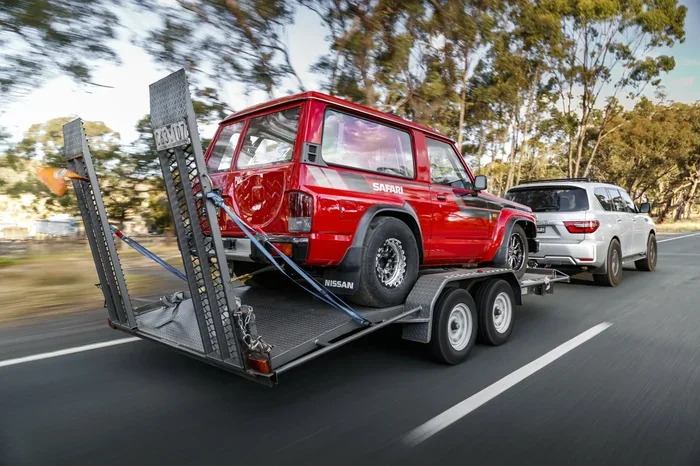
Can a car pull a trailer? Yes, many cars can pull a trailer, but it depends on your vehicle’s towing capacity, engine power, and the right equipment. This guide covers everything you need to know about safe towing, from checking your car’s limits to choosing the proper hitch and following essential safety practices.
Key Takeaways
- Check your towing capacity first: Always consult your vehicle manual to find the maximum weight your car can safely pull.
- Choose the right hitch: A proper trailer hitch matched to your vehicle and trailer weight is essential for safe towing.
- Safety matters most: Proper braking, weight distribution, and trailer sway control can prevent accidents on the road.
- Not all cars are equal: SUVs and trucks generally handle towing better than smaller sedans due to engine power and frame strength.
- Legal requirements vary: Different regions have different rules about trailer lights, braking systems, and weight limits.
- Regular maintenance helps: Keeping your vehicle and trailer in good shape reduces risks during towing.
📑 Table of Contents
- Can a Car Pull a Trailer? Everything You Need to Know
- What Does It Mean When a Car Pulls a Trailer?
- How to Determine Your Car’s Towing Capacity
- Essential Equipment for Safe Towing
- Safety Tips for Towing a Trailer with Your Car
- Common Mistakes When Towing a Trailer
- Best Cars for Pulling Trailers
- Legal Requirements for Towing
- Maintenance Tips for Towing Vehicles
- Conclusion
Can a Car Pull a Trailer? Everything You Need to Know
Many people wonder, can a car pull a trailer and actually do it safely? The short answer is yes. But the real question is whether your specific car can handle the job without putting yourself or others at risk. Towing a trailer adds a whole new layer of complexity to driving. You deal with extra weight, different handling, and new equipment. Understanding all of this keeps you safe on the road.
In this guide, we break down everything you need to know. We cover towing capacity, essential gear, safety tips, and common mistakes. Whether you plan to haul a small camper or a heavy boat, this article has you covered. Let’s dive in and help you tow with confidence.
What Does It Mean When a Car Pulls a Trailer?
When we say a car pulls a trailer, we mean the vehicle draws the trailer behind it using a hitch system. The car provides the engine power and braking force needed to move the combined weight of itself and the trailer. This combined weight is called the gross combined weight rating (GCWR).
How Towing Works Mechanically
Your car’s engine produces power. That power transfers through the transmission to the wheels. When you add a trailer, the engine works harder. The drivetrain handles more stress. The brakes must stop more mass. Even the suspension adjusts to support extra weight. This is why not every car is built for towing.
Modern vehicles come with different axle ratios and engine power levels. A higher axle ratio gives you more pulling force at low speeds. A more powerful engine handles heavy loads without straining. Together, these factors determine whether your car can pull a trailer effectively.
The Role of the Trailer Hitch
The trailer hitch connects your car to the trailer. It sits at the rear of your vehicle and receives the trailer’s tongue. Hitches come in different classes:
- Class I: Light-duty, handles up to 2,000 lbs.
- Class II: Medium-duty, handles up to 3,500 lbs.
- Class III: Heavy-duty, handles up to 8,000 lbs.
- Class IV: Very heavy-duty, handles up to 10,000 lbs.
- Class V: Maximum duty, handles over 17,000 lbs.
Choosing the right hitch class matches your vehicle’s towing capacity to the trailer’s weight. Using the wrong class creates serious safety risks.
How to Determine Your Car’s Towing Capacity
This is the most important step before towing. Knowing your towing capacity prevents overloading and accidents. Here is how to find it.
Check Your Vehicle Manual
Your vehicle manual lists the maximum towing weight for your specific make and model. Car manufacturers test their vehicles under controlled conditions. They provide clear numbers you can trust. Look for terms like “maximum trailer weight” or “towing capacity” in the manual. If you lost your manual, most manufacturers post this information on their websites.
Understand Key Weight Terms
Towing involves several weight measurements. Here are the most important ones:
- Payload capacity: The maximum weight your car can carry in passengers and cargo.
- Tongue weight: The downward force the trailer tongue puts on the hitch. It should be about 10-15% of total trailer weight.
- Gross vehicle weight rating (GVWR): The maximum weight your car can weigh fully loaded.
- Gross combined weight rating (GCWR): The maximum combined weight of your car and trailer together.
Use an Online Towing Calculator
Several reputable websites offer free towing calculators. You enter your vehicle details and trailer weight. The calculator tells you whether your car can handle the load. This provides a quick second opinion before you head to the store for equipment.
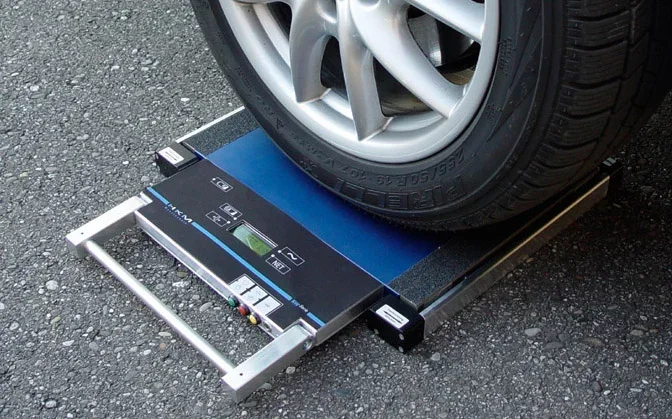
Expert Insight: According to towing industry professionals, most drivers underestimate their trailer’s actual weight. Always weigh your loaded trailer at a truck scale before hitting the road. The number on the scale gives you the real picture.
Essential Equipment for Safe Towing
Once you know your car can pull a trailer, you need the right gear. Skipping equipment pieces creates dangerous situations. Here is what you absolutely need.
The Right Trailer Hitch and Receiver
As mentioned above, your hitch must match your towing needs. A hitch receiver accepts the trailer ball mount. Make sure the receiver size matches your hitch class. Class III and IV hitches use a 2-inch receiver. Class I and II use a 1.25-inch receiver. Install the hitch properly or have a professional handle the setup.
Trailer Braking System
Heavier trailers need their own brakes. Many regions require trailer brakes for trailers over 1,500 lbs. There are two main types:
- Electric brakes: Activated by a controller in your car. These are very common and reliable.
- Surge brakes: Activated by the trailer pushing against the hitch. These work well for boat trailers.
A good trailer braking system reduces stopping distance significantly. It also takes pressure off your car’s brakes.
Trailer Lights and Signals
Your trailer needs proper lighting. You must have brake lights, turn signals, and running lights. These communicate your actions to drivers behind you. Most states require trailer lights on any trailer wider than a certain measurement. Check your local laws before towing at night or in poor weather.
Weight Distribution System
A weight distribution system uses spring bars to spread weight evenly across your vehicle’s axles. Without it, too much weight sits on your rear axle. This causes front steering problems and rear sway issues. If your trailer tongue weight exceeds 10-15% of total trailer weight, invest in this system.
Sway Control Devices
Trailer sway happens when wind or uneven roads push the trailer sideways. Sway control devices, including friction sway bars and electronic sway control, keep the trailer stable. These additions can truly save your trip and your safety.
Quick Tips for Equipment Setup
- Always double-check that the hitch ball matches the trailer coupler size.
- Lubricate the hitch ball before every trip.
- Test all trailer lights before leaving your driveway.
- Tighten all pins and clips before driving.
- Keep safety chains crossed under the tongue.
Safety Tips for Towing a Trailer with Your Car
Now that you have the right equipment, let’s talk about safe towing practices. These habits protect you, your passengers, and everyone else on the road.
Drive Slower Than Usual
Towing adds weight and changes how your car handles. Reduce your speed by 5-10 mph below the speed limit. This gives you more reaction time and reduces stress on your engine and brakes. High speeds with a trailer increase the risk of sway and loss of control.
Increase Following Distance
Keep at least a 4-second following distance behind the car ahead. More weight means longer stopping distances. Tailgating with a trailer is extremely dangerous. Give yourself room to brake gradually and safely.
Steer Smoothly
Avoid sudden turns and sharp steering inputs. Your trailer follows a wider arc than your car. Making wide, gentle turns prevents jackknifing and keeps the trailer aligned. Practice in an empty parking lot before hitting busy roads.
Use Lower Gears on Hills
Going uphill? Shift to a lower gear. Going downhill? Use a lower gear to control speed without riding the brakes. This reduces brake fade and keeps your car stable on slopes. Your transmission cooling depends on this practice during long, hilly routes.
Check Mirrors and Blind Spots Frequently
Your trailer creates large blind spots. Use extended mirrors to see the full length of your trailer. Check blind spots before changing lanes. Make sure no vehicles are in your blind zones before turning or merging.
Inspect Your Setup at Every Stop
Stop after the first 50 miles and then every 100 miles. Check the hitch connection, tire pressure, load balance, and all lights. Things loosen during driving. Catching problems early prevents breakdowns and accidents.
Common Mistake: Many drivers forget to check tire pressure on the trailer. Underinflated trailer tires overheat and blow out. This causes loss of control. Always inflate trailer tires to the manufacturer’s recommended PSI before every trip.
Common Mistakes When Towing a Trailer
Even experienced drivers make errors. Here are the most frequent mistakes and how to avoid them.
Overloading the Trailer
Overloading is the number one towing mistake. Exceeding the payload capacity damages your engine, brakes, and suspension. It also makes the trailer dangerous. Always stay within weight limits and distribute cargo evenly.
Ignoring Tongue Weight
Too little tongue weight causes trailer sway. Too much tongue weight overloads your rear axle. Aim for 10-15% of total trailer weight pressing down on the hitch. Adjust your cargo placement to achieve this balance.
Not Using Safety Chains
Safety chains are your backup if the trailer disconnects. Always cross them under the tongue. They catch the tongue if the hitch fails. Never drive without them attached.
Skipping Break-In Periods
New tow vehicles and trailers need a break-in period. Drive gently for the first 500 miles. Avoid heavy loads during this time. This allows parts to seat properly and perform long-term.
Forgetting Transmission Maintenance
Towing heats up your transmission. Check transmission fluid regularly. Consider a transmission cooler for long trips or heavy loads. Transmission cooling extends your vehicle’s life significantly.
Best Cars for Pulling Trailers
Not every car handles towing equally. Here is a comparison of popular vehicles and their towing capabilities.
| Vehicle | Max Towing Capacity | Best For |
|---|---|---|
| Ford F-150 | 14,000 lbs | Heavy trailers, boats, RVs |
| Chevrolet Silverado 1500 | 13,300 lbs | Work and recreational towing |
| Toyota Tundra | 12,000 lbs | Large campers, equipment trailers |
| Jeep Wrangler | 3,500 lbs | Small pop-up campers |
| Honda CR-V | 1,500 lbs | Small utility trailers |
As you can see, larger vehicles handle much heavier loads. Smaller crossovers work for light-duty trailers. Always choose a vehicle that matches your towing needs rather than pushing a smaller car beyond its limits.
Can Smaller Cars Tow Trailers at All?
Some smaller cars can tow light trailers. Compacts like the Honda Civic or Toyota Corolla may pull small utility trailers weighing under 1,000 lbs. However, this places heavy demands on the engine and drivetrain. It is not ideal for regular towing. If you plan to tow often, consider upgrading to a vehicle with more engine power and a stronger frame.
SUVs as a Middle Ground
Many SUVs offer a practical balance. They provide more power than sedans while remaining comfortable for daily driving. Popular choices include the Ford Explorer, Toyota Highlander, and Chevrolet Traverse. These vehicles handle moderate trailer weights well and offer better stability than smaller cars.
Legal Requirements for Towing
Different countries and states have different laws. Here are common requirements you should know about before towing.
Speed Limits While Towing
Many regions enforce lower speed limits for vehicles towing trailers. In the US, some states limit towing speeds to 55 mph on highways. Others allow 65 mph. Check the laws in your specific state or province before traveling.
Trailer Braking Laws
Most US states require independent brakes on trailers over 1,500-3,000 lbs. Some require brakes on any trailer over a certain weight. Know the threshold for your area. Install and maintain trailer brakes accordingly.
License and Registration
Some regions require a special license or endorsement for towing heavy trailers. Check your local DMV requirements. Register your trailer properly. Carry proof of insurance that covers towing.
Width and Length Restrictions
Trailers must generally stay within certain width limits. In the US, the maximum width is usually 8.5 feet. Total length, including the car and trailer, often has a maximum of 65 feet. Exceeding these limits creates safety hazards and legal problems.
Maintenance Tips for Towing Vehicles
Towing wears your vehicle faster than normal driving. Regular maintenance keeps everything running smoothly. Here are key maintenance priorities.
Engine and Cooling System
Your engine works harder while towing. Check coolant levels frequently. Replace coolant on schedule. Watch the temperature gauge during trips. Overheating causes engine damage and roadside breakdowns.
Brake Pads and Rotors
Towing wears brakes faster. Inspect brake pads every 5,000 miles when towing. Replace worn parts immediately. Quality brakes keep you safe when stopping a heavy load.
Suspension and Shock Absorbers
Extra weight stresses your suspension. Check shocks and struts regularly. Worn suspension causes poor handling and uneven tire wear. Replace parts before they fail completely.
Tire Pressure and Condition
Both your car tires and trailer tires need attention. Keep all tires at the recommended PSI. Check for wear, cracks, and bulges. Replace old tires before long trips. Proper tire care improves fuel economy and safety.
Conclusion
So, can a car pull a trailer? Absolutely, as long as you match the right vehicle to the right trailer and follow proper safety practices. Understanding your towing capacity, installing the correct equipment, and driving responsibly make all the difference. Always check your vehicle manual, weigh your trailer, and invest in quality safety gear. Stay within weight limits, drive at safe speeds, and maintain your vehicle regularly. Towing can be a rewarding experience when done correctly. Use the knowledge from this guide, and you will handle the road with total confidence.