How to Change the Rear Wiper Blade on a 2017 Jeep Wrangler
Changing the rear wiper blade on a 2017 Jeep Wrangler is a simple DIY task that takes just minutes. You need the correct blade size, a few basic tools, and this easy step-by-step guide. This article walks you through the entire process, from removing the old blade to installing the new one, so your rear windshield stays clear in any weather.
This is a comprehensive guide about How to Change the Rear Wiper Blade on a 2017 Jeep Wrangler.
Key Takeaways
- Know Your Blade Size: The 2017 Jeep Wrangler rear wiper blade is typically 12 inches. Always double-check your owner’s manual or the old blade before purchasing.
- Quick and Easy Process: You can swap out the rear wiper blade in under 10 minutes with no special skills required.
- Choose the Right Type: Beam blades and conventional blades each have pros and cons. Pick the one that fits your driving needs and budget.
- Avoid Common Mistakes: Never force the connector, and always lift the wiper arm gently to prevent damage to the windshield.
- Regular Maintenance Matters: Replacing your wiper blades every 6 to 12 months keeps your visibility sharp and your Jeep running safely.
- Internal Links to Explore: Check out our guide on the push start button for more Jeep tips, and learn about window tinting to protect your interior.
[FEATURED_IMAGE_PLACEHOLDER]
Why You Need to Replace Your Rear Wiper Blade on the 2017 Jeep Wrangler
Driving a 2017 Jeep Wrangler means you love adventure. Whether you are hitting the trails or commuting through town, clear visibility matters. Your rear wiper blade plays a huge role in keeping your rear windshield clean, especially during rain, snow, or muddy conditions.
Over time, wiper blades wear out. The rubber gets hard, cracks, or splits. When this happens, your wipers leave streaks, skip across the glass, or simply fail to clear the windshield. This is dangerous. Poor rear visibility can make backing up, merging, and driving in bad weather a serious risk.
Replacing your rear wiper blade is one of the easiest and most affordable maintenance tasks you can do. A new blade costs between $10 and $30. You do not need a mechanic. You do not need fancy tools. All you need is a few minutes and a little patience. This guide shows you exactly how to do it.
The 2017 Jeep Wrangler uses a specific rear wiper blade size and connector type. Getting the right part the first time saves you a trip back to the auto store. We will cover everything you need to know, from the correct size to the best blade type for your Jeep.
If you are new to DIY car maintenance, do not worry. This process is simpler than changing a tire. Even if you have never touched a wiper blade before, you will be done in no time. Let us get started.
Tools and Parts You Will Need
Before you begin, gather everything you need. Having the right parts and tools ready makes the job smooth and fast. Here is what you will need:
- Rear wiper blade: The correct size for your 2017 Jeep Wrangler. Most models use a 12-inch rear blade, but always verify this.
- Clean microfiber cloth: Used to wipe down the windshield and the wiper arm.
- Rubbing alcohol or windshield cleaner: Helps clean the contact area and removes any grime.
- Flathead screwdriver (optional): Some blade connectors require a small flathead to release the old blade.
- Gloves (optional): Keeps your hands clean and protects the rubber on the new blade.
When shopping for a new rear wiper blade, you have two main options. OEM blades are made by the original manufacturer. Aftermarket blades are made by third-party companies. Both work well, but aftermarket options often cost less and come in a wider variety of styles.
OEM vs Aftermarket Wiper Blades
OEM blades are designed specifically for your Jeep. They match the factory specifications exactly. Aftermarket blades are made by companies like Rain-X, Bosch, and Michelin. Many aftermarket blades use advanced materials and designs that last longer than the original equipment.
For most Jeep Wrangler owners, an aftermarket beam blade offers the best value. Beam blades have a sleek, one-piece design that applies even pressure across the windshield. They also handle snow and ice better than traditional conventional blades.
Another option worth considering is a hybrid wiper blade. These combine the benefits of beam and conventional designs. They offer a low-profile look with excellent wiping performance. Whatever you choose, make sure it is the correct size and connector type for your 2017 model.
Step-by-Step Guide to Changing the Rear Wiper Blade
Now let us get into the hands-on part. Follow these steps carefully, and you will have your new rear wiper blade installed in minutes.
Step 1: Turn On the Ignition
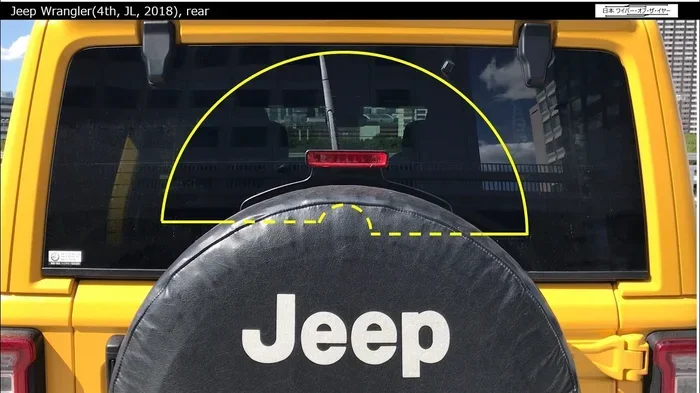
Start by turning the ignition to the accessory or on position. This step is important because the wiper system needs power to move the wiper arm away from the windshield. If the wipers are in the resting position against the glass, you will not be able to access the connector easily.
On the 2017 Jeep Wrangler, you can turn the key or press the push start button to power the ignition. If you are not sure how your push start system works, check your owner’s manual or our guide on how the push start button works. Once the ignition is on, activate the rear wiper briefly so the arm moves away from the glass.
Step 2: Lift the Wiper Arm
After the wiper blade is in the upright position, gently lift the wiper arm away from the windshield. Lift it slowly and steadily. Do not let the arm snap back onto the glass. This can crack or chip your windshield, which is an expensive repair.
Some wiper arms have a locking mechanism that holds them in the upright position. If your Jeep has one, engage it before you proceed. This keeps the arm steady while you work on removing the old blade.
Step 3: Remove the Old Wiper Blade
Look at the connection point where the wiper blade meets the wiper arm. On the 2017 Jeep Wrangler, the rear wiper uses a bayonet-style or push-button connector. The exact type depends on the blade you originally had installed.
To release the old blade, press the small tab or button on the connector. While holding the tab, slide the blade down and off the arm. The blade should come off with very little force. If it feels stuck, do not use excessive force. Double-check that you have found and pressed the correct release mechanism.
Once the old blade is free, set it aside. Use your microfiber cloth and a bit of rubbing alcohol to clean the metal wiper arm and the area where the new blade will attach. This removes any dirt, grease, or corrosion that could affect the connection.
Step 4: Prepare the New Wiper Blade
Take your new rear wiper blade out of the packaging. Before installing it, verify that it is the correct size and connector type. Some blades come with multiple adapter inserts so they fit different arm styles.
If your new blade includes adapters, choose the one that matches your Jeep’s wiper arm. The adapter should click or slide into place securely. Having the wrong adapter is a common mistake that causes the blade to wobble or detach while driving.
Also, remove any protective film or packaging material from the rubber edge of the new blade. This film is there to protect the rubber during shipping. Leaving it on will reduce wiping performance significantly.
Step 5: Attach the New Wiper Blade
Now it is time to install the new blade. Align the connector on the new blade with the wiper arm. Slide the blade onto the arm until you hear or feel a click. This click confirms that the blade is securely locked in place.
Give the blade a gentle tug to make sure it is firmly attached. It should not wobble or slide off the arm. If it feels loose, remove it and try again. Sometimes the adapter needs to be repositioned for a snug fit.
Step 6: Lower the Wiper Arm and Test
Carefully lower the wiper arm back down onto the windshield. Do this slowly to avoid any contact damage. Once the arm is resting on the glass, turn on the rear wiper and let it run for a few cycles.
Watch and listen as the blade moves across the rear windshield. It should glide smoothly without streaking, chattering, or skipping. If you notice any issues, check that the blade is properly seated on the arm and that the windshield is clean.
Repeat the test with the windshield wet. Use your windshield washer fluid to simulate real driving conditions. A new blade should clear water quickly and leave the glass streak-free. If it does not, the blade may need repositioning or the connector may not be fully engaged.
Comparing Wiper Blade Types for the 2017 Jeep Wrangler
Choosing the right type of wiper blade can make a big difference in performance and longevity. Here is a quick comparison of the most common blade types available for the 2017 Jeep Wrangler.
| Feature | Conventional Blade | Beam Blade | Hybrid Blade |
|---|---|---|---|
| Price Range | $8 – $15 | $15 – $30 | $20 – $35 |
| Durability | 6 – 9 months | 9 – 12 months | 9 – 12 months |
| Performance in Snow | Good | Excellent | Excellent |
| Profile | Bulky | Low-profile | Low-profile |
| Ease of Installation | Very Easy | Easy | Easy |
| Best For | Budget-conscious drivers | All-weather performance | Style and function |
For most Jeep Wrangler owners, a beam blade offers the best all-around performance. The low-profile design fits snugly against the rear windshield and handles rain, snow, and debris with ease. If you live in an area with harsh winters, a beam blade with a snow-specific rubber compound is an excellent choice.
If you are on a tight budget, a conventional blade gets the job done at a lower price point. Just be prepared to replace it more frequently. Hybrid blades are a great middle ground if you want a sleek look with premium performance.
You can also explore accessories like a 12V to 230V car inverter for your Jeep, which is great for powering devices on the road. And if you want to protect your Jeep’s interior from sun damage, consider a 20 percent window tint which also helps with heat reduction.
Common Mistakes to Avoid When Changing Wiper Blades
Even simple tasks can go wrong if you are not careful. Here are the most common mistakes people make when changing their rear wiper blade, and how to avoid them.
Forcing the connector: If the old blade does not release easily, do not force it. Double-check that you have pressed the correct release tab. Forcing the connection can damage the wiper arm or the windshield.
Letting the wiper arm snap back: Always control the wiper arm when lowering it. Letting it snap onto the windshield can cause chips or cracks. This is especially important on the 2017 Jeep Wrangler, where the rear windshield is relatively small and close to the arm.
Buying the wrong size: The rear wiper blade for the 2017 Jeep Wrangler is not the same as the front blade. Always check the size before you buy. Using the wrong size means the blade will not cover the full windshield, leaving streaks and blind spots.
Skipping the cleaning step: Dirt and corrosion on the wiper arm can prevent a secure connection. Wipe the arm and connector area before installing the new blade. This small step extends the life of your new wiper and prevents frustrating wobbling.
Forgetting to test the new blade: Always test the new blade before you drive off. Run it through a few wipe cycles on a wet windshield. This confirms everything is working correctly and gives you confidence for your next drive.
Ignoring the wiper arm condition: Sometimes the problem is not the blade but the wiper arm itself. If the arm is bent, weak, or corroded, it will not press the new blade against the windshield properly. Inspect the arm before you install the new blade.
Tips for Extending the Life of Your Wiper Blades
You just spent time changing your rear wiper blade. You want that new blade to last as long as possible. Here are some simple tips to help you get the most mileage out of your replacement.
- Clean your windshield regularly: A clean windshield reduces friction on the wiper rubber. Use a quality glass cleaner and a microfiber cloth. This also helps prevent early wear on the blade.
- Lift the blades in winter: If you live in a cold climate, lift the wiper blades away from the windshield during freezing nights. This prevents the rubber from freezing to the glass and tearing when you turn on the wipers.
- Use windshield washer fluid: Never use water instead of proper washer fluid. Washer fluid contains solvents that help break up dirt and grime. It also has antifreeze properties that prevent freezing in cold weather.
- Wipe the blades with a damp cloth: Once a month, wipe the rubber edge of each blade with a damp cloth. This removes accumulated dust, pollen, and road grime that can degrade the rubber over time.
- Replace both blades at the same time: If your front wiper blades are also worn, replace them at the same time as the rear blade. This ensures consistent wiping performance across all windows.
Regular wiper maintenance takes just a few minutes but pays off in better visibility and longer blade life. Make it part of your routine car care schedule, and you will never be caught with streaky wipers again.
When to Seek Professional Help
Most people can change a rear wiper blade without any issues. But there are times when it makes sense to get professional help. If the wiper arm is broken, bent, or not returning to the correct position, a mechanic can replace or repair it safely.
Also, if you notice that your new blade is not wiping properly even after multiple attempts, there may be an underlying issue. The wiper motor, the linkages, or the windshield itself could be the problem. A professional inspection can identify these issues quickly and cost-effectively.
If you are uncomfortable working on your Jeep for any reason, there is no shame in visiting a service center. Many auto parts stores, like AutoZone or O’Reilly, offer free wiper blade installation. You buy the blade, and they install it for you at no extra charge.
For those who use their Jeep for off-road adventures, consider upgrading to a more durable wiper blade. Aftermarket options designed for rugged use can handle mud, dust, and extreme weather far better than standard blades. If you are also looking to upgrade other parts of your Jeep, check out our guide on 5 to 8 lakh cars for options that complement your Jeep lifestyle.
Finally, if you are planning a road trip or a long drive in your Jeep, make sure all your accessories are in top shape. A 12V car socket to 3 pin adapter can be handy for powering extra devices, and keeping your rear wiper blade in great condition ensures safe driving in all weather conditions.
Conclusion
Changing the rear wiper blade on your 2017 Jeep Wrangler is one of the easiest and most rewarding DIY maintenance tasks you can do. It takes less than 10 minutes, costs under $30, and immediately improves your visibility and safety on the road.
By following the steps in this guide, you now know exactly how to remove the old blade, choose the right replacement, and install the new one with confidence. You also understand the common mistakes to avoid and the tips to make your new blade last longer.
Remember, wiper blade replacement is not just about convenience. It is about safety. Clear rear visibility helps you back up safely, merge with confidence, and drive securely in rain, snow, and mud. Your Jeep Wrangler is built for adventure, and keeping it well-maintained means more fun and fewer worries on every trip.
Make it a habit to inspect your wiper blades every few months. Replace them as soon as you notice streaking or skipping. A small investment of time and money pays off in a big way. Now go out there and enjoy the open road with a clear view behind you.
Frequently Asked Questions
What size rear wiper blade does a 2017 Jeep Wrangler use?
The 2017 Jeep Wrangler typically uses a 12-inch rear wiper blade. However, it is always best to check your owner’s manual or measure the old blade before purchasing a replacement. Using the correct size ensures full coverage of the rear windshield and optimal wiping performance.
How often should I replace my wiper blades on a Jeep Wrangler?
Most experts recommend replacing wiper blades every 6 to 12 months. If you notice streaking, chattering, or skipping, it is time for a replacement. Drivers in harsh climates or those who use their Jeep off-road may need to replace blades more frequently due to exposure to dust, mud, and extreme weather.
Can I use any aftermarket wiper blade on my 2017 Jeep Wrangler?
You can use aftermarket blades as long as they are the correct size and connector type. Popular brands like Bosch, Rain-X, and Michelin offer high-quality options. Beam blades are especially popular for the Jeep Wrangler because of their sleek profile and excellent performance in various weather conditions.
Is it hard to change the rear wiper blade on a Jeep Wrangler?
No, it is one of the easiest car maintenance tasks you can do. The entire process takes about 5 to 10 minutes. You do not need any special tools or mechanical experience. Just make sure you have the right replacement blade and follow each step carefully for a smooth installation.
What type of connector does the 2017 Jeep Wrangler rear wiper use?
The 2017 Jeep Wrangler rear wiper typically uses a bayonet-style or push-button connector. This connector clicks into place when you slide the blade onto the wiper arm. If you are unsure which type your Jeep has, compare the old blade’s connector to the new one before installation to ensure a proper match.
Should I replace both front and rear wiper blades at the same time?
While it is not required, replacing all wiper blades at the same time is a good practice. This ensures consistent performance across all windows and saves you time in the long run. If your front blades are also showing signs of wear, it makes sense to replace them together with the rear blade for complete peace of mind.
Frequently Asked Questions
What is How to Change the Rear Wiper Blade on a 2017 Jeep Wrangler?
How to Change the Rear Wiper Blade on a 2017 Jeep Wrangler is an important topic with many practical applications.