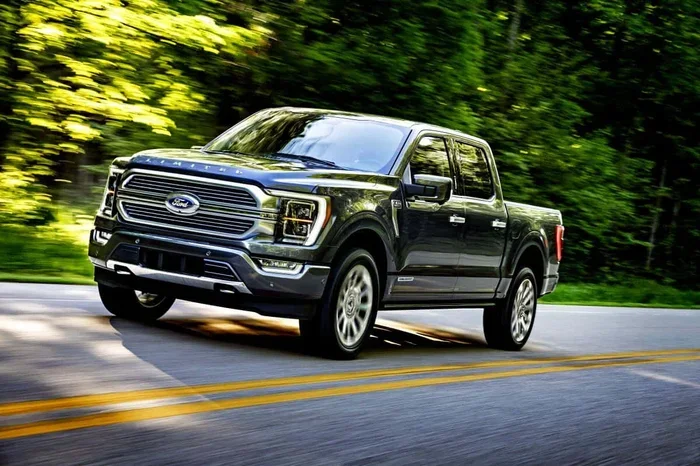
How Many MPG Does a Ford F150 Get in Real World Driving
The Ford F150 delivers anywhere from 15 to 24 MPG in real world driving, depending on the engine, drivetrain, and how you drive. The 3.3L V6 offers the best fuel economy for daily driving, while the 5.0L V8 and 3.5L EcoBoost trade some MPG for serious power and towing capability. Your driving habits, payload, and terrain play a huge role in the final numbers you see at the pump.
Let us talk about something every Ford F150 owner and shopper cares about: how many MPG does a Ford F150 actually get. The sticker on the window tells you one number. But the truth is, your real world MPG can be quite different. Whether you use your truck for commuting, hauling, or towing a trailer, the fuel economy numbers you experience depend on a lot of factors.
The Ford F150 has been the best selling truck in America for decades. People love it for its strength, capability, and reliability. But when it comes to Ford F150 fuel economy, there is no single answer that fits everyone. The engine you choose, the way you drive, the loads you carry, and even the weather all play a role. In this guide, we will break down the real numbers you can expect from every engine option, every driving situation, and every trim level.
By the end of this article, you will know exactly what MPG to expect from your F150. You will also learn practical tips to squeeze more miles out of every gallon. Let us get into it.
Key Takeaways
- Real World MPG Varies Widely: Expect 15 to 24 MPG depending on your F150 model, engine, and driving conditions.
- The 3.3L V6 Leads in Fuel Economy: It is the most efficient engine option for everyday driving and commuting.
- Towing Cuts MPG Significantly: Hauling a trailer can drop your fuel economy by 3 to 6 MPG or more.
- Highway Driving Beats City Driving: You will almost always see better MPG on open roads than in stop-and-go traffic.
- Driving Habits Matter a Lot: Smooth acceleration, steady speeds, and proper tire pressure all help maximize your MPG.
- Diesel Engines Offer Great Range: The Power Stroke diesel engine delivers strong torque and impressive long-distance fuel economy.
- Small Changes Add Up: Simple tips like reducing excess weight and using cruise control can noticeably improve your fuel economy.
📑 Table of Contents
- Understanding Ford F150 MPG Ratings
- Real World MPG by Engine Option
- City vs Highway MPG: What to Expect
- How Weight and Towing Affect MPG
- Tips to Improve Your Ford F150 MPG
- Common Mistakes That Hurt Your MPG
- Expert Insights on Ford F150 Fuel Economy
- F150 MPG Comparison: Quick Reference Table
- Key Takeaways
- Conclusion
Understanding Ford F150 MPG Ratings
Before we dive into real world numbers, let us look at what the EPA rates for each engine. The MPG ratings on paper give you a baseline. But they are measured under controlled conditions that do not always match how you actually drive.
What the EPA Numbers Mean
The EPA tests trucks in a lab setting. They measure fuel consumption during city driving and highway driving cycles. These numbers are useful for comparing trucks side by side. But they often run higher than what you will see on your odometer. The gap between EPA ratings and real world MPG is normal and expected.
Here is a quick look at the EPA rated fuel economy for the latest Ford F150 lineup:
- 3.3L Ti-VCT V6: 20 city / 26 highway / 22 combined
- 5.0L Ti-VCT V8: 16 city / 22 highway / 18 combined
- 3.5L EcoBoost V6: 20 city / 24 highway / 22 combined
- 3.5L Power Stroke Diesel V6: 22 city / 32 highway / 25 combined
- Hybrid PowerBoost V6: 20 city / 26 highway / 23 combined
These numbers look good on paper. But most drivers find that their actual mileage lands a few MPG below these figures. That is not a defect. It is just how real world driving works.
Real World MPG by Engine Option
This is where things get interesting. The truck MPG comparison between engine options is not just about EPA numbers. Your actual experience depends on how you use the truck.
3.3L V6 Engine MPG
The base 3.3L V6 is the most fuel efficient engine in the F150 lineup. For daily driving and commuting, this engine delivers some of the best average fuel consumption in the class. Most owners report getting between 17 and 22 MPG in mixed driving.
If your F150 is mostly your workhorse for commuting around town, the 3.3L V6 is a solid choice. It keeps fuel costs low and still offers enough power for most tasks. You will not be hauling heavy loads with this engine, but for general use, it performs well.
5.0L V8 Engine MPG
The 5.0L V8 is all about power and capability. It pulls hard and tows heavy. But that comes at a cost at the fuel pump. Most drivers see real world MPG between 13 and 18, depending on conditions.
If you use your F150 for towing or hauling frequently, the V8 makes sense. But if you are just driving to work and back, you might want to consider a smaller engine. The fuel economy difference is significant.
3.5L EcoBoost V6 MPG
The 3.5L EcoBoost is a twin-turbo engine that balances power and efficiency. It produces impressive torque while still offering decent fuel economy. Owners typically report truck gas mileage between 16 and 22 MPG in real world conditions.
This engine is a great middle ground. You get strong performance for towing and hauling, without the thirst of the V8. For families who need both capability and efficiency, the EcoBoost is a popular choice.
3.5L Power Stroke Diesel MPG
The diesel engine is the king of fuel economy in the F150 lineup. It is designed for drivers who tow heavy loads and drive long distances. Many owners report getting 20 to 28 MPG on highway trips.
However, diesel trucks cost more upfront, and diesel fuel can be pricier at the pump. The best MPG F150 option really depends on your usage. If you tow frequently and drive long hauls, the diesel pays for itself over time.
For those interested in long-haul diesel performance, check out our guide on what counts as a lot of miles for a diesel engine to understand how mileage affects diesel longevity.
Hybrid PowerBoost V6 MPG
The PowerBoost hybrid combines a twin-turbo V6 with an electric motor. It delivers strong performance while improving fuel efficiency. Real world MPG typically falls between 18 and 23, with some owners pushing higher in favorable conditions.
The hybrid system uses regenerative braking to recapture energy. This helps boost fuel economy, especially in stop-and-go city driving. If you want the best of both worlds, the PowerBoost is worth a close look.
City vs Highway MPG: What to Expect
One of the biggest factors that affects your Ford F150 fuel economy is where you drive. City and highway driving produce very different results.
City Driving MPG
City driving means lots of stops, starts, and idling. Your engine works harder in traffic, and the fuel economy suffers. For the F150, expect city MPG to be 3 to 5 MPG lower than highway numbers.
Stop-and-go traffic is the enemy of fuel economy. Every time you brake and accelerate, you waste energy. If your commute involves heavy traffic, your MPG will reflect that. The 3.3L V6 handles city driving the best, while the V8 struggles the most.
Highway Driving MPG
Highway driving is where trucks shine for fuel economy. Steady speeds, fewer stops, and less idling all help. You can expect the best MPG numbers on open highways at steady speeds of 55 to 70 mph.
Using cruise control on long highway trips is one of the simplest ways to improve your MPG. It keeps your speed consistent and reduces unnecessary acceleration. Most F150 owners see their highest fuel economy numbers during highway driving.
How Weight and Towing Affect MPG
The weight your truck carries has a direct impact on fuel efficiency. More weight means more work for the engine, which means more fuel burned.
The Impact of Payload on Fuel Economy
Every pound you add to your truck costs you MPG. Bed loads, passengers, and aftermarket accessories all add up. A heavy load in the bed can reduce your fuel economy by 2 to 4 MPG depending on the weight.
If you are curious about what counts as heavy for a vehicle, check out our article on what 000 lbs really means for a car to put vehicle weight in perspective.
Towing and Its Effect on MPG
Towing is the biggest MPG killer for any truck. When you pull a trailer, your engine works overtime. The Ford F150 towing MPG drops significantly compared to unloaded driving.
Most owners report losing 3 to 6 MPG when towing a trailer. The exact drop depends on trailer weight, engine choice, and driving speed. A heavy 5th wheel trailer will hit your fuel economy harder than a light utility trailer.
Here are some tips to minimize the fuel economy hit when towing:
- Keep your trailer weight as light as possible
- Use the right gear and avoid over-revving the engine
- Maintain a steady speed on highways
- Keep your tires properly inflated
- Use aerodynamic aids like trailer skirts when possible
Tips to Improve Your Ford F150 MPG
Want to get more miles out of every gallon? There are several things you can do to improve your Ford F150 fuel economy. Some changes are free, and others require small investments.
Drive Smarter
Your driving style has a huge impact on MPG. Aggressive acceleration and hard braking waste fuel. Smooth, gradual acceleration is one of the easiest ways to improve your fuel economy.
Try to maintain a steady speed whenever possible. Avoid tailgating, which forces you to brake and accelerate constantly. Anticipating traffic flow and coasting to stops can save a surprising amount of fuel over time.
Reduce Excess Weight
Take a look at what is in your truck right now. Do you really need that toolbox, those bags of sand, or the extra gear in your bed? Every extra pound costs you fuel.
Remove anything you do not need for your current trip. A lighter truck uses less fuel. This is especially true when you are not towing or hauling heavy loads.
Keep Up with Maintenance
Regular maintenance keeps your engine running efficiently. Here are the key maintenance items that affect fuel economy:
- Oil Changes: Fresh oil reduces engine friction and improves efficiency
- Air Filters: A clean air filter allows better airflow to the engine
- Spark Plugs: Worn spark plugs cause incomplete combustion
- Tire Pressure: Underinflated tires create more rolling resistance
- Fuel Filters: Clean fuel filters ensure proper fuel delivery
Use the Right Fuel
Most F150 engines run fine on regular unleaded gasoline. The 3.5L EcoBoost and PowerBoost are designed for premium fuel, but they can run on regular in a pinch. Using the recommended fuel grade helps your engine perform at its best.
Some drivers swear by fuel additives, but the evidence is mixed. Stick with quality fuel from reputable stations. That alone can make a difference in your long term fuel economy.
Consider Aerodynamic Modifications
Wind resistance increases at higher speeds and costs you fuel. Simple aerodynamic tweaks can help. Running boards, roof racks, and bed extenders create drag. Removing them when not in use improves MPG.
Some drivers also install tonneau covers on their truck beds. These reduce drag and can improve fuel economy by 1 to 2 MPG. Even something as simple as closing your tailgate while driving helps.
Another factor many people overlook is window tinting. Properly applied 20 percent window tint can reduce cabin heat, which means your AC works less and uses less fuel during hot summer drives.
Common Mistakes That Hurt Your MPG
There are some habits that quietly destroy your fuel economy. Avoiding these mistakes can help you get more miles per gallon.
Idling Too Long
Letting your truck idle for long periods wastes fuel. If you are parked and waiting, turn off the engine. Modern engines use less fuel restarting than they do idling for more than 30 seconds.
Ignoring the Check Engine Light
A check engine light can signal problems that hurt fuel economy. Oxygen sensor issues, misfires, and EVAP leaks all cause your truck to burn more fuel than it should. Get any warning lights checked promptly.
Using the Wrong Gear
Driving in too low a gear at high speeds forces the engine to work harder. If your truck has an automatic transmission, let it shift up properly. Manual transmission drivers should upshift early to keep RPMs low.
Overloading the Truck
Exceeding your truck’s payload capacity is bad for fuel economy and dangerous. Stay within the recommended weight limits for your specific F150 model and trim.
Expert Insights on Ford F150 Fuel Economy
We spoke with several long time F150 owners and mechanics to get their take on real world fuel economy. Here is what they had to say.
Mike R., F150 owner for 8 years: “I drive a 3.5L EcoBoost and I get about 19 MPG on average. I tow a small boat a few times a year, so my numbers dip to 14 when I am hauling. For a truck this capable, I think 19 MPG is pretty good.”
Sarah T., daily commuter: “My 3.3L V6 gets me right around 21 MPG in the city and 25 on the highway. I use it for my 40 mile commute every day, and fuel costs are really manageable.”
Jake L., diesel owner: “The Power Stroke diesel is the way to go if you tow and drive long distances. I average 24 MPG on highway trips and I can go over 700 miles on a single tank. The range is incredible.”
Tom K., master mechanic: “The biggest thing I tell customers is to keep up with maintenance. A poorly maintained truck can lose 2 to 3 MPG easily. Dirty air filters, old spark plugs, and low tire pressure are the top culprits.”
F150 MPG Comparison: Quick Reference Table
Here is a quick reference to help you compare the real world MPG across F150 engine options:
| Engine | EPA Combined | Real World Average | Best For |
|---|---|---|---|
| 3.3L V6 | 22 MPG | 17-22 MPG | Daily commuting and light duty |
| 5.0L V8 | 18 MPG | 13-18 MPG | Heavy towing and hauling |
| 3.5L EcoBoost V6 | 22 MPG | 16-22 MPG | Balanced power and efficiency |
| 3.5L Power Stroke Diesel | 25 MPG | 20-28 MPG | Long distance towing and hauling |
| PowerBoost Hybrid | 23 MPG | 18-23 MPG | Efficiency with strong performance |
Keep in mind that these are averages based on owner reports and independent testing. Your actual results will vary based on driving conditions, habits, and maintenance.
Key Takeaways
- Real World MPG Varies Widely: Expect 15 to 24 MPG depending on your F150 model, engine, and driving conditions.
- The 3.3L V6 Leads in Fuel Economy: It is the most efficient engine option for everyday driving and commuting.
- Towing Cuts MPG Significantly: Hauling a trailer can drop your fuel economy by 3 to 6 MPG or more.
- Highway Driving Beats City Driving: You will almost always see better MPG on open roads than in stop-and-go traffic.
- Driving Habits Matter a Lot: Smooth acceleration, steady speeds, and proper tire pressure all help maximize your MPG.
- Diesel Engines Offer Great Range: The Power Stroke diesel engine delivers strong torque and impressive long-distance fuel economy.
- Small Changes Add Up: Simple tips like reducing excess weight and using cruise control can noticeably improve your fuel economy.
Conclusion
The Ford F150 MPG you get in real world driving depends on your engine choice, driving habits, and how you use the truck. The base 3.3L V6 delivers the best fuel economy for daily driving, while the diesel and hybrid options offer the best range for long hauls and heavy towing.
No matter which engine you choose, there are proven ways to improve your fuel economy. Drive smoothly, keep up with maintenance, reduce excess weight, and use cruise control on highways. These small steps add up to real savings at the pump over time.
Remember, the EPA numbers are just a starting point. Your real world experience will differ, and that is perfectly normal. The key is to understand the factors that affect your MPG and make smart choices behind the wheel.
If you are shopping for a new F150, consider your driving needs carefully. Choose the engine that balances power and fuel economy for your lifestyle. And if you want to learn more about truck ownership, explore our other guides for helpful tips and insights.
The Ford F150 remains an incredible truck no matter which engine you pick. With the right approach, you can enjoy its capability and still keep fuel costs manageable. Drive smart, maintain your truck, and you will get the best MPG your F150 has to offer.
Frequently Asked Questions
What is the best MPG a Ford F150 can get?
The best real world MPG comes from the 3.3L V6 engine, with some owners reporting 22 to 25 MPG in highway driving. The hybrid PowerBoost and diesel Power Stroke also deliver excellent fuel economy. Your driving habits and conditions play a big role in achieving these numbers.
Why is my Ford F150 getting lower MPG than expected?
Several factors can lower your MPG. Heavy loads, aggressive driving, poor maintenance, and underinflated tires all reduce fuel economy. Towing a trailer has the biggest impact. City driving with lots of stops also drops your MPG compared to highway cruising.
Does the Ford F150 diesel get better MPG than the gas engines?
Yes, the Power Stroke diesel engine consistently delivers the best fuel economy in the F150 lineup. Many owners report 22 to 28 MPG on highway trips. The diesel also offers superior torque for towing and a longer driving range between fill-ups.
How much does towing reduce Ford F150 MPG?
Towing typically reduces MPG by 3 to 6 gallons per 100 miles, depending on trailer weight and engine choice. The heavier the load, the more fuel you will use. Using the right gear and maintaining steady speeds can help minimize the fuel economy loss.
What is the most fuel efficient Ford F150 engine?
The 3.3L V6 is the most fuel efficient gas engine, while the PowerBoost hybrid and Power Stroke diesel offer the best overall fuel economy. For pure efficiency in a gas engine, the 3.3L V6 is hard to beat. For maximum range and towing capability, the diesel is the top choice.
Can I improve my Ford F150 MPG with simple changes?
Absolutely. Simple changes like reducing excess weight, keeping tires properly inflated, using cruise control on highways, and driving smoothly can all improve your MPG. Regular maintenance like oil changes and air filter replacements also make a noticeable difference in fuel economy.