How Do You Take Windshield Wipers Off in 5 Simple Steps
Removing your windshield wipers is easier than you think. With just a few basic tools and our step-by-step guide, you can swap out old blades in minutes. This article walks you through the entire process safely and quickly.
Windshield wipers are one of the most overlooked parts of your car. They work hard every time it rains, snows, or even when you need to clear morning dew. Over time, those rubber blades wear down and stop doing their job well. When that happens, your visibility drops fast, and that is a real safety risk on the road.
So, how do you take windshield wipers off? The good news is that it is a simple DIY task. You do not need a mechanic or fancy tools. Most people can finish the job in under ten minutes. Whether you are replacing old blades or just curious about how they work, this guide has you covered.
In this article, we walk you through how to take windshield wipers off in five easy steps. We also share tips to avoid damage, explain the different connector types, and help you choose the right replacement blades. By the end, you will feel confident doing this job yourself.
Key Takeaways
- Step-by-step simplicity: Taking off windshield wipers only requires 5 straightforward steps and minimal tools.
- Safety first: Always lift the wiper arm away from the windshield before removal to prevent glass damage.
- Know your connector type: Different wiper blades use different attachment systems, so identify yours first.
- Regular replacement matters: Worn wipers reduce visibility and can streak, making driving dangerous in rain.
- Avoid common mistakes: Forcing the connector or skipping the safety latch are the top errors people make.
- Protect your windshield: Using a towel or cloth under the wiper arm prevents scratches if it snaps back.
- Pair with good windshield care: Clean your windshield before installing new wipers for best performance.
📑 Table of Contents
- Why You Should Know How to Remove Your Windshield Wipers
- Tools You Will Need
- 5 Simple Steps to Take Windshield Wipers Off
- Understanding Wiper Blade Connectors
- Common Mistakes to Avoid When Removing Wiper Blades
- Expert Tips for Longer-Lasting Wiper Blades
- How to Choose the Right Replacement Wiper Blades
- What to Do With Your Old Wiper Blades
- Conclusion
Why You Should Know How to Remove Your Windshield Wipers
Knowing how to remove windshield wipers is a basic car maintenance skill. It saves you time and money. Instead of paying a shop $20 or more per blade, you can do it yourself for the cost of the new wipers alone. But there is more to it than just saving a few dollars.
Your wiper blades directly affect how well you can see the road. When they wear out, they leave streaks, skip across the glass, or make annoying squeaking noises. In heavy rain, bad wipers can turn a simple drive into a dangerous one. Regular replacement keeps your windshield cleaning system working at its best.
Many car owners also need to remove wipers for other reasons. You might want to wash your car thoroughly without the wipers in the way. Or perhaps you need to apply a car windshield cover for snow or sun protection during winter or summer parking. Some people remove wipers before a long storage period to prevent the rubber from sticking to the glass.
When Should You Replace Your Wiper Blades?
Most experts recommend replacing your wiper blades every six to twelve months. But you do not need to wait that long if you notice problems early. Here are clear signs your wipers need to go:
- Streaks or smears across the windshield after each swipe
- Squeaking or chattering sounds when the wipers move
- Visible cracks or tears in the rubber blade
- Wipers skipping or not making full contact with the glass
- Reduced visibility during light rain or mist
If you notice any of these issues, it is time to swap out the old blades. And the first step in that process is knowing how to take them off safely.
Tools You Will Need
One of the best things about this job is that you need almost nothing. Most people already have the required items at home. Here is what you will want to gather before you start:
- New wiper blades that match your vehicle size (check your owner’s manual)
- A soft towel or cloth to protect the windshield
- Flat-head screwdriver (only if your connector type requires one)
- Gloves to keep your hands clean and protected
- Windshield washer fluid for a quick clean before installation
That is it. No expensive equipment needed. Before you learn how to take windshield wipers off, make sure your new blades are the correct size for your car. Wiper sizes often differ between the driver and passenger sides. You can find the right size on the packaging or by checking your vehicle manual.
5 Simple Steps to Take Windshield Wipers Off
Now for the main event. Follow these five steps carefully, and your old wipers will be off in no time. Each step is designed to be safe for both you and your vehicle.
Step 1: Lift the Wiper Arm Away from the Windshield
Start by turning your ignition to the accessory position or simply wait for the wipers to be in the upright position. On most cars, you can gently lift the wiper arm away from the windshield. Go slowly and hold it steady.
Important: Never let the wiper arm snap back onto the windshield on its own. The metal arm is spring-loaded and can crack or chip your glass. Place a soft towel between the arm and the windshield as a cushion if you need to set it down.
This first step is critical because it gives you access to the connector mechanism. The connector is what holds the wiper blade to the metal arm, and it is where you will be working.
Step 2: Identify Your Wiper Connector Type
Not all wiper connectors are the same. Before you try to remove the blade, you need to know which type you have. There are three common types:
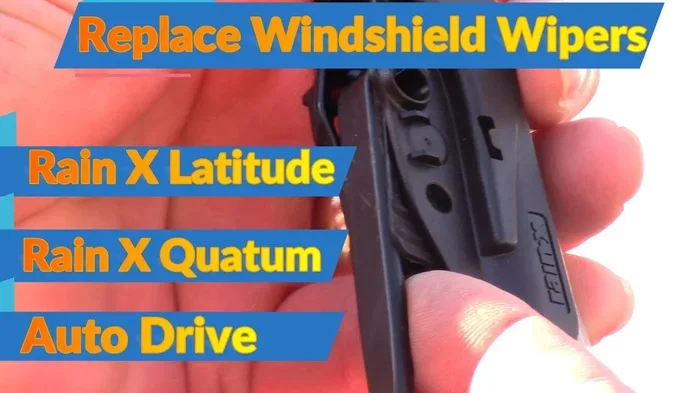
- Side-Lock Hook: The most common type. You will see a small tab on the side of the connector. Press or slide it to release the blade.
- Pin-Lock Connector: Uses a small pin that you push or pull to free the blade. Common on many European and Asian vehicles.
- Bayonet-Style Connector: Requires you to slide the blade off the arm in a straight motion. No buttons or tabs needed.
If you are unsure which type your car uses, look up your vehicle model online or check the packaging on your new wiper blades. They often list compatible connector types.
Step 3: Release the Connector
Now it is time to actually detach the blade. The exact method depends on your connector type.
For a side-lock hook connector, locate the small tab on the side of the connector. Press it inward or slide it with your finger while gently pulling the blade downward. It should release with minimal force.
For a pin-lock connector, find the small pin near the base of the blade. Push it to the side or pull it out slightly, then slide the blade off the arm.
For a bayonet-style connector, hold the blade and slide it straight off the arm. No buttons or tabs are involved.
Quick Tip: If the connector feels stuck, do not force it. Double-check that you are pressing the right release mechanism. Using a flat-head screwdriver gently can help, but be careful not to scratch the arm or blade.
Step 4: Remove the Old Wiper Blade
Once the connector is released, simply pull the old blade straight down and off the arm. Set it aside carefully. You might want to place it on a piece of newspaper or a plastic bag to keep your workspace clean.
Take a moment to inspect the old blade. Look for uneven wear, cracked rubber, or bent metal frames. This inspection helps you understand why the old wipers were not performing well. It also confirms that the new blades will be an upgrade.
Common Mistake: Do not drop the old blade onto the windshield or paint. The metal arm can scratch both surfaces if it falls. Always set it down gently on a soft surface.
Step 5: Prepare for the New Wiper Blade
With the old blade removed, you are ready to install the new one. But first, take a quick moment to prep:
- Clean the windshield where the wiper arm sits. Use a cloth dampened with a bit of water or windshield cleaner.
- Check the new blade to make sure it matches your vehicle. Confirm the size and connector type.
- Protect the windshield by placing a folded towel under where the wiper arm will rest during installation.
These small prep steps go a long way. They prevent scratches and make the installation smoother. Once your workspace is ready, you can move on to attaching the new blade, which is basically the reverse of removal.
Understanding Wiper Blade Connectors
Since the connector is the key to both removing and installing wipers, it is worth understanding the different types in more detail. This knowledge makes future maintenance much easier.
| Connector Type | How It Works | Common Vehicles | Ease of Removal |
|---|---|---|---|
| Side-Lock Hook | Side tab clicks or slides to release | Most domestic and many Asian models | Very Easy |
| Pin-Lock | Pushed or pulled pin releases the blade | European and some Asian models | Easy |
| Bayonet-Style | Straight slide-off motion | Various models, increasingly common | Very Easy |
| Quick-Release Adapter | Press a button and pull the blade off | Newer models with universal adapters | Extremely Easy |
As you can see, most modern connectors are designed for easy removal. Manufacturers know that people like to handle their own wiper replacement. That is good news for DIY car owners.
If you want to learn more about keeping your windshield in top shape, check out our guide on car windshield covers for snow. These covers protect your wipers and glass during harsh weather, extending the life of your blades.
Common Mistakes to Avoid When Removing Wiper Blades
Even though this task is simple, mistakes can happen. Here are the most common errors and how to avoid them:
- Forcing the connector: If the blade does not release easily, stop and recheck the mechanism. Forcing it can break the arm or damage the connector.
- Skipping the safety latch: Some wiper arms have a secondary safety latch. Always check for this before pulling the blade.
- Letting the arm snap back: This is the number one cause of windshield chips. Always control the arm and use a towel as a buffer.
- Mixing up left and right blades: Driver and passenger wipers are often different sizes. Installing the wrong one leads to poor coverage and streaking.
- Forgetting to clean the windshield: Dirt and debris trapped under the new blade can cause scratches and reduce visibility.
Avoiding these simple mistakes will save you time, money, and potential windshield repairs. A careful approach pays off every time.
Expert Tips for Longer-Lasting Wiper Blades
Once you have successfully removed your old wipers and installed new ones, you want them to last as long as possible. Here are some expert-backed tips to extend the life of your wiper blades:
- Clean your blades regularly: Wipe the rubber edge with a damp cloth to remove dirt and oil buildup. This prevents premature wear.
- Lift wipers in winter: During heavy snow or freezing temperatures, lift the blades away from the windshield. This prevents them from freezing to the glass.
- Use windshield washer fluid: Never use plain water. Washer fluid is formulated to cut through grime and protect the wiper system.
- Avoid running wipers on a dry windshield: Always wet the glass first. Dry wiping grinds dirt into the rubber and the windshield surface.
- Inspect monthly: Quick visual checks every few weeks help you catch wear early before it becomes a visibility hazard.
For more windshield care advice, our article on car windshield cover benefits and types offers great insights into protecting your entire windshield, including your wiper system, from the elements.
You may also want to read about how often to wash your car, since regular washing helps keep your windshield clean and reduces the strain on your wiper blades during operation.
How to Choose the Right Replacement Wiper Blades
When it is time to buy new wipers, the options can feel overwhelming. There are so many brands, sizes, and types available. Here is a quick guide to help you choose the right ones for your vehicle.
OEM vs. Aftermarket Wiper Blades
OEM (Original Equipment Manufacturer) blades are made by the same company that supplied your car at the factory. They are designed to match your vehicle exactly. Aftermarket blades are made by third-party companies and often cost less. Many aftermarket blades perform just as well, if not better, than OEM options.
Both choices have merit. OEM blades offer a perfect fit and reliable performance. Aftermarket blades give you more options and often better value. Choose based on your budget and preference.
Conventional vs. Beam Wiper Blades
Conventional wipers have an exposed metal frame with multiple pressure points. They are affordable and widely available. Beam wipers use a single piece of flexible metal with no exposed frame. They provide even pressure across the blade and look sleeker.
Beam wipers tend to perform better in heavy rain and last longer. They are a popular upgrade for car owners who want improved rain visibility. However, they cost a bit more than conventional blades.
What to Do With Your Old Wiper Blades
You have successfully removed your old wipers. Now what? Do not just toss them in the trash. Here are a few responsible options:
- Recycle them: Many auto parts stores accept old wiper blades for recycling. The rubber and metal components can be processed and reused.
- Use them for household tasks: Old wipers work great for cleaning garage floors, windows, or other outdoor surfaces.
- Check for warranty: Some wiper brands offer a money-back guarantee or replacement program. Keep your receipt and check the packaging.
Recycling is the best option for the environment. It keeps rubber and metal out of landfills and supports a circular economy.
Before you finish, take a moment to clean your windshield thoroughly. A fresh wipe-down with a quality glass cleaner ensures your new blades perform at their best from day one. If you are interested in learning more about protecting your entire car interior, our article on using Clorox wipes on car interior offers helpful cleaning tips.
Conclusion
Knowing how to take windshield wipers off is a valuable skill for any car owner. It is quick, easy, and saves you money. With the five simple steps outlined in this guide, you can handle wiper replacement yourself with confidence. Remember to lift the arm carefully, identify your connector type, release it gently, and always protect your windshield with a towel.
Regular wiper maintenance keeps you safe on the road. Clean, functioning wipers mean better visibility in rain, snow, and everyday driving conditions. Make it a habit to check your blades every few months and replace them when you notice wear.
Your windshield is your window to the road. Keep it clear, keep your wipers fresh, and drive with confidence. You have everything you need to do this job right.
Frequently Asked Questions
Can I take windshield wipers off without a screwdriver?
Yes, most modern wiper blades do not require any tools at all. The side-lock, pin-lock, and bayonet connectors are all designed for hand removal. You only need a screwdriver if your specific connector type demands it, which is rare. Check your vehicle manual to confirm.
How do I know which size wiper blades to buy?
You can find the correct wiper size in your vehicle owner’s manual. You can also check the packaging of your current blades or look up your vehicle model online. Driver and passenger sides often need different sizes, so measure or verify both before purchasing.
Is it safe to let the wiper arm snap back onto the windshield?
No, it is not safe. The wiper arm is spring-loaded and can crack or chip your windshield if it snaps back with force. Always control the arm when removing or installing blades. Place a towel between the arm and the glass as a protective buffer.
How often should I replace my windshield wiper blades?
Most experts recommend replacing wiper blades every six to twelve months. However, if you notice streaks, squeaking, or reduced visibility, replace them sooner. Regular inspection helps you catch wear early and maintain safe driving conditions.
Can I remove my windshield wipers to use a car cover?
Yes, removing wipers is a common step when applying a car windshield cover for snow or sun protection. It prevents the cover from catching on the wiper arms and helps preserve both the cover and the wiper blades during storage or harsh weather.
What is the easiest type of wiper connector to remove?
The quick-release adapter and bayonet-style connectors are the easiest to remove. They require no buttons, tabs, or tools. Simply slide the blade off the arm and it comes right off. Side-lock hook connectors are also very easy with just a small push or slide of a tab.