Can Car Insurance Cover Repairs After an Accident
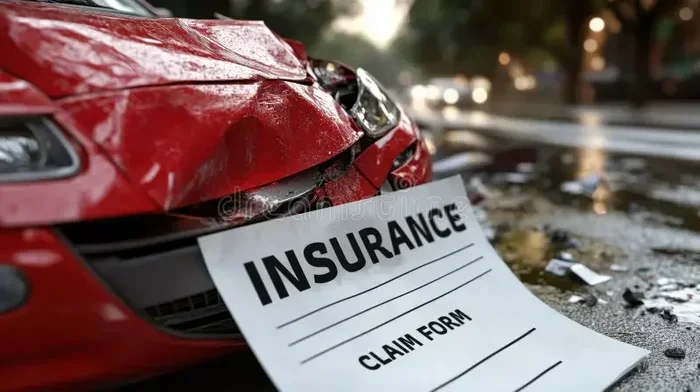
Car insurance can cover repairs after an accident, but it depends on your policy type, the cause of damage, and your coverage limits. Collision and comprehensive coverage typically pay for accident-related repairs, while liability insurance handles damage you cause to others. Understanding your auto insurance policy before an accident saves time, money, and stress.
Getting into a car accident is stressful enough without worrying about repair bills. The big question on most people’s minds is simple: can car insurance cover repairs? The answer is yes, but with important caveats. Your coverage type, policy limits, and the nature of the accident all play a role in what gets paid.
This guide breaks down everything you need to know about car insurance coverage for accident repairs. We’ll walk through the types of coverage, the claims process, common pitfalls, and practical tips to help you navigate the system with confidence. Whether you’re dealing with a fender bender or a major collision, understanding your policy is your first step toward a smooth recovery.
Key Takeaways
- Collision coverage pays for repairs when your car is damaged in an accident, regardless of fault.
- Comprehensive coverage handles non-collision damage like theft, fire, or weather-related incidents.
- Filing a claim can lead to a premium increase, so weigh repair costs against your deductible.
- An insurance adjuster evaluates the damage and determines the payout amount.
- You can choose between OEM parts and aftermarket parts, which affects repair quality and cost.
- Knowing your deductible amount helps you decide whether to file a claim or pay out of pocket.
📑 Table of Contents
- What Does Car Insurance Cover After an Accident?
- Types of Coverage That Pay for Accident Repairs
- How the Claims Process Works for Accident Repairs
- When Insurance Won’t Cover Your Repairs
- How to Maximize Your Insurance Repair Coverage
- Common Mistakes to Avoid After an Accident
- Expert Insights on Navigating Accident Repairs
- Conclusion
What Does Car Insurance Cover After an Accident?
Not all car insurance policies are the same. What one policy covers, another might not. The key is understanding which type of coverage applies to your situation. Most standard policies include several coverage types, and each serves a different purpose.
When you ask, “Does my insurance cover accident repairs?” the answer hinges on three main factors: your coverage type, who was at fault, and the nature of the damage. Let’s look at each factor in detail.
Fault vs. No-Fault Scenarios
In a fault-based state, the at-fault driver’s insurance pays for the other driver’s repairs. In a no-fault state, each driver’s insurance covers their own injuries and damages, regardless of who caused the accident. This distinction matters a lot when you’re filing a claim.
If another driver hits your car, their liability coverage should pay for your repairs. But if you caused the accident, you’ll need collision coverage on your own policy. This is why having the right coverage in place before an accident happens is so important.
What Happens When You’re At Fault
Being at fault doesn’t mean you’re out of luck. Your collision coverage steps in to pay for your vehicle’s repairs, minus your deductible. The deductible is the amount you agree to pay out of pocket before insurance kicks in.
For example, if repair costs are $3,000 and your deductible is $500, your insurance pays $2,500. This makes understanding your deductible amount essential before filing any claim. If repair costs are close to your deductible, it might make more sense to pay out of pocket.
Types of Coverage That Pay for Accident Repairs
Different coverage types handle different kinds of damage. Knowing what each one does helps you make smart decisions after an accident. Here’s a closer look at the main types that pay for accident repairs.
Collision Coverage
Collision coverage is the primary type that pays for repairs when your car is damaged in an accident. It covers collisions with other vehicles, guardrails, poles, and even single-vehicle accidents like hitting a pothole or rolling your car.
This coverage is especially valuable because it doesn’t matter who caused the accident. Whether you rear-ended someone or someone hit you, collision coverage pays for your vehicle’s repairs. However, it does come with a deductible, and filing too many claims can lead to a premium increase.
Comprehensive Coverage
Comprehensive coverage handles damage that doesn’t come from a collision. This includes theft, vandalism, fire, flooding, and falling objects. It also covers weather-related damage like hailstorms or tree branches falling on your car.
For instance, if a severe hailstorm dents your hood and cracks your windshield, comprehensive coverage has you covered. This is a separate policy from collision, and you can choose to carry one without the other. However, lenders often require both if you have a car loan or lease.
Liability Coverage
Liability coverage pays for damage you cause to other people and their property. It does not cover repairs to your own vehicle. If you hit another car and they need repairs, your liability coverage pays their bills.
Every state requires minimum liability coverage, but these minimums are often low. Experts recommend carrying well above the minimum to protect your finances. If the damage exceeds your liability limits, you may have to pay the difference out of pocket.
Uninsured and Underinsured Motorist Coverage
Not everyone on the road carries insurance. If an uninsured or underinsured driver hits you, this coverage steps in to pay for your repair costs. It acts as a safety net when the other driver can’t or won’t pay.
Some states require this coverage, while others offer it as an add-on. Either way, it’s a valuable protection that prevents you from bearing the full cost of repairs caused by someone else’s negligence.
How the Claims Process Works for Accident Repairs
Filing an insurance claim might sound intimidating, but the process is more straightforward than most people think. Here’s a step-by-step look at what happens from the moment of an accident to the final insurance payout.
Step 1: Report the Accident
As soon as it’s safe, call your insurance company to report the accident. Most insurers have 24/7 claims hotlines. Provide basic details like the date, location, and a description of what happened. Don’t admit fault or make assumptions about who is responsible.
Step 2: File a Claim
After reporting, you’ll file a formal claim. You’ll need to provide your policy number, the other driver’s information (if applicable), and any police reports. Many insurers now allow you to file claims through their mobile app, making the process faster and more convenient.
Step 3: The Insurance Adjuster Evaluates Damage
An insurance adjuster will be assigned to your claim. They may inspect your vehicle in person or request photos and estimates from repair shops. The adjuster determines the extent of damage and the fair payout amount based on your policy terms.
If your car is a total loss, meaning repair costs exceed the vehicle’s actual cash value, the insurer will pay you the car’s market value instead of repairing it. This is an important distinction that affects how much you receive.
Step 4: Choose a Repair Shop
Once the claim is approved, you can choose a repair shop. Some insurers have preferred networks, but you’re generally free to pick your own shop. Be sure to ask about the type of parts they use, as this affects both cost and quality.
Step 5: Get Your Car Repaired
After the shop completes repairs, you pay your deductible, and the insurer pays the rest directly to the shop. The entire process typically takes a few weeks, though complex claims can take longer.
When Insurance Won’t Cover Your Repairs
Insurance is not a magic fix for every repair situation. There are specific scenarios where your policy won’t pay for accident repairs. Understanding these helps you avoid surprises and plan accordingly.
Mechanical Failures and Wear and Tear
Car insurance does not cover repairs caused by normal wear and tear or mechanical failures. If your transmission fails or your brakes wear out, that’s your responsibility. Insurance covers sudden, accidental damage, not gradual deterioration.
For example, if your engine seizes up due to old age, insurance won’t help. But if you hit a deer and the impact damages the engine, comprehensive coverage would apply. The key difference is whether the damage came from an accident or from normal use.
Pre-Existing Damage
Insurance won’t cover damage that existed before the accident. If your car already had a cracked windshield and a new accident makes it worse, the insurer only pays for the incremental damage caused by the new incident.
This is why documenting your car’s condition before any incident is smart. Take photos regularly and keep records of any pre-existing issues. This protects you during the claims process.
Intentional Damage or Illegal Activity
If the damage was caused intentionally or during illegal activity, insurance won’t cover it. Vandalism by a stranger is covered under comprehensive, but if you damage your own car on purpose, you’re on your own.
Similarly, if you were driving under the influence or without a valid license, your claim may be denied. Always follow the law and drive responsibly to keep your coverage valid.
Operating a Vehicle Outside Policy Terms
Using your vehicle in ways not covered by your policy can void your claim. For example, using a personal car for commercial ridesharing without the proper endorsement might lead to a denied claim. Check your policy for any exclusions or limitations.
How to Maximize Your Insurance Repair Coverage
You can take several steps to make sure you get the most out of your auto insurance policy after an accident. These practical tips help you navigate the process and avoid common mistakes.
Review Your Policy Before You Need It
Don’t wait until after an accident to read your policy. Understand what’s covered, what your deductibles are, and what your limits are. Knowing your coverage inside and out puts you in a stronger position when you file a claim.
Pay special attention to the difference between OEM parts (original equipment manufacturer) and aftermarket parts. OEM parts are made by the car’s manufacturer and match the original quality. Aftermarket parts are cheaper alternatives that may not fit or perform the same way.
Document Everything
Take photos of all damage from multiple angles. Write down the date, time, location, and weather conditions. Collect contact information from witnesses and the other driver. The more documentation you have, the smoother the claims process becomes.
Get Multiple Repair Estimates
Don’t just accept the first estimate you receive. Get at least two or three quotes from different repair shops. This gives you a better sense of fair pricing and gives you leverage during negotiations with the adjuster.
Understand Gap Insurance
If you owe more on your car loan than the vehicle is worth, gap insurance covers the difference. This is especially useful when your car is totaled. Without gap insurance, you’d still owe the loan balance even after receiving the insurance payout for the car’s depreciated value.
Gap insurance is relatively inexpensive and can save you thousands of dollars in a worst-case scenario. If you have a new car or a small down payment, it’s well worth considering.
Consider Rental Car Coverage
While your car is being repaired, you still need transportation. Rental car coverage pays for a rental vehicle during the repair period. This is often an add-on to comprehensive or collision coverage and is worth the small additional cost.
Without rental coverage, you’re paying out of pocket for a car while yours is in the shop. For many people, this adds up quickly, especially if repairs take longer than expected.
Be Mindful of Claim Frequency
Every claim you file can impact your insurance rates. If the repair costs are only slightly above your deductible, paying out of pocket might save you money in the long run. Weigh the short-term repair cost against the potential long-term premium increase.
As a rule of thumb, if the repair cost is less than two times your deductible, paying out of pocket is usually the better financial decision. This keeps your claim history clean and your rates stable.
Common Mistakes to Avoid After an Accident
Making mistakes after an accident can cost you money and delay your repairs. Here are the most common errors drivers make and how to avoid them.
- Admitting fault at the scene: Even a casual “I’m sorry” can be used against you. Let the insurance adjuster determine fault based on evidence.
- Delaying the claim: Most policies have time limits for filing claims. Report the accident promptly to avoid complications.
- Skipping photos: Without photos, proving the extent of damage becomes much harder. Always document the scene thoroughly.
- Choosing the cheapest repair shop: Low cost often means low-quality parts and workmanship. Choose a reputable shop that uses quality parts.
- Ignoring hidden damage: Some damage isn’t visible right away. Get a thorough inspection before you consider the repairs complete.
Expert Insights on Navigating Accident Repairs
Insurance professionals recommend a few best practices that go beyond the basics. These insights can make a real difference in your repair experience.
Know your state’s requirements. Each state sets minimum coverage levels, and these vary widely. Understanding your state’s requirements helps you decide whether your current coverage is sufficient. Some states, for example, require personal injury protection (PIP), which covers medical expenses regardless of fault.
Communicate clearly with your adjuster. Be honest and thorough when speaking with the insurance adjuster. Provide all requested documentation promptly. The faster you respond, the faster your claim moves forward.
Don’t settle too quickly. Insurers may offer a quick settlement that doesn’t fully cover your repair costs. Review the offer carefully and negotiate if needed. You have the right to push back and request a fairer payout.
Keep records of all communication. Save emails, notes from phone calls, and copies of everything you send or receive. This paper trail protects you if disputes arise later.
Consider an independent appraisal. If you disagree with the adjuster’s assessment, you can hire an independent appraiser. They provide an unbiased evaluation of your vehicle’s damage and repair costs. This can be especially helpful in complex claims.
Conclusion
So, can car insurance cover repairs after an accident? Yes, it can, provided you have the right coverage in place. Collision and comprehensive coverage are the primary types that pay for your vehicle’s repairs, while liability coverage handles damage you cause to others. Understanding your policy, documenting everything, and following the claims process carefully puts you in the best position for a successful outcome.
Take the time to review your auto insurance policy today. Know your deductibles, coverage limits, and exclusions. Being prepared before an accident happens means you won’t be caught off guard when it does. A little effort now can save you significant time, money, and stress later.
Accidents happen to everyone. But with the right knowledge and coverage, getting your car back on the road doesn’t have to be a nightmare. Stay informed, stay prepared, and don’t hesitate to reach out to your insurer with questions. Your policy is there to protect you, and knowing how to use it is the best way to get the most from it.
Frequently Asked Questions
Does car insurance cover repairs if I caused the accident?
Yes, if you have collision coverage on your policy. Collision coverage pays for repairs to your vehicle regardless of who is at fault. However, you’ll need to pay your deductible first, and filing a claim may increase your premiums.
How long does it take for insurance to approve a repair claim?
The timeline varies depending on the complexity of the claim and your insurer. Simple claims with clear damage can be approved within a few days. More complex claims involving significant damage or disputes may take several weeks. Providing complete documentation speeds up the process significantly.
Will filing a claim for accident repairs raise my insurance rates?
It depends on your situation and your insurer’s policies. Filing a claim for at-fault accidents often leads to a premium increase. Not-at-fault claims usually don’t affect your rates. If the repair costs are close to your deductible, paying out of pocket may be the smarter choice to avoid a rate hike.
Does comprehensive coverage pay for accident repairs?
Comprehensive coverage pays for non-collision damage like theft, fire, flooding, and vandalism. It does not cover accident repairs from collisions with other vehicles or objects. For collision-related repairs, you need collision coverage as part of your policy.
Can I choose any repair shop for my insurance claim?
In most cases, yes. You are generally free to choose any licensed repair shop. Some insurers have preferred networks that offer guaranteed repairs, but you are not required to use them. Just make sure the shop is reputable and uses quality parts for the best results.
What happens if my car is totaled after an accident?
If the cost of repairs exceeds your car’s actual cash value, the insurer declares it a total loss. You receive a payout equal to the car’s market value minus your deductible. If you have gap insurance, it covers the difference between the payout and what you still owe on your loan or lease.