How Do You Know If Your TPMS Sensor Is Bad For Sure
Your TPMS sensor plays a big role in keeping your tires safe and your car running smoothly. If the TPMS light stays on, gives false readings, or won’t turn off after you fill your tires, your sensor might be failing. This guide walks you through every sign of a bad TPMS sensor, what causes sensor failure, and how to fix it without spending a fortune.
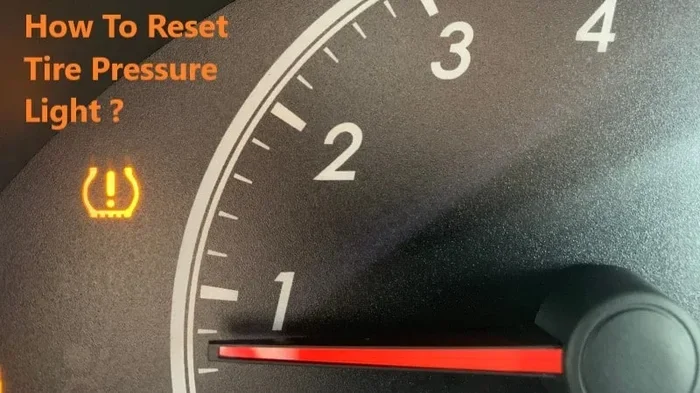
You’re driving down the road, and suddenly that little horseshoe-shaped light with an exclamation point pops up on your dashboard. Your heart skips a beat. Is it a flat tire? Is it expensive? What even is a TPMS sensor, and how do you know if your TPMS sensor is bad?
The Tire Pressure Monitoring System, or TPMS, is a small but mighty safety feature in modern vehicles. It keeps an eye on your tire pressure and alerts you when something is off. But like any electronic part, TPMS sensors can wear out, fail, or give wrong readings. When that happens, you need to know what’s going on so you can fix it fast.
In this guide, we’re going to break down every sign of a failing TPMS sensor. We’ll cover what causes sensor failure, how to test your TPMS sensor, and what you can do to get back on the road safely. Whether you’re a car beginner or a seasoned driver, this article has the answers you need.
Let’s dive in and take the mystery out of that annoying dashboard light.
Key Takeaways
- Warning Light Behavior: A TPMS light that stays on, flashes, or behaves oddly is the #1 sign your sensor may be failing.
- False or Inaccurate Readings: If your tire pressure gauge readings don’t match what the dashboard shows, the sensor could be the problem.
- Sensor Battery Life: Most TPMS sensor batteries last 5-10 years and cannot be replaced separately in many models.
- Cold Weather Triggers: Low temperatures can cause temporary TPMS warnings that go away, but persistent issues point to a bad sensor.
- Replacement Cost: A TPMS sensor replacement typically costs between $50 and $250 per sensor, depending on your vehicle.
- DIY vs. Professional: Some sensor replacements are easy enough for a DIYer, but professional installation ensures proper calibration.
- Regular Maintenance: Checking your tire pressure monthly can catch TPMS issues early before they become expensive repairs.
📑 Table of Contents
What Does a TPMS Sensor Do?
Before we talk about how to spot a bad sensor, let’s understand what a TPMS sensor actually does. The tire pressure monitoring system uses small sensors inside your wheels to measure the air pressure in each tire. When the pressure drops below the recommended level, the system sends a signal to your car’s computer, and the TPMS warning light turns on.
There are two types of TPMS systems in cars today:
- Direct TPMS: This system uses a physical sensor mounted inside each tire. It measures the exact pressure and sends data wirelessly to your car’s computer.
- Indirect TPMS: This system doesn’t use a physical pressure sensor. Instead, it relies on the wheel speed sensors from your anti-lock braking system. When a tire has low pressure, it rolls at a different speed than the others, and the system flags it.
Most modern cars use direct TPMS because it gives more accurate readings. But both types can have problems over time. Understanding which system your car has is the first step in troubleshooting.
Common Signs Your TPMS Sensor Is Bad
So how do you know if your TPMS sensor is bad for sure? There are several clear warning signs. Let’s walk through each one so you can figure out what’s going on with your vehicle.
The TPMS Light Stays On All the Time
This is the most obvious sign. If the TPMS warning light on your dashboard stays lit and doesn’t go away after you start the car, something is wrong. A healthy system should turn the light off once the engine starts and the system completes its self-check.
Now, here’s the tricky part. A TPMS light that stays on doesn’t always mean a bad sensor. It could mean one of your tires is actually low on air. Before you jump to conclusions, grab a tire pressure gauge and check all four tires. If the pressure looks fine but the light is still on, that’s a strong clue your TPMS sensor might be failing.
The TPMS Light Flashes Then Stays Solid
Some cars have a specific flashing pattern for TPMS issues. If the light flashes for about 60 to 90 seconds after you start the car and then stays solid, this often points to a problem with the TPMS system itself, not just low tire pressure.
This flashing pattern is your car’s way of saying, “Hey, the monitoring system has a malfunction.” It’s different from the steady light that simply tells you one or more tires are underinflated. A flashing light is more urgent and usually means a sensor or receiver issue.
Inaccurate or Impossible Tire Pressure Readings
Have you ever checked your tire pressure with a manual gauge and the number doesn’t match what your dashboard says? That’s a red flag. A working TPMS sensor should give readings that are close to what a physical tire pressure gauge shows.
For example, if your dashboard says a tire is at 28 PSI but your manual gauge reads 35 PSI, the sensor is giving false data. This kind of mismatch can cause you to overinflate your tires or, worse, ignore a real pressure problem.
The Light Comes On in Cold Weather Then Disappears
Cold weather can temporarily lower tire pressure, which triggers the TPMS light. This is normal and expected. But here’s the thing — if the light goes away after your tires warm up from driving, that’s just a normal reaction to temperature changes.
However, if the light stays on even after the tires have warmed up and you’ve added air, the sensor itself might be faulty. A bad TPMS sensor can give erratic readings based on temperature changes that wouldn’t affect a healthy sensor.
TPMS Light Comes On After Tire Service or Rotation
Sometimes the TPMS light turns on after you get new tires, rotate your tires, or change a flat. In many cases, this just means the sensor needs to be reset. But if resetting the system doesn’t work, the sensor may have been damaged during the service.
Tire technicians are usually careful with TPMS sensors, but accidents happen. A sensor can get bumped, the valve stem can leak, or the sensor can lose its programming. If the light won’t go off after a reset, have the sensor checked.
Multiple or Intermittent Warning Lights
A failing TPMS sensor might cause the light to turn on and off randomly. You might see the warning on your dashboard in the morning, it goes away after you drive a few miles, and then it comes back the next day.
This inconsistent behavior is a classic sign of a sensor that’s on its way out. Intermittent failures happen when the sensor’s internal electronics are corroding or the battery is dying. The sensor sends signals some of the time but fails at other times, which confuses the car’s computer.
What Causes TPMS Sensor Failure?
Now that you know the warning signs, let’s talk about what actually causes TPMS sensors to go bad. Understanding the root cause helps you prevent future problems and decide on the best fix.
Dead Sensor Battery
Every TPMS sensor has a small battery inside that powers the transmitter. These batteries aren’t user-replaceable in most vehicles. When the battery dies, the sensor stops sending data, and the TPMS light comes on.
Most TPMS sensor batteries last between 5 and 10 years. If your car is older and you’ve never replaced the sensors, a dead battery is a very likely culprit. Unfortunately, you can’t just change the battery — you need to replace the entire sensor unit.
Corrosion and Road Debris
Your TPMS sensors live inside your wheels, which means they deal with road salt, water, mud, and debris every single day. Over time, this exposure can cause corrosion on the sensor or the valve stem.
Corrosion can block the sensor’s signal or damage its internal components. Vehicles driven in snowy or coastal areas are especially prone to this kind of wear. Regularly cleaning your wheels and checking for rust around the valve stems can help you catch this early.
Physical Damage From Potholes or Impacts
Hitting a big pothole or a curb can damage your TPMS sensor. The sensor sits inside the tire, attached to the rim, and a strong impact can knock it loose or crack its housing.
If you’ve recently hit a hard object and then noticed your TPMS light acting up, the sensor might have taken a hit. Even if the sensor looks fine from the outside, internal damage can cause it to malfunction.
Age and General Wear
Just like any electronic part, TPMS sensors have a lifespan. After years of exposure to heat, pressure changes, and vibration, the internal components wear out. The rubber seal around the sensor can degrade, leading to slow air leaks.
There’s no way to fully prevent age-related sensor failure, but staying on top of your tire pressure checks can help you notice problems before the sensor completely dies.
Improper Tire Inflation
This one surprises people. Consistently driving on underinflated or overinflated tires puts extra stress on the TPMS sensor. The sensor has to work harder and endure more pressure fluctuations, which can shorten its life.
Keeping your tires at the recommended PSI — which you can find on the sticker inside your driver’s door — helps your TPMS sensor last longer and work accurately.
How to Test if Your TPMS Sensor Is Bad
If you suspect your TPMS sensor is failing, there are a few ways to test it. You don’t need to be a mechanic to do these checks, but some steps are easier with professional tools.
Step 1: Check Your Tire Pressure Manually
Start with the basics. Use a reliable tire pressure gauge to check all four tires, including the spare. Compare your readings to the recommended PSI for your vehicle. If the pressure is good but the light is still on, the sensor is likely the problem.
Make sure to check your tires when they’re cold — meaning the car has been parked for at least three hours. Driving heats up the air inside the tires and can give you falsely high readings.
Step 2: Reset the TPMS System
After you confirm your tire pressure is correct, try resetting the TPMS system. The reset process varies by car, but it’s usually found in the vehicle settings menu or as a button under the steering wheel.
If the light goes off after a reset and stays off, your sensor might just need recalibration. If the light comes back within a few days, the sensor is probably bad.
Step 3: Use an OBD-II Scanner
An OBD-II scanner is a handy tool that plugs into your car’s diagnostic port and reads error codes. Many auto parts stores will let you borrow one for free or use their scanner for you.
When you scan your car, look for codes related to the TPMS system. Codes like C0035 or C0040 often point to specific sensor failures. These codes give you a much clearer picture of which sensor is bad and whether it needs replacement.
Step 4: Visit a Tire Shop or Mechanic
If you’re still unsure, take your car to a tire shop or mechanic. They have professional TPMS tools that can test each sensor individually and check signal strength. This is the most accurate way to diagnose a bad sensor, and many shops do it for free or a small fee.
Quick Tips for Testing TPMS Sensors
- Always check tire pressure before assuming the sensor is bad.
- Keep a tire pressure gauge in your glove box for regular checks.
- Write down your tire pressure readings so you can track changes over time.
- Don’t ignore the TPMS light — even if your tires look fine.
- Replace sensors in pairs if one has failed, especially if they’re the same age.
TPMS Sensor Replacement: What to Expect
If your TPMS sensor is bad, you’ll need to replace it. Let’s talk about what the process looks like and how much it costs so there are no surprises.
How Much Does a TPMS Sensor Cost?
The TPMS sensor cost varies depending on your vehicle, the type of sensor, and where you go for service. On average, a single TPMS sensor replacement costs between $50 and $250 for the part alone. Add labor, and you’re looking at $100 to $300 per sensor.
Some higher-end vehicles or luxury brands can have sensors that cost more. The good news is that many aftermarket TPMS sensors work just as well as OEM parts and cost significantly less.
Can You Replace a TPMS Sensor Yourself?
For handy car owners, replacing a TPMS sensor is a DIY project you can tackle at home. You’ll need a TPMS tool to program the new sensor to your vehicle’s system. These tools range from $20 for basic models to $300+ for professional-grade scanners.
The actual sensor swap is pretty simple — you remove the old sensor from the valve stem, install the new one, and use the programming tool to pair it with your car. If you’re comfortable with basic tire work like changing a flat, you can probably handle this job.
However, if you’re not confident, it’s worth paying a shop to do the work. Proper programming ensures your TPMS system reads accurately and doesn’t throw error codes.
TPMS Battery Replacement vs. Full Sensor Replacement
Some people wonder if they can just replace the TPMS battery instead of the whole sensor. Unfortunately, in most vehicles, the battery is sealed inside the sensor and cannot be replaced separately. The entire sensor unit needs to come out.
A few older models do have replaceable batteries, but these are rare. Check your vehicle’s service manual or ask your mechanic if a battery-only replacement is an option for your car.
TPMS Reset After Replacement
After you install a new sensor, you’ll need to reset the TPMS system. This tells the car’s computer that a new sensor is active and that it should start reading data from it.
The reset process depends on your vehicle. Some cars have a dedicated TPMS reset button. Others require you to go through the infotainment system. Your owner’s manual will have the exact steps. If you can’t find them, a quick search online for your specific car model will help.
Preventing TPMS Sensor Problems
The best way to deal with a bad TPMS sensor is to prevent problems before they start. Here are some simple habits that keep your TPMS system working well for years.
- Check your tire pressure monthly. A simple habit that catches small problems before they damage your sensors.
- Keep your tires properly inflated. Staying at the recommended PSI reduces stress on the sensor and improves fuel economy.
- Clean your wheels regularly. Washing away road salt and debris prevents corrosion on the valve stem and sensor.
- Avoid hitting potholes and curbs. Protect your sensors from physical damage by driving carefully, especially on rough roads.
- Replace sensors in sets. If one sensor fails, consider replacing all four at the same time. They’re all the same age and will fail around the same time anyway.
- Don’t ignore the warning light. The TPMS light exists for a reason. Addressing it early saves you from bigger problems down the road.
Expert Insights on TPMS Sensor Health
We asked a few experienced tire technicians what they wish car owners knew about TPMS sensors. Here’s what they had to say.
“The biggest mistake drivers make is ignoring the TPMS light for weeks or even months,” says one veteran tire shop owner. “By the time they finally check it, the sensor has completely died, and they’ve been driving on a tire that was seriously underinflated the whole time.”
“Another common misconception,” adds a second technician, “is that the TPMS light means you need a new sensor. Half the time, the tires just need air. Always check the pressure first. It takes 30 seconds and saves you a ton of money.”
These expert tips highlight a simple truth: don’t panic when the light comes on, but don’t ignore it either. A quick check can tell you whether it’s a simple fix or a sensor that needs replacing.
Key Takeaways
- Watch the TPMS Light: A light that stays on, flashes, or behaves erratically is the clearest sign of a bad sensor.
- Check Tire Pressure First: Always verify your tire pressure manually before assuming the sensor is faulty.
- Sensor Batteries Die: Most TPMS sensors last 5-10 years before the battery dies and the sensor needs full replacement.
- Use an OBD-II Scanner: This tool gives you specific error codes that point directly to a failing sensor.
- Replacement Is Affordable: A single TPMS sensor costs $50-$250, and many shops offer free diagnostic testing.
- Prevention Pays Off: Regular tire pressure checks and proper inflation extend the life of your TPMS sensors.
- Don’t Delay Repairs: A bad TPMS sensor means your car can’t properly monitor tire pressure, which affects safety and fuel efficiency.
Conclusion
So how do you know if your TPMS sensor is bad for sure? Now you have the answer. A persistent TPMS warning light, inaccurate pressure readings, flashing dashboard signals, and intermittent warnings are all strong indicators that your TPMS sensor is failing. The good news is that diagnosing and fixing the problem is easier than most people think.
Start by checking your tire pressure manually. If the pressure is fine but the light is still on, try a system reset. If that doesn’t work, use an OBD-II scanner or visit a tire shop for a professional diagnosis. Whether the issue is a dead battery, corrosion, or physical damage, replacing a bad TPMS sensor is a straightforward fix that keeps you safe on the road.
Don’t let a failing sensor leave you guessing about your tire pressure. Take action at the first sign of trouble, and your TPMS system will keep doing its job for years to come. Your tires — and your wallet — will thank you.
Frequently Asked Questions
Can I drive with a bad TPMS sensor?
Yes, you can drive with a bad TPMS sensor, but you should be extra careful about checking your tire pressure manually. Without a working sensor, you won’t get automatic alerts if a tire goes low. Get the sensor replaced as soon as possible to restore your vehicle’s safety monitoring.
How long does a TPMS sensor last?
Most TPMS sensors last between 5 and 10 years. The built-in battery cannot be replaced in most vehicles, so when the battery dies, the entire sensor needs to be swapped out. Driving habits and road conditions can affect how long a sensor lasts.
Is it safe to replace just one TPMS sensor?
Yes, you can replace just one sensor if the others are working fine. However, if your sensors are more than 5 years old, replacing all four at once is a smart move. They’re all the same age and will likely fail around the same time, saving you repeat trips to the shop.
Can cold weather cause a false TPMS warning?
Absolutely. Cold weather causes the air inside your tires to contract, which temporarily lowers the pressure. This can trigger the TPMS light even when your tires are properly inflated. The light usually goes away once the tires warm up from driving. If it stays on, there may be a real issue.
What’s the difference between direct and indirect TPMS?
A direct TPMS uses a physical sensor inside each tire to measure pressure. An indirect TPMS uses the car’s wheel speed sensors to detect pressure differences. Direct TPMS is more accurate and common in newer vehicles, while indirect TPMS doesn’t require a sensor inside the tire.
How do I reset my TPMS after replacing a sensor?
The reset process varies by vehicle. Most cars have a TPMS reset button under the steering wheel or in the vehicle settings menu. After installing a new sensor, start the car and hold the reset button until the TPMS light blinks three times. Refer to your owner’s manual for the exact steps for your specific model.