Can You Add Remote Start to a Car With Push-Button Start
Yes, you can add a remote start system to a car with push-button start. Modern aftermarket remote start kits are designed to work with keyless ignition systems, giving you the comfort of pre-heating or pre-cooling your vehicle. This guide covers compatibility, installation options, costs, and everything you need to know before making the upgrade.
Imagine stepping outside on a freezing winter morning. You press a button on your key fob, and within seconds, your car engine roars to life. The heater kicks in. The seats warm up. You walk out to a comfortable ride without ever touching the ignition. This is the magic of remote start, and many drivers with push-button start vehicles wonder if they can enjoy this convenience too.
The short answer is yes. You can add remote start to a car with push-button start. But the process is not always straightforward. It depends on your vehicle’s make, model, year, and the type of remote start system you choose. This guide walks you through everything you need to know, from compatibility to installation to costs.
Remote start systems have come a long way. They are no longer just a luxury for high-end vehicles. Today, affordable aftermarket remote start kits work with a wide range of cars, including those equipped with keyless push-button ignition. Let us dive into the details.
Key Takeaways
- Remote start is compatible: Most push-button start cars can accept an aftermarket remote start system with the right kit.
- Installation varies: Professional installation is recommended to avoid voiding your warranty or damaging electrical components.
- Costs range widely: Expect to pay between $100 and $500 for the kit, plus installation fees.
- Security features matter: Choose a system with encrypted signals and anti-theft protection.
- Compatibility is key: Not all kits work with all car makes and models — always check before buying.
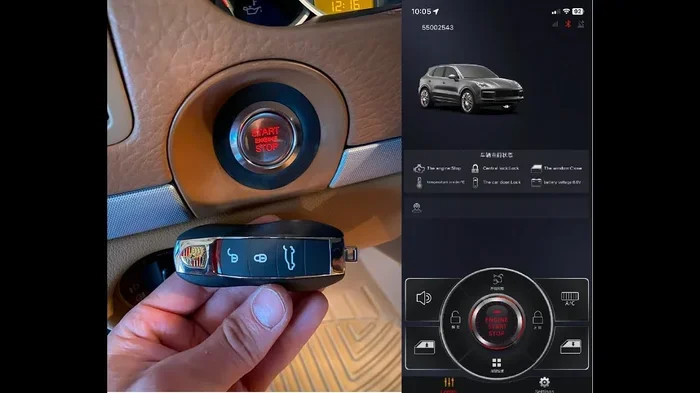
- Smart options exist: Some remote start systems integrate with smartphone apps for added convenience.
📑 Table of Contents
- What Is a Push-Button Start System?
- Can You Add Remote Start to a Push-Button Start Car?
- How Does Remote Start Work with Push-Button Ignition?
- Benefits of Adding Remote Start to Your Push-Button Start Car
- Installation Costs and Considerations
- Choosing the Right Remote Start System
- Common Mistakes to Avoid
- Expert Insights on Remote Start for Push-Button Cars
- Final Thoughts
What Is a Push-Button Start System?
A push-button start system, also known as keyless ignition, replaces the traditional metal key with a smart key or key fob. You simply press a button on the dashboard or center console to start the engine. The system communicates with the key fob using encrypted signals. This technology first appeared in luxury vehicles but has now become standard across most new cars.
The push-button start offers convenience and a modern feel. However, it also introduces a layer of complexity when adding aftermarket accessories. The car’s computer manages the ignition process, so any add-on must communicate properly with the vehicle’s Engine Control Module (ECM). This is why not every remote start kit will work out of the box.
How Does Push-Button Start Work?
When you press the start button, the car checks for the presence of the smart key. If the key is inside the vehicle and within range, the system allows ignition. The engine starts, and the car is ready to drive. This entire process happens in seconds. The system also includes safety features like steering wheel lock and immobilizer codes to prevent theft.
Understanding this process is important because a remote start system must mimic this sequence without the key inside the car. High-quality kits use bypass modules or interface adapters to trick the car’s computer into thinking the key is present. This is the core technology behind making remote start work with push-button ignition.
Can You Add Remote Start to a Push-Button Start Car?
The good news is that most push-button start vehicles can accept a remote start installation. However, the method and complexity depend on several factors. Let us break this down.
Factory Remote Start vs. Aftermarket Remote Start
Some newer vehicles come with factory-installed remote start from the dealership. If your car has this feature, you may only need to replace the battery in your key fob or update the software. But many cars do not include this option, especially in lower trim levels. That is where aftermarket remote start kits come in.
Aftermarket kits are universal systems designed to work with a broad range of vehicles. Brands like Compustar, Viper, and DroneMobile offer kits specifically built for push-button start cars. These kits include bypass modules that interface with the car’s existing electronics. They are designed to be non-invasive and reversible.
Types of Remote Start Systems for Push-Button Cars
Not all remote start systems are the same. Here are the main types available for push-button start vehicles:
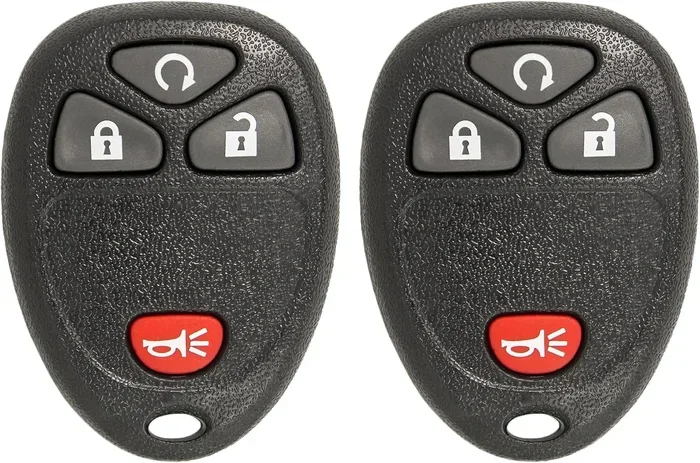
- One-way remote start: This basic system sends a signal from your key fob to the car. The car starts, but you do not get confirmation that it worked. It is affordable and easy to install.
- Two-way remote start: This system sends a signal and receives confirmation back. Your key fob will show that the car has started. It offers more reliability and peace of mind.
- Smartphone-controlled remote start: These advanced systems connect to your phone via an app. You can start your car from anywhere with internet access. Some even include GPS tracking and vehicle diagnostics.
For push-button start cars, two-way or smartphone-controlled systems are the best choice. They offer better integration with the car’s existing technology. A 7-inch display for car can also serve as a control screen in some setups, giving you a modern interface for your remote start system.
How Does Remote Start Work with Push-Button Ignition?
Adding remote start to a push-button car involves connecting the kit to the vehicle’s wiring harness. The bypass module plays a critical role here. It interfaces with the car’s immobilizer system and tricks it into allowing a remote start. Without this module, the car will not start because it does not detect the smart key inside the cabin.
The installation process typically involves these steps:
- The installer identifies the car’s wiring diagram and access points.
- A bypass module is connected between the remote start system and the car’s Engine Control Module.
- The remote start control module is wired into the ignition, starter, and accessory circuits.
- The system is programmed to match your key fob or smartphone app.
- The installer tests the system thoroughly to ensure it works safely.
This process requires a solid understanding of car electronics and the specific vehicle’s architecture. This is why professional installation is strongly recommended, especially for push-button start cars. A mistake during wiring can lead to electrical issues or even void your car’s warranty.
Role of the Bypass Module
The bypass module is the brain of the remote start system for push-button cars. It sits between the remote start controller and the car’s computer. When you press the remote start button, the bypass module sends a signal to the car’s ECM that mimics the presence of the smart key. The ECM then allows the engine to crank and start. Once the engine is running, the bypass module maintains this communication until you manually start the car with the key fob inside.
High-quality bypass modules are model-specific, meaning they are designed for particular car brands and years. This ensures a clean and safe installation. Always choose a kit that includes a bypass module compatible with your vehicle.
Benefits of Adding Remote Start to Your Push-Button Start Car
Adding a remote engine start system to your push-button start car comes with several real-world benefits. Here is why many car owners make this upgrade:
- Comfort in extreme weather: Pre-heat your car in winter or pre-cool it in summer before you step inside. This is especially valuable in regions with harsh climates.
- Engine health: Allowing your engine to warm up before driving reduces wear on cold components. It also helps the oil circulate faster.
- Security: Many remote start systems include car alarm integration. If someone tries to tamper with your vehicle while it is idling, the system triggers an alert.
- Convenience: You can start your car from inside your home or office. By the time you walk out, the cabin is comfortable.
- Resale value: A professionally installed remote start system can increase your car’s resale appeal. Many buyers look for this feature.
Some advanced systems also integrate with your car’s existing keyless entry system. This means your original key fob can double as the remote start controller. No need for an extra fob cluttering your pocket.
Installation Costs and Considerations
The cost of adding remote start to a push-button start car varies based on the kit type and your location. Here is a general breakdown:
| Kit Type | Kit Price Range | Installation Cost | Total Estimated Cost |
|---|---|---|---|
| Basic One-Way | $50 – $150 | $100 – $200 | $150 – $350 |
| Two-Way Remote | $150 – $350 | $150 – $300 | $300 – $650 |
| Smartphone-Controlled | $200 – $500 | $200 – $400 | $400 – $900 |
These prices are estimates and can vary based on your vehicle and installer. Luxury or European cars may require more complex installation, which can push costs higher. Always get a quote from a reputable installer before committing.
Will Remote Start Void Your Warranty?
This is one of the most common concerns among car owners. The Magnuson-Moss Warranty Act in the United States protects consumers from having their warranty voided simply because of aftermarket parts. However, if the remote start installation directly causes a problem, the manufacturer may deny the claim related to that issue.
To protect yourself, always have the system installed by a certified professional. Keep all receipts and documentation. Choose a kit that is known for being vehicle-friendly and non-invasive. This minimizes the risk of any warranty issues.
DIY vs. Professional Installation
Some car enthusiasts prefer to install remote start systems themselves. While this is possible, it is not recommended for push-button start cars. The wiring is complex, and the bypass module must be programmed correctly. A single wiring mistake can cause electrical gremlins that are hard to diagnose.
Professional installation ensures the system works safely and reliably. A skilled installer will also know how to route wires cleanly and hide them from view. This keeps your car looking factory-fresh while adding modern convenience.
Choosing the Right Remote Start System
Not all remote start systems are created equal. Here are the key factors to consider when choosing one for your push-button start car:
- Compatibility: Make sure the kit is designed for your specific car make and model. Universal kits work but may require more effort to install.
- Range: Standard remote start systems have a range of about 1,000 to 3,000 feet. Smartphone-controlled systems have virtually unlimited range as long as you have cell service.
- Security features: Look for systems with encrypted signals, anti-theft protection, and starter kill features.
- Ease of use: The system should be intuitive. If it requires too many steps to start, you will stop using it.
- Brand reputation: Stick with well-known brands like Compustar, Viper, DroneMobile, or Avital. These companies have proven track records and strong customer support.
When shopping, also consider the quality of the 12v power socket car connection if you plan to add accessories alongside your remote start. A reliable power source ensures all your car electronics work seamlessly together.
Common Mistakes to Avoid
Adding remote start to a push-button start car can go wrong if you are not careful. Here are common mistakes to avoid:
- Buying an incompatible kit: Not all kits support all cars. Always verify compatibility before purchasing.
- Skipping the bypass module: Without it, your push-button start car will not start remotely. This is non-negotiable.
- Choosing the cheapest option: Budget kits often lack security features and may interfere with your car’s electronics.
- Ignoring professional installation: A bad DIY install can cause electrical problems that cost far more to fix than professional installation would have.
- Forgetting about range: If you live in a densely built area or park far from home, a short-range remote may not reach your car.
Taking the time to research and plan your installation pays off in the long run. A properly installed remote start system adds years of comfort and convenience to your daily driving routine.
Expert Insights on Remote Start for Push-Button Cars
Industry professionals emphasize that push-button start cars require a more sophisticated approach to remote start installation. According to certified installers, the key is choosing a kit with a model-specific bypass module. Generic bypass modules may work, but they carry a higher risk of compatibility issues and electrical interference.
Experts also recommend considering the car’s existing smart key system when selecting a remote start kit. Some advanced kits integrate directly with the car’s original key fob, eliminating the need for a separate remote. This creates a seamless user experience that feels like a factory feature rather than an add-on.
Another expert tip is to check your car’s infotainment system. Some modern vehicles with large displays, similar to a 7 inch display for car setup, may require additional programming to integrate with aftermarket remote start systems. Always discuss your car’s tech features with your installer beforehand.
Final Thoughts
Adding remote start to a car with push-button start is absolutely possible and increasingly common. With the right kit, professional installation, and a bit of research, you can enjoy the comfort and convenience of starting your car from a distance. Whether you braving icy mornings or coming back to a hot car in summer, a remote start system makes a noticeable difference in your daily routine.
The investment is worthwhile for most car owners. A quality system typically costs between $300 and $700 installed, and it pays for itself in comfort and convenience over time. Just make sure you choose a compatible kit, work with a certified installer, and prioritize security features. Your car — and your comfort — will thank you.
So if you have been wondering whether your push-button start car can get a remote start upgrade, the answer is a clear yes. Take the next step, explore your options, and enjoy the modern convenience of starting your car with the push of a button — from anywhere.
Frequently Asked Questions
Can any push-button start car be fitted with a remote start system?
Most push-button start cars can be fitted with a remote start system, but compatibility depends on the make, model, and year. Always check with the kit manufacturer or a professional installer to confirm your specific vehicle is supported before purchasing.
Does adding a remote start system void my car’s warranty?
Not necessarily. The Magnuson-Moss Warranty Act protects consumers, but if the installation directly causes a problem, the manufacturer may deny the related claim. Professional installation and quality kits minimize this risk significantly.
How far can I start my car with a remote start system?
Standard one-way remotes typically have a range of 1,000 to 3,000 feet. Smartphone-controlled systems have unlimited range as long as you have an internet connection. Two-way remotes offer confirmation feedback within the standard range.
Is it safe to leave my car running with remote start?
Yes, modern remote start systems include safety features like automatic shutoff timers and steering wheel locks. The car will shut down if someone tries to move it without the key fob present. Always park in a well-ventilated area.
Can I install a remote start system myself?
While DIY installation is possible, it is not recommended for push-button start cars. The wiring complexity and need for bypass module programming make professional installation the safer and more reliable choice.
What is the best remote start brand for push-button start cars?
Compustar, Viper, and DroneMobile are among the top-rated brands for push-button start compatibility. They offer model-specific bypass modules, strong security features, and reliable customer support. Choose based on your budget and desired features.
=== CONCLUSION ===
Adding a remote start system to a car with push-button start is a practical and rewarding upgrade. The technology is mature, the kits are widely available, and professional installation makes the process smooth. From extreme weather comfort to enhanced security, the benefits are real and everyday. Do your research, pick a compatible kit, and work with a trusted installer. Your future self will appreciate the effort every time you step into a warm or cool car before you even turn the key.