How Do You Manually Disengage an Electric Parking Brake
Manually disengaging an electric parking brake (EPB) is simpler than most drivers think. You can release it using the brake pedal, a manual override lever, or a hidden release tool. This guide walks you through every method so you can handle a stuck or failed electric parking brake with confidence.
Have you ever parked your car, pressed the electric parking brake button, and then wondered how on earth you are going to release it? Maybe the button is stuck. Maybe the system is giving you an error message. Or maybe you are in a situation where you need to move the car but the electric parking brake just will not let go.
Whatever the reason, knowing how to manually disengage an electric parking brake is an essential skill every driver should have. Modern cars rely heavily on electronic systems, and the EPB system is no exception. When electronics fail or behave unpredictably, having a backup plan makes all the difference.
In this guide, we will walk you through every method to release an electric parking brake by hand. We will cover the standard release techniques, emergency overrides, and what to do when nothing seems to work. By the end, you will feel confident handling this common car maintenance situation on your own.
Key Takeaways
- Multiple release methods exist: You can use the brake pedal, a manual override, or an emergency release tool depending on your vehicle.
- Know your EPB system: Understanding how your electric parking brake works helps you troubleshoot problems faster and safer.
- Safety first: Always set the parking brake fully before attempting any disengagement procedure.
- Common issues are fixable: Stuck brakes, warning lights, and unresponsive buttons often have simple solutions.
- Professional help matters: Some EPB problems require a mechanic, especially when the brake caliper or control module fails.
- Preventive maintenance helps: Regular brake inspections and fluid checks reduce the risk of parking brake failures.
📑 Table of Contents
- What Is an Electric Parking Brake?
- Why Would You Need to Manually Disengage It?
- Method 1: Using the Brake Pedal to Release the EPB
- Method 2: Finding and Using the Manual Override
- Method 3: Using an Emergency Release Tool
- Common Electric Parking Brake Problems and Fixes
- Preventive Maintenance for Your Electric Parking Brake
- When to Call a Professional Mechanic
- Final Thoughts
What Is an Electric Parking Brake?
Before we dive into the release methods, let us quickly talk about what an electric parking brake actually is. Unlike traditional parking brakes that use a cable you pull with your hand, an electronic parking brake uses a motor and electronic controls to engage and release the brake.
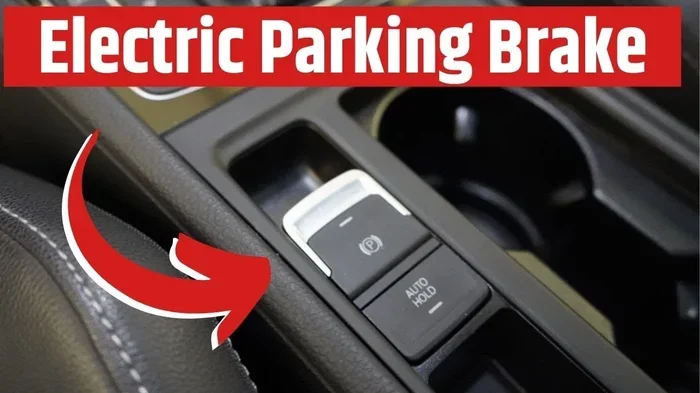
You typically activate it by pressing a button on the center console or dashboard. When you press it, a small motor tightens the parking brake cable or engages the brake caliper directly. When you release it, the motor reverses and lets go.
Many modern vehicles come with EPB as standard equipment. It is convenient, compact, and eliminates the need for a traditional hand lever. But convenience comes with a trade-off. When the electronic system malfunctions, you need to know how to take over manually.
How the EPB System Works
The EPB control module receives signals from the button you press. It then sends power to a small electric motor. That motor either pulls the cable or pushes a piston to apply the brake. The entire process happens in seconds.
Most systems also include sensors that detect whether the brake is fully engaged or released. If a sensor fails or the motor jams, the system may not respond to the button. This is when you need to know the manual release options.
Why Would You Need to Manually Disengage It?
There are several real-world situations where you might need to bypass the electric parking brake. Understanding these scenarios helps you prepare.
- Dead battery: If your car battery dies, the EPB motor may not have enough power to release the brake electronically.
- Button malfunction: The button or switch can wear out or get stuck over time.
- Error message: The dashboard might display a brake warning light that prevents normal operation.
- After a collision: Accident impacts can damage the EPB module or wiring.
- Water or ice damage: Extreme weather can freeze or corrode components.
- Routine maintenance: Mechanics sometimes need to manually release the brake during repairs.
Each of these situations is manageable if you know the right steps. Let us get into the methods now.
Method 1: Using the Brake Pedal to Release the EPB
The most common way to manually disengage an electric parking brake is by using the brake pedal. Most vehicles with EPB are designed to release the parking brake when you press the brake pedal and start the engine.
Step-by-Step Process
- Sit in the driver seat and press the brake pedal firmly with your right foot.
- Turn the ignition key or press the push-start button to power on the vehicle.
- While keeping pressure on the brake pedal, press the electric parking brake button.
- The brake should release with a click or a slight lowering sensation.
- Check the dashboard for any remaining brake warning lights.
This method works on most vehicles because the EPB system is designed to integrate with the brake pedal signal. The car’s computer recognizes that the driver is actively braking and allows the parking brake to release safely.
Quick Tip: If the brake pedal feels spongy or unresponsive, check your brake fluid level first. Low fluid can affect the entire brake system, including the EPB.
Method 2: Finding and Using the Manual Override
Many vehicles have a hidden manual override for the electric parking brake. This is a backup mechanism that lets you release the brake even if the electronic system completely fails.
Where Is the Manual Override Located?
The location varies by manufacturer and model. Here are the most common spots:
- Under the center console: Look for a small rubber cover or removable panel near the gear shifter.
- Behind a access panel near the trunk: Some models hide the override near the rear brake assembly.
- Inside the trunk area: Certain vehicles place it near the spare tire or trunk floor.
- Under the dashboard: A few models have a lever or cable accessible from beneath the steering column.
Check your vehicle owner’s manual to find the exact location. The manual override usually looks like a small wrench icon or a colored pull handle.
How to Use It
Once you locate the override, the process is straightforward. Pull or turn the override mechanism according to the markings. You will feel the brake release as the mechanical connection disengages from the motor or cable.
Expert Insight: Always consult your owner’s manual before attempting the manual override. Different brands use different mechanisms, and pulling the wrong component can cause damage.
Method 3: Using an Emergency Release Tool
Some vehicles come with a dedicated emergency release tool. This is usually a small hex key or Allen wrench stored in the trunk or under the floor mat.
Steps to Use the Emergency Tool
- Locate the tool storage area in your vehicle. Check the trunk, under the floor mat, or in the tool kit.
- Identify the EPB emergency release socket or slot on the rear brake assembly or center console.
- Insert the tool and turn it in the direction indicated by the arrow or markings.
- The parking brake should disengage with moderate force.
- Remove the tool and verify the brake is fully released before driving.
This method is especially useful when the vehicle has no power at all. Since it is a purely mechanical process, it does not rely on electricity or electronics.
Quick Tip: Keep the emergency release tool in a known, accessible location at all times. Label it clearly so anyone driving the vehicle can find it in an emergency.
Common Electric Parking Brake Problems and Fixes
Electric parking brakes can develop issues over time. Here are the most common problems and how to address them.
| Problem | Likely Cause | Fix |
|---|---|---|
| EPB button does not respond | Dead battery or faulty switch | Jump-start the battery or replace the switch |
| Brake warning light stays on | Sensor malfunction or low fluid | Check sensors and top off brake fluid |
| Brake will not release electronically | Motor failure or cable jam | Use manual override or emergency tool |
| Brake releases but re-engages | Software glitch or faulty control module | Reset the system or visit a mechanic |
| Grinding noise when engaging | Worn brake pad or debris in caliper | Inspect and replace brake components |
Most EPB issues are minor and easy to fix. However, persistent problems should be inspected by a professional. Ignoring brake warning lights can lead to serious safety hazards.
Preventive Maintenance for Your Electric Parking Brake
Prevention is always better than repair. Regular maintenance keeps your electric parking brake working smoothly and extends the life of the entire brake system.
Simple Maintenance Tips
- Check your brake fluid level every month and top it off as needed.
- Listen for unusual sounds when engaging or releasing the parking brake.
- Have your brake pads inspected during every oil change.
- Keep the EPB button and surrounding area clean and free of debris.
- Avoid leaving the parking brake engaged for extended periods in wet or icy conditions.
- Schedule a brake system inspection at least twice a year.
These simple habits go a long way. They help prevent the kind of failures that leave you stranded or searching for a manual release method.
For more tips on keeping your vehicle in top shape, check out our article on how often you should wash your car to protect the exterior and underlying components from corrosion.
When to Call a Professional Mechanic
While many EPB issues can be resolved at home, some situations require professional attention. You should call a mechanic if:
- The brake warning light flashes continuously after you try all release methods.
- You smell burning or notice fluid leaking near the brake components.
- The brake caliper appears damaged or seized.
- The EPB control module needs reprogramming or replacement.
- You are unsure about any step in the manual release process.
Brake systems are critical to vehicle safety. When in doubt, it is always better to seek professional help. A qualified mechanic can diagnose the root cause and ensure your brake system is fully functional.
For information on other common car issues, our article on whether electric cars can overheat covers related vehicle maintenance concerns that every car owner should know about.
Final Thoughts
Knowing how to manually disengage an electric parking brake gives you peace of mind and practical independence. Whether you are dealing with a dead battery, a stuck button, or a malfunctioning system, you now have the tools and knowledge to handle it.
Remember the three main methods: use the brake pedal, locate the manual override, or grab the emergency release tool. Each method is designed to keep you safe and mobile when the electronic system lets you down.
Stay proactive with your brake maintenance. Check your fluid levels, listen for warning sounds, and never ignore a brake warning light. Your parking brake is one of the most important safety features on your vehicle, and taking care of it pays off every time you drive.
Understanding your electric parking brake also helps you make smarter decisions about vehicle ownership. It builds confidence, reduces downtime, and keeps you prepared for the unexpected. Share this guide with fellow drivers who might benefit from it, and keep the knowledge handy for your next roadside situation.
Frequently Asked Questions
Can you drive with the electric parking brake partially engaged?
Driving with the EPB partially engaged can damage the brake motor and caliper. It may also create a burning smell or reduce braking performance. If you notice the parking brake is not fully releasing, stop driving and address the issue immediately.
What does the EPB warning light mean?
The EPB warning light usually indicates a problem with the electric parking brake system. It could be a sensor issue, low brake fluid, or a malfunctioning motor. Check your owner’s manual for the specific symbol and recommended action for your vehicle.
Is it safe to use the manual override while driving?
No. The manual override is designed for stationary vehicles only. Using it while driving can cause sudden loss of braking force and lead to dangerous situations. Always ensure the vehicle is completely stopped before attempting any manual release.
How much does it cost to repair an electric parking brake?
Costs vary depending on the issue. Simple fixes like replacing a switch or sensor may cost between $100 and $300. More complex repairs involving the control module or brake caliper can range from $300 to $800. Always get a professional diagnosis before committing to repairs.
Can cold weather affect the electric parking brake?
Yes. Extreme cold can freeze the parking brake cable or cause the brake caliper to seize temporarily. If your EPB is stuck in freezing conditions, try warming the vehicle in a heated garage or using a gentle manual override method.
Do all cars with electric parking brakes have a manual release option?
Most modern vehicles with EPB include a manual override or emergency release tool. However, the location and method vary by manufacturer. Always check your vehicle owner’s manual to confirm the specific release options available for your model.