Can a Check Engine Light Go Off by Itself for No Reason
Yes, a check engine light can go off by itself, and it happens more often than you might think. A loose gas cap, temporary sensor glitch, or minor emission issue can trigger the light and then let it turn off on its own. However, just because the light disappears does not mean the problem is gone. This guide covers the real reasons your check engine light turns off, when it is safe to ignore it, and when you need to see a mechanic right away.
You are driving down the road, minding your own business, when you glance at the dashboard. The check engine light is on. You feel a little jolt of panic. But then, a few days later, it just goes away. No warning. No explanation. Just gone.
It is one of the most confusing things a car owner can experience. You wonder if it was even real. Did your car fix itself? Should you be relieved or worried? The truth is that a check engine light turning off by itself is more common than most people realize. But it does not always mean everything is fine.
In this article, we are going to break down exactly why this happens. We will look at the most common causes, whether it is safe to ignore, and what you should do next. Whether you are a seasoned driver or someone who just started driving, this guide will help you understand your dashboard warning light like never before.
So let us get into it. No jargon. No confusing mechanic talk. Just clear, practical answers about your check engine light and what it is trying to tell you.
Key Takeaways
- A loose or faulty gas cap is the most common reason a check engine light turns off by itself.
- Temporary sensor glitches can trigger the light and then resolve without any intervention.
- The light coming back on is a warning sign that the underlying issue may still exist.
- An OBD-II scanner can read stored fault codes even after the light goes off.
- Ignoring a check engine light can lead to expensive repairs down the road.
- Some issues resolve on their own but still deserve a professional diagnostic check.
- Flashing lights are emergencies that require immediate attention.
📑 Table of Contents
- What Does the Check Engine Light Actually Mean?
- Can a Check Engine Light Go Off by Itself?
- Why You Should Never Ignore a Check Engine Light
- How to Diagnose the Problem When the Light Is Off
- Common Causes That Trigger the Check Engine Light
- When the Check Engine Light Goes Off and Comes Back
- Can You Still Drive with the Check Engine Light Off?
- Expert Tips to Prevent Check Engine Light Issues
- Conclusion
What Does the Check Engine Light Actually Mean?
The check engine light is part of your vehicle’s onboard diagnostics system. This system has been in every car since the 1990s. It monitors all the sensors and systems that keep your engine running properly.
When something is not right, the system stores a diagnostic trouble code, also called a fault code. This code triggers the light on your dashboard. The light can look different depending on your vehicle. Some cars show a yellow engine shape. Others say “CHECK ENGINE” in plain text.
Here is the thing most people do not know. The onboard diagnostics system does not just turn the light on. It also tracks how serious the problem is. A steady light usually means a minor issue. A flashing light means something serious is happening right now. Understanding this difference can save you a lot of stress and money.
Steady Light vs. Flashing Light
A steady check engine light is usually less urgent. It means the system has detected a problem but it is not an immediate emergency. Common causes include a loose gas cap or a minor sensor issue. You can often drive a short distance to a safe location or mechanic.
A flashing check engine light is a completely different story. It means the problem is severe enough to potentially damage your catalytic converter or other expensive parts. If your light is flashing, you should pull over safely and get your vehicle towed. Do not keep driving.
Can a Check Engine Light Go Off by Itself?
The short answer is yes. A check engine light can turn off by itself. But that does not mean the problem is solved. Let us look at the most common reasons this happens.
Loose or Faulty Gas Cap
This is the number one reason a check engine light turns on and then goes off. The gas cap seals your fuel system. When it is loose, cracked, or missing, fuel vapors can escape. This triggers the emission system warning. The onboard diagnostics system sees a leak in the fuel vapor system.
Here is what happens next. You tighten the gas cap. The system runs a self-check. If the leak is gone, the light turns off. Sometimes it happens right away. Other times it takes a few drive cycles. A drive cycle means driving the car a certain distance under specific conditions.
Pro tip: Do not ignore a gas cap issue. Even if the light goes off, a loose gas cap wastes fuel and increases emissions. A new gas cap costs just a few dollars and can save you money at the pump.
Temporary Sensor Glitch
Modern cars have dozens of sensors. The oxygen sensor, mass airflow sensor, and manifold absolute pressure sensor all work together to keep your engine running smoothly. Sometimes, one of these sensors sends a false reading. This can trigger the check engine light temporarily.
Once the sensor reading returns to normal, the system clears the code. The light goes off. This happens more often in extreme temperatures. A very hot day or a freezing cold morning can cause sensors to behave oddly. The issue resolves on its own, and the light disappears.
However, a sensor that glitches once may glitch again. If you notice the light coming back, it is time for a professional vehicle diagnostics check. Recurring sensor problems can point to a deeper issue.
Minor Emission System Issues
Your car’s emission system controls the pollutants that come out of the exhaust. The catalytic converter, oxygen sensors, and evaporative emission control system all play a role. Sometimes a minor issue in this system will trigger the light and then resolve.
For example, a small vacuum leak might trigger the light on a cold morning. As the engine warms up and seals expand, the leak closes. The light goes off. This type of issue is common in older vehicles or cars with high mileage.
Even if the light goes off, the diagnostic trouble code is still stored in the computer. A mechanic can read this code with an OBD-II scanner. This is why getting a diagnostic test is so important, even when the light is off.
Fuel Quality Issues
Bad fuel can cause all sorts of problems. Water contamination, low octane, or dirty fuel can all trigger the check engine light. In some cases, switching to a different gas station with better fuel quality resolves the issue.
The system detects the problem, logs a fault code, and turns on the light. When you fill up with cleaner fuel the next time, the problem may correct itself. The light goes off after a few drive cycles.
If you ever suspect bad fuel, do not just ignore it. Bad fuel can cause engine misfires, reduced performance, and long-term damage. Consider getting a fuel system cleaning if this happens more than once.
Why You Should Never Ignore a Check Engine Light
It is tempting to just wait for the light to go away. Maybe it did go away, and everything seems fine. But ignoring a check engine light is one of the biggest mistakes car owners make. Here is why.
First, the light came on for a reason. Something triggered the onboard diagnostics system. Even if the issue seems minor now, it can grow into a major problem. A small sensor issue today can become a costly repair next month.
Second, your car’s emission system affects fuel economy. A problem that triggers the check engine light often means your engine is not running efficiently. You might notice slightly lower gas mileage before the light even comes on. By the time the light appears, the problem has already been hurting your fuel economy for a while.
Third, some issues that trigger the light can affect safety. A misfire, for example, can cause the engine to stall. A failing catalytic converter can lead to exhaust problems. These are not just inconvenience issues. They are safety concerns.
The Hidden Cost of Delaying Repairs
Here is a real-world example. A driver notices the check engine light comes on. It goes off after a day. They do nothing. Six months later, the light comes back. This time, the mechanic finds a failing catalytic converter. The repair costs over a thousand dollars.
Had the driver gotten a diagnostic check when the light first appeared, the fix might have been a simple oxygen sensor replacement. That would have cost under a hundred dollars. The delay turned a small fix into a big expense.
This is why early detection matters. The sooner you address a check engine light, the less it costs to fix. A simple diagnostic scan can save you hundreds or even thousands of dollars in the long run.
How to Diagnose the Problem When the Light Is Off
So the light is off now. The car seems fine. What should you do? You have a few options.
Option 1: Use an OBD-II Scanner
An OBD-II scanner is a handy tool every car owner should have. You plug it into the diagnostic port under your steering column. The scanner reads the stored codes even if the light is off.
These scanners are affordable. You can buy a basic one for under forty dollars. Some Bluetooth-enabled scanners connect to your phone through an app. They give you plain-English explanations of what the codes mean.
Keep in mind that a stored code does not always mean something is wrong right now. Sometimes the system logs a code and then clears it after a few successful drive cycles. But if you see the same code pop up repeatedly, that is a sign of a real problem.
Option 2: Visit a Auto Parts Store
Many auto parts stores offer free diagnostic checks. They will plug in their scanner and read the codes for you. This is a great first step if you do not own a scanner.
Just remember that free scans at stores like AutoZone or O’Reilly are not a replacement for a full diagnostic. They can tell you what code triggered the light, but they cannot always tell you the root cause. A professional mechanic will perform a thorough vehicle diagnostics to find the real issue.
Option 3: See a Professional Mechanic
If you want the most accurate diagnosis, see a trusted mechanic. They have professional-grade tools and years of experience. A mechanic can test sensors, check for vacuum leaks, and inspect the entire emission system.
When you visit a mechanic, mention that the light came on and then went off. This information helps them narrow down the possible causes. They will know to look for intermittent issues that may not be present during the inspection.
Common Causes That Trigger the Check Engine Light
Understanding what triggers the light can help you prevent future issues. Here are the most common causes.
- Loose or damaged gas cap – The most common and easiest fix.
- Failing oxygen sensor – Monitors exhaust gases. A bad sensor reduces fuel efficiency.
- Catalytic converter failure – A serious and expensive repair if ignored.
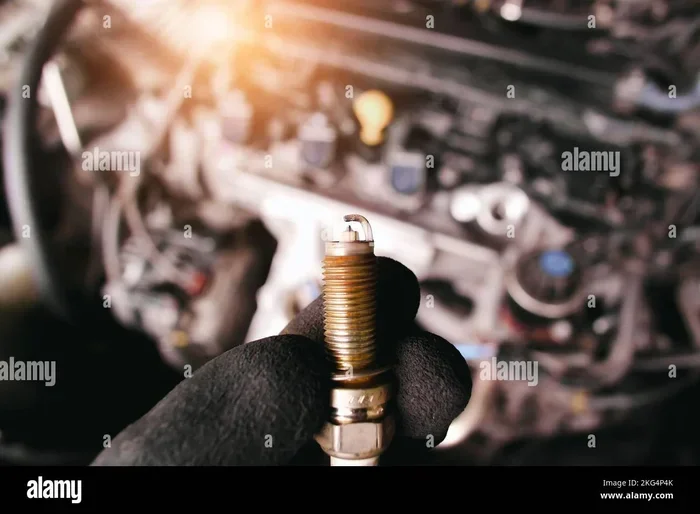
- Worn spark plugs or wires – Can cause engine misfires and rough idling.
- Mass airflow sensor issues – Affects the air-fuel mixture and engine performance.
- Vacuum leaks – Small leaks in the intake system can trigger the light.
- Bad fuel or contaminated diesel – Can cause multiple sensor codes at once.
- EGR valve problems – The exhaust gas recirculation valve can fail over time.
Notice how many of these issues are small and preventable. Regular car maintenance can catch most of these problems before they trigger the light. Stick to your vehicle’s maintenance schedule and you will save yourself a lot of headaches.
When the Check Engine Light Goes Off and Comes Back
Sometimes the light turns off and then comes back a few days later. This pattern is a red flag. It means the issue is intermittent but real.
Intermittent problems are tricky. They might only show up when the engine is cold, when it is hot outside, or when you are driving at a certain speed. These conditions make it hard to diagnose the problem without professional help.
If your check engine light follows this pattern, do not ignore it. Write down when the light comes on and what conditions you were driving in. This information is gold for any mechanic trying to diagnose the issue.
Some drivers make the mistake of clearing the code and hoping it stays off. While this resets the light temporarily, it does not fix the underlying problem. The code will return, and the light will come back on. Better to address the root cause directly.
Can You Still Drive with the Check Engine Light Off?
If the light was on and is now off, you can usually drive safely. But use your judgment. If the light came on because of a serious issue like an engine misfire, driving could cause more damage.
Here are some guidelines to follow:
- Check for other warning lights. If the temperature gauge is in the red or the oil pressure light is on, do not drive. These are separate emergencies.
- Listen to your engine. Does it sound rough? Are there unusual noises? Trust your ears.
- Watch your performance. If the car is stalling, jerking, or losing power, get it checked immediately.
- Get a diagnostic scan. Even if the car seems fine, read the stored codes. You might catch a problem before it gets worse.
Remember, your car’s onboard diagnostics system is designed to protect you and your vehicle. When the light comes on, it is trying to tell you something. Listening to that message is always better than ignoring it.
Expert Tips to Prevent Check Engine Light Issues
Prevention is always better than repair. Here are some simple habits that can help keep your check engine light off.
- Tighten your gas cap every time you fill up. Make sure you hear it click.
- Use quality fuel from reputable stations. Avoid gas stations with long lines that might have older fuel.
- Stay on top of regular maintenance. Oil changes, spark plug replacements, and air filter changes all help.
- Do not ignore small symptoms. A slight rough idle or minor hesitation can be an early sign of a bigger problem.
- Keep your car’s software updated. Some manufacturers release updates that improve sensor calibration and reduce false alerts.
These small steps add up over time. They keep your engine healthy, your fuel economy high, and your dashboard warning light off where it belongs.
Conclusion
A check engine light can go off by itself, and in many cases, the cause is minor and temporary. A loose gas cap, a brief sensor glitch, or a minor emission issue can all trigger the light and then let it go. But the light going off does not mean the problem is solved. The fault code is still stored in your vehicle’s computer, and the issue may return.
The best thing you can do is stay proactive. Get a diagnostic scan, even if the light is off. Address small issues before they become big ones. And trust your instincts. If something feels off with your car, get it checked out.
Your vehicle talks to you through those dashboard lights. Learning to listen is one of the best things you can do as a car owner. A little attention today can save you a lot of trouble and expense tomorrow.
If you are dealing with a check engine light right now, take it seriously. Whether it is on or off, understanding what caused it puts you in control of your vehicle’s health and your wallet.
Frequently Asked Questions
Is it safe to drive if my check engine light goes off?
In most cases, yes. If the light came on briefly and went off, the issue was likely minor, like a loose gas cap. However, if the light was flashing or came with other symptoms like rough idling or stalling, do not drive. Get a diagnostic scan to be safe.
Can a check engine light reset itself after fixing the problem?
Yes. Once the issue is resolved, the onboard diagnostics system runs a self-check over several drive cycles. If everything looks normal, it clears the fault code and turns off the light. This usually takes a few days of normal driving.
How much does it cost to get a check engine light diagnosed?
Many auto parts stores offer free diagnostic scans. A professional mechanic may charge between 50 and 150 dollars for a full diagnostic. The cost depends on your location and the complexity of the issue.
What should I do if my check engine light keeps coming back?
A recurring light means the problem is intermittent but real. Get a professional diagnostic as soon as possible. Write down when the light appears and what conditions you were driving in. This helps the mechanic pinpoint the issue faster.
Can bad gas cause the check engine light to come on?
Yes. Contaminated or low-quality fuel can trigger the light. It can cause misfires, sensor errors, and emission problems. If you suspect bad fuel, try filling up at a different station and see if the light clears after a few drive cycles.
Will my car pass emissions with the check engine light off but a stored code?
In most states, a stored fault code will cause your vehicle to fail an emissions test even if the light is off. The OBD-II system reports stored codes during the test. Have the codes cleared and the issue fixed before your emissions inspection.