Does Car Insurance Cover Repairs for Damaged Vehicles
Does car insurance cover repairs? The answer depends on your policy type, the cause of damage, and your coverage limits. Comprehensive and collision coverage typically pay for repairs after accidents or non-collision events, while liability-only policies usually do not. Understanding what your insurance policy includes can save you thousands in out-of-pocket expenses.
Have you ever come out to your car only to find a huge dent, a shattered windshield, or damage you cannot explain? Your first thought is probably, “Will my car insurance cover this?” It is a question almost every driver asks at some point. The answer is not always simple. Does car insurance cover repairs? It depends on several factors, including your policy type, the cause of the damage, and the details of your agreement with your insurer.
Understanding your coverage can save you from surprise bills and unnecessary stress. This guide breaks down everything you need to know about car insurance and vehicle repairs. We will walk through the different types of coverage, when insurance pays for fixes, when it does not, and how to file a claim the right way. By the end, you will feel confident about what your policy actually covers.
Key Takeaways
- Coverage Type Matters: Liability, comprehensive, and collision policies cover repairs differently.
- Fault Determines Payment: Your insurance may pay if you are at fault or if the other driver is responsible.
- Deductibles Apply: You must pay your deductible before insurance covers the remaining repair costs.
- Wear and Tear Is Not Covered: Insurance does not pay for normal maintenance or pre-existing damage.
- Filing a Claim Has Consequences: Claims can raise your insurance premium, so weigh the cost carefully.
- Read Your Policy: Always review your policy details to know exactly what is and isn’t covered.
📑 Table of Contents
- What Does Car Insurance Cover?
- When Does Insurance Cover Vehicle Repairs?
- When Does Insurance NOT Cover Repairs?
- How to File a Repair Claim
- How Filing a Claim Affects Your Premiums
- Tips to Maximize Your Insurance Coverage for Repairs
- Common Mistakes Drivers Make With Insurance Claims
- What to Do If Your Claim Is Denied
- Conclusion
What Does Car Insurance Cover?
Car insurance is not one single thing. It is a bundle of different coverage types. Each type handles a different kind of situation. Knowing what each one does is the first step to understanding whether your repairs will be paid for.
Most drivers in the United States carry a mix of liability coverage, comprehensive coverage, and collision coverage. Some states require certain types by law. Others are optional. The combination you choose directly affects whether your insurer will pay for repairs.
Here is a quick look at the main types of coverage and what they do:
- Liability Coverage: Pays for damage you cause to other people or their property. It does not pay for repairs to your own vehicle.
- Collision Coverage: Pays for damage to your car from a crash, regardless of who is at fault.
- Comprehensive Coverage: Pays for non-collision damage like theft, fire, flooding, hail, or falling objects.
- Uninsured/Underinsured Motorist Coverage: Pays for your repairs if the other driver has no insurance or not enough.
- Personal Injury Protection: Covers medical costs, not vehicle repairs.
So if you only have liability coverage, your insurer will not pay for repairs to your own car. This is a common mistake many drivers make. They assume full coverage means everything is covered. In reality, “full coverage” is a term that usually means liability plus collision and comprehensive. But even then, there are limits and exceptions.
Why Your Coverage Type Is So Important
The type of policy you hold is the single biggest factor in whether your repairs get paid. A driver with only state-minimum liability insurance will have a very different experience than a driver with a full policy that includes collision and comprehensive coverage.
Let us say you hit a deer on the highway. Your bumper gets damaged. If you have comprehensive coverage, your insurer should pay for the repairs (minus your deductible). If you only have liability coverage, you will pay out of pocket. This is why understanding your policy is so important.
When Does Insurance Cover Vehicle Repairs?
Insurance companies pay for repairs in specific situations. Here are the most common scenarios where your policy should kick in and cover the cost of fixing your vehicle.
At-Fault Accidents
If you cause a collision, your collision coverage pays for repairs to your own car. The other driver’s liability coverage pays for damage to their vehicle. This is how the system works in at-fault states. You file a claim with your own insurer, and they handle the payout up to your coverage limits.
Keep in mind that your deductible applies here. If your deductible is $500 and the repair costs $3,000, your insurer pays $2,500 and you pay $500. Deductibles can range from $250 to $1,000 or more, depending on your policy.
Not-At-Fault Accidents
If someone else hits your car and they are at fault, their insurance should pay for your repairs. In many states, you can file a claim with their insurer directly. Some drivers choose to use their own collision coverage instead, which can speed up the process. Their insurer pays the bill, and then they go after the at-fault driver’s company for reimbursement. This is called subrogation.
Non-Collision Events
Comprehensive coverage handles a wide range of non-crash events. These include:
- Hail damage from a storm
- Flooding or water damage
- Theft or vandalism
- Falling tree branches or debris
- Fire damage
- Animal collisions (in some policies)
These situations are not your fault, and that is exactly what comprehensive coverage is designed for. If a heavy branch falls on your car during a storm, your comprehensive policy should cover the repair costs.
When Another Driver Damages Your Car
If someone else damages your parked car and leaves the scene, you may still be covered. If you have uninsured motorist coverage or comprehensive coverage, your insurer can step in. This is also true if a driver hits your car and does not have insurance. Your policy protects you in these frustrating situations.
For example, if you return to a parking lot and find a dent with no note left behind, your comprehensive or uninsured motorist coverage can help pay for the fix. However, you will still need to pay your deductible in most cases.
When Does Insurance NOT Cover Repairs?
Just as important as knowing when insurance pays is understanding when it does not. There are many situations where your insurer will deny a repair claim. Being aware of these can prevent disappointment and unexpected bills.
Normal Wear and Tear
Insurance is not a maintenance plan. It does not cover gradual wear and tear. If your brake pads are worn down after 40,000 miles, your insurer will not pay for new ones. If your tires are balding, that is not a covered repair. These are considered normal costs of owning a vehicle.
This is a key distinction that many drivers misunderstand. Car insurance covers sudden, unexpected damage — not the slow decline of parts over time. Regular oil changes, tire rotations, and brake replacements are your responsibility.
Pre-Existing Damage
If your car already had damage before you filed a claim, the insurer will not pay for that damage. For example, if you had a small dent from a previous incident and then get into a new accident, the insurer only covers the new damage. They will not pay for the old dent that was already there.
Mechanical Failures
Standard car insurance does not cover mechanical breakdowns. If your engine fails, your transmission slips, or your electrical system shorts out, that is not a covered event. These are mechanical issues, not accident-related damage.
However, there is a nuance here. If a mechanical failure causes a crash, your collision coverage may pay for the crash damage. But the underlying mechanical issue itself is still not covered. For instance, if your brakes fail and you hit a guardrail, the collision coverage pays for the guardrail damage and your car’s damage from the impact — but not the brake repair that caused the failure.
Intentional Damage
If you or someone else intentionally damages your vehicle, insurance will not cover it. This includes keying, deliberate vandalism by the owner, or damage caused during illegal activity. Filing a claim for intentional damage is insurance fraud and can result in serious consequences.
Driving Under the Influence or Without a Valid License
Most policies include a clause that excludes coverage if you are driving under the influence of alcohol or drugs. Similarly, if you are driving without a valid license, your insurer may deny the claim. This is one reason why it is so important to drive safely and legally at all times.
Using Your Car for Commercial Purposes
If you use your personal vehicle for rideshare driving, delivery services, or other commercial activities, your standard policy may not cover damage during those activities. You need a commercial or rideshare endorsement for that type of coverage. Without it, your insurer can deny the claim.
How to File a Repair Claim
Filing a claim can feel intimidating, but it does not have to be. The process is straightforward if you know the steps. Here is how to go about it.
Step 1: Document the Damage
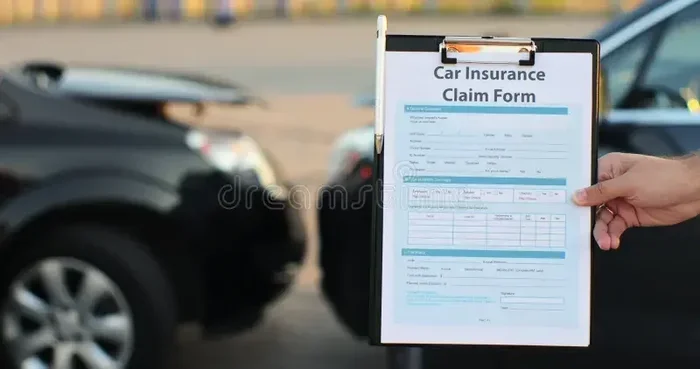
Before you do anything else, take photos. Capture every angle of the damage. Get close-ups of dents, scratches, and broken parts. If there was an accident, take photos of the scene, the other vehicle, and any relevant road conditions. This evidence is crucial for your claim.
Step 2: Contact Your Insurance Company
Call your insurer or use their app to report the incident as soon as possible. Most companies have a 24-hour claims hotline. Provide all the details honestly and clearly. The sooner you report, the better your chances of a smooth process.
Your insurer may also send an insurance adjuster to assess the damage. The adjuster determines how much the repairs will cost and whether the claim falls within your coverage.
Step 3: Get a Repair Estimate
Most insurers have preferred repair shops, but you usually have the right to choose your own shop. Get an estimate from a reputable repair facility. Share that estimate with your insurer. They may send their own adjuster to verify the cost.
If your car stopped running while driving and won’t start, for example, you would document that situation, contact your insurer, and get an estimate from a trusted mechanic. The adjuster would then determine if the cause of the damage is covered under your policy.
Step 4: Pay Your Deductible
Once the claim is approved, you pay your deductible. Your insurer covers the rest up to your policy limits. The repair shop usually coordinates directly with the insurance company for payment.
Step 5: Get Your Car Back
After the repairs are completed, you pick up your vehicle. Make sure to inspect the work before you drive off. Ask about warranties on the repairs and keep all documentation for your records.
How Filing a Claim Affects Your Premiums
One of the biggest concerns drivers have is whether filing a claim will raise their insurance rates. The short answer is: it might.
Insurance companies view frequent claims as a sign of higher risk. If you file a claim, especially one where you are at fault, your insurance premium could increase at your next renewal. The amount of the increase depends on your insurer, your state, and your claims history.
Here are some things to consider before filing a claim:
- How much does the repair cost?
- How much is your deductible?
- Will filing a claim raise your premium more than the repair cost?
- Is the other driver at fault?
If the repair cost is close to or less than your deductible, it might make more sense to pay out of pocket. For example, if a repair costs $600 and your deductible is $500, your insurer only pays $100. The premium increase could end up costing more than that $100 over the next few years.
On the other hand, if the damage is extensive and costs several thousand dollars, filing a claim almost always makes sense. The key is weighing the short-term cost against the long-term impact on your rates.
Tips to Maximize Your Insurance Coverage for Repairs
You can take proactive steps to make sure you get the most out of your policy. Here are some practical tips every driver should know.
Review Your Policy Regularly
Do not just set your policy and forget about it. Review it at least once a year. Make sure your coverage limits still make sense for your situation. If you have added new accessories or made upgrades to your vehicle, you may need to adjust your coverage.
Before you purchase a vehicle, you might want to check if you can negotiate on a factory order car to get better terms or discounts that could lower your overall insurance costs.
Know Your Deductible
Understand exactly what your deductible is and how it affects your out-of-pocket costs. If you have a high deductible, your premiums are lower, but you pay more when a claim happens. If you have a low deductible, your premiums are higher, but you pay less at the time of a claim.
Keep Records of All Repairs
Save every receipt and invoice related to your vehicle. This helps you track maintenance and provides documentation if you ever need to dispute a claim or prove that damage was not pre-existing.
Ask About Gap Coverage
If you have a loan or lease on your vehicle, gap coverage can be invaluable. It pays the difference between what you owe on the vehicle and its actual cash value. While gap coverage does not directly pay for repairs, it protects you financially if your car is totaled.
Get Multiple Estimates
Do not accept the first estimate you receive. Get at least two or three from different shops. This gives you leverage and ensures you are not overpaying. Your insurer may push for a lower estimate, but you have the right to advocate for fair repair costs.
Understand Your Policy Exclusions
Every policy has exclusions — situations where coverage does not apply. Read the fine print. Know what is not covered so there are no surprises when you file a claim. If something is unclear, call your agent and ask directly.
Common Mistakes Drivers Make With Insurance Claims
Avoiding these common mistakes can save you time, money, and frustration.
- Waiting too long to report: Delays can lead to claim denials. Report incidents as soon as possible.
- Not documenting enough: Photos and written notes are your best friend during a claim.
- Admitting fault at the scene: Let the insurance companies determine fault. Do not admit blame on the road.
- Choosing the cheapest repair shop: Quality matters. A cheap fix today can lead to bigger problems tomorrow.
- Ignoring small damage: Small damage can become bigger problems if left unrepaired. Address issues promptly.
- Assuming all damage is covered: Not all damage qualifies for coverage. Know your policy inside and out.
What to Do If Your Claim Is Denied
Sometimes claims get denied. This does not always mean you are out of luck. Here is what you can do.
First, ask for a written explanation of why the claim was denied. Insurers are required to provide a reason. Read it carefully and check for errors. Sometimes denials are based on simple mistakes or misunderstandings.
If you believe the denial is unfair, you can appeal the decision. Contact your insurer’s claims department and present your case. You can also file a complaint with your state’s insurance commissioner. They can investigate and help resolve disputes between you and your insurer.
In some cases, you may want to consult an attorney who specializes in insurance claims. They can advise you on your rights and whether you have grounds for a dispute or lawsuit.
Conclusion
So, does car insurance cover repairs? The answer is: it depends. Your coverage type, the cause of the damage, and the specifics of your policy all play a role. Comprehensive and collision coverage are the primary types that pay for vehicle repairs. Liability-only policies generally do not cover damage to your own car.
Understanding your policy, knowing when to file a claim, and avoiding common mistakes can make a huge difference. Take the time to review your coverage regularly. Ask questions. Stay informed. Being proactive about your insurance is one of the best things you can do as a vehicle owner.
Repairs can be expensive, but the right insurance coverage can take the financial sting out of unexpected damage. Know your policy, understand your limits, and drive with confidence knowing you are protected.
Frequently Asked Questions
Does full coverage car insurance pay for all repairs?
No, full coverage does not mean every repair is covered. It typically includes liability, collision, and comprehensive coverage. However, it does not cover wear and tear, mechanical failures, or damage from intentional acts. Always read your policy to understand the exact limits and exclusions.
Will filing a repair claim raise my insurance rates?
It might, especially if you are at fault. Not-at-fault claims usually have less impact on your rates. Some insurers offer accident forgiveness programs that protect your premium after your first claim. The impact depends on your insurer, your state, and your claims history.
How long does it take for an insurance company to process a repair claim?
The timeline varies. Simple claims can be processed in a few days. Complex claims involving extensive damage or disputes may take several weeks. The key is to report the incident promptly and provide all requested documentation to speed up the process.
Can I choose any repair shop for my insurance claim?
Yes, in most cases you have the right to choose your repair shop. Some insurers have preferred networks that offer guaranteed repairs, but you are not required to use them. Just make sure the shop is reputable and provides quality work.
What is the difference between a deductible and a coverage limit?
A deductible is the amount you pay out of pocket before insurance kicks in. A coverage limit is the maximum amount your insurer will pay for a claim. For example, if your deductible is $500 and your coverage limit is $5,000, you pay the first $500 and your insurer pays up to $4,500 for repairs.
Does my insurance cover repairs if I hit an animal?
It depends on your coverage. Hitting an animal is typically covered under comprehensive coverage, not collision. If you only have liability coverage, the repair costs would not be covered. Check your policy to confirm which types of coverage you carry.