90 Percent Window Tint Is This Worth the Investment
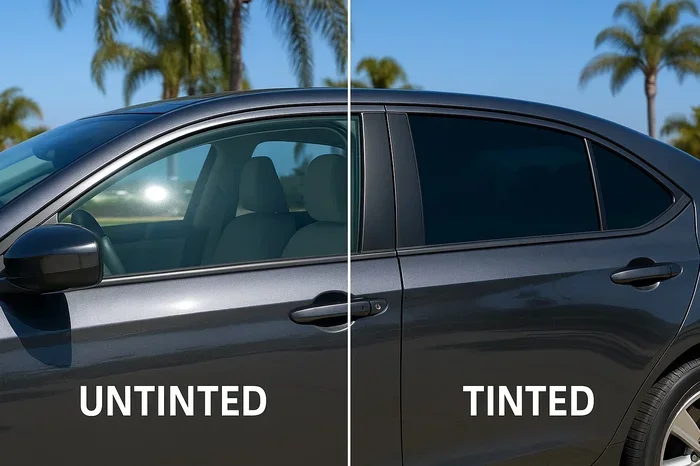
90 percent window tint is a very light tint that blocks about 10 percent of incoming light while offering meaningful UV protection and heat rejection. It is one of the most popular choices for drivers who want a subtle look without sacrificing visibility. This article covers everything you need to know, including benefits, costs, legal rules, and whether it is truly worth the money.
Have you been thinking about 90 percent window tint for your car? Maybe you have seen other vehicles with lightly tinted windows and wondered what the fuss is about. Or perhaps you want a simple upgrade that adds a bit of style without going too dark. Whatever your reason, 90 percent window tint is a topic worth exploring.
Here is the thing. Many car owners overlook the benefits of a light tint. They jump straight to dark tints without considering what a 10 percent tint can actually do. And honestly, a 90 percent window tint might be the sweet spot for your needs. It offers real protection, looks clean, and stays within most legal limits.
In this guide, we will break down everything you need to know. We will cover the benefits, compare it to other tint levels, discuss legal rules, and help you decide if it is worth your money. By the end, you will have a clear picture of whether 90 percent window tint is the right move for your vehicle.
Key Takeaways
- Subtle Protection: 90 percent window tint blocks harmful UV rays and reduces solar heat without darkening your windows much.
- Legal Friendly: Most states allow 90 percent tint on front side windows, making it a low-risk choice for drivers.
- Affordable Upgrade: The cost is relatively low compared to darker tints, usually ranging from $100 to $300 for a full car.
- Better Visibility: Because it is so light, it does not impair night driving or overall sight lines.
- Interior Preservation: It helps protect your dashboard, seats, and trim from sun damage and fading over time.
- Not a Privacy Tint: Do not expect added privacy since 90 percent tint is barely noticeable from the outside.
- Quality Matters: Choosing a high-quality film ensures better heat rejection and longer tint fade resistance.
📑 Table of Contents
- What Is 90 Percent Window Tint?
- Benefits of 90 Percent Window Tint
- How Does 90 Percent Window Tint Compare to Other Tints?
- Legal Considerations for 90 Percent Window Tint
- Is 90 Percent Window Tint Worth the Money?
- How to Choose the Best 90 Percent Window Tint
- Common Mistakes to Avoid With 90 Percent Window Tint
- Conclusion
What Is 90 Percent Window Tint?
Let us start with the basics. A 90 percent window tint means the film allows 90 percent of visible light to pass through your car windows. In other words, it blocks only 10 percent of the light. This is also called a light tint or a very light tint in the automotive tint world.
The number you see on tint products refers to the visible light transmission, or VLT. A higher VLT means more light comes through. So 90 percent VLT is one of the lightest options available. It is barely noticeable once installed.
How Does Tint Darkness Work?
Tint darkness is measured on a scale. The lower the number, the darker the tint. Here is a quick way to think about it. A 5 percent tint is very dark. A 50 percent tint is medium. And a 90 percent tint is almost clear. The tint still does its job, though. Even at 90 percent, the film can block UV rays and reduce solar heat.
Most car window film products come in a range of VLT percentages. This gives you the freedom to choose the right level of darkness for your needs. A 90 percent window tint sits at the lighter end of the spectrum.
What Is the Difference Between Tint Percentage and Heat Rejection?
Here is something many people get confused about. The tint percentage does not always match the heat rejection level. A 90 percent window tint blocks 10 percent of visible light, but it can still reject a surprising amount of solar heat. This depends on the type of film used. Some heat rejection film products use advanced technology to block infrared rays, even at high VLT levels.
So do not assume a light tint means weak heat protection. The window film quality matters a lot here. Premium films can offer excellent heat rejection even at 90 percent VLT.
Benefits of 90 Percent Window Tint
Now that you know what 90 percent window tint is, let us talk about why it is worth considering. There are several real benefits that go beyond just looks.
UV Protection for You and Your Passengers
One of the biggest benefits of any automotive tint is UV protection. The sun emits harmful ultraviolet rays that can damage your skin over time. Even on cloudy days, UV rays pass through your car windows. A 90 percent window tint can block a significant portion of these rays, protecting you and your passengers.
This is especially important for people who spend a lot of time driving. Daily commuters, rideshare drivers, and delivery workers all benefit from added UV protection. Over the years, this can make a real difference for your skin health.
Reducing Solar Heat Inside Your Car
Nobody likes getting into a hot car after it has been sitting in the sun. A 90 percent window tint helps reduce the solar heat that builds up inside your vehicle. This means your cabin temperature stays more comfortable, even on scorching days.
When your car is cooler, you do not need to blast the air conditioning as hard. This can actually improve your fuel efficiency over time. It is a small change that adds up.
Glare Reduction for Safer Driving
Glare from the sun and headlights at night can be dangerous. It strains your eyes and makes it harder to see the road. A 90 percent window tint reduces glare significantly. This gives you better clarity and a more comfortable driving experience.
You will notice the difference especially during sunrise and sunset. Those bright, low-angle sun beams can be brutal. A light tint takes the edge off without darkening your view too much.
Interior Protection and Longevity
The sun does a number on your car interior. Dashboards crack, seats fade, and plastics become brittle over time. A 90 percent window tint helps protect these surfaces from sun damage. It acts as a shield, blocking a portion of the UV rays that cause fading and deterioration.
This means your car holds its value better over the years. Interior protection is one of those benefits that people often overlook when choosing a tint.
Quick Tips for Getting the Most Out of Your Tint
- Choose a film with high UV rejection ratings, even if it is a light tint.
- Ask your installer about heat rejection performance, not just VLT.
- Keep your windows clean with non-ammonia cleaners to preserve the film.
- Wait at least 3-5 days before rolling down your windows after installation.
How Does 90 Percent Window Tint Compare to Other Tints?
To really understand the value of 90 percent window tint, it helps to compare it with other popular tint levels. Each percentage has its own strengths and weaknesses. Let us look at how they stack up.
Comparison Table: 90 Percent vs. Other Tint Levels
| Tint Level | VLT Percentage | Darkness | Heat Rejection | Privacy Level | Visibility |
|---|---|---|---|---|---|
| 90 Percent Tint | 90% | Very Light | Moderate | Low | Excellent |
| 70 Percent Tint | 70% | Light | Good | Low | Very Good |
| 50 Percent Tint | 50% | Medium | Very Good | Moderate | Good |
| 35 Percent Tint | 35% | Medium-Dark | Excellent | Good | Fair |
| 20 Percent Tint | 20% | Dark | Excellent | High | Poor at Night |
| 5 Percent Tint | 5% | Very Dark | Maximum | Maximum | Very Poor |
Why Choose 90 Percent Over Darker Tints?
A 90 percent window tint gives you the benefits of tinting without the downsides of darker films. You get UV protection and glare reduction while maintaining excellent visibility. This is a big deal for drivers who need clear sight lines at all times.
Darker tints can make night driving difficult. They can also attract unwanted attention from law enforcement if they do not meet local window tinting laws. A 90 percent tint avoids most of these issues.
Why Not Go Even Lighter?
You might wonder why not just skip tinting altogether. The truth is, even a 90 percent window tint adds a layer of protection that clear windows do not provide. The film blocks UV rays and reduces solar heat in ways that factory glass alone cannot match. So you are getting a real upgrade, even with a very light tint.
Legal Considerations for 90 Percent Window Tint
Before you commit to any tint, you need to understand the legal side. Window tinting laws vary from state to state and country to country. This is an important step that many people skip.
What Are the Legal Limits for Front Side Windows?
In most U.S. states, a 90 percent window tint is perfectly legal for front side windows. The general rule is that front side windows need to allow at least 70 percent of light through. Since 90 percent tint exceeds that requirement, you should be in the clear.
However, laws can change and vary by location. Some states have stricter rules for certain types of vehicles. Always check your local automotive tint regulations before getting your windows tinted.
Are There Restrictions for Rear Windows?
Rear windows often have different rules. In many states, you can tint rear windows as dark as you want, as long as you have side mirrors for visibility. But the front side windows and windshield usually have stricter limits. A 90 percent tint is safe for all windows in most jurisdictions.
Common Mistakes People Make With Tint Laws
- Assuming all states have the same rules. They do not. Always check your specific state and county laws.
- Forgetting about medical exemptions. Some states allow darker tints with a medical waiver.
- Ignoring tint reflectivity limits. Some states also regulate how reflective your tint can be.
Can You Get Pulled Over for 90 Percent Tint?
The short answer is very unlikely. A 90 percent window tint is so light that it is almost impossible to notice from the outside. Most officers will not even flag a vehicle with this level of tint. It is one of the safest choices if you are worried about legal issues.
Is 90 Percent Window Tint Worth the Money?
This is the big question, and it deserves a honest answer. The short version is yes, 90 percent window tint is worth it for most car owners. But let us break down the costs and benefits so you can decide for yourself.
How Much Does 90 Percent Window Tint Cost?
The cost of 90 percent window tint is generally lower than darker tints. For a full car, you can expect to pay between $100 and $300. This includes all windows and professional installation in most cases. Some shops charge more for premium films, but the price range is quite reasonable.
Compared to the cost of replacing a faded dashboard or repairing sun-damaged seats, the investment is tiny. Interior protection alone can save you hundreds of dollars over the life of your vehicle.
What Factors Affect the Price?
Several things influence the final cost of your car tinting project:
- Film brand and quality: Premium films cost more but last longer and perform better.
- Number of windows: Tinting all windows costs more than just the front two.
- Installation quality: Professional installation ensures a bubble-free, long-lasting finish.
- Your location: Prices vary by region and shop reputation.
Return on Investment: What You Actually Get
When you think about it, the return on investment for 90 percent window tint is solid. You get UV protection, reduced solar heat, less glare, and interior preservation. All of these benefits add real value to your daily driving experience.
Plus, a clean tint job can enhance the overall look of your vehicle. It gives a polished, finished appearance without being over the top. If you plan to sell your car later, a professional tint can be a selling point.
How to Choose the Best 90 Percent Window Tint
Not all tint films are created equal. If you are going to invest in 90 percent window tint, you want to choose the right product. Here is what to look for.
Look for Quality Film Materials
The quality of the car window film matters more than most people realize. Cheap films fade quickly and may bubble within a year. High-quality films offer better tint fade resistance and perform well for many years.
Look for films from reputable manufacturers. Brands that specialize in automotive tint products usually offer better warranties and performance guarantees. Do not just go with the cheapest option.
Check the Heat Rejection and UV Blocking Specs
Ask your installer for the specific heat rejection and UV blocking percentages. A good 90 percent window tint should block at least 90 to 99 percent of UV rays and reject a meaningful amount of solar heat. These numbers should be clearly stated in the product specifications.
Consider Your Climate and Driving Habits
If you live in a hot, sunny climate, you want a film with strong heat rejection. If you drive mostly during the day, glare reduction should be a priority. Think about your specific needs and choose a film that addresses them.
Expert Insight: What Professionals Recommend
Most professional installers agree that 90 percent window tint is an excellent choice for first-time tint buyers. It is forgiving, legal in most areas, and delivers real benefits. If you are unsure about committing to a darker tint, start with 90 percent and see how you like it. Many people end up keeping it and never feel the need to go darker.
DIY vs. Professional Installation
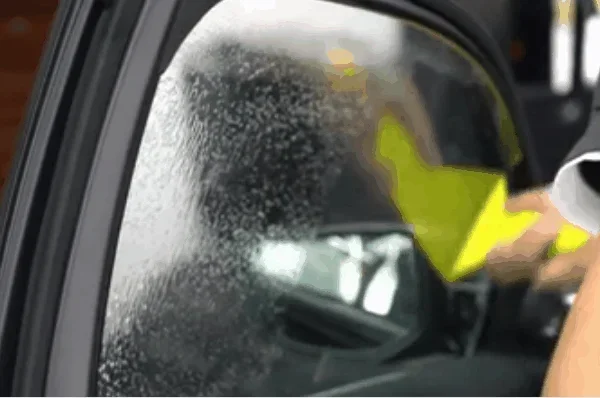
You can buy window tinting kits and install the film yourself. But for best results, professional installation is the way to go. A skilled installer will ensure the film is applied evenly, without bubbles or wrinkles. The job will look clean and last much longer.
If you do decide to DIY, make sure you follow the instructions carefully. Prep work is critical. Any dust or moisture trapped under the film can cause bubbles and peeling.
Quick Tips for Choosing Your Tint
- Always ask for a warranty. Quality window film should come with at least a 3-5 year warranty.
- Read reviews of the specific film brand before you commit.
- Do not let anyone pressure you into a darker tint than you are comfortable with.
- Get quotes from at least two or three local installers.
Common Mistakes to Avoid With 90 Percent Window Tint
Even a simple tint job can go wrong if you are not careful. Here are some common mistakes to avoid when getting 90 percent window tint.
Skipping the Research
Do not just walk into the first shop you find. Take time to compare options, read reviews, and understand what different films offer. The cheapest option is not always the best value.
Ignoring Aftercare Instructions
After installation, your tint needs time to cure. Do not roll down your windows for at least 3-5 days. Avoid using harsh cleaners on your tinted windows for the first few weeks. Following these simple steps will extend the life of your 90 percent window tint significantly.
Choosing Style Over Function
It is easy to pick a tint just because it looks cool. But function matters more. Think about what you need from the tint. Do you need heat rejection? UV protection? Glare reduction? Choose a film that delivers on your priorities, not just the one that looks the darkest.
Conclusion
90 percent window tint is a smart, practical, and affordable upgrade for almost any vehicle. It offers real benefits like UV protection, heat rejection, and glare reduction without the downsides of darker tints. The cost is reasonable, the legal risks are low, and the return on investment is strong.
If you have been on the fence about tinting your windows, a 90 percent window tint is a great place to start. It gives you a taste of what window tinting can do without committing to a dark look. You get protection, comfort, and a cleaner appearance, all in one simple package.
Take the time to choose a quality film, find a reputable installer, and enjoy the benefits for years to come. A little investment in 90 percent window tint can make a big difference in how your car feels every time you get behind the wheel.
Frequently Asked Questions
Is 90 percent window tint legal in all states?
In most U.S. states, a 90 percent window tint is legal for front side windows. However, laws vary by location, so you should always check your specific state and local regulations before getting your windows tinted. It is one of the safest tint levels when it comes to legal compliance.
Does 90 percent window tint really block UV rays?
Yes, even a 90 percent window tint can block a significant amount of UV rays, often 90 to 99 percent depending on the film quality. This protection helps shield your skin and reduces interior fading. The exact UV blocking percentage depends on the specific film you choose.
How long does 90 percent window tint last?
A high-quality 90 percent window tint can last anywhere from 5 to 10 years with proper care. Cheaper films may fade or bubble sooner. Choosing a reputable brand and professional installation will extend the lifespan of your tint significantly.
Can I tint my windshield with 90 percent film?
Most states do not allow any tint on the windshield, except for a small strip at the top. A 90 percent tint is typically only applied to side and rear windows. Check your local window tinting laws to confirm what is allowed for your windshield.
Will 90 percent window tint affect my night driving?
No. Because a 90 percent window tint is so light, it has minimal impact on night visibility. You will still see clearly and safely while driving at night. This is one of the biggest advantages of choosing a light tint over darker options.
What is the difference between 90 percent and 70 percent window tint?
The main difference is how much light each tint blocks. A 90 percent tint allows 90 percent of light through, while a 70 percent tint allows 70 percent through. The 70 percent tint is slightly darker and offers a bit more heat rejection and glare reduction. Both are considered light tints and are generally legal for front side windows.
=== CONCLUSION ===
90 percent window tint is a worthwhile investment for car owners who want protection, comfort, and style without going too dark. It blocks harmful UV rays, reduces solar heat, cuts glare, and preserves your car interior. The cost is affordable, the legal risks are low, and the benefits are real. If you are looking for a simple, effective way to upgrade your driving experience, 90 percent window tint is a choice you will not regret.