Everything You Need to Know About 50 Percent Window Tint
50 Percent Window Tint is a popular choice for car owners who want a balanced mix of style, comfort, and protection. It blocks half the light that enters your windows, offering excellent UV protection and heat rejection while keeping your view clear. This tint level sits in the sweet spot between too dark and too light, making it a go-to option for daily drivers.
Have you ever sat in a parked car on a sunny day and felt like the steering wheel was going to burn your hands? Or maybe you’ve noticed your dashboard cracking after just a couple of summers in the sun. These are common problems that 50 Percent Window Tint can solve. Whether you are looking to upgrade your current ride or researching options before a purchase, this guide covers everything you need to know about this popular tint level.
50 Percent Window Tint means that the film allows 50% of visible light to pass through your car windows. It is not the darkest option on the market, but it is far from the lightest. Many car owners choose this level because it strikes a perfect balance between aesthetics and function. You get enough darkness to reduce glare and block harmful rays, but you still maintain clear visibility — especially important for safe driving.
In this article, we will walk you through the benefits, legal considerations, installation process, and much more. By the end, you will have a clear picture of whether 50 Percent Window Tint is the right choice for your vehicle. Let us dive in.
Key Takeaways
- Balanced Performance: 50 Percent Window Tint offers the best of both worlds — good visibility and solid protection from UV rays and heat.
- Legal in Most States: Unlike darker tints, 50% tint typically meets legal requirements across many U.S. states, making it a safe choice.
- Easy Installation: Whether you DIY or hire a pro, applying 50% tint film is straightforward and doesn’t require special tools.
- Interior Protection: This tint level helps shield your car’s dashboard, seats, and electronics from sun damage and fading.
- Multiple Film Types Available: You can choose from dyed, metalized, ceramic, or hybrid films depending on your budget and needs.
- Cost-Effective: 50 Percent Window Tint is affordable compared to darker or specialty tints, offering great value for the price.
📑 Table of Contents
- What Is 50 Percent Window Tint?
- Benefits of 50 Percent Window Tint
- How 50 Percent Window Tint Compares to Other Tint Levels
- Is 50 Percent Window Tint Legal?
- How Is 50 Percent Window Tint Installed?
- Types of 50 Percent Window Tint Film
- Common Mistakes to Avoid With 50 Percent Window Tint
- How to Maintain Your 50 Percent Window Tint
- Final Thoughts
What Is 50 Percent Window Tint?
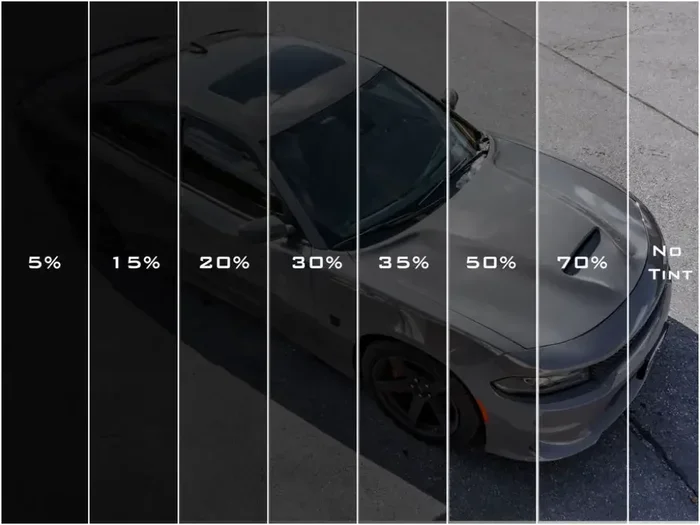
To understand 50 Percent Window Tint, it helps to first understand how tint percentages work. The percentage refers to the Visible Light Transmission (VLT) rate. VLT measures how much light the tint film allows to pass through the glass. A lower percentage means less light gets through, resulting in a darker appearance. A higher percentage means more light passes through, keeping the window clearer.
So when we talk about 50 Percent Window Tint, we mean the film blocks 50% of incoming light and lets the other 50% through. This is considered a medium tint level. It is darker than factory tint (which usually allows 70-80% of light through) but lighter than legal limits for rear windows in most states, which often allow 20-35% VLT.
How Does Tint Percentage Work?
Every tint film comes with a VLT rating printed on the packaging. Here is a quick breakdown of common tint levels and what they mean:
- 70-80% VLT: Very light tint, often close to factory tint. Minimal darkening effect.
- 50% VLT: Medium tint. Blocks half the light. This is our focus today.
- 35% VLT: Dark tint. Popular for front side windows in many states.
- 20% VLT: Very dark tint. Often used on rear windows for privacy.
- 5% VLT: Limo tint. Nearly black. Illegal for most front windows.
Knowing these levels helps you make informed decisions. 50 Percent Window Tint sits comfortably in the middle, offering noticeable benefits without crossing into territory that might cause legal or visibility issues.
Benefits of 50 Percent Window Tint
There are many reasons car owners choose 50 Percent Window Tint for their vehicles. Let us look at the top benefits in detail.
UV Protection for Your Skin and Car Interior
One of the biggest advantages of any window tint is UV protection. The sun emits harmful ultraviolet rays that can cause skin damage and premature aging. Over time, UV exposure also fades your car’s interior. Your dashboard, seats, and steering wheel can crack and discolor after years of sun exposure.
50 Percent Window Tint blocks a significant portion of UV rays — often up to 99% depending on the film quality. This means you and your passengers get better protection every time you drive. Your car’s interior stays looking newer for longer, which saves you money on replacements and repairs.
Heat Rejection and Comfort
Nobody likes getting into a scorching hot car during summer. 50 Percent Window Tint helps reduce the amount of solar heat that enters your vehicle. Quality tint films can reject up to 50-70% of total solar energy, depending on the type of film you choose.
This heat rejection means your air conditioning system does not have to work as hard. You cool down faster, your fuel efficiency improves slightly, and your overall driving comfort increases. It is a small change that makes a big difference, especially in hot climates.
Glare Reduction for Safer Driving
Glare from the sun or headlights from oncoming traffic at night can be dangerous. It strains your eyes and reduces your ability to see the road clearly. 50 Percent Window Tint cuts down on glare significantly, making driving safer and more comfortable.
You will notice the difference immediately, especially during early morning and late afternoon drives when the sun is low. Night driving also becomes easier because the tint reduces the harsh glare from opposing headlights.
Privacy Without Going Too Dark
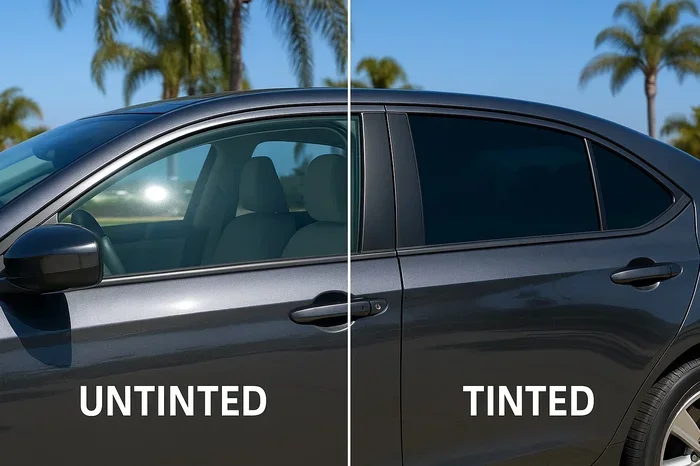
While 50 Percent Window Tint is not the darkest option, it does provide a decent level of privacy. People outside your car cannot easily see into the vehicle, especially when the interior is darker than the outside environment. This is great for protecting valuables left inside your car.
However, because it is not pitch black, you still maintain good outward visibility. This balance is something many drivers appreciate. You get privacy without sacrificing safety.
Aesthetic Appeal
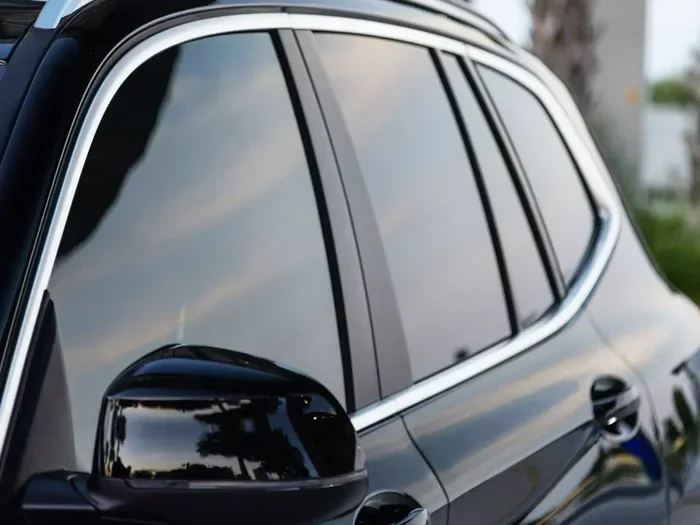
Let us not forget the looks. 50 Percent Window Tint gives your car a sleek, polished appearance. It adds a finished look that makes even older vehicles seem newer and more refined. Many car enthusiasts choose this tint level because it enhances the vehicle’s appearance without looking overly aggressive or dark.
How 50 Percent Window Tint Compares to Other Tint Levels
Choosing the right tint percentage can be confusing. There are so many options available, and each one serves a different purpose. Here is how 50 Percent Window Tint stacks up against other popular tint levels.
Comparison Table: Tint Levels at a Glance
| Tint Level | VLT Percentage | Darkness | Best For | Legal for Front Windows? |
|---|---|---|---|---|
| 70-80% (Light) | High | Very Light | UV protection only | Yes, almost everywhere |
| 50% (Medium) | Medium | Medium | Balance of style and function | Yes, in most states |
| 35% (Dark) | Low-Medium | Dark | Style and heat rejection | Varies by state |
| 20% (Very Dark) | Low | Very Dark | Privacy and aesthetics | Usually rear windows only |
| 5% (Limo Tint) | Very Low | Nearly Black | Maximum privacy | Rarely legal for front |
Why Choose 50% Over Lighter Tints?
If you choose a lighter tint like 70% or 80%, you will get minimal darkening. The UV protection is decent, but the heat rejection and glare reduction are limited. 50 Percent Window Tint provides noticeably better performance in all these areas while still keeping your windows relatively light.
Why Choose 50% Over Darker Tints?
Darker tints like 20% or 5% offer maximum privacy and a bold look, but they come with trade-offs. Visibility drops significantly, especially at night or in poor weather. Many states also restrict how dark you can go on front side windows. 50 Percent Window Tint avoids these problems while still delivering meaningful benefits.
Quick Tips for Choosing the Right Tint Level
- Consider your climate. Hotter climates benefit more from darker tints with higher heat rejection.
- Think about your driving habits. If you drive mostly during the day, a lighter tint works fine.
- Check your state laws before purchasing. Some states have strict limits on front window darkness.
- Set a budget. 50 Percent Window Tint is generally more affordable than specialty ceramic films.
- Consider your personal style. Do you want a subtle look or a bold, dramatic appearance?
Is 50 Percent Window Tint Legal?
Tint laws vary widely from state to state, and even from country to country. Understanding the legal landscape is essential before you commit to any tint level.
General Legal Guidelines for 50% Tint
In the United States, most states allow 50 Percent Window Tint on front side windows, rear side windows, and rear windshield. This makes 50% one of the most universally legal tint levels available. However, there are always exceptions, and the rules can be nuanced.
Some states have separate rules for different window positions. For example, your front windshield might have different regulations than your front side doors. Always check the specific laws for your state before getting your windows tinted.
States Where 50% Tint Is Fully Legal
Many states welcome 50 Percent Window Tint on all windows. Here are a few examples of states with relatively lenient tint laws:
- California: Allows 50% tint on front side windows.
- Texas: Permits 50% tint on front side windows.
- Florida: Allows 50% tint on front side windows.
- New York: Permits 50% tint on front side windows.
- Colorado: Allows 50% tint on front side windows.
States With Stricter Tint Laws
Some states have stricter regulations. For instance, states like Michigan and New Jersey have very limited tint allowances for front side windows. In New Jersey, front side windows must allow more than 70% of light through, which means 50% tint would not be legal on those windows.
Always verify your local regulations. Getting pulled over for illegal tint can result in fines and the requirement to remove the tint. It is not worth the risk of skipping this step.
Medical Exemptions and Special Permits
Some states offer medical exemptions for darker tints. If you or a passenger has a condition that makes you sensitive to sunlight, you may qualify for an exemption that allows darker tint than the standard legal limit. Check with your local Department of Motor Vehicles for details.
How Is 50 Percent Window Tint Installed?
Installing 50 Percent Window Tint is a process that requires patience and precision. Whether you choose to do it yourself or hire a professional, understanding the process helps you set realistic expectations.
DIY Installation: What You Need to Know
If you are a handy person and enjoy DIY projects, you can install 50 Percent Window Tint yourself. Here is what you will need:
- Tint film: Purchase a high-quality 50% VLT film from a reputable brand.
- Spray bottle: Filled with a mixture of water and a few drops of dish soap.
- Razor blade or utility knife: For trimming the film to size.
- Squeegee: To push out bubbles and water from under the film.
- Heat gun or hair dryer: For shaping the film around curved edges.
- Cleaning supplies: Glass cleaner and lint-free cloths.
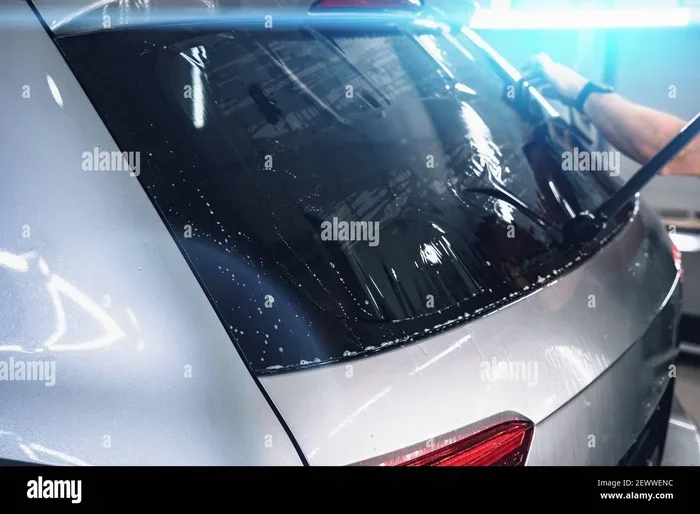
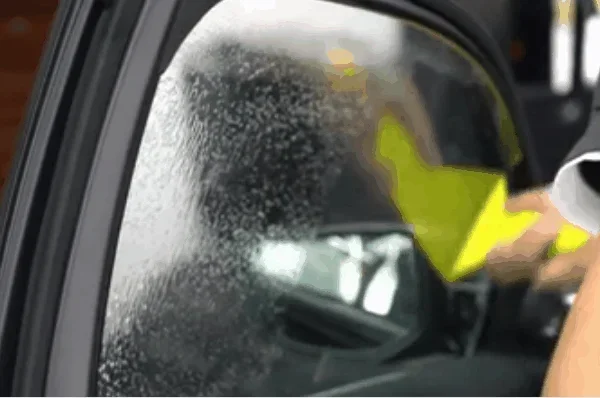
The process involves cleaning the window thoroughly, spraying it with the soapy water solution, applying the film, and using the squeegee to remove air bubbles and excess water. It takes practice, and your first attempt might not be perfect. That is okay. Most people improve with each window they tint.
Professional Installation: What to Expect
Hiring a professional is the easiest route. A trained technician will clean your windows, cut the film precisely, and apply it in a controlled environment free of dust and debris. Professional installation typically takes one to two hours for a full car.
The cost of professional 50 Percent Window Tint installation ranges from $100 to $400 for a standard sedan, depending on your location, the type of film, and the shop’s reputation. It is a worthwhile investment if you want a flawless finish without the hassle.
Tips for a Perfect Installation
- Always tint your windows on a cloudy day or indoors. Direct sunlight causes the film to dry too quickly, making it hard to reposition.
- Make sure your windows are completely clean before applying the film. Any dust or debris will show as bumps under the tint.
- Do not roll down your windows for at least 48 hours after installation. This allows the film to cure properly.
- Use a soft cloth to clean your tinted windows for the first few weeks. Harsh materials can scratch the film.
- Avoid parking in direct sunlight for the first 24-48 hours. Heat speeds up curing but can cause premature bubbling if the film is not fully adhered.
Expert Insight: The Curing Process
One thing many people do not realize is that 50 Percent Window Tint does not look its best immediately. The film needs time to cure, which can take anywhere from a few days to a few weeks. During this time, you may notice some cloudiness, bubbles, or a hazy appearance. This is completely normal and does not mean the installation was done wrong. Give it time, and the film will clear up as it bonds to the glass.
Types of 50 Percent Window Tint Film
Not all tint films are created equal. When shopping for 50 Percent Window Tint, you will encounter several different types of film, each with its own advantages and disadvantages.
Dyed Tint Film
Dyed film is the most affordable option. It uses layers of dye to absorb heat and reduce light transmission. 50 Percent Window Tint in dyed film offers decent UV protection and a clean look. However, dyed films tend to fade over time, especially with prolonged sun exposure. They also provide less heat rejection compared to more advanced film types.
Metalized Tint Film
Metalized films contain tiny metallic particles that reflect heat and improve durability. A 50 Percent Window Tint in metalized film offers better heat rejection and a shinier appearance. The downside is that metalized films can interfere with electronic signals. If you rely on GPS, Bluetooth, or cell phone reception through your windows, this could be a concern.
Ceramic Tint Film
Ceramic film is the premium option. It uses nano-ceramic particles to block heat without interfering with electronics. 50 Percent Window Tint in ceramic film provides the best heat rejection, UV protection, and clarity of any film type. The trade-off is the price. Ceramic films cost significantly more than dyed or metalized options, but they also last longer and perform better.
Hybrid Tint Film
Hybrid films combine elements of dyed and metalized films to offer a balanced performance. They provide good heat rejection, reduced signal interference, and a natural-looking finish. 50 Percent Window Tint in hybrid film is a solid middle-ground option for car owners who want quality without the premium price tag of ceramic films.
How to Choose the Right Film Type
Your choice depends on your budget, priorities, and preferences. If you want the best performance and do not mind paying more, go with ceramic. If you are on a tight budget, dyed film gets the job done at a lower cost. Metalized and hybrid films sit somewhere in between, offering a good mix of performance and affordability.
Common Mistakes to Avoid With 50 Percent Window Tint
Even experienced car owners make mistakes when it comes to window tinting. Here are some common pitfalls to watch out for.
Skipping the Legal Research
The most common mistake is not researching your local tint laws before getting your windows tinted. You could end up with a tint that looks great but is illegal. This leads to fines, forced removal, and wasted money. Always check your state and local regulations first.
Choosing the Cheapest Film
It is tempting to go with the cheapest option available, but low-quality tint films often bubble, fade, and peel within a year or two. Investing in a better-quality 50 Percent Window Tint film saves you money in the long run because it lasts longer and performs better.
Ignoring the Warranty
Many tint films come with a manufacturer warranty that covers bubbling, peeling, and fading. Do not skip the warranty. A good warranty gives you peace of mind and protects your investment. Make sure you understand what is covered and for how long.
Not Preparing the Windows Properly
If you are installing the tint yourself, improper window preparation is a recipe for disaster. Any dirt, grease, or moisture left on the glass will show under the film and create unsightly blemishes. Take your time with the cleaning process. It makes a huge difference in the final result.
Forgetting About the Rear Windshield
Some people focus on the side windows and forget about the rear windshield. The rear windshield is just as exposed to UV rays and heat as the side windows. Applying 50 Percent Window Tint to the rear windshield provides consistent protection across all your car’s windows.
How to Maintain Your 50 Percent Window Tint
Proper maintenance extends the life of your tint and keeps it looking great for years. Here are some simple tips to keep your 50 Percent Window Tint in top condition.
- Wait at least 48 hours before rolling down your windows after installation.
- Clean tinted windows with a soft, lint-free cloth and a gentle glass cleaner.
- Avoid ammonia-based cleaners, as they can degrade the tint film over time.
- Use a microfiber cloth to prevent scratching the film surface.
- Park in shaded areas whenever possible to reduce sun exposure and heat buildup.
- Inspect your tint regularly for signs of bubbling, peeling, or fading.
- Address any damage promptly to prevent it from spreading to other areas of the film.
With proper care, a quality 50 Percent Window Tint can last anywhere from 5 to 10 years, and in some cases even longer. The key is to be gentle with your tinted windows and avoid anything that could damage the film.
Final Thoughts
50 Percent Window Tint is one of the smartest upgrades you can make to your vehicle. It offers a fantastic balance of protection, comfort, style, and legality. Whether you live in a hot climate where heat rejection matters most, or you simply want to protect your car’s interior from sun damage, this tint level delivers on all fronts.
The wide availability of film types means you can find a 50 Percent Window Tint option that fits any budget, from affordable dyed films to premium ceramic options. The installation process is straightforward, and the legal landscape is generally favorable in most states.
If you have been on the fence about tinting your windows, now is the time to take the leap. Start by checking your local laws, choosing the right film type, and finding a reputable installer. Your car — and your skin — will thank you for it. 50 Percent Window Tint is not just an accessory. It is an investment in your comfort, safety, and the long-term value of your vehicle.
Frequently Asked Questions
Is 50 Percent Window Tint legal for front side windows?
In most U.S. states, 50 Percent Window Tint is legal for front side windows. However, some states like New Jersey and Michigan have stricter limits. Always check your local regulations before getting your windows tinted to avoid fines or legal issues.
How much does 50 Percent Window Tint cost?
The cost of 50 Percent Window Tint varies depending on the film type, your vehicle size, and whether you DIY or hire a professional. On average, expect to pay between $100 and $400 for professional installation on a standard sedan. Ceramic films will cost more, while dyed films are more budget-friendly.
Can I install 50 Percent Window Tint myself?
Yes, DIY installation is possible and many car owners successfully tint their own windows. You will need a tint kit, a spray bottle, a squeegee, a razor blade, and patience. Your first attempt may not be perfect, but practice makes the process easier over time.
How long does 50 Percent Window Tint last?
A quality 50 Percent Window Tint can last between 5 and 10 years with proper care. Ceramic films tend to last the longest, while dyed films may fade sooner. Regular cleaning with gentle products and avoiding harsh conditions will extend the lifespan of your tint.
Does 50 Percent Window Tint block UV rays?
Yes, most 50 Percent Window Tint films block up to 99% of harmful UV rays, regardless of the film type. This protection helps prevent skin damage and keeps your car’s interior from fading and cracking due to prolonged sun exposure.
Will 50 Percent Window Tint affect my night driving visibility?
50 Percent Window Tint allows 50% of light through, so night driving visibility remains good. It is significantly lighter than darker tints like 20% or 5%, which can noticeably reduce visibility at night. Most drivers report no issues with nighttime driving after installing 50% tint.