24 Percent Window Tint: Visibility and Legal Considerations
24 percent window tint blocks 76% of light, offering a dark finish with moderate visibility. This shade strikes a popular balance between style, UV protection, and legal compliance in many states. Learn visibility expectations, legal rules, and key tips for choosing the right 24 percent window tint for your vehicle.
Choosing the right window tint percentage for your car can feel overwhelming. You see numbers like 5%, 20%, 35%, and 50% thrown around, and it is not always clear what they mean in real life. If you are considering 24 percent window tint, you are looking at a popular middle-ground option. It darkens your windows enough to add style, privacy, and protection without going too dark for most situations.
But here is the thing — not all tint percentages are created equal when it comes to visibility and the law. Some states allow 24% on every window, while others restrict it to rear seats only. And how well can you actually see through a 24% tint at night or in rain? That is exactly what we are going to break down in this guide. By the end, you will know whether 24 percent window tint is the right choice for your ride.
Key Takeaways
- Moderate Darkness: 24 percent tint allows roughly 24% of visible light through, creating a noticeably darker look than lighter shades.
- Legal Varies by State: Tint laws differ widely, and 24% may be legal on rear windows but restricted on front side windows in many states.
- Good UV and Heat Rejection: A 24% VLT tint film blocks significant UV rays and reduces solar heat inside your car.
- Visibility Considerations: Night driving and low-light conditions may require extra caution with 24% tint on front windows.
- Professional Installation Matters: Proper application prevents bubbles, peeling, and ensures the tint lasts for years.
- Check Local Laws First: Always verify your state’s legal tint limits before purchasing or installing any window film.
📑 Table of Contents
- What Exactly Is 24 Percent Window Tint?
- Visibility Through 24 Percent Tint
- Legal Considerations for 24 Percent Tint
- Benefits of Choosing 24 Percent Window Tint
- Installation Tips for 24 Percent Tint
- Common Mistakes to Avoid with 24 Percent Tint
- How 24 Percent Tint Compares to Other Shades
- Expert Insights on 24 Percent Window Tint
- How to Choose the Right 24 Percent Tint for Your Car
- Cost Expectations for 24 Percent Tint
- Conclusion
What Exactly Is 24 Percent Window Tint?
Let us start with the basics. When we talk about tint percentage, we are referring to Visible Light Transmission, or VLT. This is the amount of light the tint film allows to pass through your window. A 24% tint means only 24% of outside light gets in, while the rest is blocked.
To put that in perspective, a 5% tint (often called “limo tint”) lets in almost no light. A 50% tint is much lighter and barely noticeable. 24 percent window tint falls somewhere in between. It gives your car a sleek, darkened appearance while still letting a decent amount of light through. This makes it one of the most versatile tint options available for automotive tint enthusiasts.
The film itself is typically made from multiple layers. These include a polyester base, adhesive layers, and sometimes a ceramic or metallic coating. The coating determines how much heat and UV radiation the tint blocks. A quality window tint film at 24% VLT can reject up to 60-70% of solar energy, depending on the brand and materials used.
How VLT Is Measured
VLT is measured using a specialized device called a tint meter. Law enforcement and tint shops use this tool to check whether a film meets legal limits. The measurement is taken on the installed film, not the bare glass. So if your car already has tinted windows from the factory, the combined VLT of the factory tint plus aftermarket film matters.
Keep in mind that tint darkness can look different depending on the color of the film. Some 24% tints have a slight green or blue hue, which can affect how dark they appear on the glass. Always ask to see a sample before you commit to a specific film.
Visibility Through 24 Percent Tint
Visibility is one of the biggest concerns for anyone considering 24 percent window tint. After all, what good is a dark tint if you cannot see the road clearly? The truth is, visibility depends on several factors, including lighting conditions, the quality of the film, and which windows are tinted.
Daytime Visibility
During the day, 24% tint performs very well. You can see through the windows clearly, especially on the front side windows and windshield (if tint is allowed there). The outside world looks slightly dimmer through the film, but it is not dark enough to cause any real issues. Most people describe the view as similar to wearing a pair of light sunglasses.
However, there is a catch. If your car has deeply tinted front windows at 24%, it can feel a bit closed-in during bright midday sun. The tint reduces glare, which is actually a plus, but it also reduces your peripheral light intake. This is where the glare reduction benefit really shines — literally.
Nighttime and Low-Light Visibility
Night driving is where 24 percent window tint starts to show its limitations. With only 24% of light coming through, your view of the road at night is noticeably darker. Streetlights, headlights, and reflective signs may appear dimmer through the film.
If you frequently drive on unlit roads or in areas with poor street lighting, you should be extra cautious. The tint can reduce your reaction time slightly because your eyes need to adjust to the lower light levels. Here are some practical tips for nighttime driving with 24% tint:
- Keep your windshield clean inside and out to maximize light passage.
- Make sure your headlights are properly aligned and clean.
- Consider leaving front windows untinted if you do a lot of night driving.
- Use your rearview mirror’s night setting to reduce glare from behind.
Visibility in Rain and Fog
Bad weather is another factor to consider. 24 percent window tint can make it slightly harder to see through rain-soaked or foggy windows. The reduced light transmission compounds the already limited visibility in these conditions. If you live in an area with frequent rain or heavy fog, keep this in mind when choosing your tint percentage.
Some drivers find that pairing 24% tint with a high-quality rain-repellent coating on the outside of the glass helps maintain better visibility in wet conditions. This simple combo can make a real difference during storms.
Legal Considerations for 24 Percent Tint
This is where things get tricky. Window tint laws vary dramatically from state to state, and in some countries, they vary by province or territory. There is no single federal rule that governs automotive tint across the board. That means what is perfectly legal in one place could get you a ticket in another.
General Legal Guidelines in the United States
Most states in the U.S. regulate tint based on VLT percentages for each window. Here is a general breakdown of how legal tint limits typically work:
- Front Side Windows: Many states require at least 50% VLT on front side windows. This means 24 percent window tint would be illegal on front sides in those states.
- Rear Side Windows: Most states allow darker tints on rear side windows, often down to 20% or even 5% VLT. A 24% tint is usually fine here.
- Rear Windshield: Tint on the rear windshield is generally more permissive, and 24% is typically allowed in most states.
- Windshield: Very few states allow any tint on the windshield. Most restrict it to the top few inches (the shade band).
Because laws change and vary, always check your specific state’s current regulations. A quick search for “car window tinting laws [your state]” will give you the most up-to-date information. Some states also require a medical exemption for darker tints, so it is worth looking into if you have a valid reason.
States Where 24% Tint Is Commonly Legal
In many states, 24 percent window tint is perfectly legal on rear windows and the rear windshield. States like Arizona, Nevada, and Texas tend to have more lenient tint laws for rear windows. However, front side windows often need to stay above 35% or 50% VLT depending on the state.
On the other hand, states like New York, New Jersey, and Washington have stricter limits on front side windows, often capping tint darkness at 70% VLT. In those states, 24% tint on front windows would definitely result in a fine during a traffic stop.
What Happens If You Get Caught with Illegal Tint?
Penalties for illegal tint darkness vary by state. In most cases, you will receive a citation and a fine. Some states require you to remove the tint before your vehicle registration can be renewed. Repeat offenses can lead to higher fines and even points on your license. It is simply not worth the risk of installing tint without checking the law first.
Benefits of Choosing 24 Percent Window Tint
Despite the visibility and legal considerations, there are many reasons why 24 percent window tint remains a popular choice among car owners. Let us look at the main benefits.
UV Protection
One of the biggest advantages of quality window tint film is its ability to block harmful ultraviolet rays. UV radiation can cause skin damage and accelerate the fading of your car’s interior. A good 24% tint can block up to 99% of UVA and UVB rays, protecting both you and your vehicle’s cabin.
Heat Rejection
If you live in a hot climate, you know how brutal a parked car can get. 24 percent window tint significantly reduces solar heat buildup inside your car. This means your air conditioning does not have to work as hard, which can improve fuel efficiency and make your first few minutes of driving much more comfortable.
Privacy and Security
A darker tint gives you and your passengers more privacy. People on the outside cannot easily see into your car, which deters potential thieves. This is especially valuable if you regularly leave personal items in your vehicle or park in busy areas.
Reduced Glare
Glare from the sun and other vehicles’ headlights can be distracting and even dangerous. 24% tint cuts down on glare significantly, making your driving experience more comfortable, especially on long road trips or during sunset hours.
Aesthetic Appeal
Let us not forget the visual impact. A 24 percent window tint gives your car a polished, finished look. It enhances the body lines and makes the vehicle appear more sleek and customized. Many car owners choose this percentage specifically for the aesthetic boost it provides.
Installation Tips for 24 Percent Tint
Getting the most out of your 24 percent window tint comes down to proper installation. A poorly installed tint can bubble, peel, or create uneven patches that look terrible and reduce visibility.
DIY vs. Professional Installation
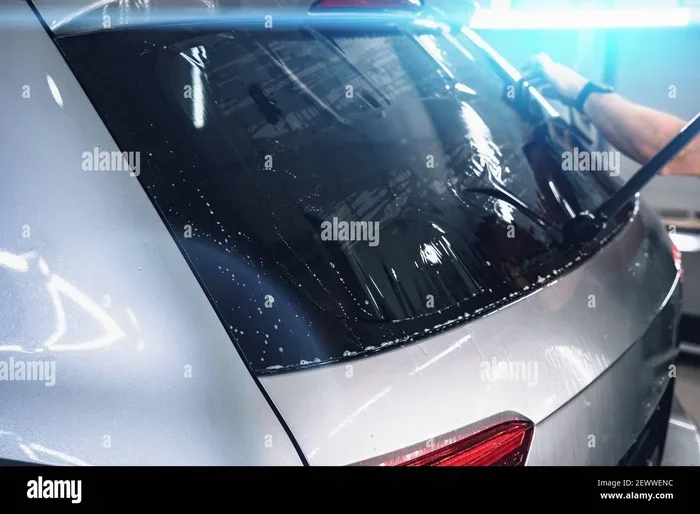
While some tint kits are designed for DIY installation, 24% tint is not the easiest shade to apply by yourself. The film is dark enough that any mistakes — like dust bubbles, creases, or misalignment — become very visible. Professional installation ensures a clean, bubble-free finish that looks great and lasts longer.
If you do decide to go the DIY route, make sure you have a proper installation kit with a squeegee, heat gun, and quality cleaning solution. Work in a dust-free environment and take your time with each window.
Curing Time and Aftercare
After installation, your tint needs time to cure. This process can take anywhere from a few days to a few weeks, depending on the film type and weather conditions. During this time:
- Avoid rolling down your windows for at least 3-5 days.
- Do not clean the inside of the tinted windows for the first week.
- Avoid parking in direct sunlight for extended periods during the curing phase.
- Use a soft cloth and non-ammonia cleaner once the tint is fully cured.
Proper aftercare extends the life of your automotive tint significantly. A well-maintained tint can last 5 to 10 years or even longer with good care.
Common Mistakes to Avoid with 24 Percent Tint
Even experienced car owners can make mistakes when it comes to window tinting. Here are some pitfalls to watch out for:
- Ignoring Local Laws: This is the number one mistake. Installing dark tint without checking legality can lead to fines and forced removal.
- Choosing the Cheapest Film: Budget tints often fade, bubble, and discolor within a year or two. Investing in a quality ceramic or hybrid film pays off in the long run.
- Tinting All Windows the Same: Different windows have different legal limits. Tinting front windows too dark can get you pulled over regularly.
- Skipping the Heat Gun: Without proper heat application, the film will not conform to curved window edges, leading to peeling and poor adhesion.
- Not Checking for Factory Tint: Some vehicles come with a light factory tint. Adding 24% film on top can push the combined VLT below legal limits in some states.
Taking the time to avoid these mistakes ensures your 24 percent window tint looks fantastic and stays compliant with the law.
How 24 Percent Tint Compares to Other Shades
To really understand where 24% tint fits, it helps to compare it to other popular tint percentages. Here is a quick comparison table:
Table: Tint Percentage Comparison
Tint Percentage | Light Transmission | Darkness Level | Best For
5% (Limo Tint) | Very Low | Very Dark | Maximum privacy, show cars
20% | Low | Dark | Style and moderate privacy
24% | Moderate-Low | Moderately Dark | Balanced style, UV protection, and visibility
35% | Moderate | Light to Medium | Subtle tint with good visibility
50% | High | Light | Mild tint, maximum legal compliance
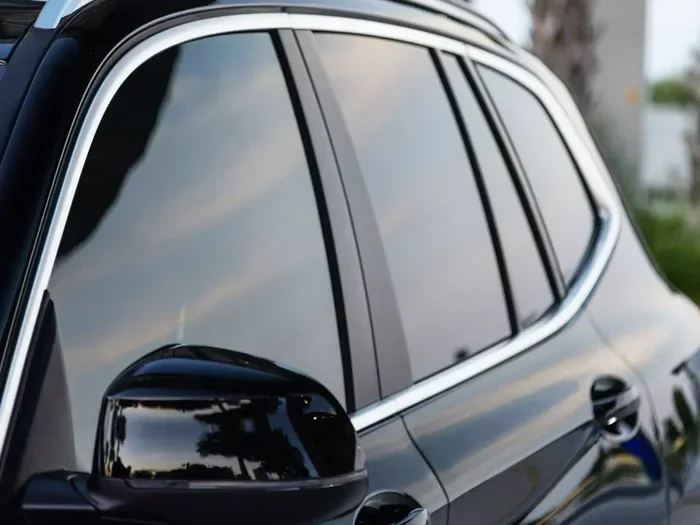
As you can see, 24 percent window tint offers a well-rounded package. It is darker than a 35% tint but lighter than a 20% shade. This makes it an excellent choice for people who want noticeable darkness without going to the extreme end of the spectrum.
Expert Insights on 24 Percent Window Tint
Professional tint installers and automotive experts often recommend 24% tint as a sweet spot for daily drivers. Here is what the experts say:
“24 percent is one of our most popular shades,” says Mark D., a certified tint installer with over 15 years of experience. “Customers love it because it darkens the car enough to look great but still allows safe visibility during the day. For night drivers, we usually suggest leaving the front windows lighter.”
Another expert, Sarah L., an automotive detailing specialist, adds: “The UV and heat rejection benefits of a quality 24% ceramic tint are outstanding. My clients in hot climates especially appreciate how much cooler their cars stay during summer months.”
These insights reinforce that 24 percent window tint is a practical, well-balanced choice for most vehicle owners — as long as you stay aware of the legal limits and visibility trade-offs.
For those interested in the technical side of automotive electronics and frequency-based systems, you might also find our guide on 2.4 GHz RC car transmitter and receiver systems interesting, as it explores how electronic signals interact with vehicle components — a related world of automotive tech. Similarly, if you are curious about scale models and how tint films appear on miniature vehicles, check out our 1:24 scale model cars article for a fun perspective on automotive detailing at a smaller scale.
How to Choose the Right 24 Percent Tint for Your Car
Not all 24% tint films are the same. Here is what to look for when making your selection:
- Film Type: Choose between dyed, metalized, hybrid, or ceramic films. Ceramic tints offer the best heat rejection and clarity but cost more.
- Brand Reputation: Stick with reputable brands that offer warranties. Brands like 3M, Llumar, and SunTek are trusted in the industry.
- Warranty Coverage: A good warranty should cover bubbling, peeling, fading, and discoloration for at least 5 years.
- Local Dealer: Buy from a local dealer who can provide professional installation and stand behind their work.
- State Compliance: Confirm that the 24% film you choose will keep you within legal limits for your specific windows.
Taking these factors into account ensures you get the best value and performance from your window tint percentage choice.
Cost Expectations for 24 Percent Tint
The window tint cost for a 24% film varies depending on the quality of the material, the number of windows, and whether you choose professional installation. On average, a full sedan wrap with quality 24% ceramic tint can range from $200 to $500. SUVs and larger vehicles may cost more due to the additional glass area.
Budget dyed films can be found for as low as $100 for a full set, but they typically do not last as long or perform as well as ceramic or hybrid options. Think of it as an investment in your vehicle’s comfort, appearance, and interior protection.
Conclusion
24 percent window tint is a fantastic option for car owners who want a balanced blend of style, protection, and visibility. It blocks harmful UV rays, reduces solar heat, and gives your vehicle a polished, darkened look. The key is understanding that visibility at night may be slightly reduced, and legal limits vary by state. Always check your local regulations before installing any tint, and invest in quality film and professional installation for the best results.
Whether you are tinting your daily driver for comfort or giving your car a custom look, 24% window tint delivers on all fronts. Just do your homework, choose the right film, and enjoy the ride with a more comfortable, stylish vehicle.
Frequently Asked Questions
Is 24 percent window tint legal on front side windows?
This depends entirely on your state’s laws. Many states require front side windows to have a VLT of at least 50%, which means 24% tint would be illegal on front sides. However, some states allow darker tints on front windows. Always check your local regulations before installation.
How dark does 24% tint look on a car?
A 24% tint gives your car a noticeably darkened appearance. It is significantly darker than a 35% or 50% tint but not as dark as a 5% or 20% shade. The effect is a sleek, finished look that enhances the vehicle’s overall appearance without being overly dark.
Can I see through 24% tint at night?
Yes, but with reduced clarity compared to lighter tints. At night, 24% tint allows less light in, which can make it harder to see the road, especially on unlit roads. Keeping your windows clean and ensuring your headlights are in good condition helps maintain better visibility.
What is the difference between 24% tint and 35% tint?
The main difference is the amount of light each tint allows through. A 24% tint lets in 24% of visible light, while a 35% tint lets in 35%. This means 24% tint is darker and provides more privacy and UV protection, but it also reduces visibility more than a 35% tint.
Does 24% tint block UV rays effectively?
Yes, quality 24% tint films can block up to 99% of harmful UVA and UVB rays. This level of protection helps prevent skin damage and reduces the fading of your car’s interior, including the dashboard, seats, and trim.
How long does 24% window tint last?
With proper installation and care, a quality 24% tint can last between 5 and 10 years. Ceramic and hybrid films tend to last longer than dyed films. Avoiding harsh chemicals and waiting for the film to fully cure before cleaning helps extend its lifespan significantly.
=== INTERNAL LINKS ===
Related Articles: