How Do I Turn On the Car With a Key A Complete Guide
Learn how do i turn on the car with a key in just a few simple steps. This guide explains the ignition switch, key positions, and common problems so you can start your vehicle with confidence. You’ll find practical tips, quick fixes, and expert advice to make starting your car easy every time.
Have you ever stood in front of your car, key in hand, wondering exactly how do i turn on the car with a key? It seems simple, but the process can feel confusing if you’re new to driving or if your vehicle has an older ignition system. Maybe you’ve just bought a used car with a traditional key, or perhaps you’re helping a friend who’s never used a key ignition. Either way, you’re in the right place.
Knowing how to start your car with a key is a basic skill that every driver should have. It’s not just about turning a metal object; it’s about understanding the ignition switch, the different key positions, and what happens under the hood. This guide walks you through every step, from inserting the key to hearing that satisfying engine purr. You’ll learn common problems, quick fixes, and safety tips that will make starting your car second nature.
We’ll cover everything from the basics of the ignition system to advanced tips for key fobs and older vehicles. By the end, you’ll know exactly what to do, what to avoid, and how to keep your ignition working smoothly for years. Let’s get started.
Key Takeaways
- Know your ignition switch: The key has four positions—Lock, Accessory, On, and Start—each powering different systems.
- Follow the right steps: Insert the key fully, turn it gently to Start, and release it once the engine cranks.
- Don’t force a stuck key: Jiggle the steering wheel, check the gear position, and avoid using worn keys.
- Maintain your ignition: Keep the keyhole clean, use the correct key, and replace the key fob battery when needed.
- Recognize warning signs: A stiff key, grinding noise, or ignition that slips out signals a problem that needs attention.
- When in doubt, call a pro: If basic steps don’t work, a mechanic can diagnose ignition switch failure or a faulty starter motor.
📑 Table of Contents
How Does the Ignition System Work?
The ignition system is the bridge between your key and the engine. When you insert the key and turn it, you’re activating a series of electrical connections that power up the car’s systems and eventually crank the starter motor. Understanding this process helps you troubleshoot when things go wrong.
The Ignition Switch and Key Positions
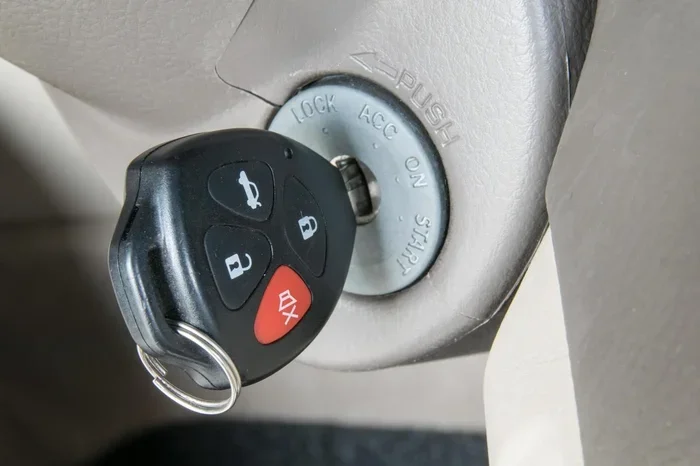
Most cars with a traditional key have an ignition switch with four main positions. Each position connects different circuits. Here’s a quick breakdown:
- Lock: The key is removed, and the steering wheel lock engages. This is the default position when you leave the car.
- Accessory (ACC): Turning the key one click powers accessories like the radio, power windows, and USB ports without starting the engine.
- On (Run): The second click powers all electrical systems, including the dashboard lights and fuel pump. The key stays in this position if you don’t turn it further.
- Start: The final click engages the starter motor, which cranks the engine. Once the engine starts, the key springs back to the On position.
Each position is designed to prevent electrical overload. For example, you can’t accidentally leave the key in Start because the spring return mechanism pulls it back. This simple design has been used in cars for decades and remains reliable. The lock cylinder inside the switch uses tumbler pins that align only with the correct key.
What Happens Under the Hood
When you turn the key to Start, the ignition switch sends battery power to the starter solenoid. The solenoid then engages the starter motor, which spins the engine. This draws in air and fuel, and the spark plugs ignite the mixture. The engine runs on its own, and you release the key. The spring return mechanism moves the key back to the On position.
The steering column lock is also part of this system. When the key is removed, a pin locks the steering column, preventing theft. You can’t turn the steering wheel while the key is out. This is a simple anti-theft feature that works automatically. If you ever deal with a locked steering wheel, gently wiggle it left and right while turning the key to release the lock.
Step-by-Step: How to Turn On Your Car with a Key
Starting a car with a key is a straightforward process once you know the steps. Follow this guide to get your engine running smoothly every time. Whether you drive a classic sedan or a modern SUV, the basic process is the same.
Prepare the Vehicle
- Sit in the driver’s seat. Make sure you’re buckled in and the seat is adjusted for comfortable reach to the steering wheel and ignition.
- Press the brake pedal. Most cars require the brake pedal to be pressed before the key can turn to Start. This safety feature prevents accidental starting.
- Ensure the gear selector is in Park (automatic) or Neutral (manual). The car won’t start if it’s in Gear. This prevents rolling accidents.
Insert and Turn the Key
- Insert the key fully into the ignition cylinder. The key should slide in smoothly. If it’s forced, you might be using the wrong key or the lock cylinder is jammed.
- Turn the key gently to the Start position. You’ll feel a slight resistance, then the engine will crank. Do not hold the key in Start for more than a few seconds. Overcranking can damage the starter motor and drain the battery.
- Release the key immediately. The spring mechanism will return it to the On position. You’ll see the dashboard lights come on, and the engine will idle smoothly.
Quick Tips for Smooth Ignition
- Don’t turn the key too fast. A slow, steady turn gives the ignition switch time to make proper contact with the electrical circuit.
- Check the key fob battery if you have a remote start. A weak battery can prevent the car from recognizing the key fob’s transponder signal.
- Listen for the fuel pump. You may hear a brief hum when you turn the key to On. That means the fuel system is pressurizing and ready.
- Keep the steering wheel straight when inserting the key. A locked steering wheel can make the key hard to turn and even damage the lock cylinder.
- Use the correct key. A worn or duplicate key that isn’t cut properly can slip in the tumbler pins and fail to start the engine.
What If the Key Won’t Turn?
If the key won’t turn in the ignition, don’t force it. Forcing a stuck key can break it inside the lock cylinder, leading to a costly repair. Try these steps instead:
- Jiggle the steering wheel gently. The lock mechanism may be engaged. Moving the wheel left and right can release the pin and free the key.
- Check the gear position. Shift the selector to Park or Neutral and try again. Some vehicles won’t allow the key to turn if the transmission is in Gear.
- Wiggle the key slightly while turning. A worn key may not push all the tumbler pins into the correct position. A gentle wiggle can help the pins align.
- Spray a small amount of graphite lubricant into the lock cylinder. This dry lubricant frees up a sticky ignition switch without attracting dust or causing corrosion.
- Try the spare key. If your main key is worn, the spare might turn more easily and get you going.
Common Ignition Problems and Quick Fixes
Even with proper care, ignition problems can happen. Knowing the signs and fixes saves time and money. Here are the most common issues drivers face with their ignition switch and lock cylinder.
Stiff Key or Stuck Ignition
A key that feels stiff or won’t move often means the lock cylinder is dry or dirty. Over time, dust and debris build up inside the ignition switch. You can fix this by applying a small amount of graphite powder or a dedicated lock lubricant. Avoid using WD-40 as a long-term solution; it can attract more grime and make the problem worse.
Common mistake: Forcing the key. This can bend the key or break it inside the cylinder. If the key breaks, you’ll need a locksmith or a new ignition lock cylinder. Always use a gentle, steady motion when turning the key.
Key Won’t Turn in the Lock
This usually happens when the steering wheel is locked. The lock pin engages when the key is removed, preventing the wheel from turning. To fix it, gently wiggle the steering wheel back and forth while trying to turn the key. The lock should release, and the key will turn freely.
Another cause is a worn key. If the key’s teeth are rounded, it won’t push the tumbler pins into the correct position. Get a duplicate key cut from the original, or have a locksmith make a new one based on the key code. Using the right key prevents unnecessary wear on the ignition switch.
Ignition Switch Failure Symptoms
A failing ignition switch can cause a range of problems. Watch for these signs:
- Dashboard lights flicker or don’t come on. The switch isn’t making proper contact in the On position, so the electrical circuit is incomplete.
- The car stalls or won’t start. The starter motor doesn’t engage, or the engine cranks weakly because the battery isn’t sending enough power through the switch.
- The key slips out of the Start position. The spring mechanism is worn, so the key doesn’t stay in the Run position. This can leave you stranded.
- Electrical accessories work intermittently. Power to the radio or windows cuts in and out as the switch contacts wear down.
If you notice any of these, have a mechanic inspect the ignition switch. Replacing it is usually a straightforward repair, but ignoring it can leave you stranded. A simple multimeter test can confirm whether the switch is delivering power correctly.
Common Mistakes to Avoid
- Leaving the key in the ignition overnight. This drains the battery and can wear out the lock cylinder. Always remove the key when you leave the vehicle.
- Using a key with a heavy keychain. The extra weight puts stress on the ignition switch tumblers, leading to premature wear. Keep your keychain light.
- Ignoring the steering wheel lock. Forcing a locked wheel can damage the steering column and the lock mechanism. Wiggle it gently instead.
- Spraying liquid lubricants directly into the lock. Liquids can cause corrosion inside the cylinder. Use dry graphite powder only.
- Turning the key too aggressively. Yanking or forcing the key can damage the keyway and the tumbler pins inside the lock cylinder.
Traditional Keys vs. Key Fobs: What’s the Difference?
Modern cars often use a key fob with a push button start, but many vehicles still rely on a traditional metal key. Both systems have their advantages. Here’s a comparison to help you understand the differences and decide what works best for you.
| Feature | Traditional Key Ignition | Key Fob with Push Button Start |
|---|---|---|
| Key Type | Metal key inserted into ignition cylinder | Smart key or remote fob; no physical insertion needed |
| How It Works | Turns an ignition lock cylinder to activate the starter motor | Press a button after the car detects the fob’s transponder signal |
| Security | Mechanical lock and key; can be picked | Immobilizer system and rolling code; harder to steal |
| Battery Dependence | None; the key has no battery | Key fob battery must be replaced periodically |
| Convenience | Simple, reliable, no batteries to worry about | Hands-free entry and start; key can stay in your pocket |
| Common Issues | Stiff lock cylinder, worn key, steering wheel lock | Dead fob battery, faulty transponder, sensor range issues |
| Backup Start Method | Always uses the physical key | Hidden key blade inside the fob for emergencies |
Both systems allow you to turn on the car with a key or a fob. The traditional key is simpler and doesn’t rely on electronics, making it reliable in extreme cold or when the battery is low. A key fob offers more convenience and better anti-theft protection through its immobilizer and transponder chip. Many drivers prefer having both options available in their vehicle.
The Mechanical Key Ignition
The mechanical key ignition has been around for over a century. It uses a lock cylinder with pins that align when the correct key is inserted. When you turn the key, the pins move the switch contacts, completing the electrical circuit to the starter motor. This system is durable and easy to repair. If the ignition switch fails, a mechanic can replace the lock cylinder without replacing the whole steering column. The keyway is designed to accept only the correct key profile, adding a layer of security.
Remote Start with a Key Fob
Key fobs use a transponder chip that communicates with the car’s immobilizer. When you press the start button, the car checks the fob’s unique rolling code. If the code matches, the engine starts. You can still use the traditional key slot if the fob battery dies. Most cars have a hidden key blade inside the fob that you can insert into a backup ignition slot, usually near the steering column. This ensures you can always start the engine even without a working fob battery.
Which Is Better for You?
If you drive an older car or a classic, a traditional key is all you need. It’s simple and requires no batteries. If you have a newer vehicle, a key fob with push button start offers a modern, seamless experience. The choice depends on your vehicle and personal preference. Both systems ultimately do the same job: they let you turn on the car with a key or fob safely and reliably.
Safety and Maintenance Tips for Your Ignition
Taking care of your ignition system prevents breakdowns and extends the life of your vehicle. A few simple habits can keep everything working smoothly, from the lock cylinder to the electrical circuit.
Keeping Your Ignition Clean
Dust and debris can enter the lock cylinder over time. Use a soft brush to clean around the keyhole. If the key feels gritty, blow compressed air into the cylinder. Avoid using liquids unless they are specifically designed for locks. A clean ignition switch ensures the key turns smoothly and makes proper electrical contact. Regular cleaning can prevent the build-up that causes a stiff key or a sticking ignition switch.
When to See a Mechanic
Some ignition problems are beyond a DIY fix. If you notice any of the following, schedule a service appointment right away:
- The key won’t turn even after trying all the fixes.
- The engine cranks but doesn’t start, which could indicate a fuel or spark issue beyond the ignition switch.
- The ignition switch feels loose or wobbly in the lock cylinder.
- You hear a grinding noise when turning the key, which suggests the starter motor or solenoid is failing.
- The dashboard warning lights stay on after starting, indicating a problem with the electrical circuit.
A mechanic can test the ignition switch, check the starter motor, and diagnose electrical issues. Ignoring these signs can lead to a car that won’t start at all. Early intervention saves money and keeps you on the road.
Expert Insights
“The most common cause of ignition problems is a worn key or a dirty lock cylinder. I always tell customers to keep a spare key and never force the key. If the key feels stiff, a little graphite can save you a costly repair. Also, never ignore a grinding noise—it’s your car telling you something needs attention.” — Automotive Specialist, Mike Torres
Preventing Steering Wheel Lock
The steering wheel lock is an anti-theft feature, but it can be annoying if it engages accidentally. To prevent it, always turn the steering wheel slightly when you remove the key. This releases the lock pin. If the lock does engage, don’t panic. Gently wiggle the wheel while turning the key. The lock will release without damage. This simple habit can save you from a frustrating morning when you’re trying to get to work.
Final Thoughts: Start Your Car with Confidence
Knowing how do i turn on the car with a key is more than just a mechanical skill; it’s about understanding your vehicle’s basic systems. From the four key positions to the step-by-step starting process, you now have the knowledge to handle most ignition situations. You’ve learned how to troubleshoot a stuck key, maintain your ignition switch, and choose between a traditional key and a key fob.
Remember, a little prevention goes a long way. Keep your key clean, use the correct key, and never force the ignition. If problems persist, a professional mechanic can help. With these tips, you’ll start your car smoothly every time, no matter the weather or the age of your vehicle. Drive safely and enjoy the confidence that comes with knowing your car inside and out.
Frequently Asked Questions
Can I start my car with a dead key fob battery?
Yes, most cars with push button start have a backup method. Look for a hidden key blade inside the fob. Insert it into a slot near the steering column or the start button. The car will recognize the fob’s transponder code and allow you to start the engine.
Why does my key get stuck in the ignition?
A stuck key is often caused by a locked steering wheel or a worn ignition lock cylinder. Try wiggling the steering wheel gently while turning the key. If the key is worn or bent, it may need to be replaced. Avoid using too much force, as you could break the key inside the lock cylinder.
Is it bad to leave the key in the ignition when the engine is off?
Yes, leaving the key in the Accessory or On position drains the battery over time. It also wears out the lock cylinder. Always remove the key when you leave the vehicle, and make sure the steering wheel is straight to prevent the lock from engaging.
How often should I replace my ignition switch?
Ignition switches are designed to last the life of the vehicle, but wear and tear can cause failure. If you notice flickering dashboard lights or the key slipping out, have a mechanic inspect it. There’s no set replacement schedule, but addressing issues early prevents bigger problems.
What’s the difference between the Accessory and On positions?
The Accessory position powers only the radio, lights, and other accessories without running the engine. The On position powers all electrical systems, including the fuel pump and engine control module. When you turn the key to Start, the engine cranks, and then the key returns to On automatically.
Can a locksmith fix a broken ignition lock cylinder?
Yes, a locksmith can replace the lock cylinder and cut a new key. They can also reprogram a key fob if needed. However, if the damage extends to the steering column, a mechanic may be required to handle the full repair safely.