How Do You Turn On a Hybrid Vehicle Step by Step Guide
Turning on a hybrid vehicle is simpler than you might think. This step-by-step guide walks you through the entire hybrid vehicle startup process, from inserting the key to hitting the road. You will learn how the hybrid powertrain works, what dashboard lights mean, and how to switch between electric mode and gas power. Whether you own a plug-in hybrid or a traditional full hybrid, this guide covers it all with clear, easy-to-follow instructions.
You just bought or leased a hybrid vehicle, and now you are standing in your driveway, staring at the dashboard. The car looks sleek, the hybrid battery is charged, and you are ready to go. But there is one problem. You have no idea how do you turn on a hybrid.
Do not worry. You are not alone. Thousands of people switch to hybrid cars every year, and the hybrid vehicle startup process can feel confusing at first. The good news is that turning on a hybrid car is actually much easier than starting a traditional gasoline engine. Once you learn the basic steps, you will never look back.
This guide breaks down everything you need to know. From the push button start process to understanding your dashboard indicators, we have got you covered. You will also learn about different hybrid modes, how to troubleshoot common issues, and expert tips that make your daily drive smoother. By the end, you will feel confident every time you sit behind the wheel.
Key Takeaways
- Hybrid startup is easy: Most hybrids use a simple push-button ignition system that works once you have the key fob inside the car.
- Different hybrids, different steps: Plug-in hybrids, mild hybrids, and full hybrids each have slightly different ignition processes.
- Dashboard indicators matter: Watch for the hybrid ready light and battery status symbols before driving.
- Pre-start checks save time: Checking your hybrid battery level and seat position takes seconds and prevents issues.
- Troubleshooting is straightforward: Most startup problems have simple fixes you can handle at home.
- Electric mode is ready to go: Many hybrids let you drive silently on electric power right after startup.
- Maintenance keeps it smooth: Regular care of your hybrid powertrain ensures reliable starts every time.
📑 Table of Contents
- Understanding Your Hybrid Vehicle Before Starting
- Step-by-Step Guide: How Do You Turn On a Hybrid
- What Happens When You Turn On a Hybrid
- Common Hybrid Startup Problems and How to Fix Them
- Hybrid Modes and How They Affect Your Startup
- Expert Tips for Maintaining Your Hybrid Ignition System
- Comparison: Starting a Hybrid vs. a Traditional Gas Car
- Frequently Asked Questions
- Conclusion
Understanding Your Hybrid Vehicle Before Starting
Before you learn how do you turn on a hybrid, it helps to understand what makes a hybrid vehicle different from a regular car. A hybrid powertrain combines an electric motor with a gasoline engine. Together, they work to deliver better fuel economy and lower emissions.
The Two Power Sources
Every hybrid car has two main power sources. The first is a battery pack that stores electrical energy. The second is a traditional gas engine. Depending on your driving conditions, the car switches between these two sources automatically. When you stop at a red light, the electric motor often takes over. When you hit the highway, the gas engine kicks in.
Types of Hybrid Systems
Not all hybrid vehicles are the same. Here are the main types you might own:
- Full Hybrid: Can run on electric power alone at low speeds. The gas engine turns on when more power is needed.
- Plug-In Hybrid (PHEV): Has a larger hybrid battery that you charge from an outlet. You can drive longer distances on electric power alone.
- Mild Hybrid: Uses a smaller electric motor to assist the gas engine. It cannot run on electric power alone.
Knowing which type you have matters because the hybrid vehicle startup process can vary slightly. A plug-in hybrid may require a charge check before you start. A mild hybrid follows a simpler ignition process. But the core steps remain similar across all types.
Step-by-Step Guide: How Do You Turn On a Hybrid
Now let us get into the heart of the matter. Here is the complete hybrid car ignition process, step by step. Whether you have a Toyota Prius, a Honda Insight, or any other hybrid model, these steps will apply.
Step 1: Prepare the Vehicle
Before you touch any buttons, make sure the car is in the right position. Put the brake pedal down firmly with your right foot. This is essential. Most hybrid vehicles will not start unless the brake is pressed. Next, make sure the gear selector is in Park. If your car has a hybrid system check, glance at the dashboard indicators to see if anything looks unusual.
Step 2: Have Your Key Fob Ready
Most modern hybrid cars use a push button start system. This means you do not need to insert a physical key. Instead, keep the key fob inside the vehicle, typically in your pocket or purse. The car reads the fob through a signal. If the fob battery is low, you might need to place it closer to the start button. Some models even have a backup slot for the fob if the battery dies completely.
Step 3: Press the Start Button
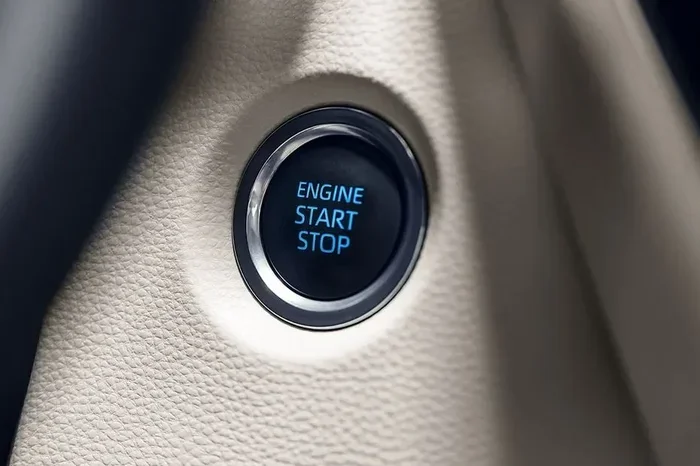
With your foot on the brake and the gear in Park, press the engine start stop button. In most hybrid vehicles, this button is located on the dashboard near the steering column. Press it once and wait. You will hear a click, and the dashboard lights will come on. This is your hybrid ready signal.
Here is what happens behind the scenes. The hybrid battery powers up the electric motor. The hybrid system performs a quick self-check. Within a few seconds, the hybrid ready light appears on the instrument cluster. This means your hybrid car is ready to go.
Step 4: Check the Dashboard Indicators
Once the car is on, take a quick look at the dashboard display. You should see a hybrid ready indicator. Some models also show the battery charge level and the current hybrid mode. If you see a warning light, do not panic. We will cover troubleshooting later in this guide.
Step 5: Select Your Driving Mode
Many hybrid vehicles offer multiple hybrid modes. You might see options like Eco, Normal, Sport, or EV mode. Each mode changes how the hybrid powertrain behaves. Eco mode prioritizes fuel savings. Sport mode delivers more power. EV mode uses only the electric motor for short distances. Select the mode that fits your driving needs and you are ready to hit the road.
Step 6: Release the Brake and Drive
With the hybrid system ready and your mode selected, slowly release the brake pedal. In most cases, the electric motor will move the car forward silently. This is one of the best parts of owning a hybrid vehicle. You get a smooth, quiet hybrid vehicle startup every single time.
What Happens When You Turn On a Hybrid
Understanding the hybrid vehicle startup process helps you appreciate the technology. When you press that start button, several things happen in sequence.
The Hybrid Battery Powers Up
The moment you press start, the hybrid battery sends power to the electric motor. This is different from a gas car, where the battery only powers the starter motor. In a hybrid car, the battery pack is much larger and more sophisticated. It provides enough energy to move the car on its own at low speeds.
The System Performs a Self-Check
Your hybrid system runs a quick diagnostic when you turn the key or press the button. It checks the battery charge level, the electric motor status, and the gas engine readiness. If everything looks good, the hybrid ready light turns on. This self-check usually takes just a few seconds.
The Engine May or May Not Start
Here is something many new hybrid owners find surprising. The gas engine does not always start when you turn on the car. In many cases, the electric motor handles all the power you need for city driving. The gas engine only kicks in when the battery is low or when you need extra speed. This is what makes hybrid vehicles so fuel-efficient.
Common Hybrid Startup Problems and How to Fix Them
Even though turning on a hybrid vehicle is generally simple, sometimes things do not go as planned. Here are the most common issues and their solutions.
The Car Does Not Start at All
If you press the start button and nothing happens, check a few things first. Make sure your foot is on the brake pedal. Confirm the gear selector is in Park. Then check the key fob battery. A weak fob battery is the most common reason for a failed hybrid vehicle startup. Replace the fob battery, and you should be good to go.
The Hybrid Ready Light Does Not Appear
If the dashboard lights come on but the hybrid ready indicator does not show, the hybrid battery might be too low. Plug in your plug-in hybrid and wait for it to charge. For other hybrid types, try turning the car off and on again. If the light still does not appear, consult your owner manual or visit a service center.
Warning Lights on the Dashboard
Dashboard warning lights can be scary. But in most cases, they are easy to address. A check engine light might indicate a minor sensor issue. A battery warning could mean the hybrid battery needs attention. If you see a red light, pull over safely and turn off the car. Then restart it. If the light persists, seek professional help.
Quick Tips for Smooth Hybrid Startup
- Always press the brake pedal before hitting the start button.
- Keep your key fob away from metal objects that might block the signal.
- Check your hybrid battery charge level at least once a week.
- Let the car idle for a few seconds after startup before driving.
- Keep the key fob battery replaced every 12 to 18 months.
Hybrid Modes and How They Affect Your Startup
Many hybrid vehicles come with selectable driving modes. These modes affect how the hybrid powertrain behaves from the moment you turn the car on.
EV Mode
EV mode uses only the electric motor. When you start the car in EV mode, the gas engine stays off completely. This is perfect for short trips around the neighborhood or for driving in areas with noise restrictions. Keep in mind that EV mode drains the hybrid battery faster, so use it wisely.
Eco Mode
Eco mode is the default choice for most drivers. It balances the electric motor and gas engine to maximize fuel economy. The hybrid vehicle startup in Eco mode is smooth and efficient. You will notice the car prioritizes electric mode driving whenever possible.
Sport Mode
Sport mode wakes up the hybrid powertrain. The gas engine responds faster, and the electric motor provides extra boost when you need it. This mode is great for merging onto highways or passing other cars. However, it uses more fuel than Eco mode.
Expert Tips for Maintaining Your Hybrid Ignition System
Taking care of your hybrid vehicle ignition system ensures reliable starts for years to come. Here are some expert-backed tips.
Keep the Key Fob in Good Shape
The key fob is the brain behind your push button start system. If the fob gets damaged or the battery dies, you cannot start the car. Replace the fob battery regularly and avoid dropping or exposing the fob to extreme temperatures.
Monitor Your Hybrid Battery Health
The hybrid battery is the heart of your hybrid vehicle. Have it checked during every service appointment. Most hybrid batteries last between 8 and 10 years, but proper care can extend their lifespan. Avoid letting the battery drain completely before recharging.
Follow the Manufacturer Maintenance Schedule
Every hybrid car comes with a recommended maintenance schedule. Follow it closely. Regular oil changes, brake inspections, and hybrid system checks keep everything running smoothly. A well-maintained hybrid vehicle starts reliably every single time.
Update Your Software When Prompted
Modern hybrid vehicles run on sophisticated software. Manufacturers sometimes release updates that improve the ignition process and overall performance. Check with your dealer about available software updates for your hybrid model.
Comparison: Starting a Hybrid vs. a Traditional Gas Car
You might be wondering how the hybrid vehicle startup compares to starting a regular gas car. Here is a quick side-by-side look.
| Feature | Hybrid Vehicle | Traditional Gas Car |
|---|---|---|
| Start Method | Push button with key fob | Key insertion or push button |
| Engine Noise at Startup | Nearly silent (electric motor) | Audible engine crank |
| Self-Check Process | Hybrid system diagnostic | Basic electrical check |
| Warm-Up Time | Very short or none | 30 seconds to 1 minute |
| Fuel Usage at Startup | Minimal (uses electric power) | Moderate |
| Dashboard Indicators | Hybrid ready light, battery status | Basic warning lights |
As you can see, the hybrid vehicle startup is quieter, faster, and more efficient. This is just one of the many benefits of owning a hybrid car.
Frequently Asked Questions
Do I need to warm up my hybrid vehicle before driving?
No. Unlike older gas cars, hybrid vehicles do not need a warm-up period. The electric motor provides instant power, and the hybrid system warms up the engine gently as you drive. Just start the car, check your dashboard indicators, and drive safely.
What should I do if the hybrid ready light does not come on?
First, make sure the brake pedal is pressed and the gear selector is in Park. Check that the key fob battery is not dead. If the light still does not appear, try turning the car off and back on. If the problem continues, consult your owner manual or visit a certified service center.
Can I start a hybrid vehicle without the key fob?
In most cases, no. The push button start system requires the key fob to be inside the vehicle. However, many hybrid models have a backup method. Check your owner manual for the specific backup start procedure for your car.
Is it safe to leave a hybrid vehicle running while parked?
Yes, it is generally safe. Hybrid vehicles are designed to run in electric mode while idling, which means the gas engine stays off. This actually reduces fuel consumption and emissions. Just be sure the car is in Park and the brake is pressed.
How often should I replace my key fob battery?
Most hybrid key fobs last between 12 and 18 months before the battery needs replacement. If you notice the fob signal getting weak or the hybrid vehicle startup becoming unreliable, it is probably time for a new battery. Replacement is quick and inexpensive.
Can a low hybrid battery prevent the car from starting?
Yes, a severely depleted hybrid battery can prevent startup. The hybrid system needs a minimum charge level to perform its self-check and power the electric motor. If your battery is very low, plug in your plug-in hybrid or drive the car for a while to allow the regenerative braking system to recharge it.
Conclusion
Learning how do you turn on a hybrid is one of the first steps to enjoying your new hybrid vehicle. The process is simple, fast, and much more convenient than starting a traditional gas car. From pressing the brake pedal to selecting your hybrid mode, each step takes just a few seconds.
Remember to keep your key fob battery fresh, monitor your hybrid battery health, and pay attention to your dashboard indicators. These small habits make a big difference over time. With the right care, your hybrid powertrain will deliver smooth, reliable starts for years to come.
Now that you know the full hybrid vehicle startup process, you can get behind the wheel with confidence. Press that start button, enjoy the quiet hum of the electric motor, and hit the road. Your hybrid car is ready when you are.