What Is the Cruise Control Icon and What Does It Mean
The cruise control icon is a small dashboard symbol that tells you your car’s speed control system is active. It looks like a speedometer with an arrow or a car icon, and it helps drivers maintain a steady speed on highways. Understanding what each cruise control symbol means can make your driving safer, smoother, and more comfortable.
Have you ever glanced at your car’s dashboard and spotted a small icon you did not recognize? Maybe it looked like a speedometer with an arrow or a tiny car silhouette. That symbol is the cruise control icon, and it plays a bigger role in your daily driving than you might think.
Many drivers see the cruise control symbol on their dashboard every single day without really knowing what it means. They turn it on, enjoy the ease of highway driving, and forget about it. But understanding what each dashboard indicator represents can make a real difference. It helps you stay safe, avoid costly repairs, and get the most out of your vehicle’s features.
In this guide, we will break down everything you need to know about the cruise control icon. We will look at what each speed control symbol means, where to find it, and how the system works in modern cars. Whether you are a new driver or someone who has been driving for years, this article will give you clear, practical knowledge you can use right away.
Key Takeaways
- The cruise control icon is a dashboard symbol that shows your speed control system is turned on and working.
- Different cars display different cruise control symbols, but they all share a common speedometer-like design.
- The adaptive cruise control icon looks slightly different from the traditional one and adds distance-sensing features.
- Flashing or colored cruise control lights usually mean there is a problem you need to check.
- Knowing how to use the cruise control button properly helps you drive more safely on long trips.
- Common issues include a blown fuse, a faulty brake switch, or a problem with the speed sensor.
- Always stay alert and keep your hands on the wheel, even when the speed limiter symbol is active.
📑 Table of Contents
What Is the Cruise Control Icon?
The Basic Definition
The cruise control icon is a small graphic on your car’s dashboard or instrument cluster. It shows that the cruise control system is turned on or currently engaged. When you see this dashboard indicator light up, it means your car is set to maintain a specific speed without you needing to keep your foot on the gas pedal.
Most cruise control symbols look like a small speedometer dial with an arrow pointing to a speed number. Some vehicles use a slightly different design, but they all share a similar look. The car speed icon is meant to be simple and easy to read at a glance. You do not need to be a car expert to understand what it is telling you.
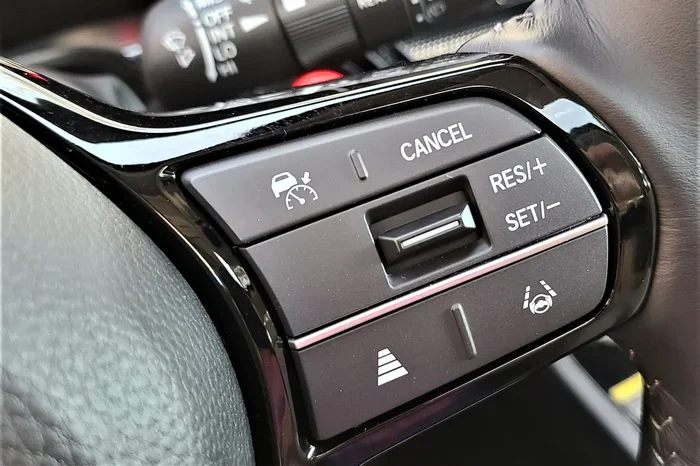
The cruise control button that activates this icon is usually located on your steering wheel or on the stalk near your steering column. When you press it, the system engages, and the cruise control icon appears on your dashboard. It is that simple.
Why It Matters for Every Driver
Knowing what the cruise control icon means is not just for car enthusiasts. It matters for every driver on the road. When you understand your dashboard lights, you can respond faster to problems. You also gain more confidence behind the wheel.
Think about long road trips. Driving for hours on end can cause fatigue. The auto speed control feature lets you relax your foot and focus more on the road ahead. But you need to know when the system is on and when it is off. That is where recognizing the cruise control symbol becomes essential.
Also, if you ever see a dashboard warning light that looks like the cruise control icon but is flashing or colored differently, that is a signal something needs attention. Ignoring it could lead to bigger problems down the road.
Where You Will Find the Cruise Control Icon on Your Dashboard
Common Locations Across Different Car Brands
The cruise control icon is almost always located on the instrument cluster behind your steering wheel. In most cars, it sits near the speedometer symbol and other dashboard indicators. The exact spot can vary depending on your vehicle make and model.
In Toyota and Honda vehicles, the speed control symbol is typically on the left side of the instrument cluster. In Ford and Chevrolet models, it is often placed right next to the fuel gauge. Luxury brands like BMW and Mercedes may display the cruise control indicator on a digital screen instead of a traditional gauge.
No matter where it is located, the design is usually consistent. You are looking for a small icon that resembles a speedometer with an arrow or a line pointing to a set speed value.
What the Icon Looks Like on Different Vehicles
The classic cruise control symbol is a speedometer silhouette with a lever or arrow pointing inward. It is usually green or white when the system is active. Some cars show it as a small car icon with a speedometer gauge beside it.
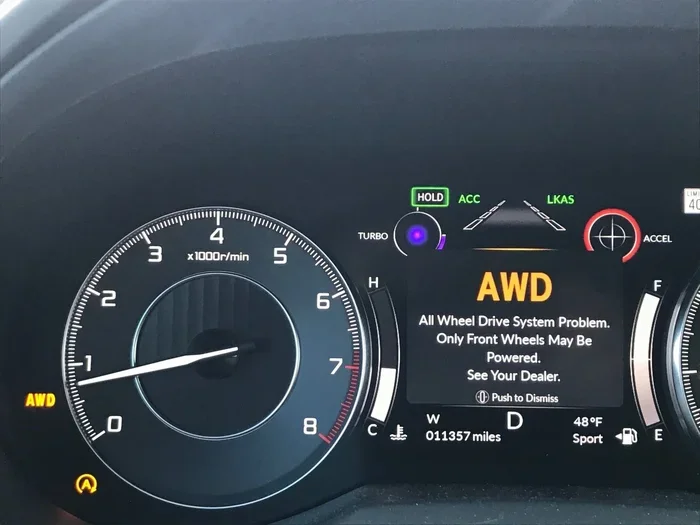
The adaptive cruise control icon looks a bit different. It often includes additional lines or waves that represent the radar or sensor system. This ACC indicator tells you that your car can automatically adjust its speed based on the vehicle ahead of you.
Here is a quick look at what you might see:
- Traditional cruise control symbol: A speedometer with an arrow pointing to a set speed.
- Adaptive cruise control icon: A speedometer with additional radar waves or car icons.
- On/Off indicator: A simple speedometer with a line through it or an ON/OFF label.
- Set speed light: A speedometer with a small SET label next to it.
What Each Cruise Control Symbol Means
Understanding the On/Off Indicator
The on/off cruise indicator is the most basic cruise control icon. It shows that the cruise control system is either turned on or turned off. When you press the cruise control button on your steering wheel, this symbol lights up to confirm the system is ready.
When the cruise control symbol is lit but not flashing, it means the system is active and waiting for you to set a speed. When it is off completely, the system is disabled. This is the first thing you should check if your speed limiter symbol is not working as expected.
The Set Speed Light
Once you have the cruise control icon on, you can press the SET button to lock in your current speed. The set speed light will then appear on your dashboard. This tells you the car is now maintaining that specific speed without any input from your foot.
The set speed light is especially useful on long highway drives. You can set your vehicle speed regulator to the speed limit and enjoy a more relaxed drive. Just remember that you can always adjust the set speed by tapping the + or – buttons on your steering wheel.
The Resume and Coast Symbols
Two other important dashboard indicators are the resume and coast symbols. The resume cruise symbol looks like a small arrow pointing upward or a RES label. It tells the system to return to the previously set speed after you have temporarily paused it.
You might use the resume function after passing a slower vehicle and tapping the brake pedal. The cruise control icon will show the resume symbol, and your car will accelerate back to the set speed automatically.
The coast symbol is the opposite. It tells your car to slow down by releasing the throttle. This is useful when you are going downhill and want the car to naturally decelerate without using the brakes. The deceleration icon is a small arrow pointing downward or a COAST label on the dashboard.
Warning Lights That Signal Problems
Not all cruise control symbols mean everything is working perfectly. Some indicate a problem. If your dashboard warning light flashes or turns a different color, pay attention.
A flashing cruise control icon often means the system has been turned off automatically. This can happen if you tap the brake pedal, which is a safety feature. It can also mean there is a sensor issue or a problem with the throttle control icon system.
Some cars display a yellow or amber speed control symbol when the system is limited or not working at full capacity. A red light usually means a more serious issue that needs immediate attention.
How Cruise Control Works in Modern Cars
The Technology Behind Auto Speed Control
The cruise control icon is connected to a system that uses sensors, cables, and electronic controls to manage your car’s speed. When you set a speed, the system tells the engine to maintain that set speed by adjusting the throttle position.
Older vehicles use a mechanical cable connected to the throttle. Newer cars rely on electronic controls and sensors. Either way, the vehicle speed regulator works to keep your car moving at a steady pace. The cruise control button on your steering wheel sends signals to the car’s computer, which then adjusts the throttle accordingly.
This technology has been around for decades, but it has evolved significantly. Modern driver assistance symbols on the dashboard reflect these advances. The speedometer symbol on your dash is now connected to much smarter systems than it used to be.
Adaptive Cruise Control vs. Traditional Cruise Control
Traditional cruise control maintains a fixed speed. It does not adjust for traffic. If the car ahead of you slows down, you still need to hit the brakes yourself. The cruise control icon for traditional systems is the simple speedometer design we talked about earlier.
Adaptive cruise control, or ACC, is a more advanced system. The ACC indicator on your dashboard tells you this feature is active. Adaptive cruise control uses radar, cameras, or sensors to detect the vehicle in front of you. It automatically slows down or speeds up to maintain a safe following distance.
The adaptive cruise control icon often includes additional symbols like radar waves or two small car icons. This highway driving assist feature makes long trips much more comfortable and can help reduce driver fatigue.
| Feature | Traditional Cruise Control | Adaptive Cruise Control |
|---|---|---|
| Speed Setting | Fixed speed only | Adjusts based on traffic |
| Dashboard Symbol | Simple speedometer with arrow | Speedometer with radar waves |
| Following Distance | Not automatic | Automatically maintained |
| Brake Response | Driver must brake | System can brake automatically |
| Best For | Open highways with light traffic | Heavy traffic and long drives |
When to Use the Cruise Control Button
The cruise control button is most useful on open highways where traffic is flowing steadily. It is perfect for long road trips where you want to reduce leg fatigue. Setting your cruise control icon at the speed limit helps you maintain a consistent pace.
However, you should not use cruise control in heavy city traffic, on winding roads, or during bad weather. Wet or icy roads can be dangerous when your car is set to maintain speed. Always use your judgment and turn the system off when conditions are not ideal.
Common Cruise Control Issues and Warning Lights
Why the Cruise Control Icon Might Flash
A flashing cruise control icon can be alarming, but it usually has a simple explanation. The most common reason is that you have tapped the brake pedal. When you brake, the system disengages automatically as a safety measure. The cruise control symbol will flash for a few seconds and then turn off.
Another reason could be a blown fuse or a faulty connection. If the dashboard indicator keeps flashing even when you have not touched the brake, it is worth getting the system checked by a mechanic. A faulty throttle control icon sensor can also cause the system to malfunction.
Sometimes the speed limiter symbol flashes because the car’s computer has detected a problem with the speed sensor. This sensor tells the cruise control system how fast you are going. If it fails, the system cannot maintain your set speed.
What to Do When the System Fails
If your cruise control icon does not light up at all when you press the cruise control button, try a few simple steps first. Turn the system off and back on. Check your fuse box for a blown fuse related to the cruise control system.
If those steps do not work, the issue might be with the brake light switch, the speed sensor, or the vehicle speed regulator module. These repairs can range from simple and affordable to more complex. A trusted mechanic can diagnose the problem quickly and let you know what needs to be fixed.
In the meantime, you can always drive manually by controlling your speed with the gas pedal and brake. The cruise control system is a convenience feature, not a safety requirement. Your car will drive perfectly fine without it.
Tips for Using Cruise Control Safely
Best Practices for Highway Driving
Using the cruise control icon correctly can make your drives safer and more enjoyable. Here are some practical tips to keep in mind:
- Only use cruise control on open, straight roads where traffic is steady and predictable.
- Keep your hands on the steering wheel at all times, even when the speed control symbol is active.
- Stay alert and avoid drowsy driving. Cruise control helps with comfort but does not replace your attention.
- Set your speed to the legal limit and adjust for road conditions like rain or wind.
- Use the resume function carefully after slowing down for traffic or road obstacles.
- Turn off cruise control in bad weather. Wet or icy roads need your full manual control.
When You Should Turn Cruise Control Off
There are certain situations where you should always turn off the cruise control icon and take manual control of your vehicle. These include:
- Heavy traffic or stop-and-go conditions where speeds change constantly.
- Winding or hilly roads where the system may not respond appropriately.
- Rain, snow, or icy road conditions where traction is reduced.
- Night driving in unfamiliar areas where you need to be extra cautious.
- When the dashboard warning light is flashing or showing an error.
Remember, the cruise control icon is a helpful tool, but you are still the driver. The system cannot read road conditions as well as you can. Always be ready to take over when needed.
Key Takeaways
The cruise control icon is one of the most useful dashboard indicators in your car. It gives you the freedom to enjoy long drives without constantly managing your speed. Understanding what each speed control symbol means helps you use the system safely and confidently.
Whether you are looking at the traditional cruise control symbol or the more advanced adaptive cruise control icon, knowing your dashboard lights is essential. When the cruise control indicator lights up, your car is ready to help you maintain a steady set speed. When it flashes or changes color, it is telling you something needs attention.
Keep this guide handy for reference. The next time you see the cruise control icon on your dashboard, you will know exactly what it means and how to get the most out of it. Safe travels and happy driving.
Frequently Asked Questions
What does the cruise control icon look like on a dashboard?
The cruise control icon typically looks like a small speedometer dial with an arrow pointing to a set speed. Some vehicles show it as a car silhouette next to a speedometer gauge. The adaptive cruise control icon may include additional radar wave symbols to show the advanced sensing system.
Can cruise control cause your car to speed up on its own?
No, traditional cruise control will not cause your car to speed up unexpectedly. It only maintains the set speed you have chosen. However, if the throttle control icon system has a malfunction, it could behave unpredictably. This is why it is important to get warning lights checked by a professional promptly.
Is it safe to use cruise control at night?
Using cruise control at night on open highways is generally safe. However, you should stay alert and keep your hands on the wheel. The vehicle speed regulator works the same way at night as it does during the day. If you feel tired, it is better to turn the system off and drive manually.
What is the difference between the cruise control icon and the adaptive cruise control icon?
The traditional cruise control symbol is a simple speedometer design. The adaptive cruise control icon includes additional symbols like radar waves or two car icons. Adaptive cruise control can automatically adjust your speed based on the vehicle ahead of you, while traditional cruise control only maintains a fixed speed.
Why does my cruise control keep turning off by itself?
This is often caused by a faulty brake light switch, a blown fuse, or a problem with the speed sensor. When you tap the brake, the system disengages as a safety feature. If it turns off without you braking, the dashboard warning light is telling you there is a technical issue that needs professional diagnosis.
Should I use cruise control in the rain?
No, you should avoid using cruise control on wet roads. When the speed limiter symbol is active, the system maintains your set speed even if the road is slippery. This can cause your tires to lose traction. Always switch to manual control in rainy or icy conditions for safety.
=== CONCLUSION ===
The cruise control icon is a simple yet powerful dashboard indicator that makes driving more comfortable and convenient. Whether you are on a long road trip or just cruising to work, understanding what each speed control symbol means puts you in better control of your vehicle. From the basic on/off cruise indicator to the advanced ACC indicator, each light on your dashboard has a purpose.
Take a moment to familiarize yourself with the cruise control icon and the other driver assistance symbols in your car. It is a small step that can lead to safer, more confident driving. Keep this guide bookmarked, and refer back to it whenever you have questions about what your dashboard is telling you.