Can I Change the Sound System in My Car for Better Sound
Yes, you can absolutely change the sound system in your car for better sound. Whether you want to replace your factory stereo, upgrade your speakers, or add a subwoofer, a car audio upgrade can transform your listening experience. This guide covers everything from choosing the right components to installation costs and compatibility.
Have you ever been driving down the road and thought your car music sounds flat and lifeless? You are not alone. Many drivers wonder if they can change the sound system in their car for better sound. The short answer is yes. You have plenty of options to upgrade your car audio and get that rich, clear, powerful sound you have been craving.
Changing your car sound system does not have to be complicated or expensive. Whether you just want better speakers or a complete audio overhaul, this guide walks you through everything you need to know. We will cover the different types of upgrades, what they cost, how to pick the right parts, and whether you should DIY or hire a pro.
By the end of this article, you will have a clear picture of what is possible for your vehicle. You will know exactly what steps to take to get better sound in your car. Let us dive in.
Key Takeaways
- Upgrading is possible: You can replace or enhance your car sound system with aftermarket components for noticeably better sound.
- Multiple upgrade paths: Options range from a simple head unit swap to a full system with amplifiers and subwoofers.
- Compatibility matters: Checking your car’s wiring, dash size, and factory system type prevents costly mistakes.
- Budget flexibility: Car audio upgrades can fit any budget, from $100 basic speaker swaps to $2,000+ premium setups.
- DIY or professional: Some upgrades are easy to do yourself, while others benefit from expert car audio installation.
- Sound quality improves significantly: Even small changes like replacing factory speakers make a big difference in clarity and depth.
📑 Table of Contents
- Why Your Factory Sound System Falls Short
- Can I Change the Sound System in My Car? Yes, Here Is How
- Understanding Car Audio Components
- How Much Does It Cost to Upgrade a Car Sound System?
- Step-by-Step Guide to Upgrading Your Car Sound System
- Common Mistakes to Avoid When Upgrading Car Audio
- Should You DIY or Hire a Professional?
- Expert Insights on Getting the Best Sound
- Key Takeaways
- Conclusion
Why Your Factory Sound System Falls Short
Most cars come with a factory sound system that works fine for casual listening. But if you are someone who really enjoys music, those stock speakers and head units often feel underwhelming. Manufacturers use budget components to keep car prices low. This means the sound quality suffers.
Factory speakers are usually made with lightweight materials that distort at higher volumes. The head unit, which is the control center of your car stereo, often lacks the power and features you need. Over time, these components also wear out, making the sound even worse.
Here are some common issues with factory car audio systems:
- Muffled or flat sound: Factory speakers often lack clarity, especially in the higher frequencies.
- Low power output: Most OEM stereos produce only 10 to 15 watts per channel, which is not enough for a rich listening experience.
- Limited connectivity: Older factory units may not support Bluetooth, USB, or smartphone integration.
- Poor bass response: Without a dedicated subwoofer, the low-end frequencies sound weak and undefined.
- Road noise interference: Factory systems do not account for the sound insulation of your specific car model.
If any of these sound familiar, it might be time to consider a car audio upgrade. The good news is that the aftermarket market offers solutions for every budget and every car model.
Can I Change the Sound System in My Car? Yes, Here Is How
The answer to “Can I change the sound system in my car for better sound?” is a resounding yes. You have several paths to choose from depending on your goals and budget. Some upgrades are simple and take under an hour. Others are more involved and require professional help.
Let us look at the main ways people upgrade their car audio systems.
Option 1: Replace the Head Unit
The head unit is the brain of your car stereo. Swapping out an old factory head unit for a modern aftermarket unit is one of the most popular upgrades. Today’s aftermarket head units come with Bluetooth, Apple CarPlay, Android Auto, and touchscreen displays.
A new head unit can instantly improve sound quality because it processes audio signals better than most factory units. It also gives you more control over EQ settings and sound tuning. Popular brands like Pioneer, Kenwood, and Sony offer excellent options at various price points.
Option 2: Upgrade Your Car Speakers
Swapping factory speakers for aftermarket car speakers is one of the easiest and most impactful upgrades you can make. Aftermarket speakers use better materials like silk tweeters, woven cones, and rubber surrounds. These materials produce cleaner, more detailed sound.
You can replace just the front speakers for a quick improvement, or go all out and replace every speaker in the car. Component speaker systems, which separate the tweeter from the woofer, offer the best sound staging and clarity.
Option 3: Add a Subwoofer
If your car lacks deep, punchy bass, adding a subwoofer can be a game-changer. A subwoofer handles the low-frequency sounds that regular speakers cannot reproduce well. This makes music feel fuller and more immersive.
Subwoofers come in different sizes, from compact 8-inch models that fit in tight spaces to large 12-inch or 15-inch subs for serious bass. You will also need a subwoofer enclosure and a car amplifier to power it properly.
Option 4: Install a Car Amplifier
A car amplifier boosts the audio signal from your head unit, giving your speakers more power and clarity. If you have upgraded your speakers but still feel the sound is lacking, an amplifier can make a huge difference.
Amplifiers come in different configurations. A mono amp powers a subwoofer. A 4-channel amp powers all four speakers. Some people add both for a complete sound system upgrade.
Option 5: Full System Overhaul
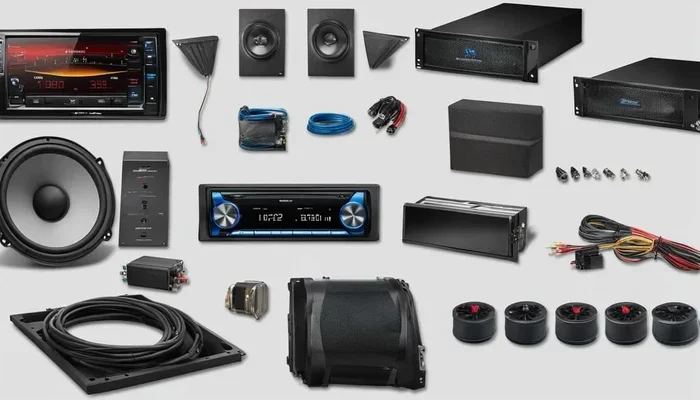
For the best possible sound, you can do a complete car audio overhaul. This means replacing the head unit, upgrading all speakers, adding an amplifier, installing a subwoofer, and even adding sound deadening material. This is the path audiophiles take to achieve premium sound quality.
Understanding Car Audio Components
Before you start shopping for parts, it helps to understand the basic components of a car sound system. Each part plays a specific role in delivering sound to your ears.
The Head Unit
The head unit, also called the car stereo or receiver, is the control center. It receives audio signals from your phone, radio, or USB drive and sends them to the speakers. Modern head units offer features like wireless charging, navigation, and voice control. When choosing a head unit, check for compatibility with your car’s dash and wiring harness.
The Speakers
Speakers convert electrical signals into sound. Most cars have at least four speakers: two in the front and two in the rear. Speaker sizes vary by car model, so measure your existing speakers before buying replacements. Coaxial speakers are all-in-one units, while component speakers separate the tweeter and woofer for better sound quality.
The Amplifier
An amplifier takes the weak audio signal from your head unit and boosts it. This allows your speakers to play louder and cleaner without distortion. Amplifiers are measured in watts, and more watts generally mean more power and volume. However, quality matters just as much as quantity.
The Subwoofer
A subwoofer is dedicated to producing low-frequency bass sounds. It adds depth and richness to music that regular speakers cannot deliver. Subwoofers need their own enclosure, which can be either sealed or ported, depending on the type of bass you prefer.
Wiring and Cables
Do not overlook the importance of quality wiring. Good speaker cables and power wires ensure clean signal transfer and prevent power loss. Cheap wiring can undermine even the most expensive car audio components.
How Much Does It Cost to Upgrade a Car Sound System?
The cost of a car audio upgrade varies widely based on what you want to achieve. Here is a general breakdown of costs for different upgrade levels.
| Upgrade Level | Components | Estimated Cost |
|---|---|---|
| Basic Speaker Swap | Aftermarket speakers only | $100 – $400 |
| Mid-Range Upgrade | New head unit + speakers | $300 – $800 |
| Advanced Setup | Head unit + speakers + amplifier | $500 – $1,200 |
| Premium System | Full overhaul with subwoofer | $1,000 – $2,500+ |
These costs do not include professional installation fees, which can add $100 to $500 or more depending on the complexity of the job. If you are handy and comfortable with basic wiring, you can save money by installing the system yourself.
Keep in mind that the car audio budget depends on your car model, the quality of parts you choose, and whether you need any additional adapters or wiring harnesses. Always shop around and compare prices before making a purchase.
Step-by-Step Guide to Upgrading Your Car Sound System
If you are ready to upgrade, here is a simple roadmap to follow.
Step 1: Define Your Goals
Ask yourself what you want from your upgraded system. Do you want louder volume? Better clarity? Deep bass? A modern connectivity experience? Knowing your priorities helps you choose the right components and stay within budget.
Step 2: Research Compatible Parts
Check your car’s make, model, and year to find compatible head units, speaker sizes, and mounting kits. Many retailers offer fitment guides that make this easy. Reading car audio reviews from other owners of your same model can also be very helpful.
Step 3: Purchase Your Components
Buy all the parts you need at once. This includes the head unit, speakers, amplifier (if needed), subwoofer (if desired), wiring harnesses, and any adapter brackets. Having everything ready before you start saves time and frustration.
Step 4: Remove the Old System
Disconnect the battery before starting any electrical work. Remove the old head unit using the appropriate removal tools. Take photos of the wiring before disconnecting anything so you can reference them later. Label each wire if needed.
Step 5: Install the New Components
Follow the installation instructions that come with each component. Connect the wiring harness adapter to your car’s factory wiring. Mount the new head unit and secure the speakers. Double-check every connection before moving on.
Step 6: Test and Tune
Reconnect the battery and power on the system. Test every speaker, all audio sources, and all features. Adjust the EQ settings to your preference. If you added a subwoofer, tune the crossover and gain settings for optimal bass response.
Common Mistakes to Avoid When Upgrading Car Audio
Even with the best intentions, people make mistakes during car audio upgrades. Here are some common pitfalls to watch out for.
- Skipping the wiring harness adapter: This small piece makes installation much easier and keeps your car’s wiring safe. Do not try to cut and splice factory wires.
- Buying mismatched components: Make sure your amplifier matches your speakers’ power handling. Mismatched components can cause distortion or damage.
- Ignoring impedance: Every speaker and amplifier has an impedance rating. Mismatched impedance can strain your equipment and reduce sound quality.
- Forgetting about sound deadening: Adding sound deadening material to your doors and trunk reduces road noise and improves speaker performance significantly.
- Overpowering your speakers: More watts do not always mean better sound. Match the amplifier power to your speakers’ recommended range for the best results.
- Not tuning the system: Even the best components sound mediocre if the system is not properly tuned. Spend time adjusting the EQ and crossover settings.
Avoiding these mistakes saves you money, time, and frustration. Take your time and do the research before each step.
Should You DIY or Hire a Professional?
This is one of the most common questions people ask when upgrading their car sound system. The answer depends on your skill level, the complexity of the upgrade, and how much time you have.
Simple upgrades like replacing speakers or swapping a head unit are very doable as DIY projects. Many online tutorials walk you through the process step by step. Basic tools like a screwdriver, wire stripper, and electrical tape are all you need.
More complex setups involving amplifiers, subwoofers, and custom wiring benefit from professional car audio installation. A trained technician ensures everything is wired correctly, mounted securely, and tuned properly. They also know how to hide wires cleanly and avoid common electrical issues.
If you are unsure, start with a simple upgrade and build your confidence. You can always add more components later and hire a pro for the advanced parts.
Expert Insights on Getting the Best Sound
Professional car audio installers agree on a few key principles that make a big difference in sound quality.
Start with the head unit. A good head unit processes audio signals cleanly and sends a strong signal to your speakers. Even with budget speakers, a quality head unit makes a noticeable difference.
Invest in speakers first. Speakers have the biggest impact on sound quality. Upgrading your speakers before anything else gives you the most immediate improvement in clarity and detail.
Add an amplifier when needed. If your speakers sound distorted at higher volumes, an amplifier provides clean power and eliminates that distortion. It is the difference between loud and clear.
Use sound deadening material. Products like Dynamat or Noico reduce vibration and road noise, allowing your speakers to perform at their best. This is an often-overlooked upgrade that makes a surprising difference.
Take time to tune. Spending 30 minutes adjusting EQ settings, crossover points, and fade levels can transform your listening experience. Do not skip this step.
Key Takeaways
- Upgrading is possible: You can replace or enhance your car sound system with aftermarket components for noticeably better sound.
- Multiple upgrade paths: Options range from a simple head unit swap to a full system with amplifiers and subwoofers.
- Compatibility matters: Checking your car’s wiring, dash size, and factory system type prevents costly mistakes.
- Budget flexibility: Car audio upgrades can fit any budget, from $100 basic speaker swaps to $2,000+ premium setups.
- DIY or professional: Some upgrades are easy to do yourself, while others benefit from expert car audio installation.
- Sound quality improves significantly: Even small changes like replacing factory speakers make a big difference in clarity and depth.
Conclusion
So, can you change the sound system in your car for better sound? Absolutely. Whether you start with a simple speaker replacement or go all-in with a complete car audio overhaul, the results are worth the effort and investment. A great sound system transforms every drive into an enjoyable experience.
Start by identifying what your current system lacks. Then choose the upgrade path that fits your goals and budget. Take your time with the installation, and do not forget to tune your system once everything is in place. With the right components and a little patience, you will be amazed at the difference a upgraded sound system makes.
Your car is a place you spend hours in every week. It deserves to sound as good as it looks. Take that first step today and enjoy better music on every ride.
Frequently Asked Questions
Can I change just the speakers without replacing the head unit?
Yes, absolutely. Swapping factory speakers for aftermarket speakers is one of the simplest upgrades you can make. You do not need to touch the head unit at all. Just make sure the new speakers match the size and mounting requirements of your car.
Do I need an amplifier if I only upgrade my speakers?
Not always. If your new speakers are efficient and your factory head unit provides enough power, you may not need an amplifier right away. However, adding an amplifier gives you headroom and cleaner sound, especially at higher volumes.
How long does a car audio upgrade take?
A simple speaker swap can take as little as 30 minutes to an hour. A head unit replacement usually takes one to two hours. A full system overhaul with amplifier and subwoofer can take a full day or more, especially if you hire a professional.
Will upgrading my sound system void my car warranty?
It depends on your warranty terms and how the installation is done. In most cases, adding aftermarket car audio parts does not void your warranty. However, if an installation causes damage to your car’s electrical system, the manufacturer may deny the related warranty claim. Always check with your dealer if you are unsure.
What is the best car audio brand for a budget upgrade?
Several brands offer excellent value for budget-conscious buyers. Brands like Rockville, Dual, and Pioneer provide solid performance at affordable prices. Reading car audio reviews and comparing features helps you find the best option for your specific needs.
Can I add Bluetooth to my car if the factory stereo does not have it?
Yes. You can either replace the head unit with one that has built-in Bluetooth, or add a Bluetooth adapter that connects to your existing stereo. A new head unit is the better long-term option because it also improves overall sound quality and adds features like Apple CarPlay and Android Auto.