How to Remove the TPMS Sensor Light Quickly and Easily
The TPMS sensor light can stay on even when your tires are fine, but you can remove it with the right tools and a few simple steps. This guide covers direct and indirect TPMS systems, the tools you need, and three proven methods to clear the warning. You’ll also learn when to replace a sensor and how to prevent the light from returning.
That little yellow tire-shaped warning on your dashboard can be really annoying. You just checked your tire pressure and everything looks perfect, yet the TPMS sensor light refuses to go away. Whether you drive a new 5 to 8 lakh car or an older model, this light can make you worry every time you start the engine.
The good news is that removing the TPMS sensor light is usually simple. You don’t need to visit a mechanic for every warning. In this guide, I’ll walk you through exactly how to remove the TPMS sensor light quickly and easily. You’ll understand what triggers the light, which tools help, and the step-by-step methods that work on most vehicles. By the end, you’ll have the confidence to reset the warning yourself and get back to worry-free driving.
Key Takeaways
- Know your system: Direct TPMS uses sensors inside the tire, while indirect TPMS relies on ABS wheel-speed sensors.
- Reset options: You can clear the TPMS light using an OBD-II scanner, a manual reset button, or by driving at a steady speed.
- Common causes: Low tire pressure, a dead sensor battery, or a faulty sensor often triggers the light.
- Prevention: Regular tire pressure checks and sensor battery replacement keep the light off.
- When to seek help: If the light persists after reset, a professional scan tool can pinpoint the exact sensor issue.
📑 Table of Contents
Understanding the TPMS Sensor Light
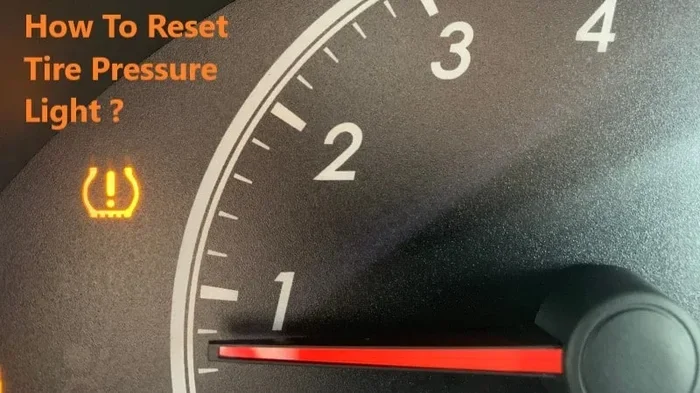
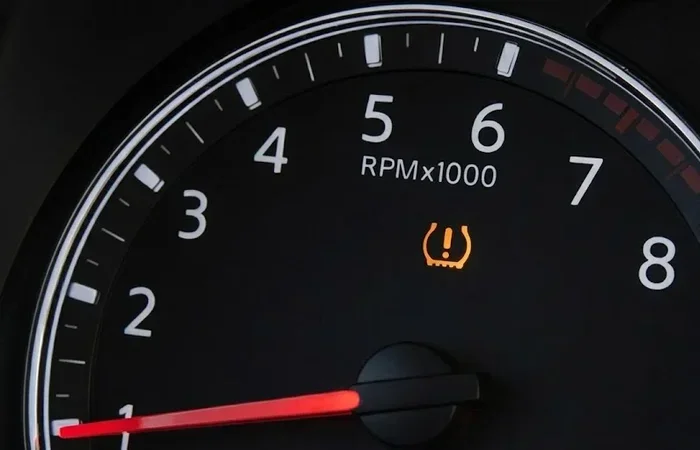
The Tire Pressure Monitoring System, or TPMS, is a safety feature that watches your tire air levels. When pressure drops below the recommended level, the system sends a signal to your car’s computer. This turns on the TPMS light on the dashboard. The light looks like a horseshoe shape with an exclamation mark in the center.
There are two main types of TPMS. Knowing which one your car has helps you choose the right reset method.
Direct TPMS
Direct TPMS uses a small sensor inside each tire. The sensor measures air pressure and sends a wireless signal to the car’s computer. If one tire is low, the light comes on. These sensors have a small battery that lasts about 5 to 10 years. When the battery dies, the sensor can’t send data, and the TPMS sensor light stays on.
Indirect TPMS
Indirect TPMS does not have sensors inside the tires. Instead, it uses the car’s ABS wheel-speed sensors. If one tire is underinflated, it spins faster than the others. The system notices this difference and triggers the warning. Indirect systems don’t have batteries to die, but they can still give false warnings after a tire rotation or a change in temperature.
Common Reasons the TPMS Light Stays On
Sometimes the light comes on for a clear reason. Other times, it stays on even after you fix the problem. Here are the most common causes.
- Low tire pressure: A slow leak or temperature drop can lower pressure enough to trigger the light.
- Dead sensor battery: The sensor battery dies over time, and the system can’t read that tire.
- Faulty sensor: A damaged sensor or one that has come loose from the wheel can send no signal.
- After a tire change: Mounting new tires or rotating them can disturb the sensor, causing a temporary warning.
- System needs a reset: Even after you fix the pressure, the light may not turn off until you manually reset it.
If you’ve already checked your tire pressure and it’s correct, the light likely needs a reset. That’s where the next section comes in.
Tools You’ll Need to Remove the TPMS Light
Before you start, gather a few basic tools. Most of them are inexpensive and easy to find. Having the right equipment makes the process smooth and fast.
- Tire pressure gauge: A digital or analog gauge to check each tire’s exact pressure. You can find a reliable one for under ₹500.
- OBD-II scanner: This diagnostic tool plugs into your car’s OBD-II port. It reads fault codes and can reset the TPMS light. Many affordable scanners work for TPMS reset.
- TPMS reset tool: Some vehicles need a dedicated TPMS reset tool that communicates with the sensors. Auto parts stores carry them.
- 12V car socket to 3 pin adapter: If you’re using a scanner or reset tool that needs mains power, a 12V car socket to 3 pin adapter lets you run it from your car’s cigarette lighter. This is handy when you’re working in a garage without a wall outlet.
- 12V to 230V car inverter: For more powerful diagnostic equipment, a 12V to 230V car inverter can convert your car battery’s 12V DC power to 230V AC. This lets you use a laptop or advanced scan tool anywhere.
With these tools ready, you can move to the actual reset methods. I’ll share three approaches, starting with the most reliable one.
Step-by-Step Guide to Remove the TPMS Sensor Light
There are three main ways to clear the TPMS sensor light. I recommend trying them in order. Each method works on different car models, so you may only need one.
Method 1: Using an OBD-II Scanner
This is the fastest and most accurate method. An OBD-II scanner reads the exact problem code and clears it from the system.
- Locate your car’s OBD-II port. It’s usually under the steering column, near the driver’s knee.
- Plug the scanner into the port. If your scanner needs power, you can use a 12V car socket to 3 pin adapter to run it from the car’s 12V socket.
- Turn the ignition to the “ON” position (do not start the engine).
- Follow the scanner’s menu to read the TPMS fault code.
- Once you know the code, select “Clear Codes” or “Reset TPMS.”
- Turn the ignition off, wait 30 seconds, then start the engine.
- Drive for a few minutes. The light should stay off if the problem is fixed.
Quick Tip: If you don’t own a scanner, many auto parts stores will read and clear codes for free. You can also borrow a scanner from a friend. For a more permanent solution, a basic OBD-II scanner costs around ₹1,500 to ₹3,000 and works on most cars made after 2000.
Method 2: Using the Manual Reset Button
Many cars have a dedicated TPMS reset button. It’s often located under the steering wheel, on the center console, or near the gear shifter. Check your owner’s manual for the exact spot.
- Make sure all tires are at the correct pressure.
- Turn the ignition to the “ON” position.
- Press and hold the TPMS reset button until the warning light blinks three times.
- Release the button and start the engine.
- The light should turn off. If it stays on, drive the car at a steady speed of 50 km/h for 10 minutes. The system often relearns the correct pressure.
Expert Insight: On some models, you need to hold the reset button for 10 to 15 seconds. Don’t let go too early. If the light doesn’t respond, try Method 3 before assuming the sensor is bad.
Method 3: Driving to Reset the System
Indirect TPMS systems often reset themselves after you drive a certain distance at a consistent speed. This method works when the light came on due to a temporary pressure change, like cold weather.
- Check and inflate all tires to the recommended pressure listed on the driver’s side door jamb.
- Drive on a highway or open road at a steady speed of 60 to 80 km/h.
- Maintain this speed for at least 15 to 20 minutes without hard braking or sharp turns.
- The system should recalibrate and turn off the light.
This method is simple but not foolproof. If the light returns after a few days, you likely have a faulty sensor or a slow leak that needs attention.
How to Replace a TPMS Sensor
If the TPMS sensor light stays on after a reset, the sensor itself might be the problem. A dead battery or a broken sensor requires replacement. You can do this yourself with basic tools, or a mechanic can handle it.
Signs Your TPMS Sensor Needs Replacement
- The light comes on even though all tires are at the correct pressure.
- The light flashes for 60 to 90 seconds when you start the car and then stays solid.
- You’ve had the car for more than 7 years and never replaced the sensors.
- One tire consistently shows a lower pressure reading than the others, even after inflation.
Steps to Replace a Direct TPMS Sensor
- Deflate the tire completely.
- Remove the tire from the wheel using a car jack and lug wrench.
- Unscrew the old sensor from the valve stem. It’s held by a small nut.
- Apply a thin layer of tire sealant to the new sensor’s O-ring.
- Screw the new sensor onto the valve stem by hand, then tighten it gently with a wrench.
- Remount the tire and inflate it to the correct pressure.
- Relearn the sensor using an OBD-II scanner or the car’s infotainment system.
Common Mistakes: Don’t overtighten the sensor nut. It can crack the sensor body. Also, always replace the sensor’s rubber O-ring. A damaged O-ring causes slow leaks around the valve stem. If you’re unsure, ask a tire shop to do the replacement. The cost for a single sensor typically ranges from ₹800 to ₹2,000, depending on the car model.
Preventing the TPMS Light from Coming Back
Once you’ve cleared the TPMS sensor light, you’ll want to keep it off. Regular maintenance is the best prevention.
- Check tire pressure monthly: A simple gauge takes two minutes and catches slow leaks early.
- Replace sensor batteries on schedule: Most TPMS sensor batteries last 5 to 7 years. If your car is older, consider replacing all sensors proactively.
- Use a quality tire gauge: Cheap gauges can give false readings. A digital gauge with a pressure release button is more accurate.
- Reset after tire service: Always reset the TPMS system after rotating tires, mounting new ones, or repairing a puncture.
- Keep a 12V to 230V car inverter in your trunk: This lets you power a portable scanner or compressor anywhere. A 12V to 230V car inverter is a great addition to your roadside kit.
Quick Tips: Temperature changes affect tire pressure. In winter, pressure can drop by 1 PSI for every 10°F drop. Check your pressure when the tires are cold (before driving) for the most accurate reading. Also, don’t ignore a flashing TPMS light. A flashing light often indicates a serious fault that needs immediate attention.
When to See a Professional
Most TPMS resets are DIY-friendly. However, some situations call for a professional. If you’ve tried all three methods and the light returns within a day or two, the issue may be deeper. A mechanic with a factory-level diagnostic tool can pinpoint which specific sensor is failing. They can also check for wiring issues or a problem with the car’s ABS system, which shares data with the TPMS.
For drivers of a 5 to 8 lakh car, the TPMS system is usually straightforward, and most garages are familiar with common sensor faults. If the cost of a new sensor worries you, ask the garage to show you the old part. Sometimes a simple cleaning of the sensor’s magnetic ring fixes the issue without a full replacement.
Conclusion
The TPMS sensor light is a helpful safety feature, but it can become a nuisance when it stays on for no clear reason. You now know how to remove the TPMS sensor light using an OBD-II scanner, a manual reset button, or a simple drive. You also understand when the light points to a real problem that needs sensor replacement or professional help. Keep a tire pressure gauge in your glove box, check your pressure regularly, and reset the system after any tire service. With these habits, your dashboard will stay quiet and your tires will stay safe. A few minutes of attention today can save you from a bigger headache tomorrow.
Frequently Asked Questions
Can I drive with the TPMS light on?
You can drive short distances if the light is steady and your tires feel normal. However, a steady light means the system has detected low pressure or a sensor fault. Check your tire pressure as soon as possible. If the light flashes, stop driving and inspect the tires, as this often indicates a serious sensor failure.
How much does it cost to replace a TPMS sensor?
A single TPMS sensor replacement typically costs between ₹800 and ₹2,000 for parts and labor. Some shops offer a discount if you replace all four sensors at once. The exact price depends on your car model and whether you choose an OEM or aftermarket sensor.
Will the TPMS light reset itself?
In some cases, yes. If the light came on because of a temporary pressure drop from cold weather, driving at a steady speed for 15 to 20 minutes can reset the system. However, if the light is caused by a dead battery or a faulty sensor, it will not turn off on its own and needs a manual reset or replacement.
What causes the TPMS light to come on after a tire change?
Mounting new tires can slightly disturb the TPMS sensor or its valve stem. The system may also need a reset after a tire rotation because the sensor positions have changed. Always ask the tire shop to reset the TPMS when you buy new tires or rotate them.
Is it safe to remove the TPMS sensor?
Removing the sensor is safe if you plan to replace it with a new one. However, driving without any TPMS sensor is not recommended. The system helps prevent accidents caused by underinflated tires. If you must remove a sensor temporarily, replace it as soon as possible and reset the system.
How do I know if my TPMS sensor battery is dead?
The most common sign is the TPMS light staying on even after you’ve checked and corrected the tire pressure. On many cars, a dead battery causes the light to flash for 60 to 90 seconds when you start the engine. An OBD-II scanner can also read the specific fault code that points to a sensor battery failure.