Does Car Insurance Cover Acts of God or Natural Disasters
Does car insurance cover acts of God? The answer depends on your coverage type. Most standard policies do not automatically protect against natural disasters, but comprehensive car insurance typically covers weather-related damage from events like hail, flooding, and wildfires. This guide explains exactly what is covered, what is excluded, and how to file a claim when disaster strikes your vehicle.
Every year, thousands of drivers face devastating weather events that damage or destroy their vehicles. Hurricanes, wildfires, floods, and earthquakes can strike without warning, leaving car owners scrambling to understand their coverage. If you have ever wondered whether your policy will help you recover after a natural disaster, you are not alone.
The term act of God is used frequently in insurance conversations, but many drivers do not fully understand what it means or how it affects their claims. This article explains everything you need to know about act of God car insurance coverage, including what is covered, what is not, and how to protect yourself before disaster strikes.
Key Takeaways
- Comprehensive coverage is essential: Standard liability policies do not cover acts of God. You need comprehensive insurance to receive protection from natural disasters.
- Acts of God have a specific definition: Insurance companies classify acts of God as events caused by nature that no human could prevent or control.
- Flood and earthquake damage often require add-ons: Many standard comprehensive policies exclude flooding and earthquakes, so you may need additional coverage.
- Filing a claim requires documentation: Photos, police reports, and damage assessments are critical for a successful act of God insurance claim.
- Preventive steps can reduce risk: Parking in safe areas and using protective covers can minimize weather-related damage to your vehicle.
- Deductibles still apply: Even with comprehensive coverage, you must pay your policy deductible before receiving an insurance payout.
- Not all natural disasters are covered equally: Some events like hurricanes and hail are typically covered, while others like mudslides may be excluded.
📑 Table of Contents
What Is an Act of God in Insurance Terms?
The Acts of God Definition
An act of God refers to a natural event that is completely outside human control. These events are severe, unexpected, and impossible to prevent through reasonable care. Insurance companies use this term to describe incidents like earthquakes, hurricanes, tornadoes, and lightning strikes. The acts of God definition matters because it determines whether your claim qualifies for coverage under your policy.
It is important to understand that not every weather event qualifies. A simple rainstorm or light snow does not count. The event must be extraordinary and directly cause damage to your vehicle. For example, a tree falling on your car during a severe thunderstorm is a classic act of God scenario.
How Insurers Classify Natural Events
Insurance companies categorize natural events into two groups: predictable and unpredictable. Predictable events include seasonal storms or areas known for flooding. Unpredictable events include sudden tornadoes or unexpected earthquakes. The classification can affect how your claim is processed. However, most insurers treat all acts of God the same way when it comes to comprehensive coverage.
Here are common events that fall under the acts of God definition:
- Hurricanes and tropical storms
- Earthquakes and tremors
- Hailstorms and severe wind
- Flooding and flash floods
- Wildfires and fire damage
- Lightning strikes
- Tornadoes and cyclones
- Volcanic eruptions
Does Car Insurance Cover Acts of God?
Liability Coverage vs. Comprehensive Coverage
The short answer is that it depends on your coverage type. Basic liability insurance does not cover acts of God. Liability coverage only pays for damage you cause to other people or their property. It does not pay for damage to your own vehicle from natural disasters.
Comprehensive car insurance is the coverage type that protects you from acts of God. This coverage pays for damage caused by events beyond your control, including weather-related damage. If a hailstorm dents your hood or a flood rises around your parked car, comprehensive coverage steps in to help.
Here is a simple comparison of how different coverage types handle acts of God:
- Liability coverage: Does not cover any damage to your own vehicle, regardless of the cause.
- Collision coverage: Covers accidents involving another vehicle or object, but not natural disasters.
- Comprehensive coverage: Covers acts of God, weather-related damage, theft, vandalism, and more.
If you only carry liability and collision coverage, you will not receive any financial help if a natural disaster damages your car. This is why comprehensive insurance is so important, especially if you live in an area prone to extreme weather.
When Act of God Coverage Applies
Comprehensive coverage applies when the damage is directly caused by a covered natural event. For instance, if a hurricane blows debris into your vehicle, your comprehensive policy should cover the repairs. Similarly, if rising floodwaters submerge your car, you can file a comprehensive claim for water damage.
However, timing matters. If you park your car in a known flood zone despite warnings, your insurer might question the claim. Always exercise reasonable care to protect your vehicle, even when an act of God is approaching.
Just like using a car windshield cover can protect your glass from debris during a storm, taking basic preventive steps shows your insurer that you acted responsibly. This can help speed up the claims process and avoid disputes.
Which Natural Disasters Does Comprehensive Coverage Protect Against?
Hail and Windstorms
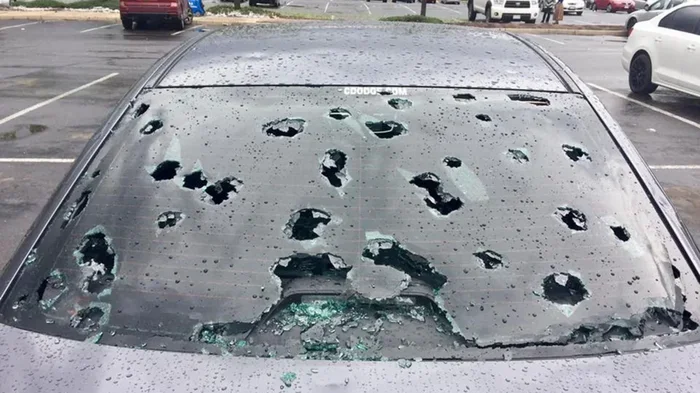
Hail damage is one of the most common weather-related claims. A severe hailstorm can dent your hood, crack your windshield, and scratch your paint. Comprehensive coverage typically pays for hail damage after you meet your policy deductible. Windstorms, including straight-line winds and derechos, are also covered under most comprehensive policies.
If a strong wind blows a tree branch onto your car, this counts as a covered event. The same applies when high winds cause debris to strike your vehicle. These are clear examples of weather-related car damage that comprehensive insurance handles well.
Flooding and Flash Floods
Flood damage is a major concern for drivers, especially in coastal areas and regions prone to heavy rainfall. The good news is that comprehensive coverage generally includes flood damage. Whether your car is submerged in rising water or damaged by a flash flood, your policy should cover the repairs or total loss.
Keep in mind that the insurance payout depends on your vehicle’s actual cash value at the time of the flood. If the repair costs exceed the car’s value, your insurer will declare it a total loss and pay you the market value instead.
Earthquakes and Tremors
Earthquake coverage for cars is a bit more complicated. In many standard comprehensive policies, earthquake damage is included. However, some policies exclude seismic events, especially in areas where earthquakes are common. If you live in California, Alaska, or other earthquake-prone regions, you should review your policy carefully.
Some insurers offer earthquake endorsements that you can add to your comprehensive coverage. These endorsements ensure that tremors, fault shifts, and seismic activity are fully covered. Without this add-on, you might find yourself paying out of pocket for earthquake damage.
Wildfires and Fire Damage
Wildfires can destroy entire neighborhoods, and your vehicle is not immune. Comprehensive coverage typically includes fire damage from wildfires, even if the fire spreads from nearby vegetation. Lightning strikes that ignite a fire near your car are also covered.
However, if you intentionally park your car in a fire zone during a mandatory evacuation order, your insurer may deny the claim. Always follow local emergency instructions to protect both yourself and your vehicle.
What Natural Disasters Are NOT Covered
Common Policy Exclusions
Not every natural event is covered under comprehensive insurance. Policy exclusions vary by insurer and state, but there are common gaps you should know about. Understanding these exclusions helps you avoid surprises when you file a comprehensive claim.
Here are natural disasters that are often excluded or limited:
- Gradual water damage: If water slowly seeps into your car over time, this is not an act of God. Insurers view this as wear and tear or neglect.
- Mudslides and landslides: Many policies exclude earth movement, including mudslides. You may need a separate endorsement for this type of coverage.
- Nuclear events: Damage from nuclear fallout is universally excluded from all car insurance policies.
- War and civil unrest: Events tied to conflict or terrorism are not covered under standard comprehensive policies.
When You Need Additional Coverage
If you live in an area with specific natural disaster risks, you may need additional coverage beyond standard comprehensive insurance. Flood insurance through the National Flood Insurance Program (NFIP) or private insurers can fill the gap for flood damage. Earthquake insurance endorsements are also available in high-risk regions.
Even electric vehicles need proper coverage for weather events. Extreme heat can affect battery performance and cause internal damage, and comprehensive coverage can help with weather-related issues that affect any vehicle type.
The best approach is to review your car insurance policy annually. Talk to your agent about the natural disaster risks in your area and ask whether your current coverage is sufficient.
Covered vs. Not Covered: A Quick Comparison
- Covered: Hail, windstorms, flooding, lightning strikes, wildfires, tornadoes, hurricanes, earthquakes (in most policies)
- Not Covered: Gradual water damage, mudslides (without endorsement), nuclear events, war-related damage, wear and tear
Always read your policy documents carefully. If a term is unclear, ask your insurance agent to explain it in plain language. Understanding your policy exclusions before a disaster strikes is the best way to avoid financial surprises.
How to File an Act of God Insurance Claim
Steps to Take After Damage
Filing a comprehensive claim after a natural disaster requires quick action. Follow these steps to protect your rights and speed up the process:
- Ensure your safety first. Do not approach damaged areas if there are immediate hazards like downed power lines or rising water.
- Document everything. Take photos and videos of all damage from multiple angles. Capture the overall scene as well as close-up shots of specific damage.
- Contact your insurance company immediately. Report the claim as soon as possible. Most policies have time limits for filing claims after a weather event.
- Get a professional assessment. Have a licensed mechanic or body shop evaluate the damage and provide a written estimate.
- Keep all receipts. Save receipts for any temporary repairs, towing costs, or emergency expenses you incur after the event.
Act quickly after a disaster. Insurance companies often give policyholders a limited window to file claims after major weather events. Delaying could result in a denied claim.
Documentation You Will Need
Your insurer will need solid evidence to process your act of God car insurance claim. Prepare the following documents before you call your insurance company:
- Photos and videos of all vehicle damage
- The date, time, and location of the event
- Weather reports or news articles confirming the event
- Police reports if applicable (for fallen trees, debris, or accidents during the event)
- A detailed damage estimate from a licensed repair shop
- Your policy number and contact information
The more documentation you provide, the smoother the claims process will be. Insurers want to see clear evidence that the damage was caused by a covered natural event and not by negligence or pre-existing issues.
Tips to Protect Your Vehicle From Natural Disasters
Preventive Measures
While you cannot prevent a natural disaster, you can take steps to reduce the risk of damage to your vehicle. Prevention is always better than filing a claim, and it can also lower your comprehensive insurance premium over time.
- Park in covered areas: Garages and carports offer the best protection from hail, wind, and falling debris.
- Use protective covers: A car windshield cover for snow can prevent ice buildup and protect your glass during winter storms.
- Stay informed about weather alerts: Sign up for local emergency notifications and move your vehicle to higher ground before flooding occurs.
- Keep your car maintained: A well-maintained vehicle handles extreme weather better. Check your tires, brakes, and fluid levels regularly.
- Avoid parking under trees: During storms, dead or weakened branches can fall and cause significant damage.
Extreme heat can also affect your vehicle, just as cars can overheat on hot days during heat waves. Parking in shaded areas and using sun shades can help protect your interior and prevent heat-related damage.
Parking and Storage Strategies
Where you park your car matters more than you might think. During hurricane season or wildfire season, parking in a garage or interior lot can significantly reduce your risk of weather-related damage. Here are some strategies to consider:
- Park on higher ground during flood warnings
- Use a car cover for hail protection during storm season
- Store your vehicle away from areas prone to falling trees or power lines
- Consider comprehensive coverage with a lower deductible if you live in a high-risk area
Common Mistakes to Avoid
Many drivers make mistakes after a natural disaster that can hurt their claim. Here are common errors to avoid:
- Delaying the claim: Waiting too long to report damage can result in a denial. Contact your insurer as soon as it is safe to do so.
- Starting repairs before the adjuster visits: Your insurer needs to see the damage firsthand. Do not repair anything until you have approval.
- Underestimating the damage: Even minor-looking damage can be expensive to repair. Always get a professional assessment.
- Assuming all water damage is covered: Gradual leaks and pre-existing issues are not covered. Only sudden, event-related water damage qualifies.
Expert Insights
Insurance professionals recommend reviewing your comprehensive coverage at least once a year, especially before natural disaster season. If you live in a coastal area, consider adding flood coverage. If you live in an earthquake zone, ask about seismic endorsements. These small steps can make a huge difference when disaster strikes.
Experts also advise keeping an emergency kit in your car that includes important documents, photos of your vehicle, and contact information for your insurance company. After a natural disaster, access to these items can speed up the claims process significantly.
Conclusion
So, does car insurance cover acts of God? The answer is yes, but only if you have comprehensive coverage. Standard liability policies do not protect you from natural disasters. Comprehensive insurance covers most weather-related damage, including hail, flooding, wildfires, and windstorms. However, certain events like mudslides and gradual water damage may be excluded or require additional endorsements.
Understanding your car insurance policy is the first step toward protecting yourself financially. Review your coverage regularly, know your policy deductible, and take preventive measures to reduce your risk. When a natural disaster strikes, having the right coverage gives you peace of mind and a clear path to recovery.
Take action today. Call your insurance agent, review your policy, and make sure your vehicle is protected against whatever nature throws your way. Being prepared is the best defense against the financial impact of an act of God.
Frequently Asked Questions
What does act of God mean in car insurance?
An act of God refers to a natural event that is completely outside human control and cannot be prevented through reasonable care. Examples include hurricanes, earthquakes, hail, floods, and wildfires. In car insurance terms, acts of God are covered under comprehensive coverage, not basic liability policies.
Is flood damage covered by car insurance?
Yes, flood damage is typically covered by comprehensive car insurance. This includes rising floodwaters, flash floods, and water damage from storms. However, if you do not have comprehensive coverage, flood damage will not be covered. Some policies may also require a separate flood endorsement in high-risk areas.
Does comprehensive insurance cover earthquakes?
Most comprehensive policies include earthquake coverage, but this varies by insurer and state. In earthquake-prone regions, some insurers may exclude seismic events or require a separate endorsement. Always check your policy documents or ask your agent to confirm whether earthquakes are covered under your plan.
How long do I have to file an act of God insurance claim?
The timeline varies by insurance company and state regulations. Most insurers encourage you to file a claim as soon as possible after the event, often within 30 to 90 days. After major natural disasters, insurers may extend filing deadlines. Contact your company immediately to avoid missing any important deadlines.
Will filing an act of God claim raise my insurance rates?
Not necessarily. Act of God claims are typically filed under comprehensive coverage, which is separate from collision. Many insurers do not raise rates for comprehensive claims because they are considered non-fault events. However, multiple claims within a short period could affect your premium.
What is the difference between an act of God and a weather-related event?
An act of God is a severe, extraordinary natural event that no human could prevent. A weather-related event is a broader term that includes both ordinary weather and severe natural disasters. Not all weather events qualify as acts of God. A light rainstorm is weather-related but not an act of God, while a tornado that causes significant damage qualifies.
=== CONCLUSION ===
Understanding whether does car insurance cover acts of God is essential for every driver. Comprehensive coverage is your best protection against natural disasters, from hailstorms and flooding to wildfires and earthquakes. Review your policy today, confirm your coverage limits, and consider adding endorsements if you live in a high-risk area. Being prepared before disaster strikes is the smartest decision you can make for your vehicle and your finances.