Does Car Insurance Automatically Renew What You Should Know
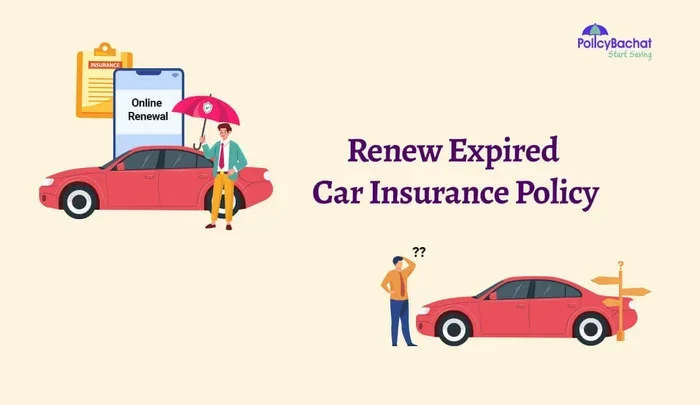
Does car insurance automatically renew? In most cases, yes. Your policy will renew on its own unless you or your insurance provider cancel it. However, automatic renewal does not mean you should just sit back and ignore it. Understanding how the renewal process works helps you avoid unexpected premium hikes, coverage gaps, and policy surprises.
Every car owner faces this question at some point. You get busy with life. Bills pile up. And then a letter arrives in the mail or an email lands in your inbox. It says your policy is renewing. But what does that actually mean? Does car insurance automatically renew without any action from you? The short answer is yes, in most cases. But the full picture is more nuanced than you might think.
Understanding how auto insurance renewal works can save you money, stress, and headaches. A lot of drivers simply let their policy roll over year after year without checking a single detail. That is a risky habit. Premiums change. Coverage limits shift. And sometimes, your insurance provider may not renew your policy at all. This guide breaks down everything you need to know about the renewal process.
Key Takeaways
- Most policies auto-renew: Car insurance policies typically renew automatically unless you or your insurer cancel them.
- Watch your renewal notice: Always read the renewal notice carefully for changes in premium, coverage, or terms.
- Premiums can increase: Automatic renewal does not lock in your current rate. Expect possible car insurance premium increases each year.
- Avoid a coverage lapse: A lapse in coverage can lead to higher rates, fines, and even license suspension.
- Shop around before renewal: Comparing quotes before your renewal date can save you significant money.
- Know your state laws: Some states require insurers to send a non-renewal notice within a specific timeframe.
📑 Table of Contents
- What Does It Mean When Your Car Insurance Automatically Renews?
- Why Do Insurance Premiums Increase at Renewal?
- What Happens If You Do Not Renew Your Car Insurance?
- Can Your Insurance Provider Non-Renew Your Policy?
- Should You Let Your Policy Auto-Renew or Shop Around?
- What to Do Before Your Policy Renewal Date
- Common Mistakes Drivers Make During Renewal
- Key Takeaways
What Does It Mean When Your Car Insurance Automatically Renews?
Automatic renewal means your insurance carrier extends your current policy for another term without you having to take any action. Most standard auto policies run for six months or one year. When the term ends, the policy renews itself. Your coverage stays in place. Your premiums carry forward. And you remain protected on the road.
But here is the part many drivers miss. Automatic renewal does not mean everything stays the same. Your insurance provider may adjust your premium. They might change your coverage limits. Or they could alter the deductibles on your policy. This is why reading your renewal notice is so important. It is not just a formality. It is your chance to review what you are paying for.
The automatic renewal clause is a standard feature in most insurance contracts. It gives the insurer the right to renew the policy at the end of each term. It also gives you the right to cancel before the renewal date. Make sure you understand the policy terms before you sign. Knowing your rights helps you stay in control.
How the Renewal Process Works Step by Step
The renewal process follows a pretty predictable pattern. Here is how it typically unfolds:
- Your insurance provider sends a renewal notice 30 to 60 days before your renewal date.
- The notice includes your updated premium, coverage details, and any changes to your policy.
- If you do not cancel or make changes, the policy renews automatically on the renewal date.
- Your new term begins, and your premium is billed according to the updated rate.
Some insurers send renewal notices by mail. Others use email or text messages. Check with your insurance carrier to confirm how they communicate renewal details. Staying informed keeps you from missing important updates.
Why Do Insurance Premiums Increase at Renewal?
One of the biggest surprises drivers face is a higher premium at renewal. You did not file a claim. You did not get a ticket. So why did your rate go up? There are several reasons this happens, and most of them are completely normal.
Common Reasons for a Car Insurance Premium Increase
- Inflation and rising costs: Repair costs, medical expenses, and parts prices go up every year. Insurers adjust premiums to keep pace.
- Claims in your area: If your neighborhood sees more accidents or thefts, your rates may climb.
- Changes in your driving record: Even a minor violation from the past year can affect your rate.
- Policy adjustments: Your insurer may have updated coverage limits or added endorsements.
- Credit score impact: In many states, insurers use credit-based insurance scores to set rates. If your score drops, your premium may rise.
Understanding why your rate changes helps you make smarter decisions. You are not powerless. You can always shop around for better car insurance rates. More on that later.
What Happens If You Do Not Renew Your Car Insurance?
Let us say you ignore the renewal notice. You do not pay the premium. What happens next? The consequences can be serious. A lapse in coverage is not something you want to deal with.
The Risks of a Coverage Lapse
A coverage lapse means your insurance protection drops to zero. If you get into an accident during a lapse, you pay for everything out of pocket. That includes vehicle repairs, medical bills, and legal fees. In most states, driving without insurance is illegal. You could face fines, license suspension, or even vehicle impoundment.
Some states require proof of insurance to register your vehicle. If your policy lapses, your registration may be suspended. This creates a domino effect of problems. You cannot legally drive. You cannot register your car. And you may need to file an SR-22 form to get back on the road.
Also, a lapse in coverage can make future insurance more expensive. Insurers view drivers with gaps in coverage as high-risk. Your premiums will likely go up when you shop for a new policy. This is why continuous coverage matters so much.
Grace Periods and What to Know
Most insurance carriers offer a grace period after your renewal date. This is usually 10 to 30 days. During this window, your coverage stays active even if you have not paid. But do not count on this as a safety net. The grace period is not a free pass. Your insurer can cancel the policy if payment is not received within that timeframe.
Set a reminder on your phone. Mark your calendar. Do whatever it takes to make sure your premium gets paid on time. A little effort now saves you from major headaches later.
Can Your Insurance Provider Non-Renew Your Policy?
Yes, they can. And it happens more often than most people realize. Non-renewal means your insurance carrier decides not to extend your policy. You receive a non-renewal notice before the renewal date. The policy ends, and you must find new coverage.
Insurers non-renew policies for various reasons. You may have filed too many claims. Your driving record may have worsened. Or the insurer may simply decide to stop offering coverage in your area. Whatever the reason, you deserve to know why.
Most states require insurers to provide a non-renewal notice within a specific timeframe. This is usually 30 to 60 days before the renewal date. The notice must explain the reason for non-renewal. If you believe the decision is unfair, you can contact your state insurance department for help.
Receiving a non-renewal notice can feel stressful. But it is not the end of the world. You still have options. You can shop for a new policy, improve your driving record, or address the issues that led to the non-renewal. Staying proactive gives you the best chance of finding affordable coverage.
Should You Let Your Policy Auto-Renew or Shop Around?
This is the big question. And the answer depends on your situation. Letting your policy auto-renew is convenient. You do not have to do anything. Your coverage continues without interruption. But convenience does not always mean savings.
Shopping around before your renewal date gives you the power to compare. Different insurance providers offer different rates. You might find a better deal with a competing carrier. Even if you stay with your current insurer, asking for a discount or bundling options can lower your premium.
Quick Tips for Saving Money at Renewal
- Compare quotes from at least three insurance providers before your renewal date.
- Ask your current insurer about available discounts, such as safe driver or loyalty discounts.
- Review your coverage limits and drop any unnecessary add-ons.
- Consider raising your deductible to lower your monthly premium.
- Check if bundling your auto and home insurance saves you money.
- Maintain a clean driving record to qualify for safe driver rates.
- Ask about the impact of your credit score on your insurance premium.
If you lease your vehicle, things work a bit differently. Leasing companies often require specific coverage levels and may handle the renewal process differently. Understanding how leasing affects your insurance can help you avoid surprises. For more details on this topic, check out our guide on does leasing a car affect your credit, as credit factors often play a role in insurance pricing.
Expert Insight: What Insurance Agents Say About Auto Renewal
Insurance agents agree on one thing. Do not just let your policy renew without reviewing it. The auto insurance market changes constantly. New carriers enter the market. Rates fluctuate. Coverage options evolve. A policy that was a great deal last year might not be the best deal this year.
Agents recommend setting a calendar reminder 45 days before your renewal date. Use that time to review your policy, compare quotes, and make informed decisions. This small habit can save you hundreds of dollars over the life of your policy.
What to Do Before Your Policy Renewal Date
Preparing for your renewal does not have to be complicated. A few simple steps can make a big difference. Here is a checklist you can follow:
- Review your current policy. Check your coverage limits, deductibles, and endorsements. Make sure everything still meets your needs.
- Read your renewal notice carefully. Look for changes in premium, coverage, or policy terms. Ask questions if anything is unclear.
- Compare quotes from other insurers. Use online comparison tools or work with an independent agent. You may find better rates elsewhere.
- Check your driving record. Errors on your record can inflate your premium. Dispute any inaccuracies before your renewal.
- Ask about discounts. Safe driver, multi-policy, and loyalty discounts can all reduce your costs.
- Set up automatic payments. This helps you avoid a lapse in coverage and may qualify you for a discount.
Taking these steps shows your insurance provider that you are an informed, responsible policyholder. It also puts you in a position of power during negotiations. You are not stuck with whatever rate they offer. You always have choices.
Common Mistakes Drivers Make During Renewal
Avoiding common mistakes can save you time and money. Here are a few pitfalls to watch out for:
- Ignoring the renewal notice: This is the biggest mistake drivers make. The notice contains critical information about your premium and coverage changes.
- Assuming your rate will stay the same: Rates change every year. Never assume your current rate is the best available.
- Not comparing quotes: Loyalty is good, but not at the cost of overpaying. Always compare before you renew.
- Dropping coverage to save money: Cutting coverage to lower your premium can leave you exposed. Make sure you maintain the minimum required by your state.
- Forgetting to update your information: Changes in address, vehicle, or driving habits can affect your rate. Keep your insurer updated.
One thing that catches people off guard is when their insurance company requires a diagnostic or inspection before renewing a policy, especially for older vehicles. Regular maintenance checks can actually help you qualify for better rates. If you are curious about what kind of free services are available at auto shops, our article on can you get a free diagnostic on your car explores this topic in detail.
Another mistake is assuming that your coverage automatically follows your needs. Life changes. You might have a new vehicle, a new driver in the household, or a different commute. Review your policy with these changes in mind. A policy that worked last year might not be the right fit today.
Key Takeaways
- Most car insurance policies auto-renew: Your coverage continues unless you or your insurer cancel it.
- Always read your renewal notice: It contains important details about premium changes and coverage updates.
- Premiums can increase at renewal: This is normal and driven by factors like inflation, claims, and driving record.
- A coverage lapse has serious consequences: Avoid it at all costs by paying your premium on time.
- Non-renewal is possible: Insurers can choose not to renew your policy for various reasons.
- Shopping around saves money: Comparing quotes before renewal can lead to significant savings.
- Preparation is key: Review your policy, update your info, and ask about discounts well before your renewal date.
Understanding does car insurance automatically renew is more than just a trivia question. It is a fundamental part of being a responsible vehicle owner. When you know how the process works, you take control of your insurance journey. You avoid surprises. You protect your wallet. And you make sure your coverage always fits your needs.
The renewal process does not have to be confusing or stressful. With a little preparation and awareness, you can navigate it confidently every single time. Set your reminders. Read your notices. Compare your options. And never assume that auto-renewal means you are getting the best deal. The best deal goes to the drivers who stay informed and take action.
Your car insurance protects you on the road. It protects your finances. And it gives you peace of mind. Make sure your policy is working as hard as you are. A few minutes of effort before your renewal date can pay off for months and even years to come. Stay proactive. Stay protected. And never stop learning about the insurance options available to you.
If you are currently dealing with insurance questions related to rental vehicles or special driving situations, our guide on can you use an E Zpass in a rental car covers important insurance considerations for rental driving that complement your understanding of policy renewals.
Frequently Asked Questions
Does car insurance automatically renew if I do not respond to the renewal notice?
Yes, in most cases your policy will auto-renew even if you do not respond. However, you should still review the notice carefully. Your premium may have changed, or your coverage limits may have been adjusted. Taking a few minutes to review can save you from unexpected costs.
Can I cancel my auto insurance policy during the renewal period?
Yes, you can cancel your policy at any time, including during the renewal period. Check your policy terms for any cancellation fees or notice requirements. Most insurers require 30 days of written notice before the renewal date to avoid being billed for the next term.
What is the difference between renewal and non-renewal of car insurance?
Renewal means your insurance carrier extends your current policy for another term. Non-renewal means the insurer decides not to continue your coverage. Non-renewal requires the company to send you a notice, usually 30 to 60 days before your policy end date. Understanding this difference helps you stay ahead of any coverage changes.
Will my insurance premium definitely increase at renewal?
Not necessarily. Some drivers see their rates stay the same or even decrease. Premium changes depend on factors like your driving record, claims history, and the overall insurance market. Shopping around can help you determine if your current rate is competitive.
How far in advance should I start preparing for my policy renewal?
Start preparing at least 30 to 45 days before your renewal date. This gives you enough time to review your current policy, compare quotes from other insurers, and make any necessary changes. Early preparation ensures you never face a lapse in coverage or a surprise premium hike.
What happens if my payment does not go through on the renewal date?
Most insurers offer a grace period of 10 to 30 days after the renewal date. During this time, your coverage remains active. However, if payment is still not received, the policy may be canceled. Setting up automatic payments or reminders helps prevent this situation entirely.