Do Toyota 4Runners Have Issues You Should Know About
Toyota 4Runners are known for durability, but they are not immune to problems. Common issues include powertrain concerns, electrical gremlins, and 4WD system quirks that owners should understand. Knowing these potential trouble spots helps you make smarter buying and maintenance decisions. This guide covers the real issues and what you can do about them.
Do Toyota 4Runners Have Issues You Should Know About
The Toyota 4Runner has earned a reputation as one of the toughest SUVs on the road. For decades, buyers have trusted it for off-road capability, solid build quality, and long-term durability. But here is the honest truth. Even the best vehicles have flaws.
So do Toyota 4Runners have issues? Yes, they do. And knowing what those issues are before you buy or own one can save you time, money, and headaches. This article breaks down the most common problems reported by owners and experts alike. We will cover everything from engine troubles to electrical quirks.
Toyota 4Runner reliability is generally strong, but no vehicle is perfect. Whether you are shopping for a used model or already own one, understanding potential Toyota 4Runner problems puts you in a much better position. Let us dive into what you need to know.
The Toyota 4Runner has been around since the 1980s. Over the years, Toyota has made thousands of changes to the design. Some changes improved the vehicle. Others introduced new 4Runner common problems that owners still deal with today.
The 4Runner is built on a body-on-frame platform. This gives it excellent off-road ability and towing strength. But it also adds weight and complexity. More parts mean more things that can go wrong over time.
Owners love the 4Runner for its ruggedness. But when Toyota SUV issues do arise, they can be costly. The key is knowing what to watch for. That way, you catch problems early before they become expensive repairs.
Key Takeaways
- Toyota 4Runners are generally reliable, but certain model years have known problem areas.
- Engine and transmission issues can appear, especially in higher-mileage vehicles.
- Electrical glitches and 4WD system faults are among the most reported complaints.
- Regular maintenance dramatically reduces the risk of major 4Runner problems.
- Understanding common issues helps you negotiate a better price or avoid a bad buy.
- Rust and suspension wear are long-term concerns for older models.
📑 Table of Contents
Common Toyota 4Runner Problems by Category
Toyota 4Runner issues fall into several main categories. Each category affects different parts of the vehicle. Let us walk through them one by one.
Engine and Powertrain Issues
The 4Runner has used a few different engines over the years. The most common is the 4.0-liter V6, which appeared in models from 2003 to 2023. While this engine is generally dependable, it is not without issues.
Some owners report oil consumption problems. Others notice rough idling or misfires as the vehicle ages. The 4.0-liter V6 is known for lasting well beyond 200,000 miles. But it does need proper care to get there.
Transmission problems are another concern. The 5-speed automatic transmission in older models can develop hesitation or harsh shifting. In some cases, the transmission needs a full rebuild. This is especially common in high-mileage 4Runners that have not had regular fluid changes.
One of the more serious 4Runner engine issues involves the timing chain. On certain model years, the timing chain can stretch over time. A stretched chain leads to poor engine performance. In worst cases, it can cause engine failure.
Electrical and Electronics Glitches
Electrical problems are among the most common complaints from 4Runner owners. These issues range from minor annoyances to serious safety concerns.
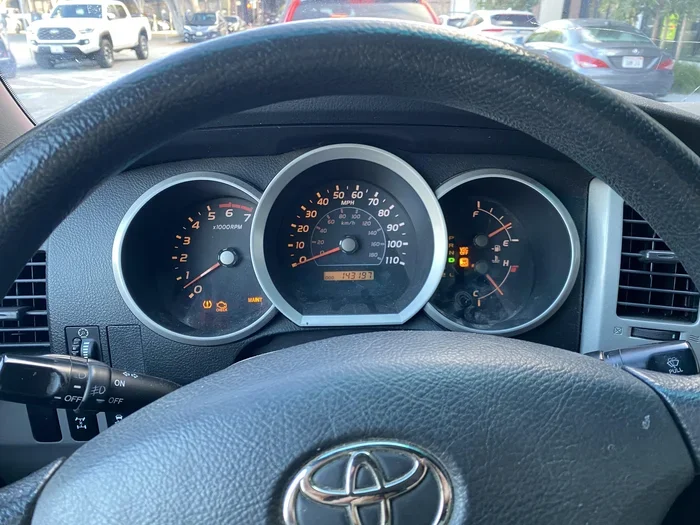
Many owners report flickering dashboard lights. Others experience intermittent power window failures. The infotainment system can also act up, especially in older models with aging wiring.
One of the more frustrating 4Runner electrical issues involves the check engine light. It often comes on without a clear reason. Diagnosing the exact cause can take time and money. Sometimes the problem is a simple sensor. Other times it points to a deeper wiring issue.
Battery drain is another common complaint. Some owners find their 4Runner will not start after sitting for a few days. This is often caused by a parasitic draw in the electrical system. It can be tricky to track down without proper diagnostic tools.
4WD and Drivetrain Concerns
The 4WD system is one of the main reasons people buy a 4Runner. But this system can also be a source of problems. Understanding how it works helps you spot issues early.
If you are wondering how to check whether your truck is in 4WD or 4WD 2, there are simple ways to verify. You can check the dashboard indicator or look at the transfer case shifter. For more details, see our guide on how to know if your truck is in 4WD.
Understanding Your 4WD System
The 4Runner uses a part-time 4WD system. This means you can switch between two-wheel drive and four-wheel drive. It is great for fuel economy on the highway. But it also adds mechanical complexity.
Common 4WD issues include difficulty engaging or disengaging the system. Some owners hear grinding noises when shifting between modes. Others notice the 4WD light staying on even when the system is not active.
The transfer case is the heart of the 4WD system. Over time, the transfer case fluid breaks down. This leads to increased wear on internal components. Regular fluid changes can prevent many of these problems.
For vehicles that have both 4WD and 4WD 2 modes, understanding the difference matters. You can learn more about how to identify your truck’s 4WD mode to make sure you are using the right setting for your driving conditions.
Vacuum Leaks and Actuator Failures
Older 4Runner models use vacuum actuators to switch between 2WD and 4WD. These vacuum lines can crack or leak over time. When they do, the 4WD system may not engage properly.
This is a common issue on 2003 to 2009 model years. The fix usually involves replacing the vacuum lines or the front actuator. It is not overly expensive, but it does require some mechanical knowledge.
Reliability and Long-Term Ownership
One of the biggest questions potential buyers ask is whether the 4Runner is reliable for long-term ownership. The short answer is yes. But long-term reliability depends heavily on maintenance and usage.
Maintenance Costs and Ownership Expenses
Toyota vehicles are known for lower maintenance costs compared to many competitors. The 4Runner is no exception. But as the vehicle ages, repair costs do go up.
Regular oil changes, fluid flushes, and belt replacements keep the 4Runner running strong. Skipping these services leads to bigger problems down the road. A well-maintained 4Runner can easily surpass 300,000 miles with minimal issues.
If you need help diagnosing issues early, services like Jiffy Lube diagnostics can be a useful starting point. They can identify potential problems before they become serious repairs.
Here are some typical maintenance costs to budget for:
- Oil changes: Every 5,000 to 7,500 miles
- Transmission fluid: Every 60,000 to 100,000 miles
- Transfer case fluid: Every 30,000 to 60,000 miles
- Brake pads: Every 30,000 to 70,000 miles
- Timing chain: Inspection recommended after 150,000 miles
Rust and Body Integrity
Rust is a real concern for older 4Runners. The vehicle spends a lot of time off-road, exposed to mud, water, and debris. This accelerates corrosion on vulnerable areas.
Common rust spots include the wheel wells, rocker panels, and tailgate. In cold climates, road salt makes the problem worse. Regular washing and undercoating can help prevent rust from spreading.
If you are buying a used 4Runner, inspect the undercarriage carefully. Look for bubbles in the paint or thin spots in the metal. These are early signs of rust that can become structural problems.
What Owners Say in Real Reviews
Owner reviews are one of the best ways to understand real-world 4Runner reliability. Most owners report high satisfaction with the vehicle. They praise its durability, off-road capability, and resale value.
However, many reviews also mention recurring issues. Transmission hesitation is a common theme. So are electrical gremlins and occasional coolant leaks. These problems tend to appear in vehicles with over 100,000 miles.
The consensus among 4Runner owners is clear. The vehicle is worth owning despite its flaws. The strong resale value and proven longevity make up for the occasional repair. Just be prepared for maintenance costs as the vehicle ages.
How to Avoid or Fix Common 4Runner Issues
Prevention is always better than repair. Here are practical steps you can take to avoid or fix the most common Toyota 4Runner problems.
Stick to a Maintenance Schedule
Follow the manufacturer’s recommended maintenance schedule. Change your oil regularly. Flush your fluids on time. Replace worn belts and hoses before they fail. This simple discipline prevents the majority of mechanical issues.
Keep detailed records of every service and repair. This history protects your resale value and helps mechanics diagnose problems faster.
Address Small Problems Immediately
Do not ignore warning signs. A strange noise, a dashboard light, or a slight change in performance should be checked right away. Small issues often become big repairs when left unattended.
For example, a minor coolant leak can lead to engine overheating. Overheating can warp the engine block. What starts as a $50 repair becomes a $3,000 problem.
Buy Smart When Shopping for a Used 4Runner
If you are buying a used 4Runner, do your homework. Check the vehicle history report for accidents or flood damage. Have a trusted mechanic inspect the vehicle before purchase.
Focus on model years known for fewer problems. The 2010 and newer models generally have fewer issues than earlier generations. They also benefit from updated electronics and improved build quality.
Keep Software and Recalls Up to Date
Toyota occasionally issues recalls or technical service bulletins for the 4Runner. Stay informed about any recalls that affect your specific model year. Dealerships can often fix recall issues for free.
Software updates for the infotainment system can also resolve electrical glitches. Ask your dealer if any updates are available for your vehicle.
Common Mistakes 4Runner Owners Make
Even the best owners make mistakes. Here are common ones that lead to bigger problems with the 4Runner.
- Skipping transmission fluid changes. This leads to premature transmission wear.
- Ignoring the check engine light. A small sensor issue can mask a bigger problem.
- Driving on low coolant. This risks overheating and engine damage.
- Using the wrong grade of oil. This affects engine performance and longevity.
- Neglecting rust treatment. Small rust spots grow into structural damage over time.
Avoiding these mistakes keeps your 4Runner running strong for years to come. Prevention costs far less than repair.
Final Thoughts on Toyota 4Runner Issues
So do Toyota 4Runners have issues? Yes, they do. But the same could be said of any vehicle. The 4Runner remains one of the most reliable and capable SUVs on the market.
Most Toyota 4Runner problems are manageable when caught early. Regular maintenance, smart buying decisions, and prompt repairs go a long way. The 4Runner’s reputation for durability is well-earned.
If you are considering a 4Runner, go for it. Just go in with your eyes open. Know the potential issues and plan for them. A well-cared-for 4Runner will reward you with years of dependable service.
The bottom line is simple. The 4Runner is not perfect. But for many buyers, its strengths far outweigh its weaknesses. Understanding the 4Runner reliability picture helps you make the best decision for your needs and budget.
Frequently Asked Questions
Are Toyota 4Runners reliable vehicles?
Yes, Toyota 4Runners are generally very reliable. They have a strong reputation for durability and long lifespan. However, like any vehicle, they can develop issues over time, especially as mileage increases.
What are the most common Toyota 4Runner problems?
The most common issues include transmission hesitation, electrical glitches, oil consumption, and 4WD system faults. Engine and powertrain concerns also appear in higher-mileage vehicles. Regular maintenance helps prevent most of these problems.
Which model years of the 4Runner have the most issues?
Older model years, particularly from the early 2000s, tend to have more reported problems. The 2003 to 2009 models sometimes experience vacuum actuator failures and electrical issues. Newer models generally have fewer problems due to improved engineering.
How can I prevent Toyota 4Runner issues?
Stick to a strict maintenance schedule. Change your oil and fluids on time. Address small problems immediately before they grow. Keep your 4Runner clean, especially the undercarriage, to prevent rust and corrosion.
Is it worth buying a used Toyota 4Runner despite potential issues?
Absolutely. The 4Runner holds its value exceptionally well and offers outstanding off-road capability. Just have a pre-purchase inspection done by a trusted mechanic. This helps you avoid buying a vehicle with hidden problems.
What should I do if my 4Runner’s check engine light comes on?
Do not ignore it. Have the vehicle diagnosed as soon as possible. You can visit a dealership or a trusted mechanic. Sometimes the issue is a simple sensor. Other times it may indicate a deeper problem that needs attention.